Historic Sites in Estonia: Explore Bishops’ Castles, Gothic Churches and Palaces
Explore historic sites in Estonia, including bishops’ castles, medieval town halls, Gothic churches and Baroque palaces. Castles form the largest group in the collection. Kuressaare and Haapsalu preserve fortified accommodation and religious spaces, while Tallinn supplies examples of municipal halls, convent ruins and decorated palace rooms.
Primary Function: All
Type: All
Civilization: All
Popularity: All
Rating: All
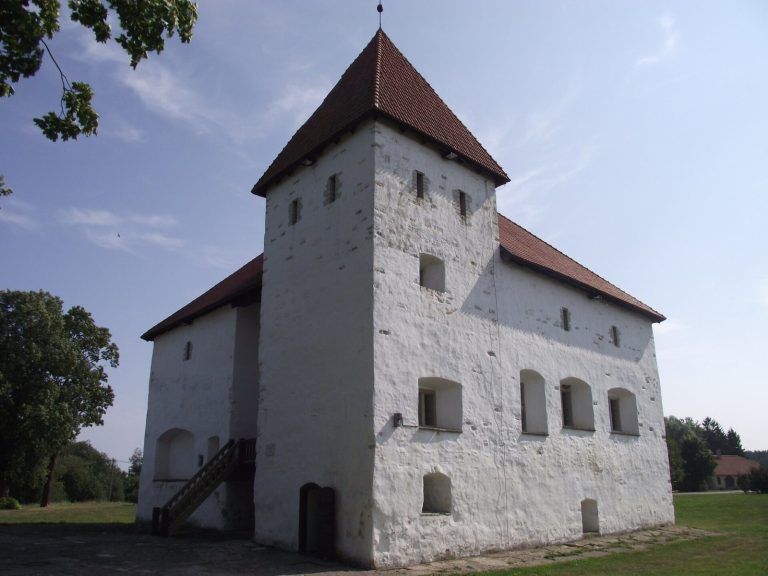
Purtse Castle is a sixteenth-century fortified manor house in Estonia that served as a residence, storehouse, prison, and agricultural building…
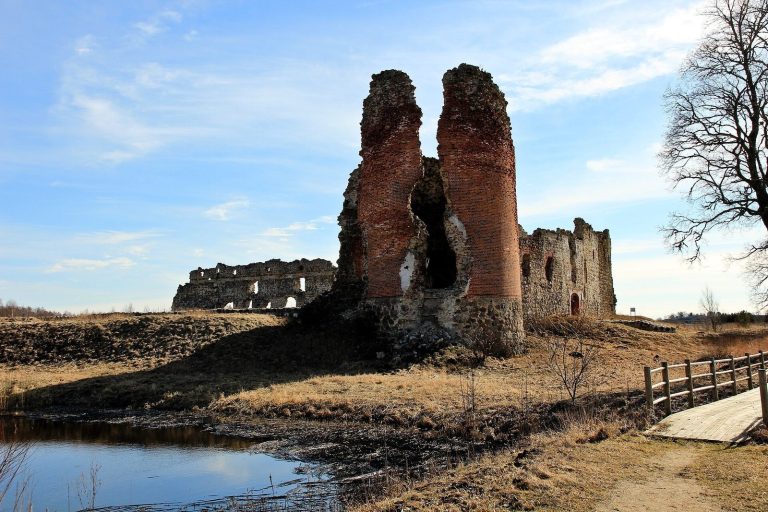
Laiuse Castle in Laiusevälja developed from an early fourteenth-century stronghold into a major artillery fortress. It witnessed the Livonian War,…
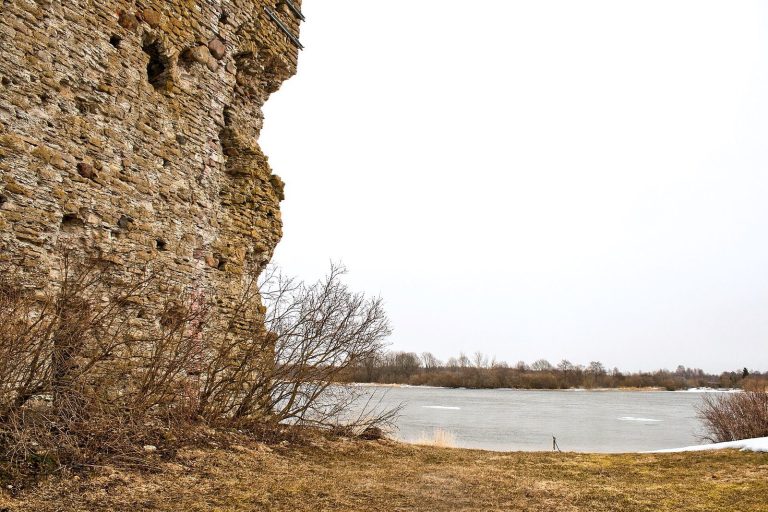
Vasknarva Castle was a Livonian Order stronghold on the Narva River, serving as a frontier, administrative, and residential center before repeated…
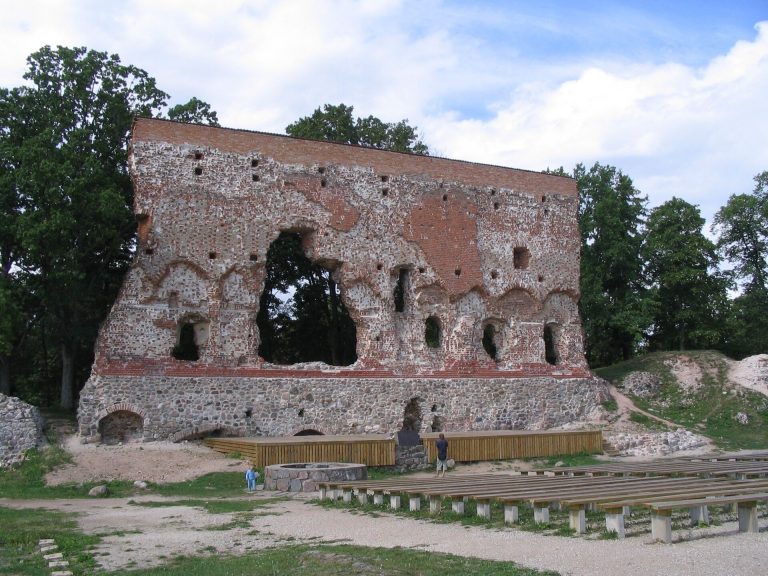
Viljandi Castle developed from an Estonian hillfort into a major stronghold and administrative centre of the Sword Brothers and Livonian Order.…
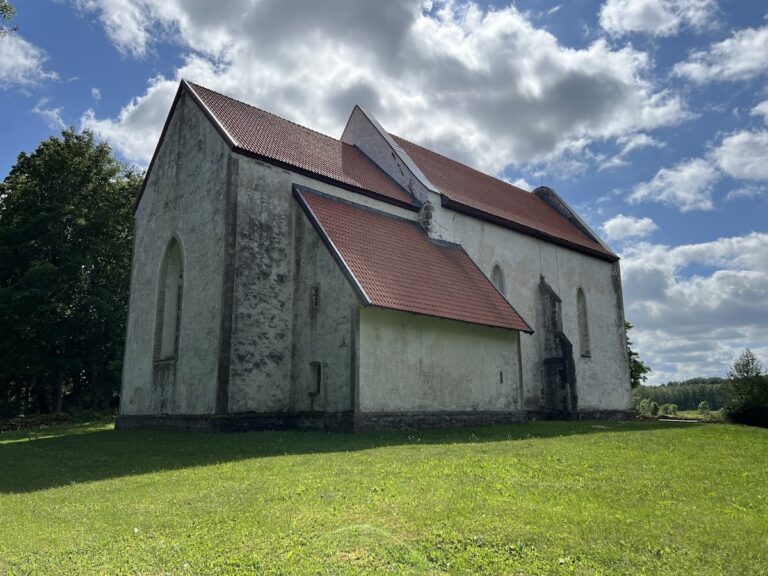
Karja Church on Saaremaa preserves a medieval stone structure, richly carved decoration, mural paintings, historic furnishings, and evidence of…
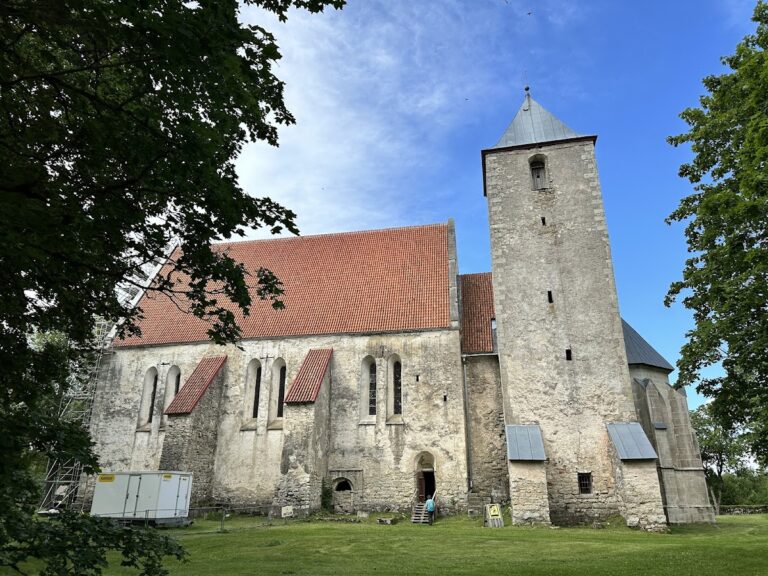
Valjala Church on Saaremaa preserves a medieval history that began in 1227, combining Romanesque and Gothic architecture with defensive features,…
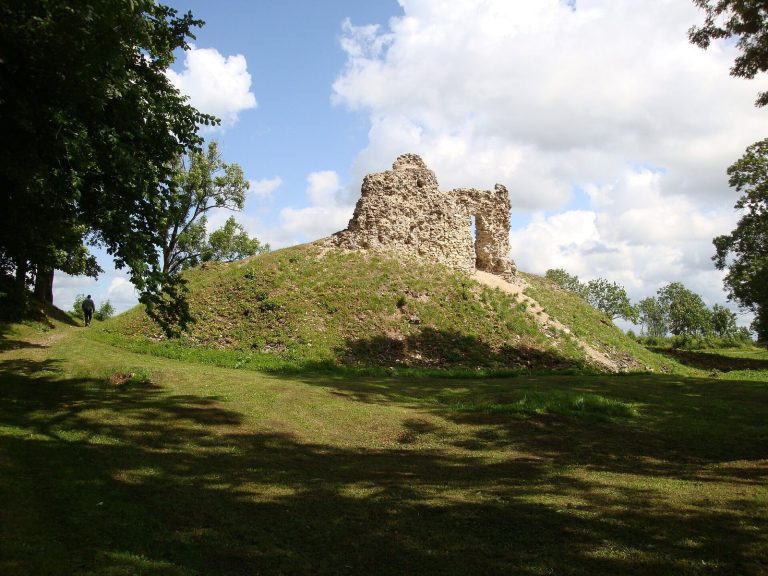
Lihula Castle was a medieval stronghold and shared center of ecclesiastical and military power in western Estonia. Built in stone between 1238 and…

Keila Church in Estonia developed from a chapel built around 1280 into a major medieval rural church, with later Renaissance, Baroque,…
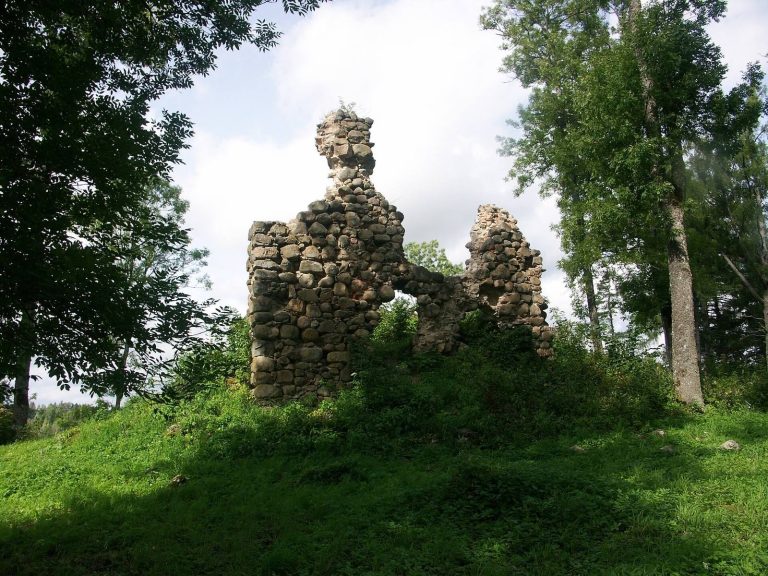
Helme Castle was a fourteenth-century Livonian Order fortress in southern Estonia, later an administrative centre under Polish rule before its…
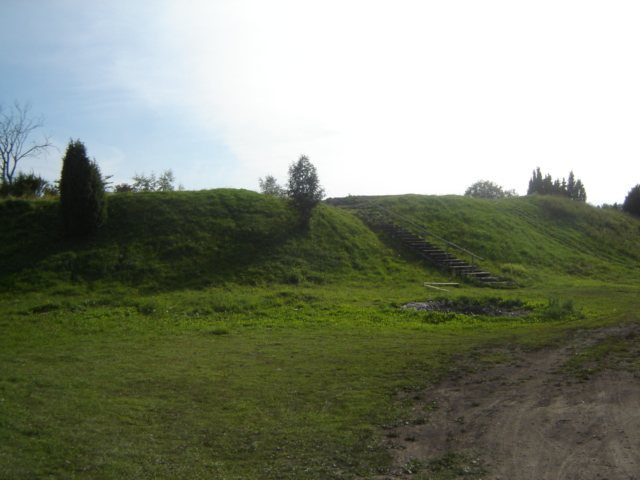
Valjala Stronghold was the principal fortress of the Oeselians on Saaremaa. Established in the twelfth century, it played a decisive role in the 1227…
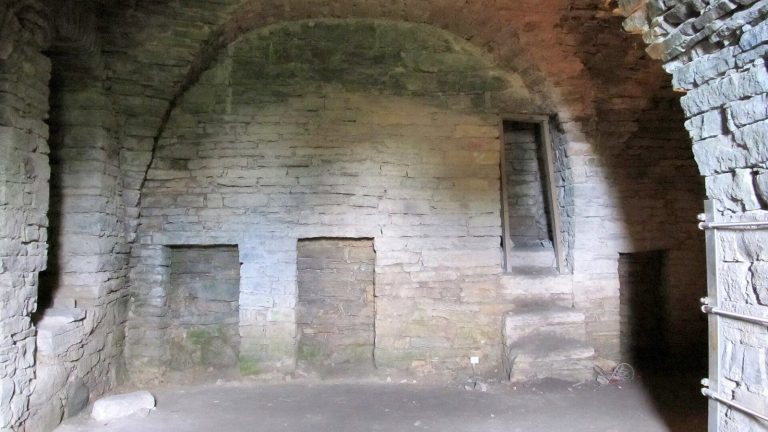
Maasilinna Castle was a Livonian Order administrative centre, vogt’s residence, and frontier fortress on Saaremaa. Built after the St George’s Night…
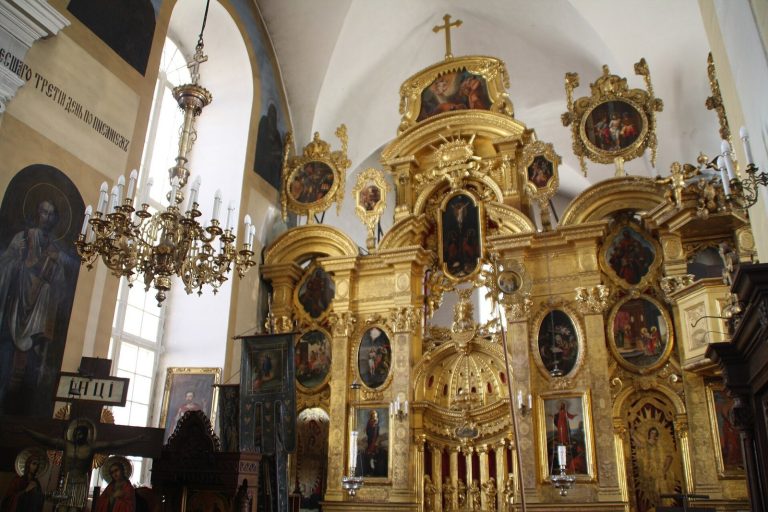
The Church of the Transfiguration of Our Lord in Tallinn developed from a thirteenth-century Cistercian monastery church into an Orthodox cathedral…
For details on how to use the maps, which sites are included, how popularity and ratings are determined, and how sites are classified, see the help page.
On this page5 sections
Castles and fortified residences
Kuressaare Castle on Saaremaa has a square Gothic main building arranged around an internal courtyard. Passages connect its principal rooms, while towers reinforce the corners. The Pika Hermann watchtower is separated from the adjoining structure by a deep shaft and originally had a raised entrance reached by a bridge. This made it a possible final refuge within the larger castle.
Later bastions, ramparts and a broad moat surround the medieval building. They extended its defences for artillery warfare without replacing the central residential block. Some towers have been substantially rebuilt, but the enclosed plan and connecting interiors remain central to understanding the former bishop’s residence.
Haapsalu Castle includes a cathedral within a large walled complex. The church has a single nave, combining Romanesque ornamental details with Gothic vaulting. A round baptistery projects from the building, while a substantial watchtower stands within the defensive ensemble. Later repairs replaced damaged features, including the western portal, but the relationship between cathedral, residence and enclosure remains visible.
Town halls and public buildings
Tallinn Town Hall is a two-storey limestone building with vaulted spaces above a substantial basement. An open arcade extends along the façade facing the square, sheltering merchants beside the entrances to the lower rooms. Above it, windows mark the principal offices and halls used for municipal administration and representation.
The façade has a parapet resembling a defensive wall and dragon-headed gargoyles projecting from the stonework. Its slightly irregular plan reflects successive enlargements rather than a single building campaign. The combination of storage, sheltered trading space and formal rooms places civic administration directly against the town’s medieval market.
Churches and convents
St Nicholas’ Church in Tallinn developed into a Gothic basilica with a raised central nave and lower side aisles. Its medieval core includes carved portals and the lower part of the western tower. In St Anthony’s Chapel, four vaults rest on a central octagonal pier. The restored church also houses medieval works of art, including the surviving fragment of Bernt Notke’s Dance of Death and a carved and painted high altar made in Lübeck.
Pirita Convent survives principally as a church ruin, with its tall stepped western gable and sections of side walls standing above the former interior. The fifteenth-century complex housed separate communities of women and men, divided by the church; the nuns used a gallery during shared services. Its remaining façade preserves the height of the late-Gothic building despite the loss of the roof and much of the surrounding convent.
Palaces and formal gardens
Kadriorg Palace in Tallinn belongs to an eighteenth-century palace-and-park ensemble associated with Peter the Great and Catherine I. Carved details articulate the exterior, while the principal hall contains abundant stucco and a ceiling painting of Diana and Actaeon. Royal monograms appear beneath the ceiling.
The grounds were arranged with formal gardens, symmetrical pools, paths and planted terraces, with woodland beyond. Later alterations added rooms and changed the connection between the hall and garden. A twentieth-century Neo-Baroque extension introduced further ceremonial spaces, so the palace contains both its original imperial rooms and later adaptations for state use.
Explore the collection
Explore sites on the map or in the grid. Map icons indicate each site’s primary function, helping you identify different kinds of places at a glance. Narrow the results by primary function, site type, civilization or era, with additional filters for popularity and rating. Select a map marker to view the site’s details and open its article, or open the article from its grid entry.