Historic Sites in Belarus: Explore Castles, Palaces and Fortresses
Explore historic sites in Belarus, including medieval castles, fortified aristocratic residences, palace ruins and monastic churches. Defensive sites range from walled courtyards to the extensive barracks and earthworks of Brest Fortress. The examples below include both standing rooms and roofless palace ranges, with restoration and later additions identified where they shape the surviving buildings.
Primary Function: All
Type: All
Civilization: All
Popularity: All
Rating: All
Zaslaŭje Castle developed from an eleventh-century fortified settlement into a major early modern bastion fortress built by the Glebovich family. Its…
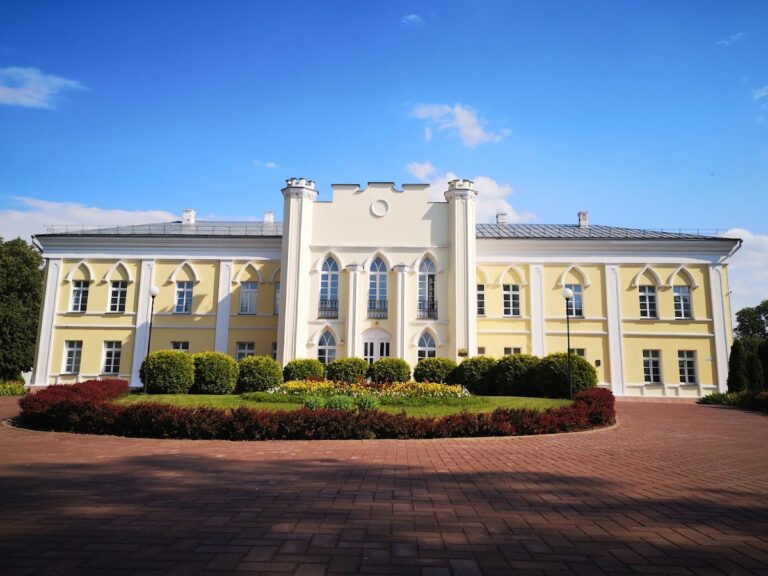
Krichev Castle was a medieval fortified settlement on the Sozh River that served as the center of Krichev until the late eighteenth century.…
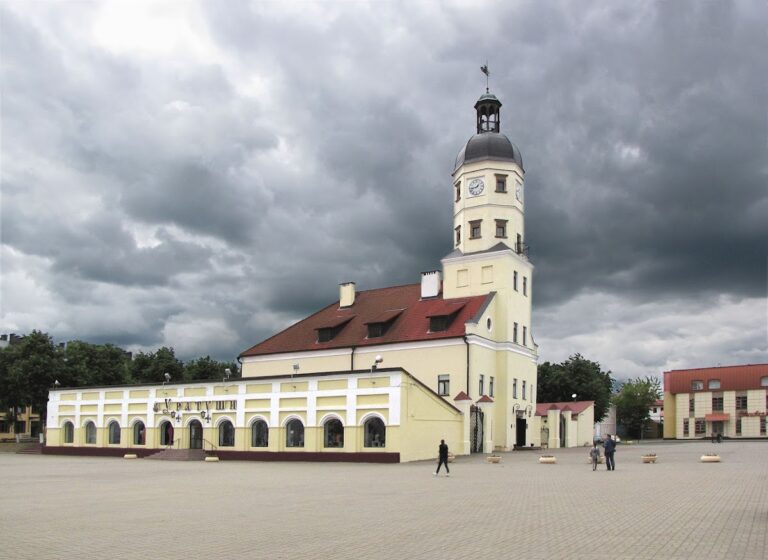
The Town Hall in Niasviž, built after the town received Magdeburg rights, combined municipal offices with trading rows and survived fires,…
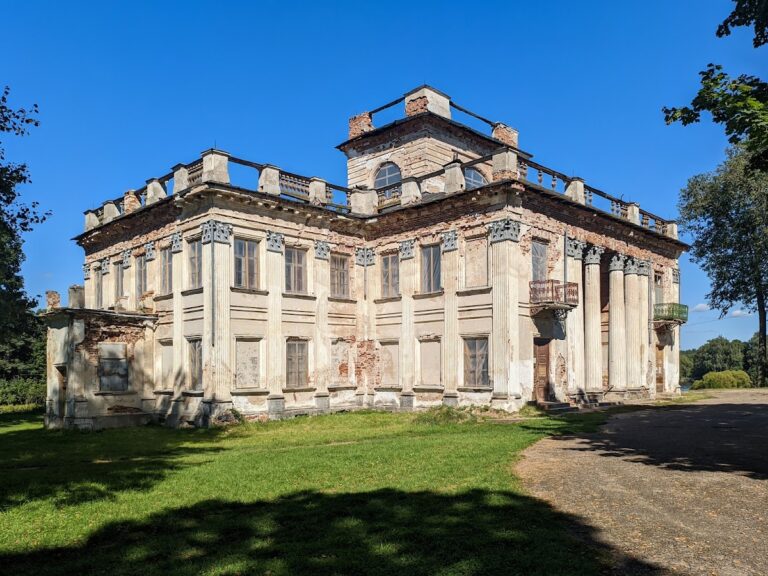
Umiastowski Palace in Žamyslaŭĺ is a nineteenth-century estate shaped by the Umiastowski family, later used as a scientific base, wartime sanatorium,…
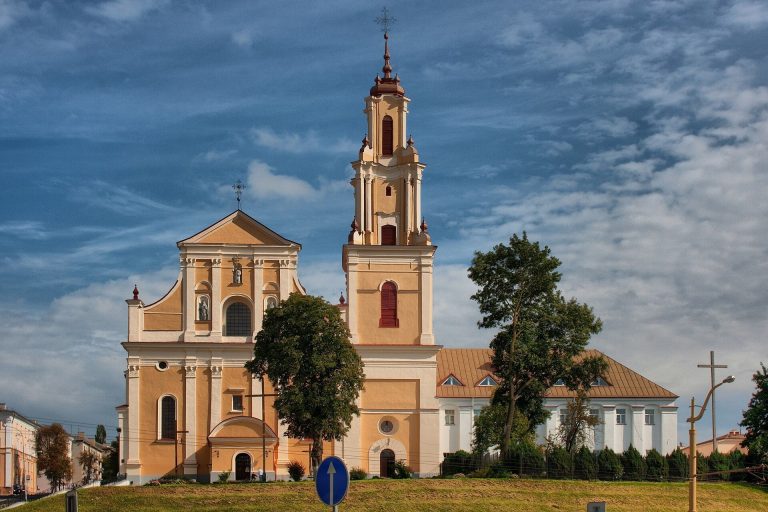
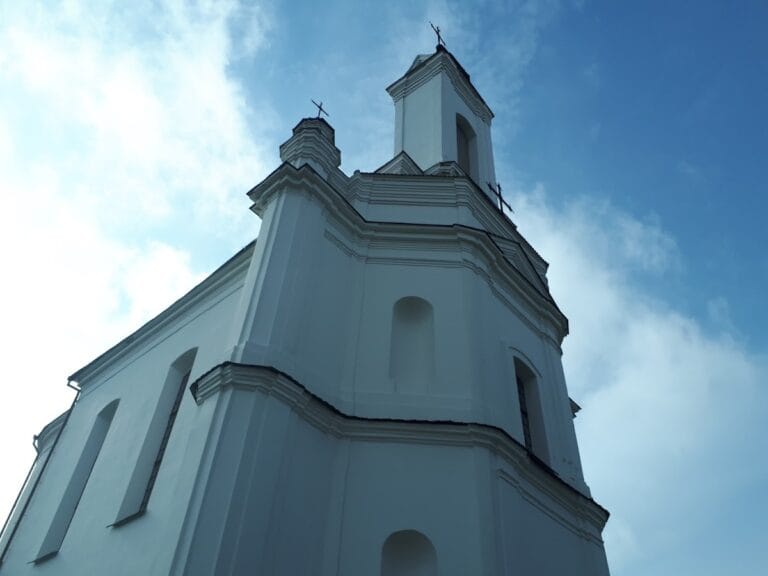
The Church of the Discovery of the Holy Cross and its former Bernardine monastery form one of Hrodna’s oldest Catholic complexes, shaped by…
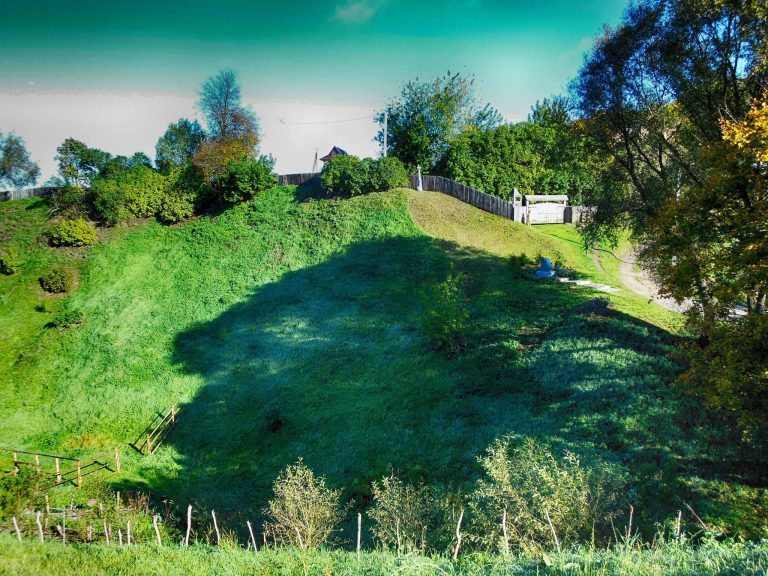
Zamkavaja hara was the hillfort and citadel at the original center of medieval Mstsislaw in Belarus. Excavations reveal successive urban layers,…
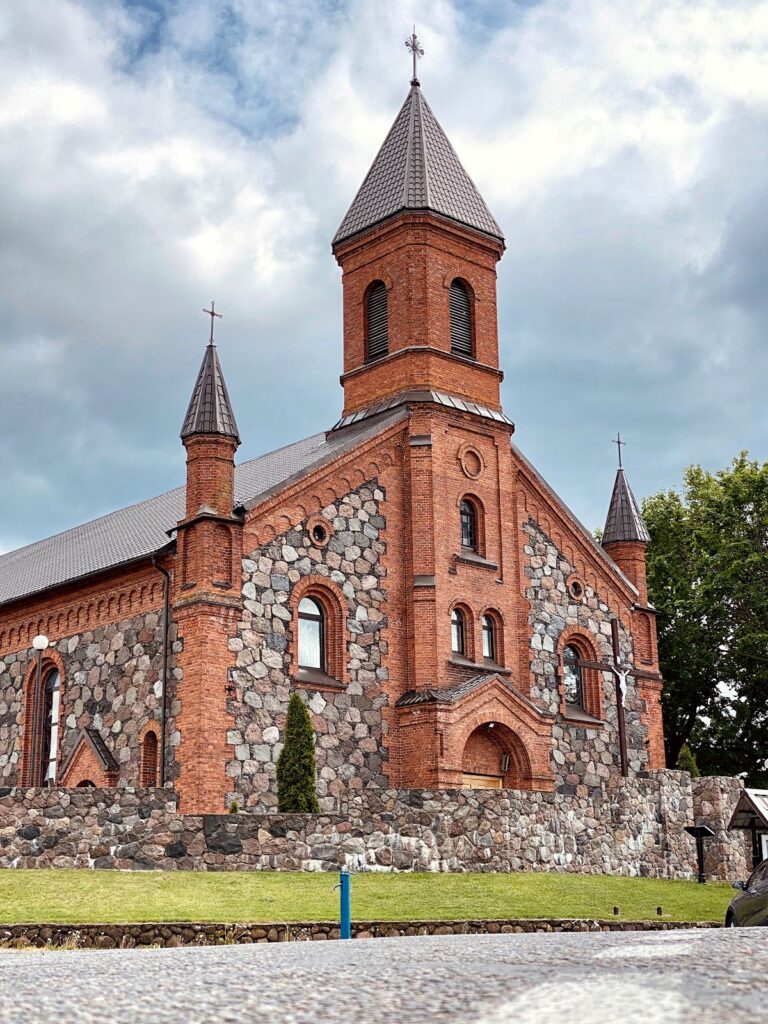
Braslav Castle was a wooden fortress on Castle Hill in Belarus, serving as a military and administrative centre from the sixteenth century until the…
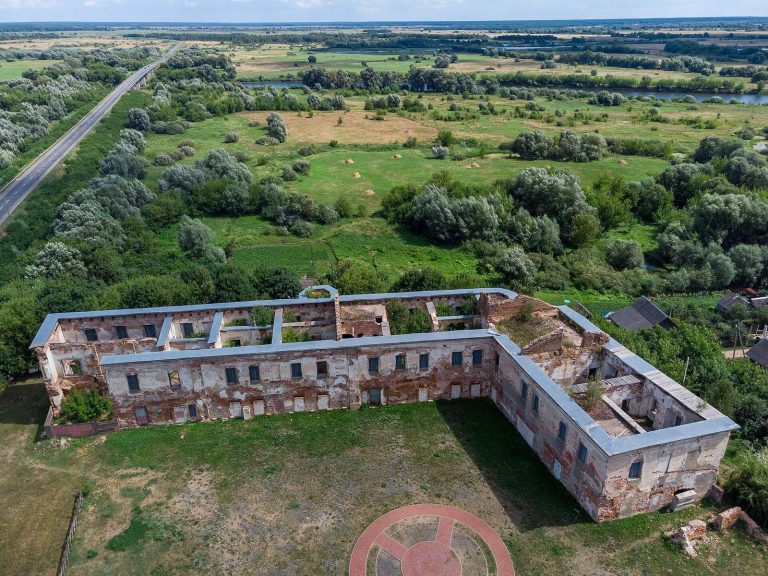
Bychaŭ Castle developed from a medieval settlement into a fortified residence and military stronghold on the Dnieper. Its history includes major…
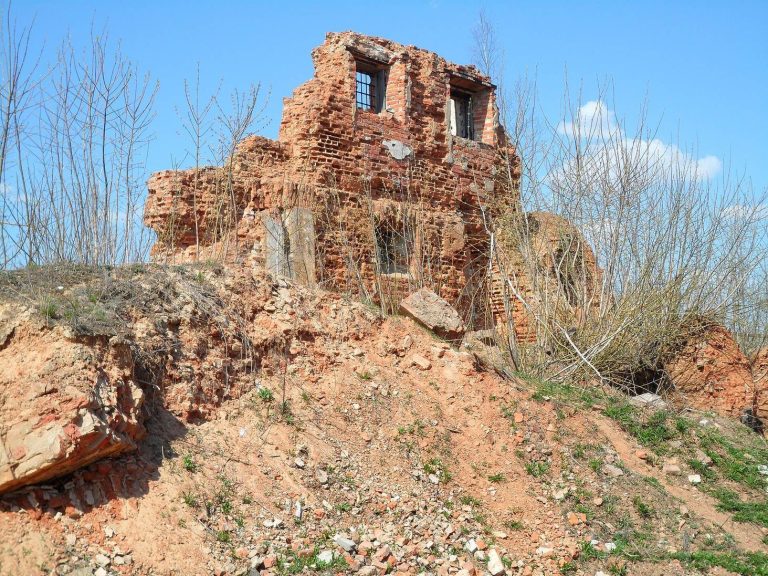
Barysaŭ Castle was a wooden-and-earth fortress that guarded routes through the Grand Duchy of Lithuania and later served as a military and supply…
The Museum of Sashes is located in Slutsk, Belarus, a city whose historical landscape included Upper, Lower, and New castles dating from the…

Hunter's House in Homieĺ is a late-Classical mansion built in 1820–1822 for the estate of Count S. Rumyantsev. After passing through several noble…
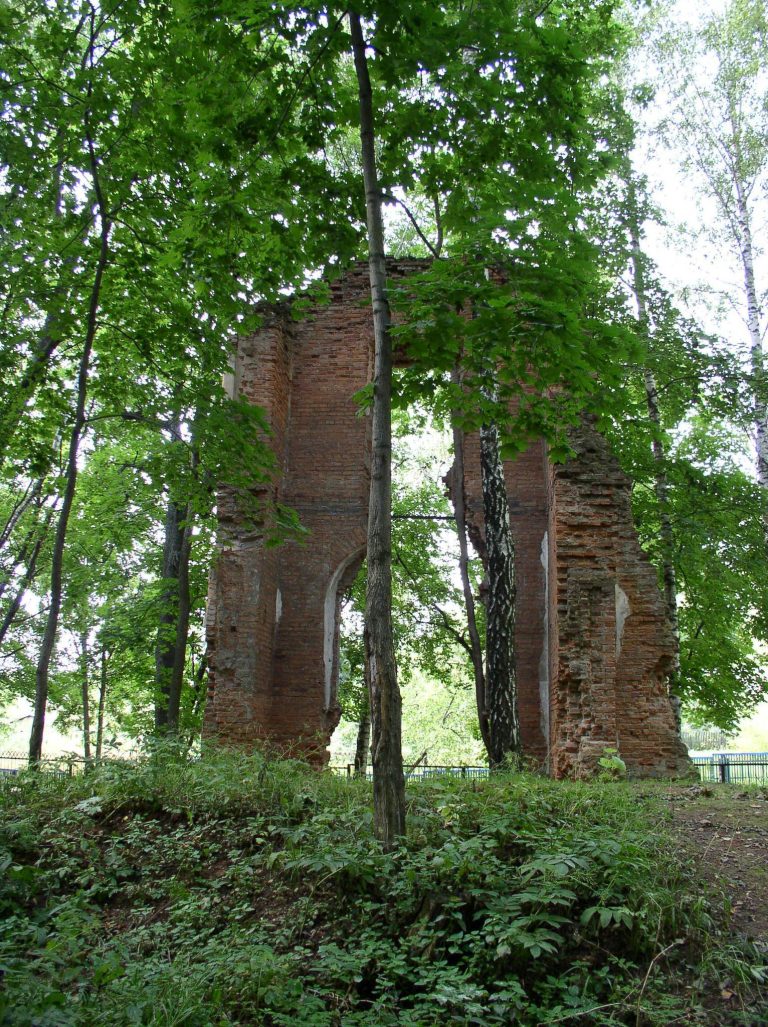
Tyškievič Palace in Lahojsk was an early nineteenth-century Empire-style residence built over an older fortified site. It became home to an important…
For details on how to use the maps, which sites are included, how popularity and ratings are determined, and how sites are classified, see the help page.
On this page5 sections
Castles and walled courtyards
Mir Castle has a nearly square enclosure with four corner towers and a fifth tower containing the main entrance. Brick upper walls rise above mixed stone-and-brick masonry. Defensive positions were arranged at several levels, including low gun openings and a covered gallery connecting the towers. The complex has undergone extensive restoration, so its finished appearance includes modern work alongside the historic masonry.
Lida Castle was established under Gediminas in the fourteenth century on raised ground between rivers. Its large quadrilateral courtyard could accommodate both a garrison and people seeking shelter. Fieldstone walls, brickwork and surrounding water defences formed the enclosure. Conservation and reconstruction have restored sections of walls, towers and the fighting gallery, preserving the scale of the protected court rather than a complete set of medieval residential rooms.
Palaces and fortified residences
Nesvizh Castle developed as a Radziwiłł residence within bastions, ramparts and moats. The surrounding river and ponds supplemented the artificial defences. Later rebuilding joined residential ranges and galleries around an enclosed, irregular courtyard, giving the palace a denser arrangement than its earliest separate buildings.
The relationship between water, broad earthworks and residential wings explains its combined palace-and-fortress character. It accommodated ceremonial and domestic rooms within a defended estate, with seventeenth- and eighteenth-century rebuilding substantially altering the original late-sixteenth-century plan.
Ruzhany Palace preserves a different state of survival. A monumental entrance gate, arcades and parts of the main buildings define a large ceremonial court. Roofs and interiors of the principal palace were lost, while restoration has repaired the entrance and some adjoining ranges. The remaining façades and connected arcades retain the composition of the residence without presenting its vanished rooms as intact interiors.
Fortresses and military buildings
Brest Fortress occupies the meeting of the Bug and Mukhavets. Its central citadel was planned around extensive red-brick barracks on an island, with additional fortifications on neighbouring artificial islands. Drawbridges connected the separate defended areas, and ramparts incorporated vaulted chambers for military use.
The surviving complex combines military fabric with a later memorial landscape associated with the fighting of 1941. Barrack remains and the White Palace ruins belong to the fortress, while the ceremonial square, monumental sculpture and burial areas belong to its commemorative development. These are different layers within a site whose original scale extended far beyond a single gate or surviving barrack wing.
Churches and monasteries
The Convent of Saint Euphrosyne in Polack was founded in the twelfth century. Its stone Church of the Transfiguration dates from that medieval development and preserves an early example of the city’s religious architecture. The building forms part of a larger monastic ensemble rather than standing alone.
The Church of the Exaltation of the Cross is a much later addition, completed in the nineteenth century with five domes and a Neo-Byzantine design. A refectory church belongs to another nineteenth-century campaign. The medieval Transfiguration church stands alongside these later additions to the monastic complex.
Explore the collection
Explore sites on the map or in the grid. Map icons indicate each site’s primary function, helping you identify different kinds of places at a glance. Narrow the results by primary function, site type, civilization or era, with additional filters for popularity and rating. Select a map marker to view the site’s details and open its article, or open the article from its grid entry.