Castles in Italy: Explore Moated Strongholds, Fortified Harbours and Palaces
Castles in Italy include urban strongholds, lakefront fortresses, royal residences and artillery works above coastal cities. The collection also covers fortified towns, towers, monasteries, palaces and other historic residences. These buildings served different combinations of defence, government and domestic life, with surviving features ranging from drawbridge entrances and gun positions to council chambers and state apartments.
The map and grid link each example to an article describing its plan and later alterations. The sites below include castles in Milan and Sirmione, fortress-palaces in Naples and Florence, a large Bourbon residence and a purpose-built artillery fort.
Primary Function: All
Type: All
Civilization: All
Popularity: All
Rating: All

The Capitoline Museums in Rome grew from Pope Sixtus IV’s 1471 return of ancient bronzes to the Roman people. Their buildings, collections, and…

Palazzo del Te is a sixteenth-century Mannerist villa commissioned by Federico II Gonzaga and designed by Giulio Romano in Mantua, Italy. Its…

Buonconsiglio Castle in Trento developed from a medieval fortress into the residence of the Prince-Bishops and a major Renaissance complex. Its…
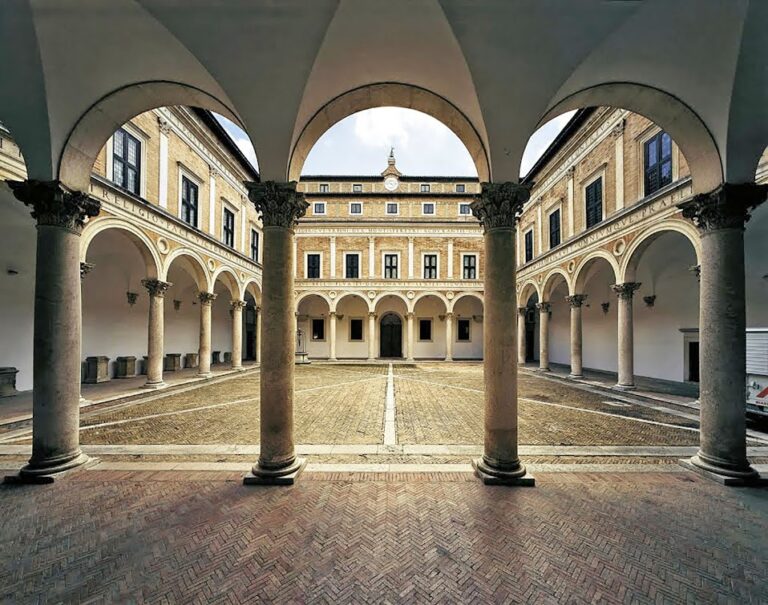
Palazzo Corboli Aquilini developed from sixteenth-century houses into an aristocratic palace shaped by the Aquilini and Corboli families, later…

Palazzo Contarini del Bovolo is a late Gothic Venetian palace developed between the fourteenth and fifteenth centuries and known for its Renaissance…
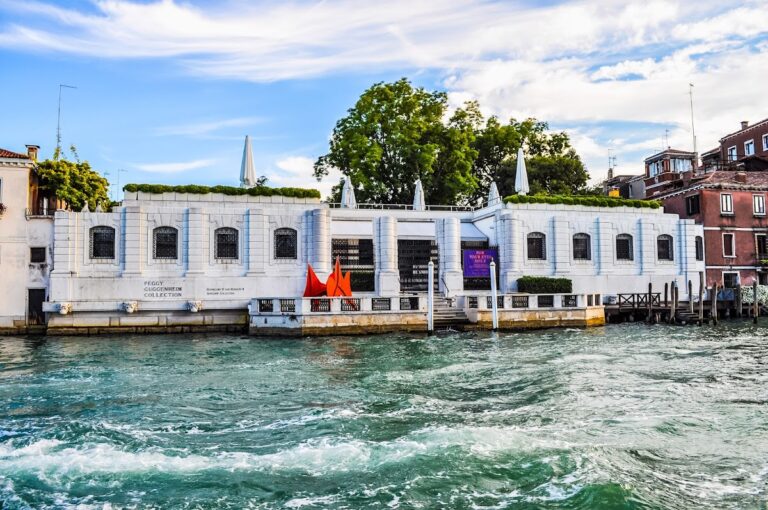
Palazzo Venier dei Leoni is an unfinished eighteenth-century palace on Venice’s Grand Canal that later became Peggy Guggenheim’s residence and the…
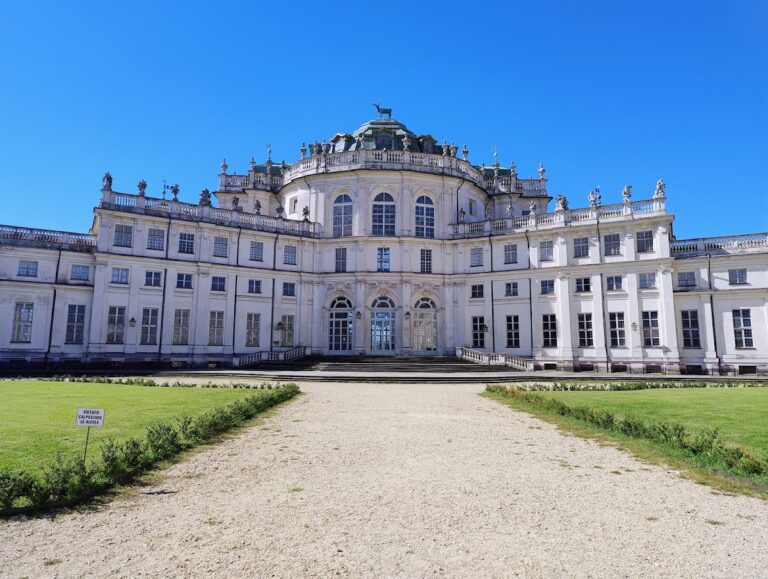
The Palazzina di caccia of Stupinigi is an eighteenth-century Savoy hunting residence near Turin, designed by Filippo Juvarra and expanded by later…

Rocca Calascio is a medieval fortified complex in Abruzzo, comprising a high stone fortress, an adjacent village, and the church of Santa Maria della…

Fénis Castle in the Aosta Valley developed between the fourteenth and fifteenth centuries as the prestigious residence and administrative centre of…

Castello Ursino is a thirteenth-century royal castle in Catania, Sicily, built for Frederick II and later used by Aragonese rulers, as a fortress,…
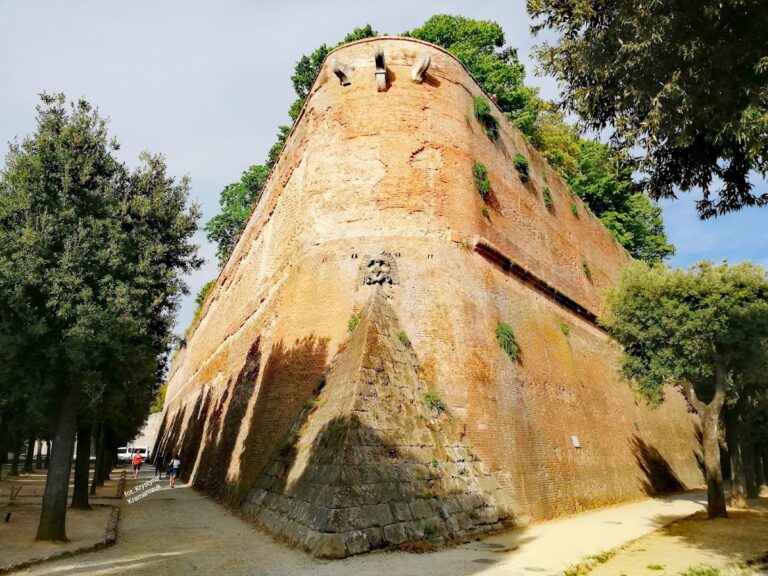
Fortezza Medicea was built between 1561 and 1563 over a Spanish stronghold to secure Medici control of Siena. Its bastions, altered defensive plan,…
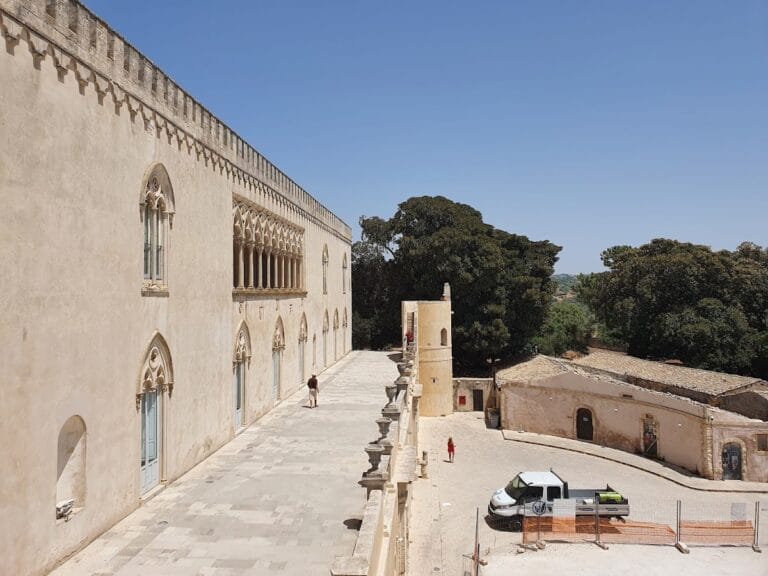
Donnafugata Castle in Ragusa, Sicily, is a nineteenth-century noble estate shaped by earlier traditions, later transformations, and an extensive…
For details on how to use the maps, which sites are included, how popularity and ratings are determined, and how sites are classified, see the help page.
On this page5 sections
Urban castles and fortified harbours
Sforza Castle in Milan has a broad square enclosure, with cylindrical towers towards the city and square towers on the opposite side. The main façade belongs to the fifteenth-century rebuilding, while the rear preserves earlier Visconti work. Its moat is now dry, and the much larger outer defensive system was demolished. Some conspicuous medieval-looking features, including battlements, were restored in the nineteenth century.
Scaligero Castle at Sirmione occupies a narrow part of the peninsula in Lake Garda. Water-filled moats surround the castle, while a walled harbour adjoins it on the lake side. Towers, protected entrances and separate passages organise movement between the main stronghold and harbour enclosure. Both castles used moats, but Sirmione’s defences also enclosed an area of water where vessels could be sheltered behind walls.
Castel Nuovo: triumphal entrance and defensive towers
Castel Nuovo in Naples combines cylindrical towers on sloping masonry bases with the rooms of a royal palace. Its entrance is marked by a marble triumphal arch inserted between the towers. Built in the fifteenth century, the arch commemorates Alfonso V of Aragon’s entry into Naples, with reliefs presenting the ruler and his entourage through forms inspired by Roman triumphal monuments.
Beyond this ceremonial entrance are a courtyard, chapel, halls and residential elements. The building’s defensive mass and carved entrance address different purposes: the towers protected the complex, while the arch presented the legitimacy and ambitions of its royal occupant. Both remain part of the same approach into the castle.
Civic palaces and royal residences
Palazzo Vecchio in Florence has a rusticated stone exterior, projecting battlement gallery and tall tower. Defensive openings occur beneath the upper gallery, while coats of arms identify the civic authorities and political allegiances associated with the building. Inside, the Hall of the Five Hundred was created for the republican Grand Council and later transformed for the Medici rulers. Its changing decoration followed the conversion of a civic seat into a ducal residence.
The Palace of Caserta is an eighteenth-century royal complex organised on a much more regular plan. Intersecting wings divide the enormous rectangular building into four courtyards. A central passage aligns the approach through the palace with the park beyond, with separate routes for carriages and pedestrians. State apartments occupy the principal floor, while kitchens, workshops and cellars were placed below. Its structure sets out the accommodation and circulation of a large court within a unified design.
Castel Sant’Elmo: a star-shaped fortress
Castel Sant’Elmo stands on Vomero Hill above Naples. Its principal surviving form is a sixteenth-century star-shaped fortress, partly cut from the rock and built in local volcanic stone. Six projecting arms provide positions for artillery around the enclosure, with gun emplacements at the inward angles and a moat outside.
A steep ramp and defended bridge lead towards the entrance, where the imperial arms of Charles V identify the period of the main rebuilding. Further ramps connect the internal levels. This arrangement was designed around moving troops and weapons through an artillery stronghold, making it a useful counterpart to the royal halls and carved ceremonial entrance of Castel Nuovo below.
Explore the collection
Explore sites on the map or in the grid. Map icons reflect each site’s primary function, helping you identify different kinds of places at a glance. Narrow this collection by primary function, by a site type within the castle and residence group, or by civilization and era. Additional filters cover popularity and rating. Select a map marker to view the site’s details and open its article, or open the article from its grid entry.