Kuusisto Castle: A Medieval Episcopal Fortress in Finland


Site at a Glance
- Rating
- 4.4
- Popularity
- Medium
- Country
- Finland
- Primary era
- Medieval
- External website
- Open
- Eras represented
- Medieval, Early Modern
- Civilizations
- Swedish
- Site type
- Military
- Remains
- Castle
On this page14 sections
History
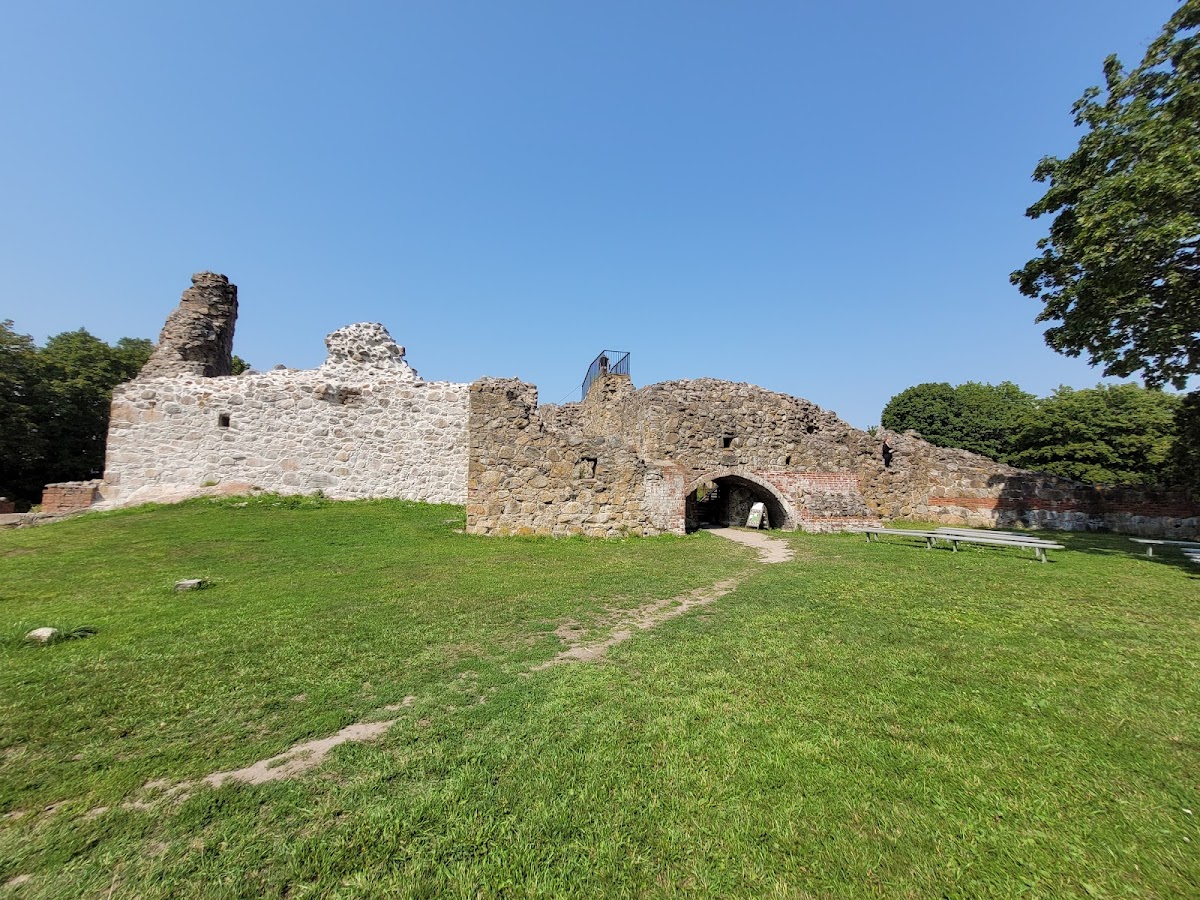
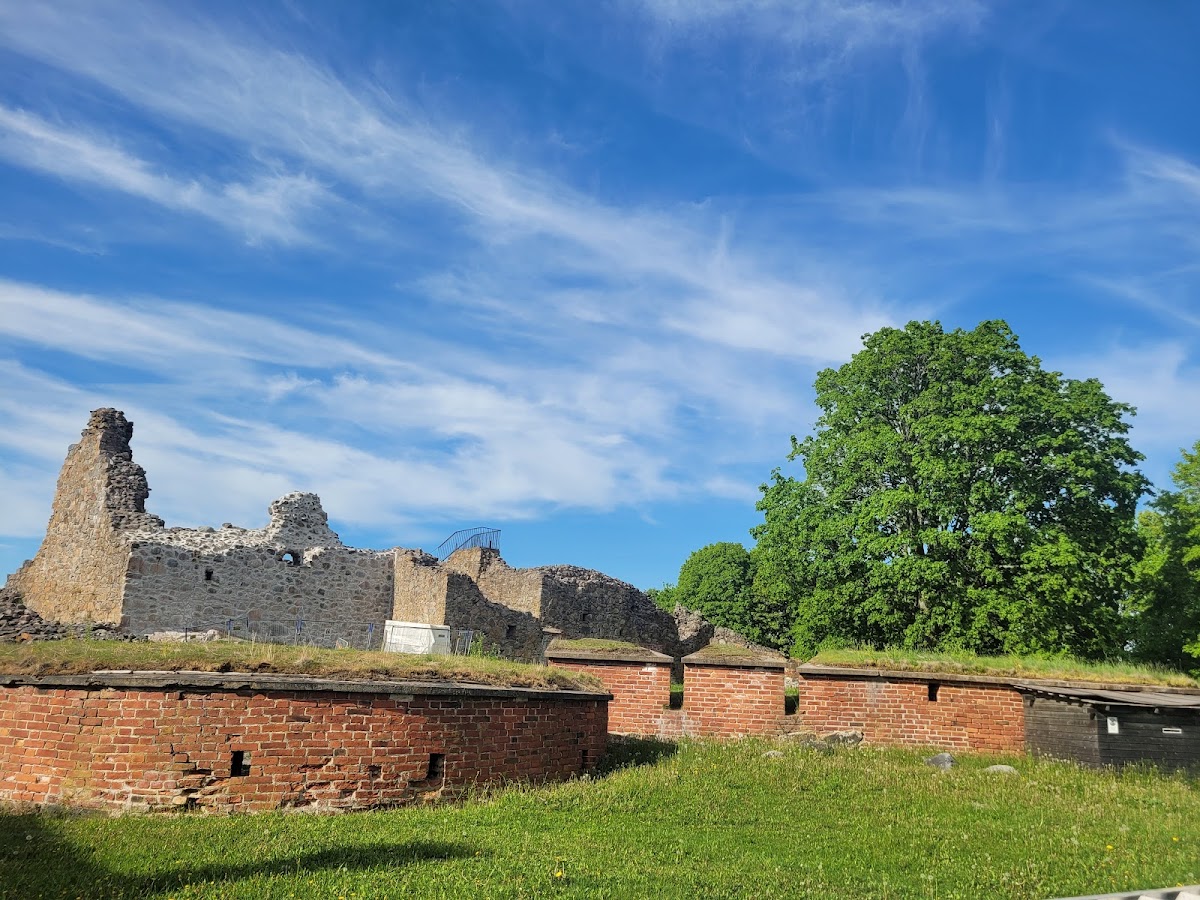
Kuusisto Castle is a medieval Catholic castle in Finland, located in Kaarina on Kuusisto Island, whose stone construction began in the early fourteenth century as a residence and fortified administrative base for the bishops of Turku. The Catholic bishops were the senior ecclesiastical authorities of medieval Finland, then part of the Swedish realm. The castle stood beside Piikkiönlahti and developed into a major center of episcopal residence, administration, trade, and defense.
Early Episcopal Base
The bishops had some form of base at Kuusisto by the late thirteenth century. Bishop Magnus I dated a surviving letter there on 7 November 1295, although the location of that early base in relation to the later stone castle remains uncertain. In 1318, forces from Novgorod, a medieval republic centered on the city of Novgorod in northwestern Russia, burned Kuusisto.
Paulus Juusten, a sixteenth-century bishop and chronicler, attributed the castle’s construction to the episcopate of Ragvald II, who served from 1308 to 1321. The earliest fortification may have been chiefly wooden. Stone construction began during Ragvald’s tenure or under his successors, Pentti Gregoriuksenpoika and Hemming. By the late fourteenth century, the castle had reached almost its final extent, although its buildings and defenses remained low and relatively modest.
Expansion and Episcopal Power
During the fifteenth century, Bishop Magnus Tavast strengthened Kuusisto as a base for trade and defense. It was then referred to as a castle rather than merely as an estate or manor. Kuusisto reached its greatest prosperity in the early fifteenth century, when Magnus Tavast was said to have built much of the complex. Its extent and defensive strength made it, together with Läckö Bishop’s Castle in Sweden, one of medieval Sweden’s largest episcopal castles.
A major fire around 1485 damaged parts of the castle, but the affected areas were repaired. Building and fortification continued under Bishop Maunu Särkilahti between 1489 and 1500. He was said to have complained about the high cost of construction, and work continued into the early sixteenth century.
Loss and Destruction
Arvid Kurki was the last Catholic bishop associated with Kuusisto. When Danish forces seized the castle in 1522, he fled toward Sweden but drowned during the journey. The castle’s cannons had already been taken to Turku to support the Swedish attempt to capture Turku Castle, which was held by the Danes.
Gustav Vasa’s forces recaptured Kuusisto in 1523. In 1528, the king ordered its destruction, and troops commanded by Maunu Sveninpoika dismantled the castle. The Crown did not want the Catholic Church to regain Kuusisto as a base after the Swedish Reformation and the reduction of Catholic ecclesiastical power.
Dismantling and Archaeological Study
Stone and brick from Kuusisto may have been reused in the outer bailey of Turku Castle and in the construction of Piikkiö Church. A barge carrying stone from the castle was found near Kuusisto, while large quantities of brick were still being removed from the site in the late nineteenth century for repairs to Kastelholm Castle in Åland.
Research and restoration began in 1891 under the predecessor of the Finnish Heritage Agency. A further phase, begun by the agency in 1985, combined antiquarian investigation with geological, botanical, and zoological studies and greatly expanded knowledge of the castle’s history. Excavations revealed the earlier entrance from the sea. This entrance was later sealed with masonry when access was redirected toward Kuusisto Manor, and the part of the castle containing the blocked entrance was subsequently used for another purpose. The ruins of Kuusisto Castle and Kuusisto Manor are designated by the Finnish Heritage Agency as a nationally significant built cultural environment.
Remains
Kuusisto Castle was built on the shore of Piikkiönlahti in three principal stages. The first was a stone building with three rooms and a cellar in the northeastern part of the site. This was followed by a continuous ring wall, an enclosing defensive wall around the fortified area. The southern wing was the newest principal section, and its completion brought the relocation of the main entrance from the seaward side to the south. Poor soil and changing water levels have affected the foundations, leaving surviving structures leaning and cracked.
Castle Buildings and Enclosure
Northeastern Stone Building
The northeastern part of the castle contains the remains of the earliest principal stone building. It had three rooms and a cellar, forming the first stage of the stone complex. Its construction belongs to the period when the earlier episcopal base was being developed into a fortified residence.
Ring Wall
The ring wall formed the second major construction stage and enclosed the castle as a continuous defensive barrier. It connected the separate parts of the complex and defined the fortified area around the stone buildings.
Southern Wing
The southern wing was added as the newest principal section of the castle. Its completion was associated with the transfer of the main entrance to the southern side. The earlier sea-facing entrance was later blocked with masonry, and the adjacent part of the castle was put to another use.
Water Defenses and Burial Ground
Outer Water Defense
An outer defensive line made from piles driven into the water extended beyond the main castle defenses. More than 3,000 piles have been found beneath mud and shoreline reeds. They were discovered in 1992, when the sea level remained unusually low, and the palisade has been dated to the early fifteenth century.
Kapellbacken Burial Ground
A small medieval burial ground lay on Kapellbacken, a hill near the castle. Parts of the stone wall that enclosed the burial area remain visible. The secluded position was close to the castle and readily accessible from nearby farms. Its location may also have been influenced by a chapel believed to have stood on the hill.
Archaeological Evidence of Life at the Castle
Plant remains provide evidence of food and material use at Kuusisto. Barley, rye, oats, and wheat were used at the castle. Hemp supplied coarse textiles, nets, and cordage, while hops were used to flavor beer. Soil samples also contain traces of parsnip, henbane, celandine, bog-myrtle, nuts, strawberry, bilberry, raspberry, lingonberry, crowberry, and cranberry.