Castles in Estonia: Explore Courtyard Fortresses, Fortified Manors and Coastal Defences
Castles in Estonia include the substantial courtyard buildings of military orders, a fortified manor with accommodation arranged over several floors, and later residences whose turrets belong to a revival of medieval architecture. Coastal military construction adds another type of building, with the former battery at Patarei subsequently adapted as a prison.
The map uses the wider castle, fort and residence group. The examples below focus on standing buildings and their internal arrangements, distinguishing the medieval origins of several sites from the restoration and rebuilding visible today.
Primary Function: All
Type: All
Civilization: All
Popularity: All
Rating: All
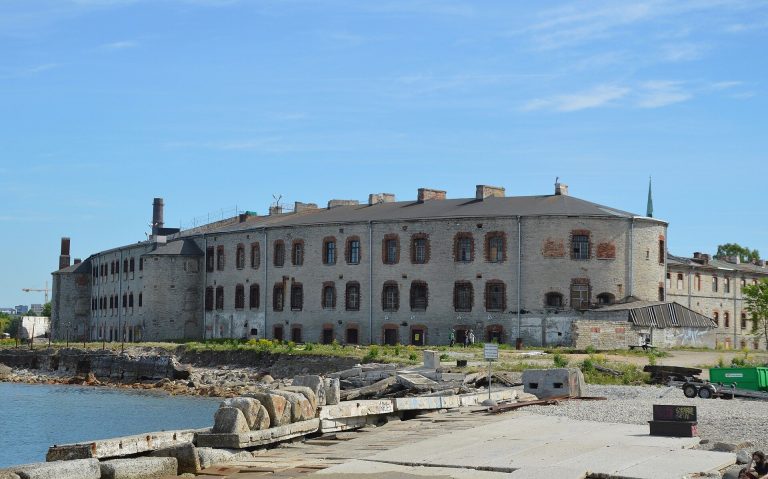
Patarei Sea Fortress in Tallinn, Estonia, was completed as a Russian imperial coastal battery in 1840 and later served as a prison until 2002. Its…
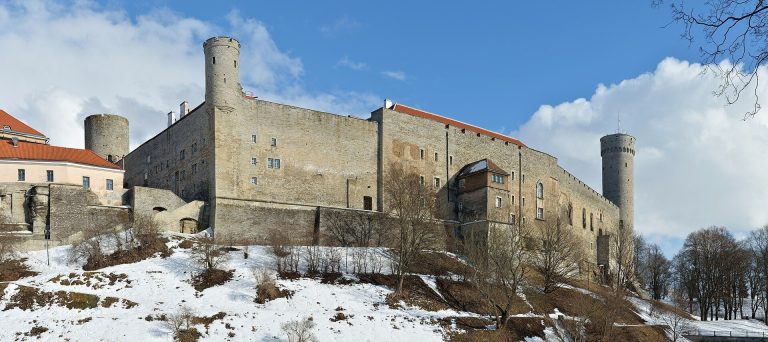
Toompea Castle in Tallinn developed from an ancient hilltop stronghold into a Danish and Teutonic fortress, a Swedish administrative centre, a…

Karksi Castle was a major Livonian Order fortress in southern Estonia, serving as the administrative center of a medieval bailiwick before passing…

Purtse Castle is a sixteenth-century fortified manor house in Estonia that served as a residence, storehouse, prison, and agricultural building…
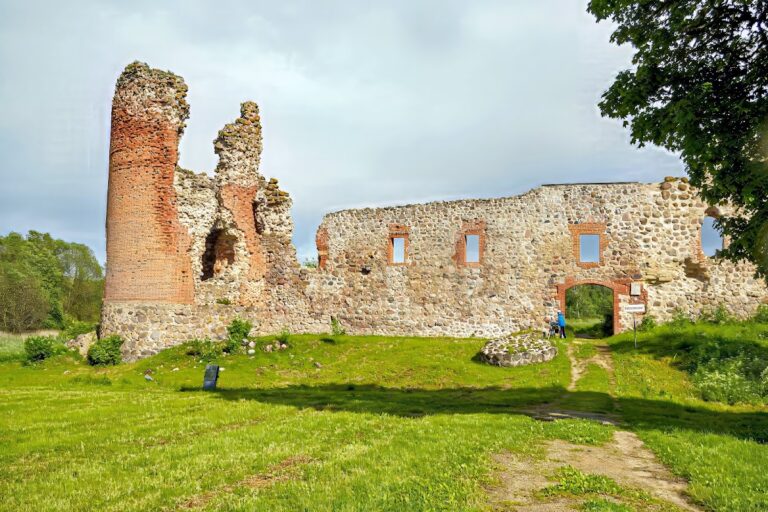
Laiuse Castle in Laiusevälja developed from an early fourteenth-century stronghold into a major artillery fortress. It witnessed the Livonian War,…
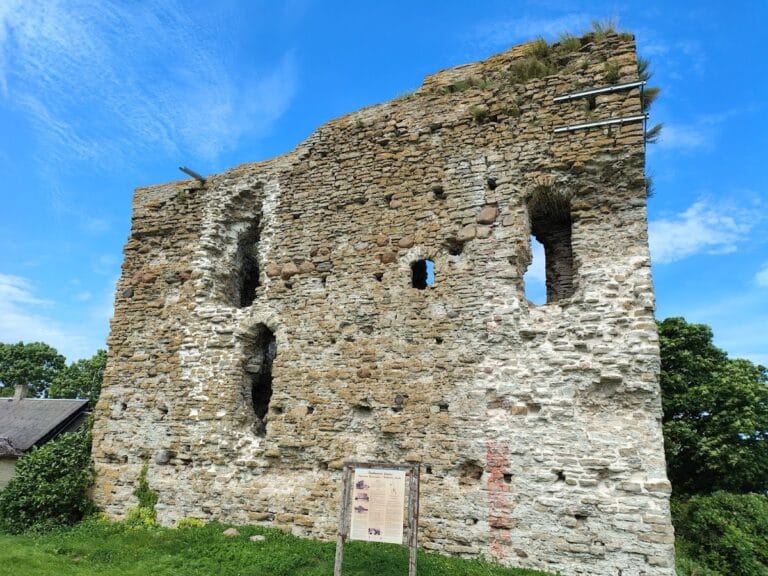
Vasknarva Castle was a Livonian Order stronghold on the Narva River, serving as a frontier, administrative, and residential center before repeated…
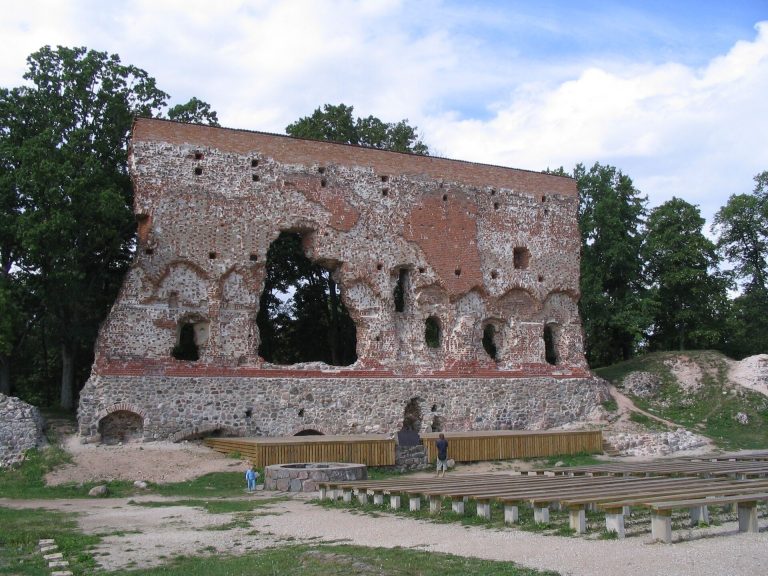
Viljandi Castle developed from an Estonian hillfort into a major stronghold and administrative centre of the Sword Brothers and Livonian Order.…
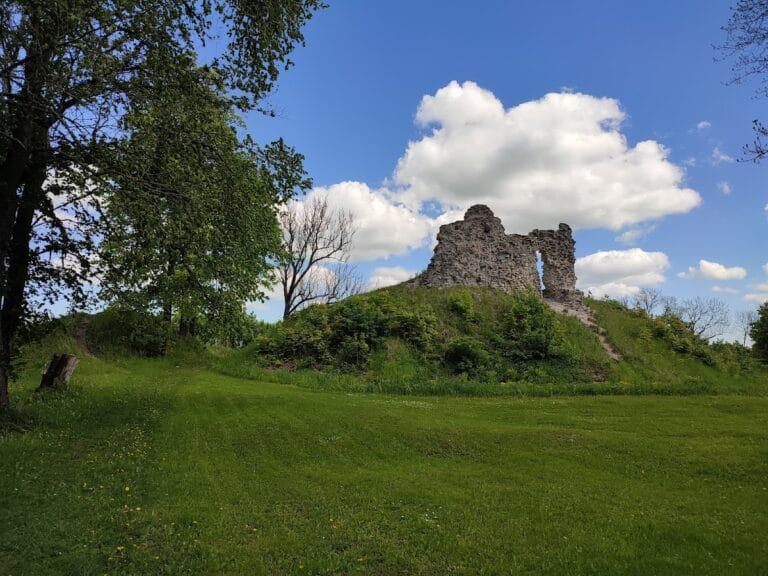
Lihula Castle was a medieval stronghold and shared center of ecclesiastical and military power in western Estonia. Built in stone between 1238 and…
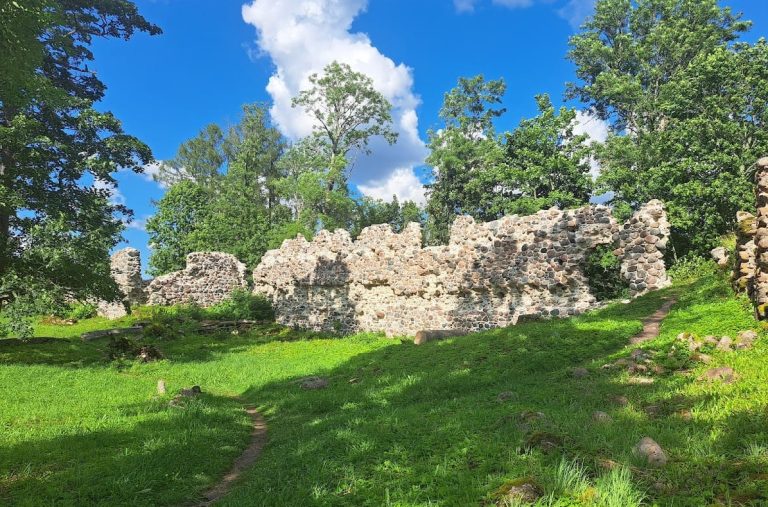
Helme Castle was a fourteenth-century Livonian Order fortress in southern Estonia, later an administrative centre under Polish rule before its…
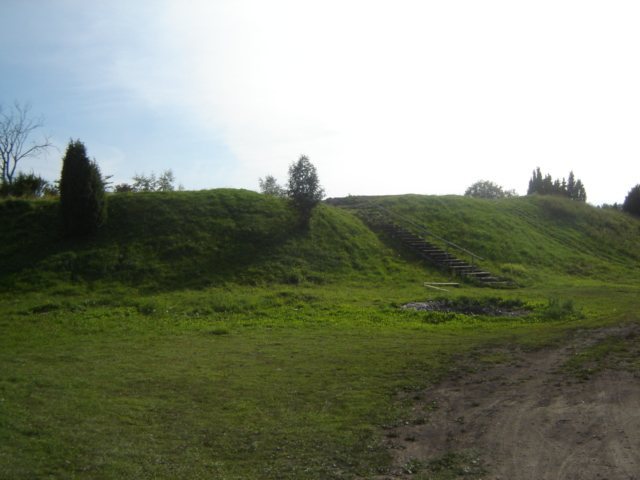
Valjala Stronghold was the principal fortress of the Oeselians on Saaremaa. Established in the twelfth century, it played a decisive role in the 1227…
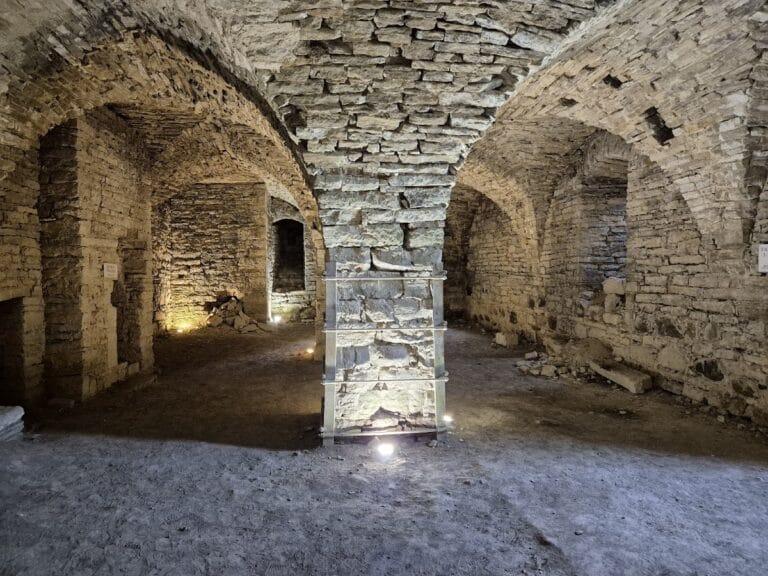
Maasilinna Castle was a Livonian Order administrative centre, vogt’s residence, and frontier fortress on Saaremaa. Built after the St George’s Night…
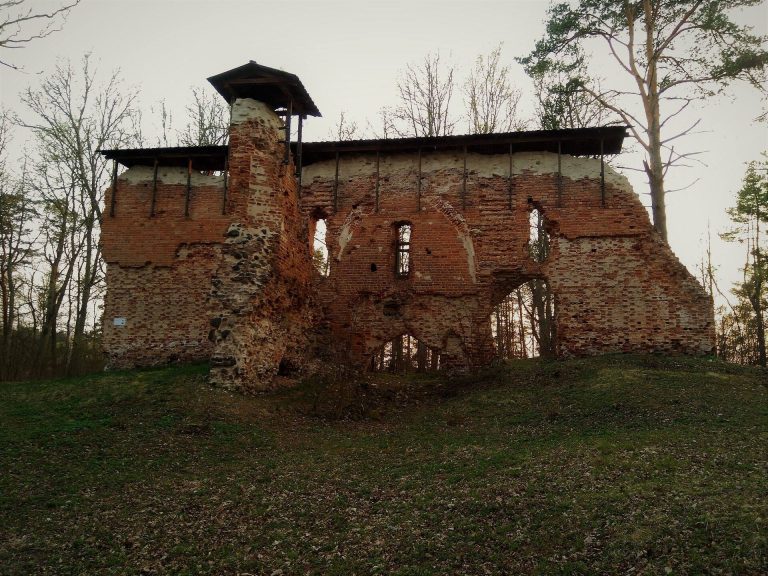
Rõngu Castle was a fourteenth-century vassal fortress of the Bishopric of Dorpat, later occupied during the Livonian War and used by Jesuits before…
For details on how to use the maps, which sites are included, how popularity and ratings are determined, and how sites are classified, see the help page.
On this page5 sections
Hermann Castle: courtyard wings and riverfront tower
Hermann Castle stands on the western bank of the Narva River. Massive wings enclose a central courtyard, an arrangement developed by the Livonian Order to combine its communal residence and administration with a strong defensive boundary. Forecourts extended the complex, including space where civilians could shelter during war.
The principal tower was raised in stages, eventually providing an observation point over Ivangorod Fortress on the opposite bank. The castle suffered severe damage during the Second World War, especially to the tower, and the standing complex includes substantial restoration. Its courtyard plan retains the organization of the medieval stronghold even where roofs and upper structures have been rebuilt.
Toompea Castle: medieval towers and government buildings
Toompea Castle occupies the steep-sided hill in Tallinn. Surviving medieval towers and defensive masonry stand alongside an eighteenth-century governor’s palace and a twentieth-century parliament building. These are distinct building phases within the same protected hilltop site.
The governor’s palace introduced a formal facade and administrative accommodation, replacing or altering parts of the earlier enclosure. The parliament building was subsequently constructed on the foundations of the medieval convent house. Its Expressionist interior belongs to the twentieth century, while surviving towers preserve the older fortress outline. Toompea therefore offers a particularly clear sequence from military and residential use to purpose-built government rooms.
Fortified manors and turreted estate residences
Purtse Castle is much smaller: a fortified manor arranged over three principal levels. Storage occupied the bottom, living rooms the middle and defence the top. The residential floor contained a large room with a beam ceiling and two smaller vaulted rooms, heated by a system in the basement.
An elevated entrance was formerly reached by a removable ladder. This protected access while leaving several rooms available for household life. The upper defensive floor and tower were reconstructed during the restoration of 1987–1990 after the original upper level had been lost. The visible building thus combines surviving domestic spaces with reinstated defensive elements.
Alatskivi Castle uses a different kind of castle architecture. Its asymmetrical wings, turrets and slate roofs belong to a nineteenth-century residence influenced by Scottish baronial design. These features were part of an aristocratic house rather than a medieval defensive system.
The residence forms the centre of a larger estate. Surviving buildings include accommodation for estate workers, stables, a forge, a laundry and a cheese cellar. Parkland and water features connect the house to that wider setting, extending its interest beyond the turreted facade.
Patarei: coastal battery and former prison
Patarei Sea Fortress was completed in 1840 as part of Tallinn’s coastal defences. It later served as barracks before conversion into a prison in the early twentieth century. The large enclosed complex beside the bay therefore belongs to a much later military building tradition than the medieval courtyard castles.
Cells, corridors, courtyards and execution rooms survive in its eastern wing. The prison was used for political repression under Soviet rule and also operated during the German occupation. Those later functions are essential to understanding the surviving interior spaces, alongside the building’s original role as a coastal battery.
Explore the collection
Explore sites on the map or in the grid. Map icons reflect each site’s primary function, helping you identify different kinds of places at a glance. Narrow this collection by primary function, by a site type within the castle and residence group, or by civilization and era. Additional filters cover popularity and rating. Select a map marker to view the site’s details and open its article, or open the article from its grid entry.