Castles in Czechia: Explore Gothic Strongholds, Vaulted Halls and Grand Palaces
Castles in Czechia include compact Gothic strongholds, royal residences with large vaulted halls, and châteaux whose rooms and gardens developed long after their medieval origins. Stone towers and guarded approaches remain prominent at some sites; elsewhere, formal courtyards, carved timber interiors or artillery defences provide the main architectural interest.
The map brings these castles together with palaces, forts and other residences in the wider castle group. The examples below show how their layouts differ, from a stronghold among sandstone valleys to a nineteenth-century residence modelled on Tudor architecture.
Primary Function: All
Type: All
Civilization: All
Popularity: All
Rating: All
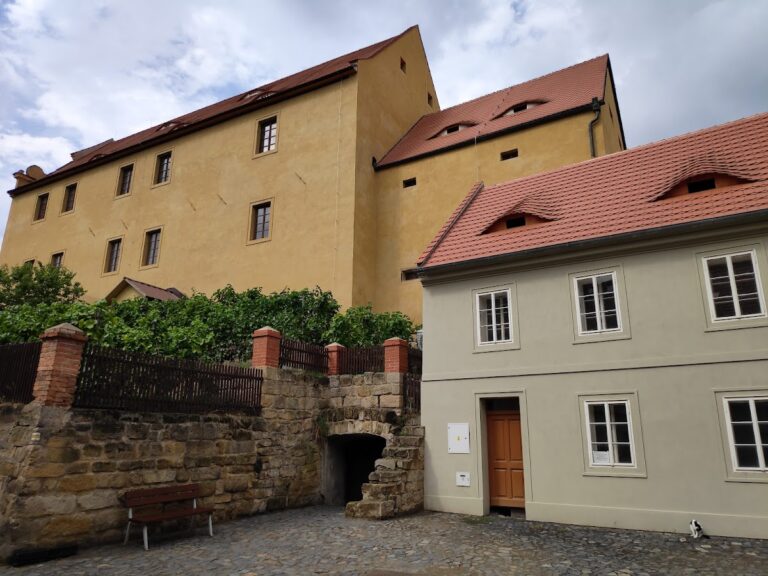
Úštěk Castle developed from a fifteenth-century Gothic residence into a fortified urban complex and later a malt house, reflecting the changing…
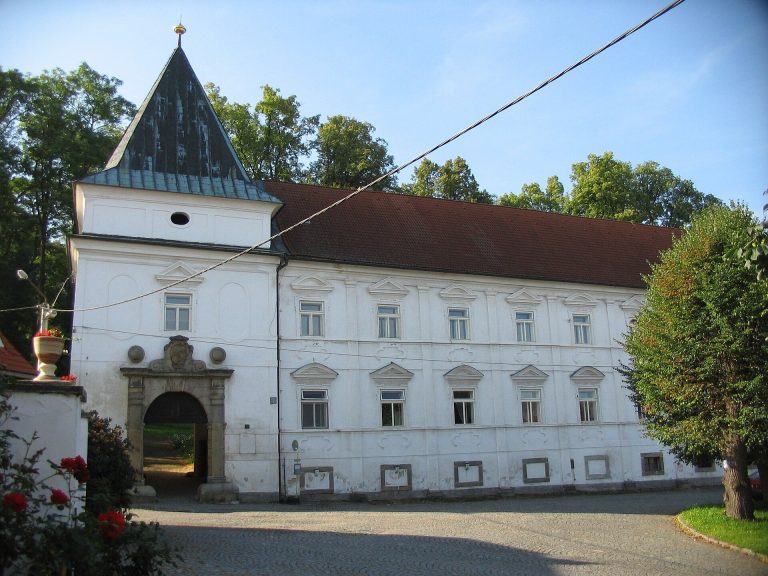
Žihobce Castle in Czechia developed from a medieval fortified manor into a Baroque residence. Its history includes destruction during the Hussite…
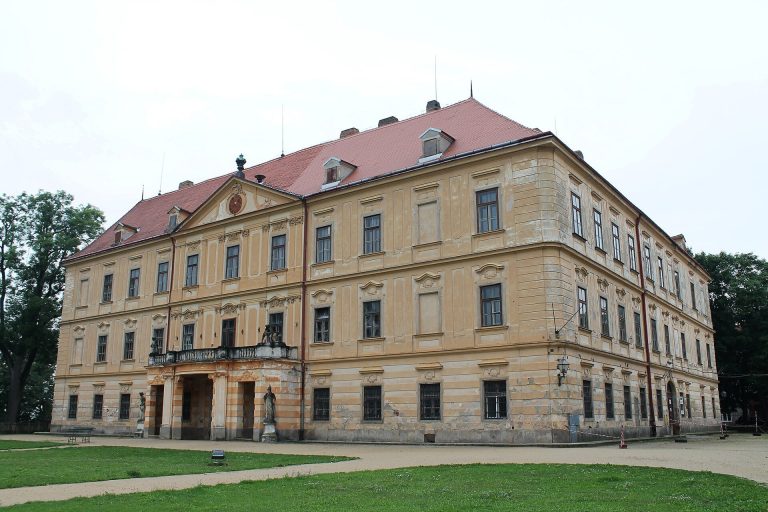
Jemnice Castle in Czechia developed from a medieval royal fortress into a Renaissance chateau and later a Baroque and Neo-Rococo aristocratic…
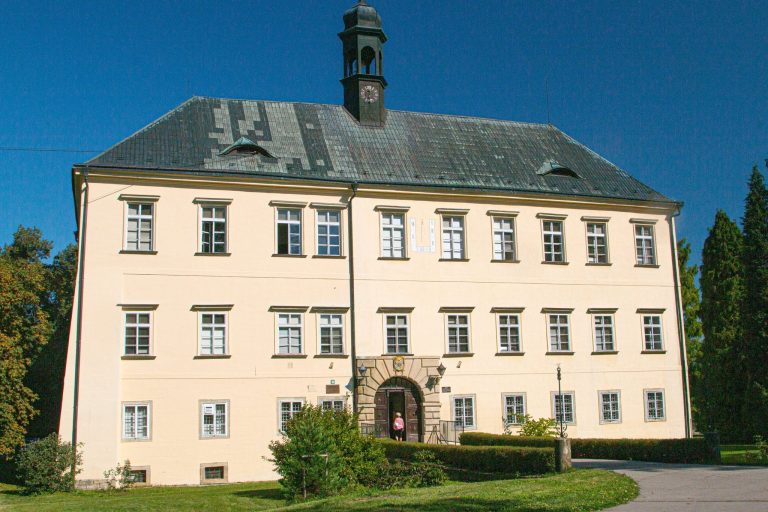
Kopidlno Castle developed from a medieval water fortress into a Renaissance château and later a four-wing residence of the Šlik family. Its estate…
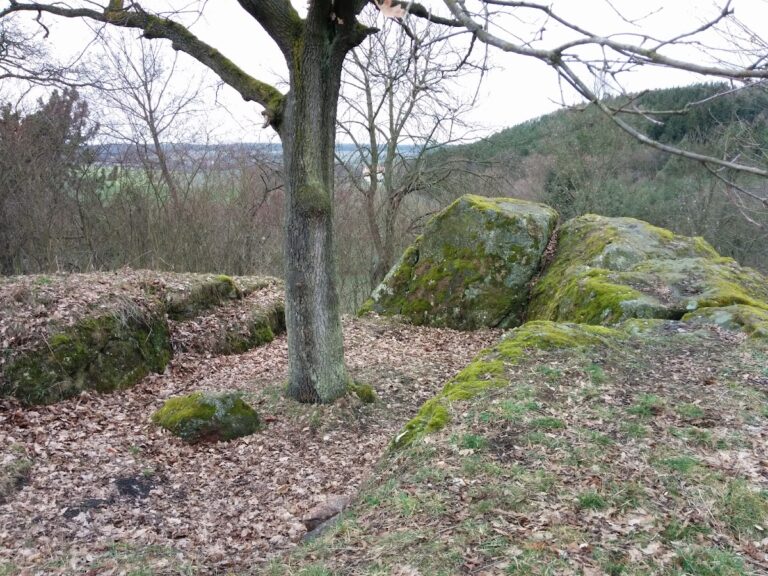
Komberk was a medieval castle above the Čeminský stream, occupied by several noble families and monasteries before its probable abandonment in the…

Castle Šenkenberk was a thirteenth-century Romanesque-Gothic fortress in the Jevišovice Hills, whose ownership passed among several noble families…
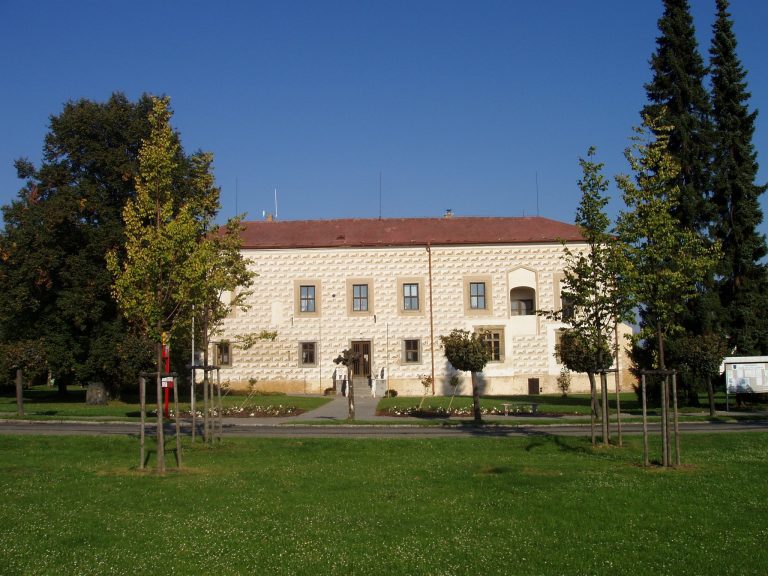
Suchdol developed from a fourteenth-century Gothic fortress founded by wealthy burghers of Kutná Hora into a Renaissance and Baroque manor residence.…
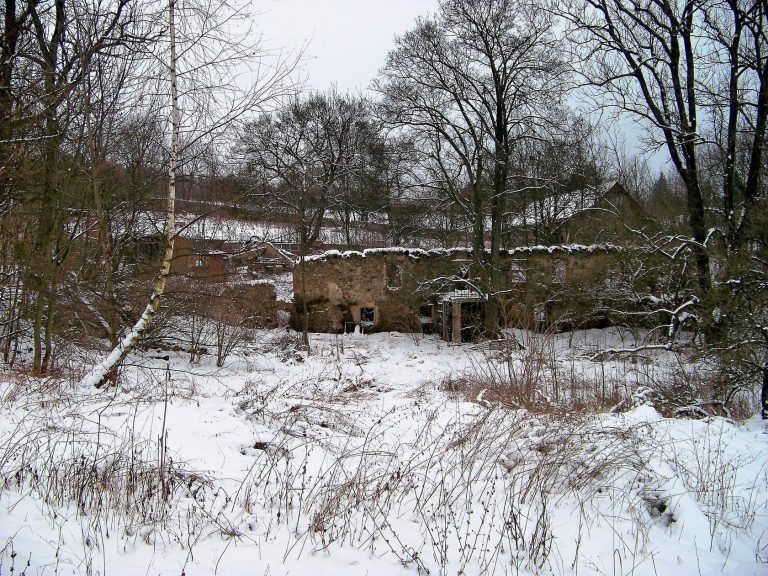
Včelní Hrádek developed from a medieval fortress into an eighteenth-century chateau and later an excursion estate near Jílové. Its ruins,…
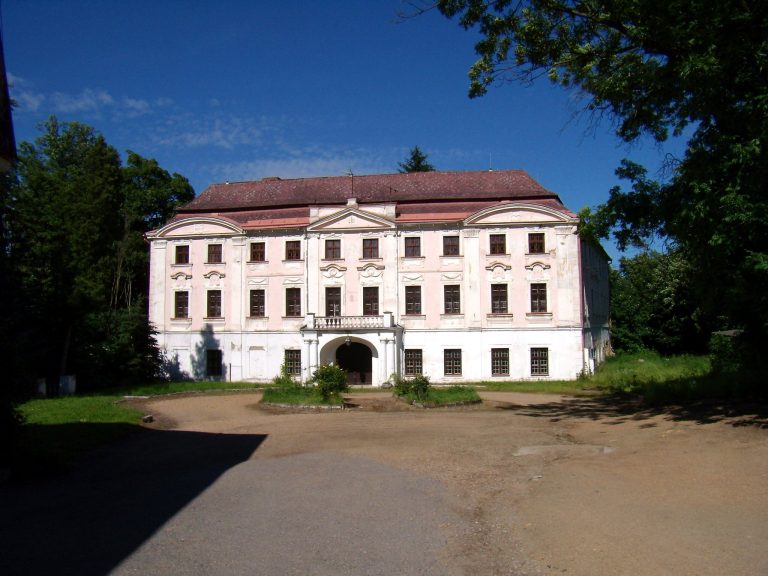
Zvíkovec Château developed from a medieval manorial seat into a Baroque residence and later received Neoclassical alterations. Its history includes…
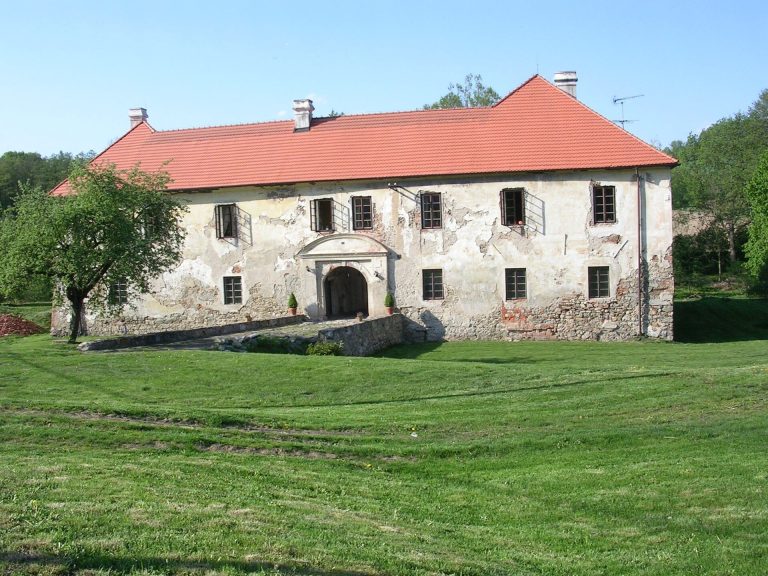
Jemniště developed from a Gothic water fortress into an estate chateau and later an administrative seat. Its surviving buildings preserve medieval,…
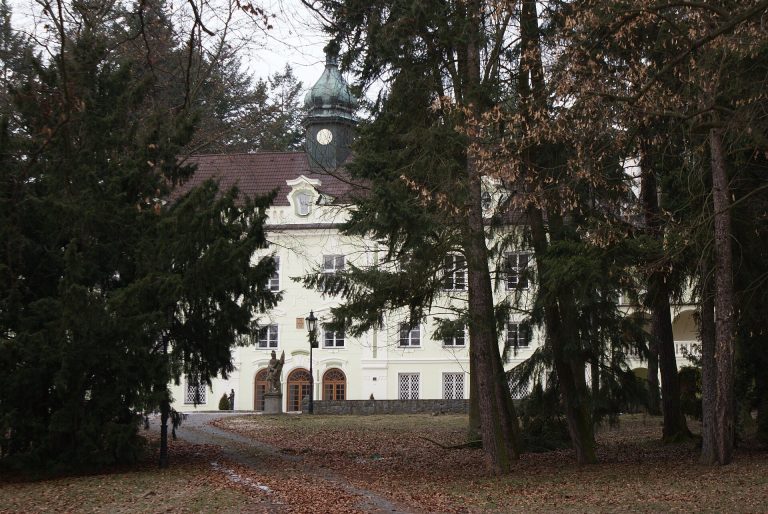
Zalužany Castle developed from a Gothic fortified manor into a Renaissance and later Baroque residence. Its history reflects changing noble…
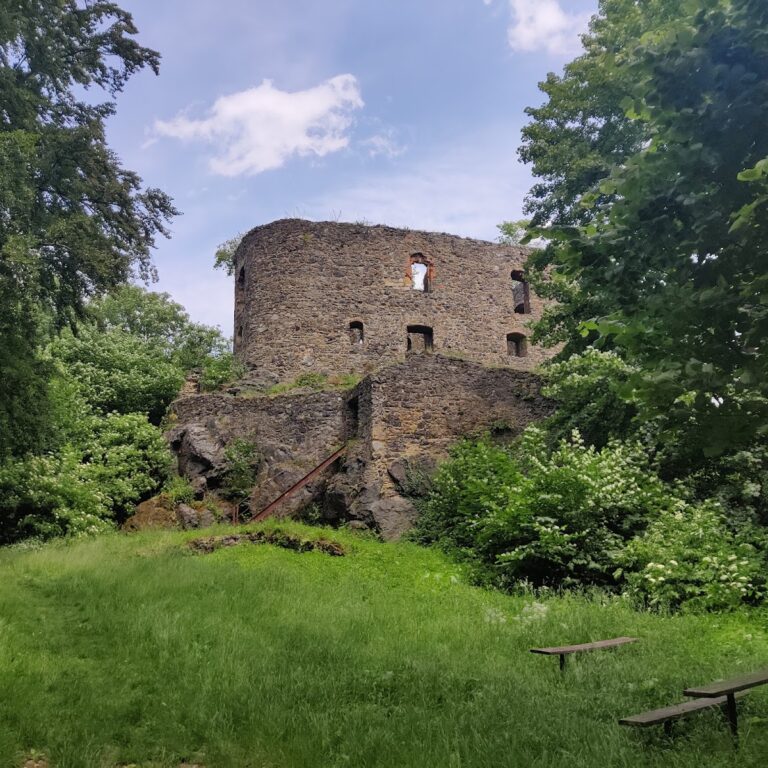
Castle Vlčtejn is a medieval castle ruin in Czechia whose history includes Rosenberg administration, Hussite conquest, and the 1450 agreement between…
For details on how to use the maps, which sites are included, how popularity and ratings are determined, and how sites are classified, see the help page.
On this page5 sections
Rocky strongholds and water defences
Kost Castle stands on a sandstone spur where three valleys meet. Ponds strengthened the surrounding defences, and the approach was redirected to wind around the rock through successive gates. A tall residential tower dominates the inner enclosure, with palace buildings fitted along its walls. The combination of water, changes of direction and separate entrances made the approach more complicated than a direct ascent to one gateway.
Loket Castle occupies a rocky promontory and retains a mixture of Romanesque and Gothic buildings. Its main tower and Margrave’s House belong to the older components, while later owners enlarged the halls and domestic ranges. A Gothic oriel and surviving painted decoration accompany the more explicitly defensive masonry. Water from a courtyard well was distributed through a passage within the complex, serving the residence as well as the garrison.
Křivoklát: royal halls and vaulted passages
At Křivoklát Castle, a lower enclosure and smaller upper castle occupy an irregular spur. A large circular tower guards the more exposed end, while residential ranges and internal walls divide the remaining space. A vaulted gateway through a palace building controls movement into the upper castle.
The great hall has pointed windows and a substantial ribbed vault, giving the residence an architectural scale beyond its towers. Other palace rooms use barrel and cross vaults, and a chapel forms part of the residential group. Křivoklát is particularly useful for seeing how formal halls, smaller rooms and defensive passages could occupy the same royal stronghold.
Špilberk: Baroque defences and prison casemates
Špilberk Castle above Brno was surrounded by a Baroque defensive system of bastions, masonry ditches and protected chambers. Its two-storey casemates were built for military shelter and storage before parts were adapted as prison accommodation. These enclosed spaces explain a different phase of the site’s history from the medieval castle at their centre.
Much of the present building complex dates from the nineteenth-century prison conversion. Medieval fabric survives principally in the eastern wing, whose visible Gothic treatment also includes modern reconstruction. The deepened castle well and adjacent rainwater cistern supplied the expanded complex, while the casemates preserve the change from military infrastructure to confinement.
Palaces and decorated residential interiors
Valtice Castle developed into a Baroque residence with decorated rooms, a grand staircase, chapel and theatre. Riding facilities, stables and service ranges supported the household. The theatre occupies the site of an earlier carriage house and has undergone modern restoration and rebuilding. The standing palace is therefore best understood through its later residential and ceremonial spaces, rather than as an intact medieval fortress.
Hluboká Castle takes a different approach to aristocratic display. Its nineteenth-century Tudor Gothic design was modelled on Windsor Castle, with numerous towers and two courtyards. Elaborately carved wood covers ceilings, doors and picture frames, while the library has a coffered ceiling brought from another Schwarzenberg residence.
Hluboká’s towers belong to this later architectural design. The carved interiors, orangery and surrounding landscape park are integral to the residence, making it a useful counterpart to the older defensive towers and stone halls elsewhere in the collection.
Explore the collection
Explore sites on the map or in the grid. Map icons reflect each site’s primary function, helping you identify different kinds of places at a glance. Narrow this collection by primary function, by a site type within the castle and residence group, or by civilization and era. Additional filters cover popularity and rating. Select a map marker to view the site’s details and open its article, or open the article from its grid entry.