Babylonian Sites: Explore Cities, Temples and Ziggurats
Babylonian cities were built largely in earth and brick, materials that survive as both substantial tower cores and low archaeological remains. This collection includes Babylon itself, neighboring sacred centers and the capital founded by a Kassite king. Their buildings belong to different phases of Babylonian history rather than one construction period.
Primary Function: All
Type: All
Country: All
Popularity: All
Rating: All
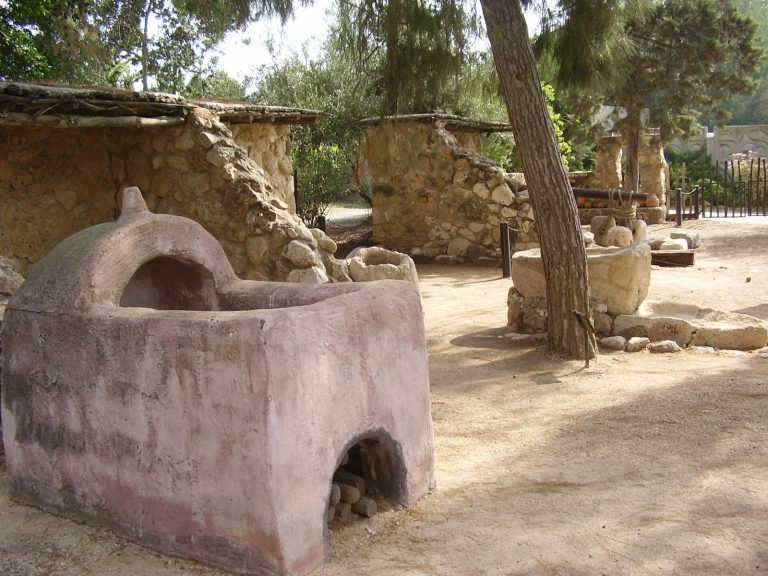
Ekron grew from a Canaanite settlement into a major Philistine city and an Assyrian-period olive-oil center. Its remains at Tel Miqne preserve…
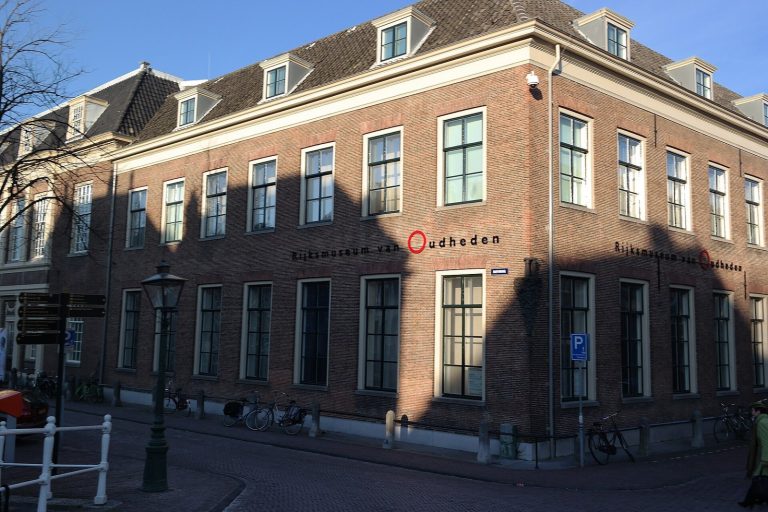
Founded in 1818, the National Museum of Antiquities Leiden grew from Leiden University’s antiquities collection into the Netherlands’ national…
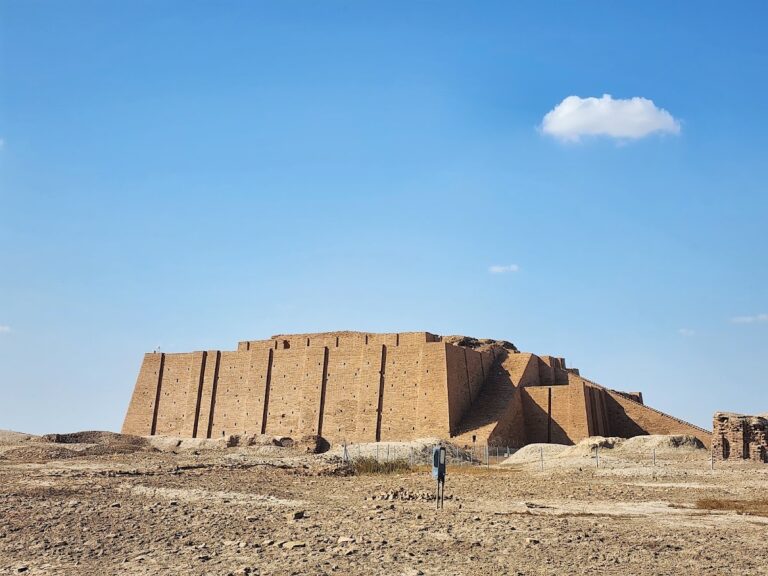
The Ziggurat of Ur is a Neo-Sumerian temple monument begun by Ur-Nammu in the 21st century BC and dedicated to Nanna, the moon god of Ur. Its…
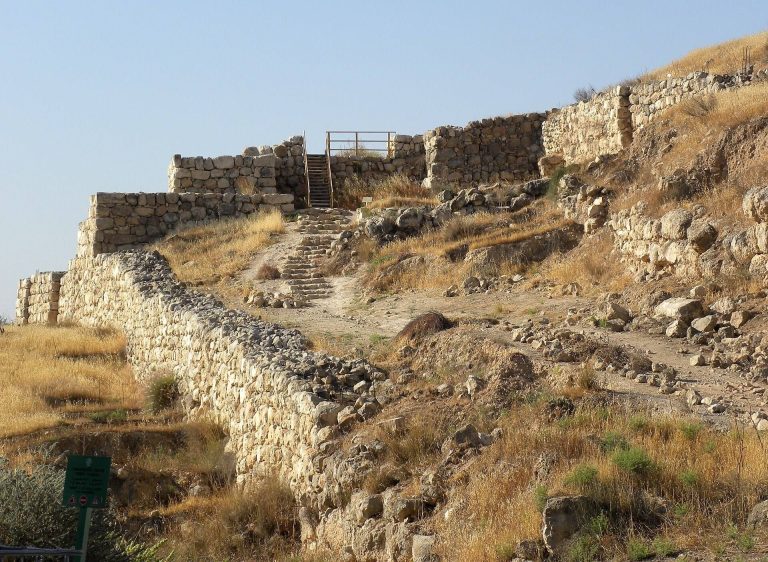
Lachish was a major city of the southern Levant, developing from Neolithic occupation into a fortified Canaanite and Judahite stronghold. Its remains…
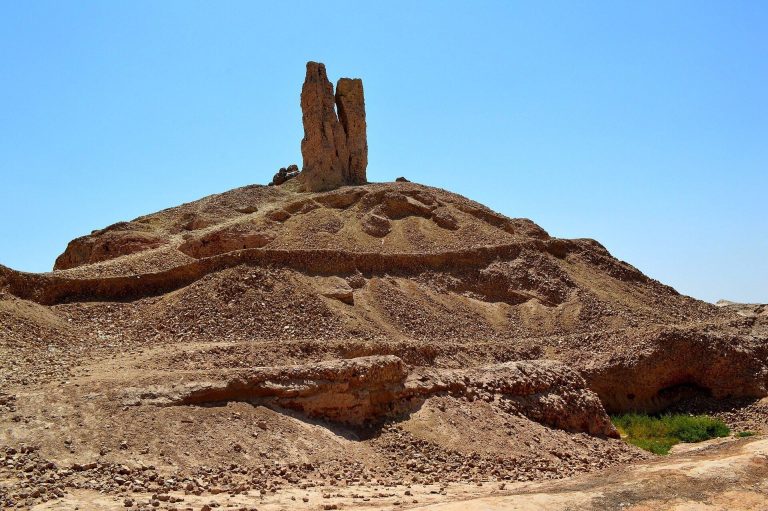
Borsippa was an important city near Babylon, known for the ziggurat of Nabu and the temple complex of Ezida. Its history extends from the late third…
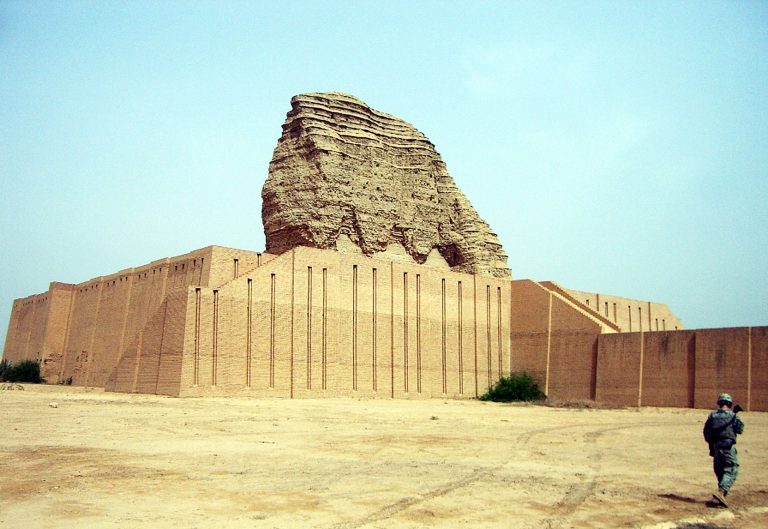
Dur-Kurigalzu was a Kassite capital and religious centre founded by Kurigalzu I in the early fourteenth century BC near Baghdad. Its ziggurat,…
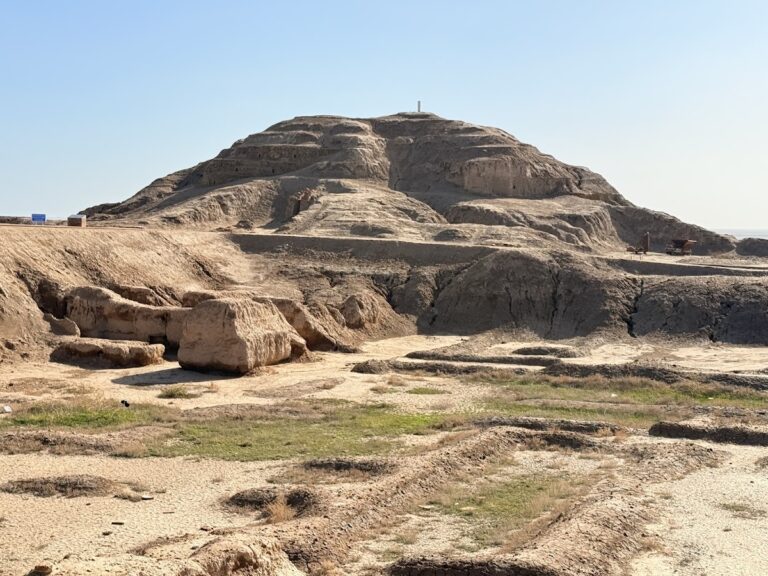
Uruk was a major religious and political center in southern Mesopotamia, influential in the development of urban life, administration, monumental…

Carchemish was a major city and political center on the Euphrates, whose history spans prehistoric settlement, Hittite and Neo-Hittite rule, Assyrian…
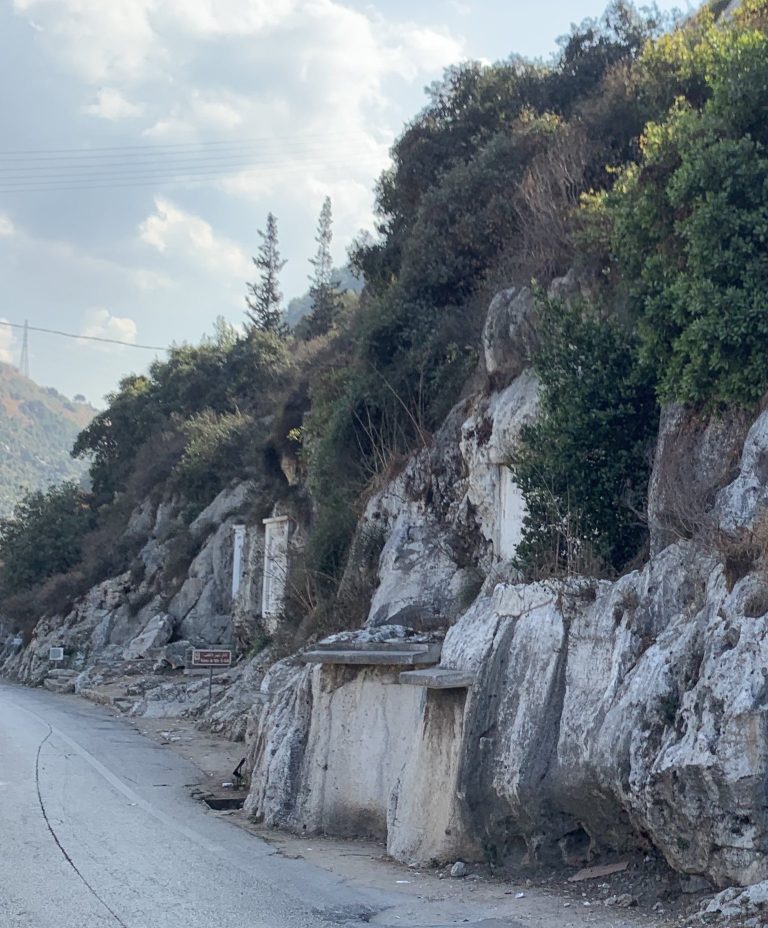
The stelae of Nahr el-Kalb preserve more than 20 inscriptions and rock reliefs carved by Egyptian, Assyrian, Babylonian, Roman, medieval, Ottoman,…
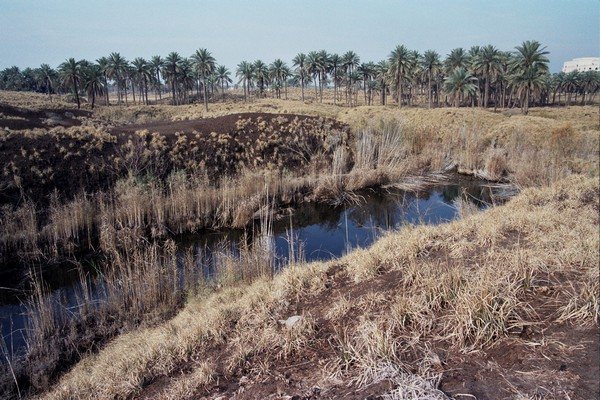
Etemenanki was Babylon’s great ziggurat, associated with the Esagila temple and the worship of Marduk. Rebuilt repeatedly from the second millennium…
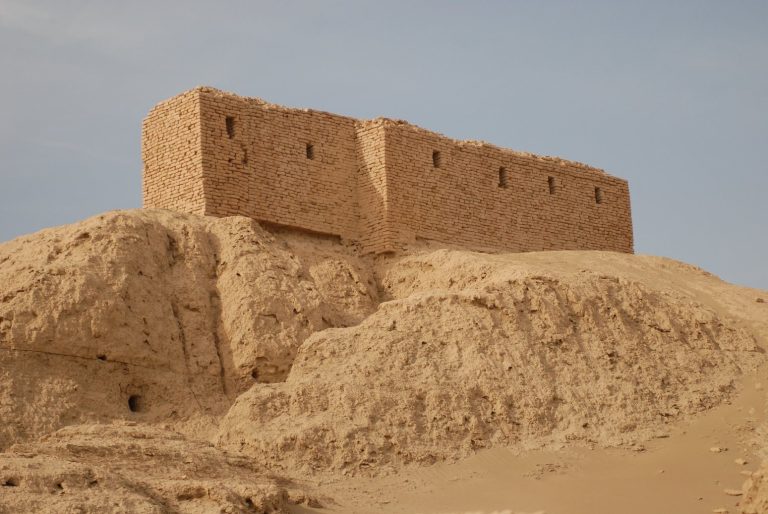
Nippur was the principal cult centre of Enlil and a major religious, administrative, and scribal centre of Mesopotamia. Its excavated temples,…
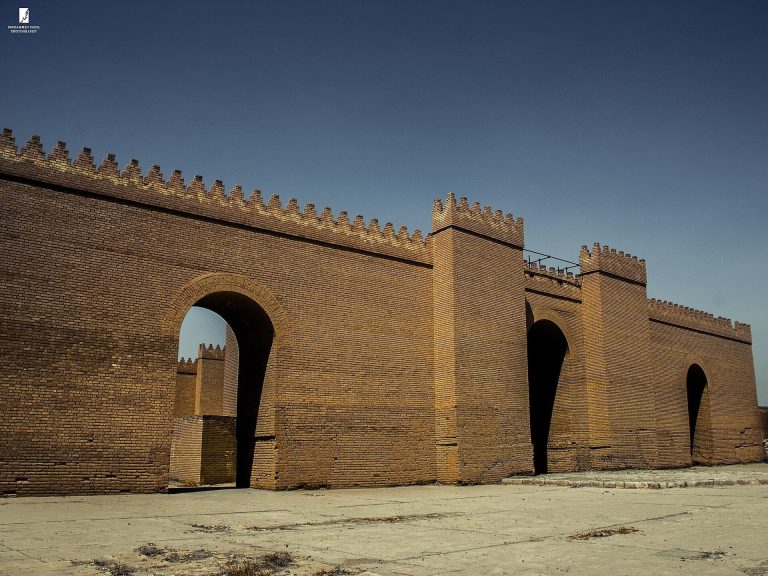
Babylon was a major Babylonian city whose history included the Old Babylonian and Neo-Babylonian periods, later Seleucid rule, Parthian conflict, and…
For details on how to use the maps, which sites are included, how popularity and ratings are determined, and how sites are classified, see the help page.
On this page4 sections
Babylon’s walls and sacred precinct
Babylon preserves the archaeological landscape of a city repeatedly rebuilt over many centuries. Under the Neo-Babylonian kings, particularly Nebuchadnezzar II, major walls, palaces and religious buildings formed an extensive capital. Marduk’s sanctuary occupied a central place in the city’s religious life.
The site’s appearance includes substantial twentieth-century reconstruction above ancient remains. Excavated foundations and original lower masonry therefore need to be distinguished from rebuilt walls. The individual article introduces the principal sacred and defensive structures, while the archaeological plan establishes their relationship within the wider city.
The separately recorded Etemenanki was the ziggurat associated with Marduk’s sanctuary. Its superstructure has disappeared; excavations trace a large square base and parts of the approaches. This is a component of Babylon, not a second independent city. The surviving footprint explains the tower’s position beside the temple precinct without treating reconstructions of its height as standing architecture.
Borsippa’s temple tower
Borsippa, southwest of Babylon, was an important center of the god Nabu. Its ziggurat survives as a high mass of exposed brickwork. An earlier core was enclosed within later construction, and inscriptions record Nebuchadnezzar II’s rebuilding project.
The monument used sun-dried brick internally and fired brick for its outer surface, with bitumen employed in the construction. The damaged core reveals the scale and layered materials of a building whose terraces and upper shrine are no longer complete. Borsippa therefore offers a more substantial vertical remnant than Etemenanki, although neither preserves its ancient finished profile.
The Kassite royal center at Dur-Kurigalzu
Dur-Kurigalzu, near Baghdad, was founded by a Kassite king of Babylon in the early fourteenth century BC. Its ziggurat rises above an archaeological city containing palace, temple and residential sectors. The tower was dedicated to Enlil, and stamped bricks name its royal builder.
The prominent eroded core and reconstructed lower elements belong to different stages of the monument’s survival and presentation. Around it, excavations have identified buildings serving royal, religious and domestic functions. This foundation predates Nebuchadnezzar’s Babylon by centuries and gives the collection a distinct Middle Babylonian example.
Explore Babylonian remains
Use the map and grid to locate the cities and their individual monuments. Open an article for its historical phase, surviving fabric and restoration history; entries for parts of a large complex can describe different structures at the same location.