Starý Rybník Castle: A Medieval Castle Ruin in Czechia
Site at a Glance
- Rating
- 4.4
- Popularity
- Very Low
- Country
- Czechia
- Primary era
- Medieval
- Eras represented
- Medieval, Early Modern, Modern
- Civilizations
- Habsburg, Holy Roman Empire
- Site type
- Military
- Remains
- Castle
On this page8 sections
History
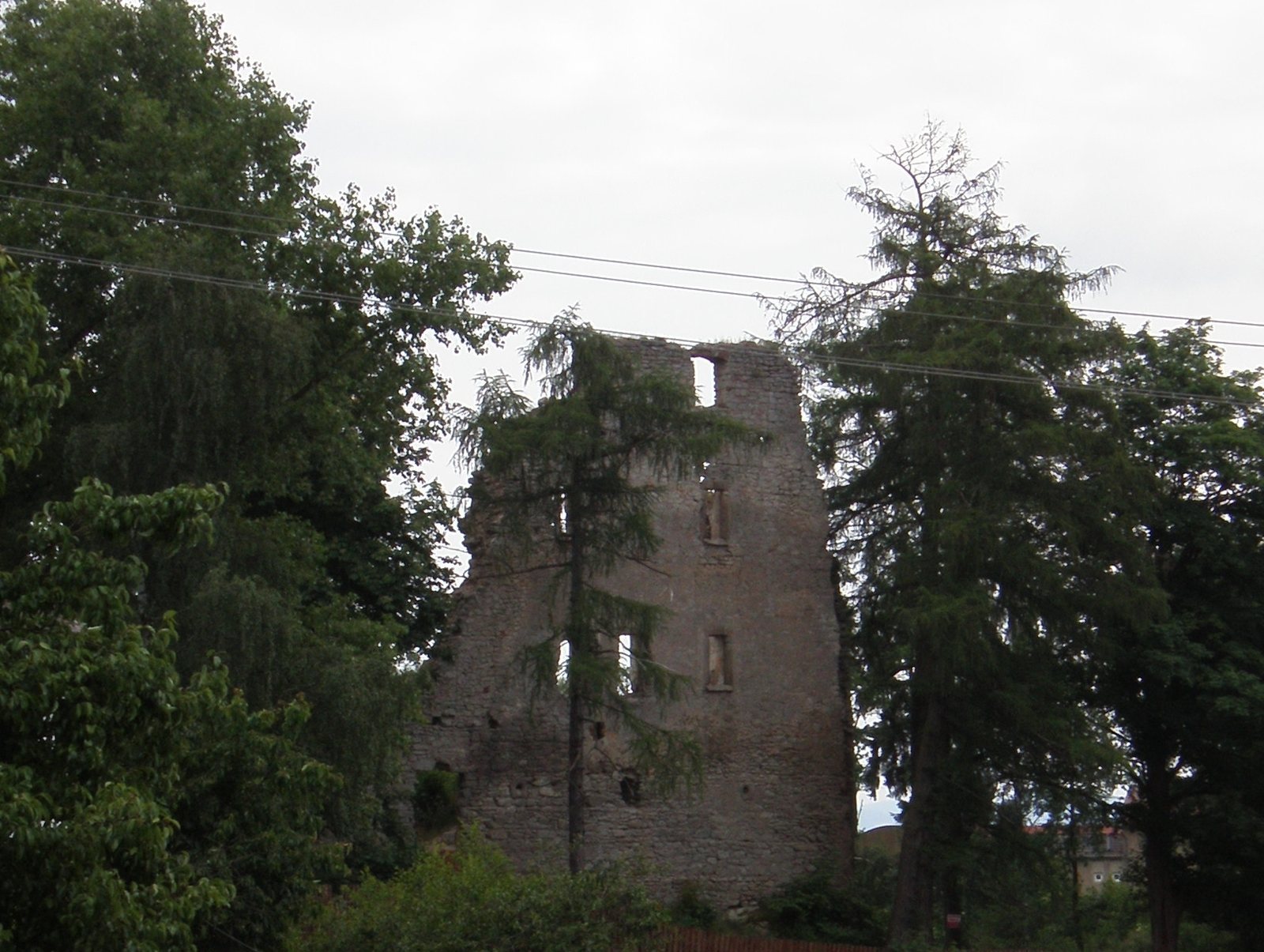
Starý Rybník Castle is a ruined medieval castle in Czechia, at the edge of Starý Rybník village, now part of Skalná in the Cheb District. It was probably built during the second half of the fourteenth century and was first recorded in 1364, when it belonged to Johann Rabe von Mechelgrün. The Rabe family also held nearby Wildstein Castle.
Medieval development
By around the middle of the fifteenth century, the castle had been rebuilt in the Late Gothic style, the later medieval Gothic tradition known for complex structural forms and elaborate decoration. Until the sixteenth century, various citizens of Cheb held the castle.
Renaissance ownership and alterations
During the sixteenth century, the castle underwent several alterations influenced by the Renaissance, a European period that revived classical forms and emphasized symmetry, proportion, and ornament. The Lords of Wirsperg held the property from 1550 to 1594. The Trautenbergs, Perglers of Perglas, and Wilhams later held it, while the ownership record also includes the Gumerauer and Brambach families before the Wirsperg period and the Hartenbergs after the Trautenbergs.
Fire, abandonment, and protection
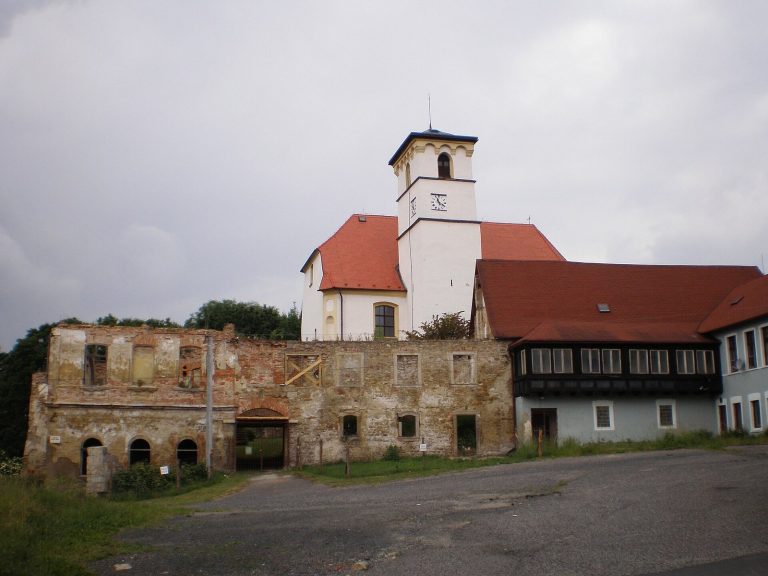
Jan Georg Wilhelm von Helmfeld, a regional nobleman and landowner, acquired the estate in 1787. After the castle burned in 1792, the owners moved to a nearby palace. The castle then ceased to serve as a residence, although economic activities continued in its northern section, and the structure gradually fell into ruin.
A replacement palace was built in the Empire style between 1823 and 1826. This early nineteenth-century neoclassical style used monumental forms, symmetry, and decorative motifs derived from ancient Rome and imperial imagery. Helmfeld’s descendants retained the estate, which included Starý Rybník, Velký Rybník, Mattelberg, and additional farms in surrounding villages, until 1945. The castle ruin and its complex have been protected as a cultural monument since 1963.
Remains
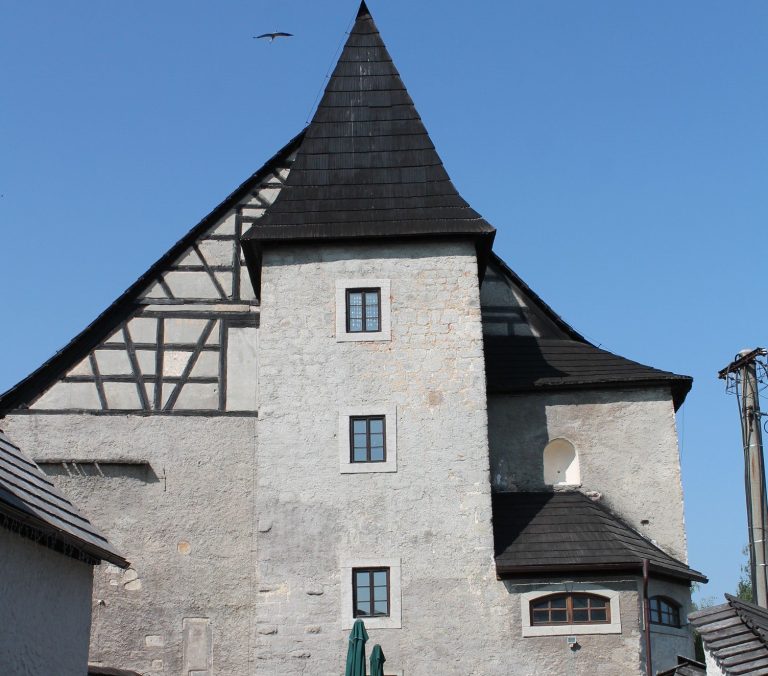
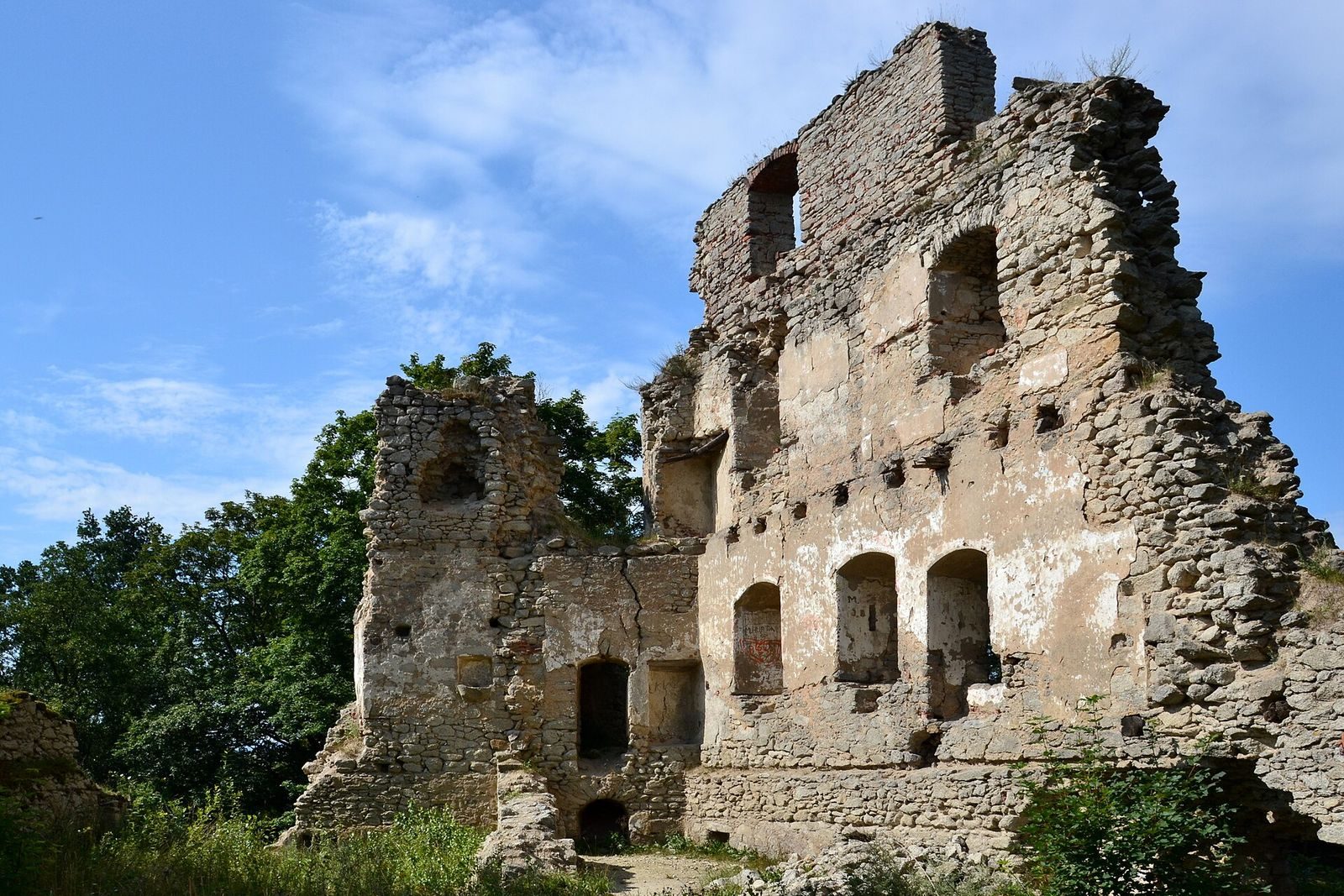
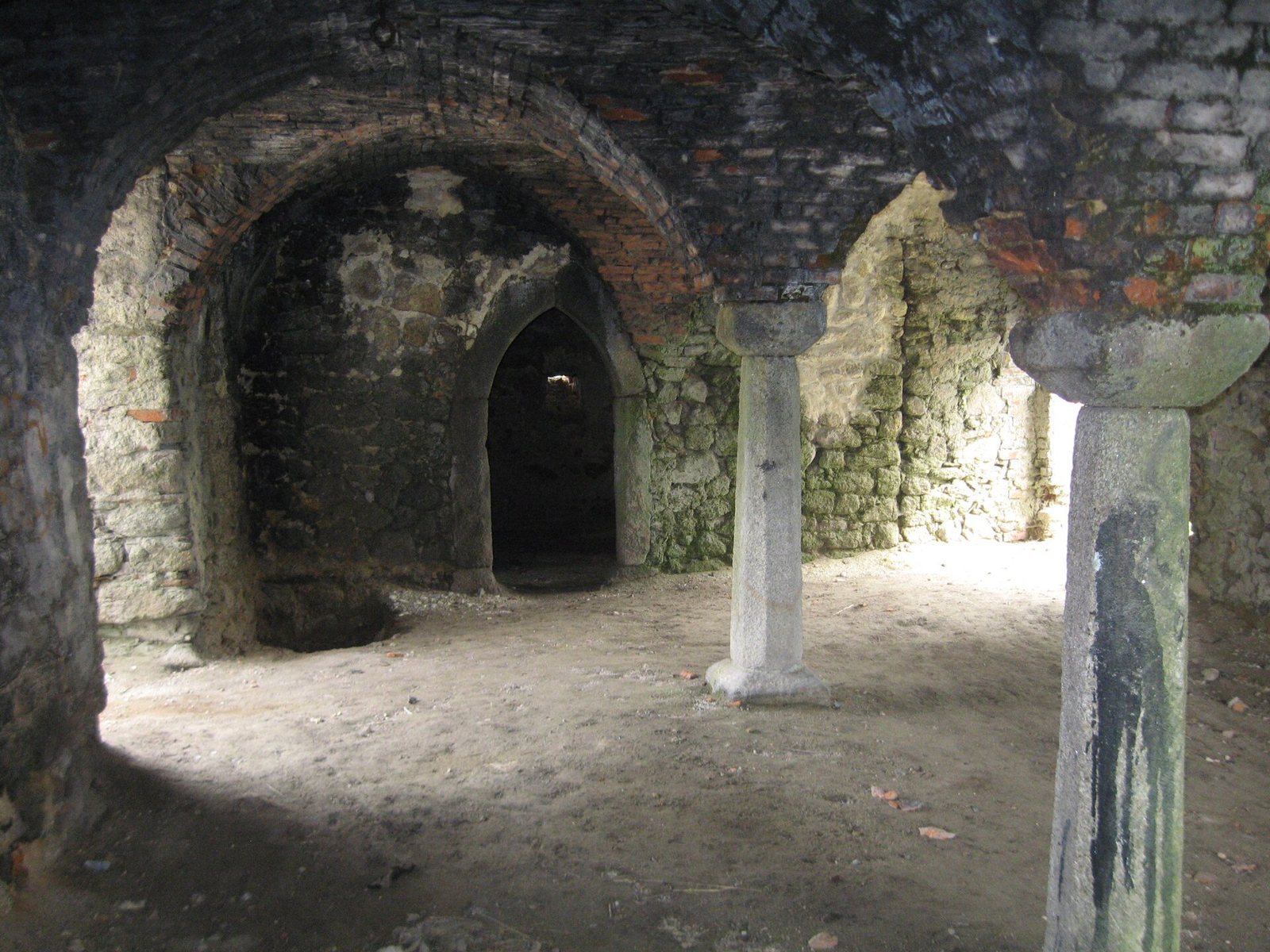
The castle was built on a small rocky ridge between two fishponds. Its central core survives as a ruin, with the defensive approach, entrance structures, and parts of the former residential and fortified buildings still defining the complex.
Entrance and defensive structures
A bridge crossed the castle moat, a defensive ditch surrounding or partly surrounding a fortification, and led toward the central castle. A partially preserved gatehouse stood in front of this bridge. The entrance was set within a wall approximately 1.5 metres thick. The entrance structure was probably originally round, and a tower-like building measuring 8 by 7 metres stood beside it.
Southern building
The southern part of the complex contained an older building described as two-storey with three floors. Its southern wall was reinforced by two semicircular towers. Together with the surviving central ruin and entrance area, this building preserves the layered medieval and early modern development of Starý Rybník Castle.
Replacement palace
The palace built after the castle fire was constructed in the Empire style between 1823 and 1826. It replaced the burned residence and reflects the change in the estate’s use after the castle ceased to function as the owners’ home.