Burg Bosselstein: A Ruined Medieval Hilltop Castle in Germany
Site at a Glance
- Rating
- 4.5
- Popularity
- Very Low
- Country
- Germany
- Primary era
- Medieval
- Eras represented
- Medieval
- Civilizations
- Holy Roman Empire
- Site type
- Military
- Remains
- Castle
On this page6 sections
History
Burg Bosselstein, also known as Burg Stein or Altes Schloss, is a ruined twelfth-century hilltop castle in Oberstein, Germany. It was built around 1197 by the Lords of Stein of Oberstein and was first mentioned in a document from that year.
The castle was no longer inhabited from 1600 onward and subsequently fell into ruin. In 1945, the ruined site became the property of the federal state of Rhineland-Palatinate. Responsibility for Burg Bosselstein currently lies with the General Directorate for Cultural Heritage of Rhineland-Palatinate.
Remains
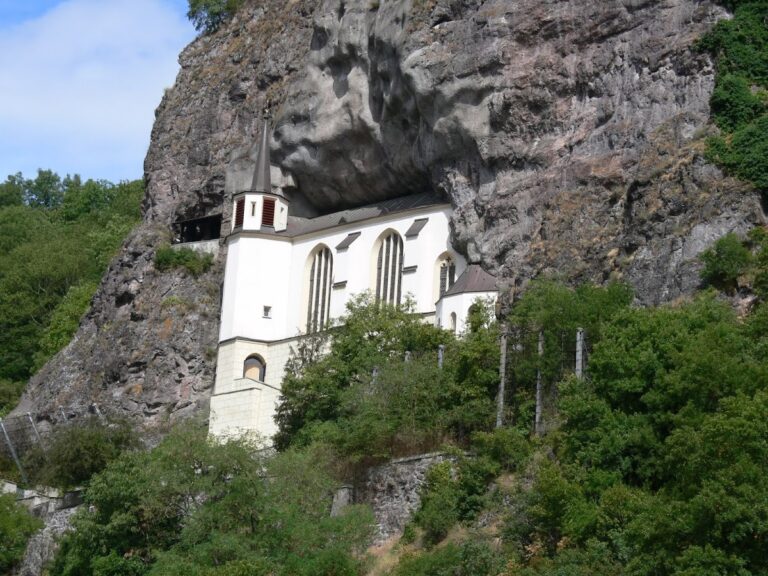
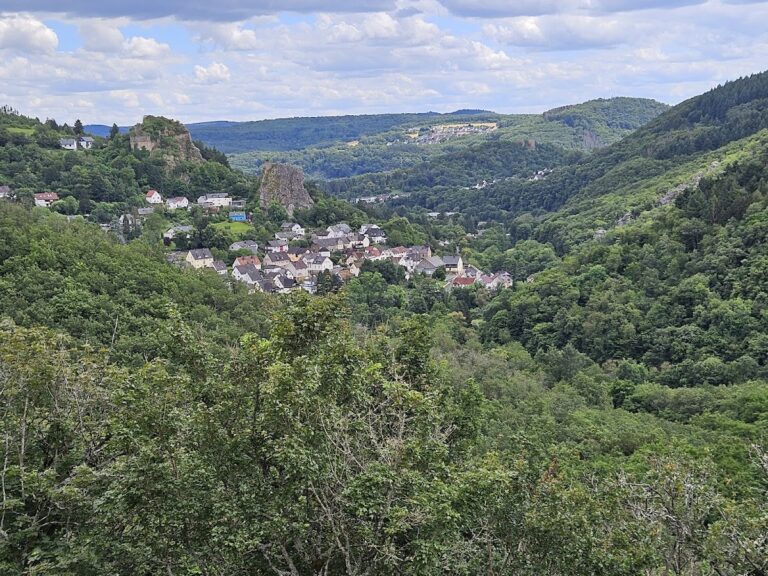
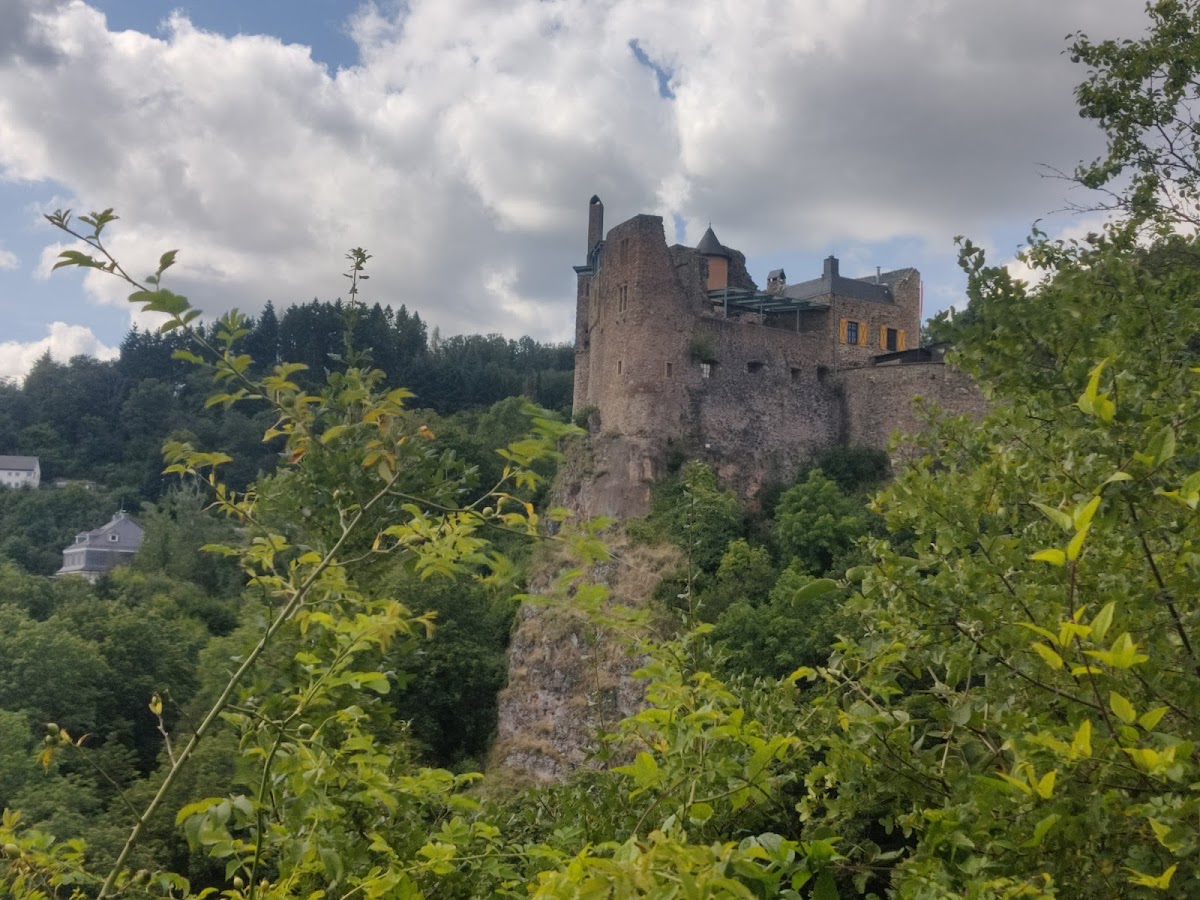
Burg Bosselstein occupies a summit position on Kirchenfelsen, meaning Church Rock, a rugged rocky ridge above the Felsenkirche, or Rock Church. The castle stands above the Nahe valley beside Oberstein Castle, in the Hunsrück, a historic upland region of western Germany. Its surviving fabric consists of the remains of the hilltop fortification and several principal castle buildings.
Surviving castle structures
Round tower
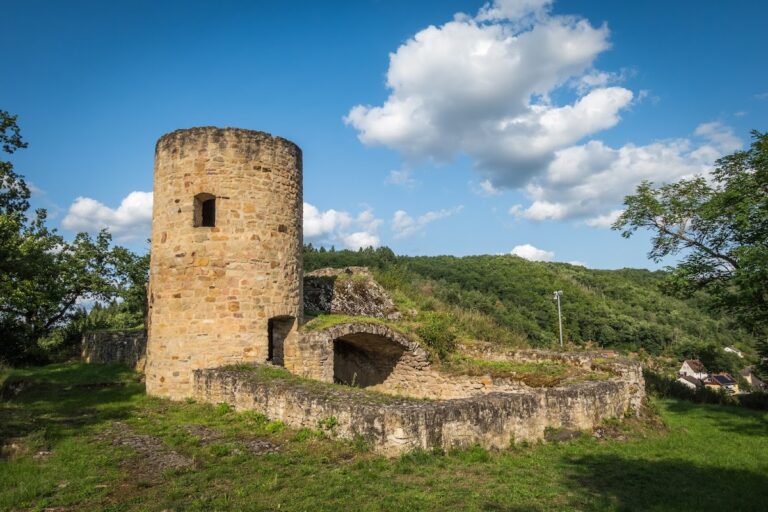
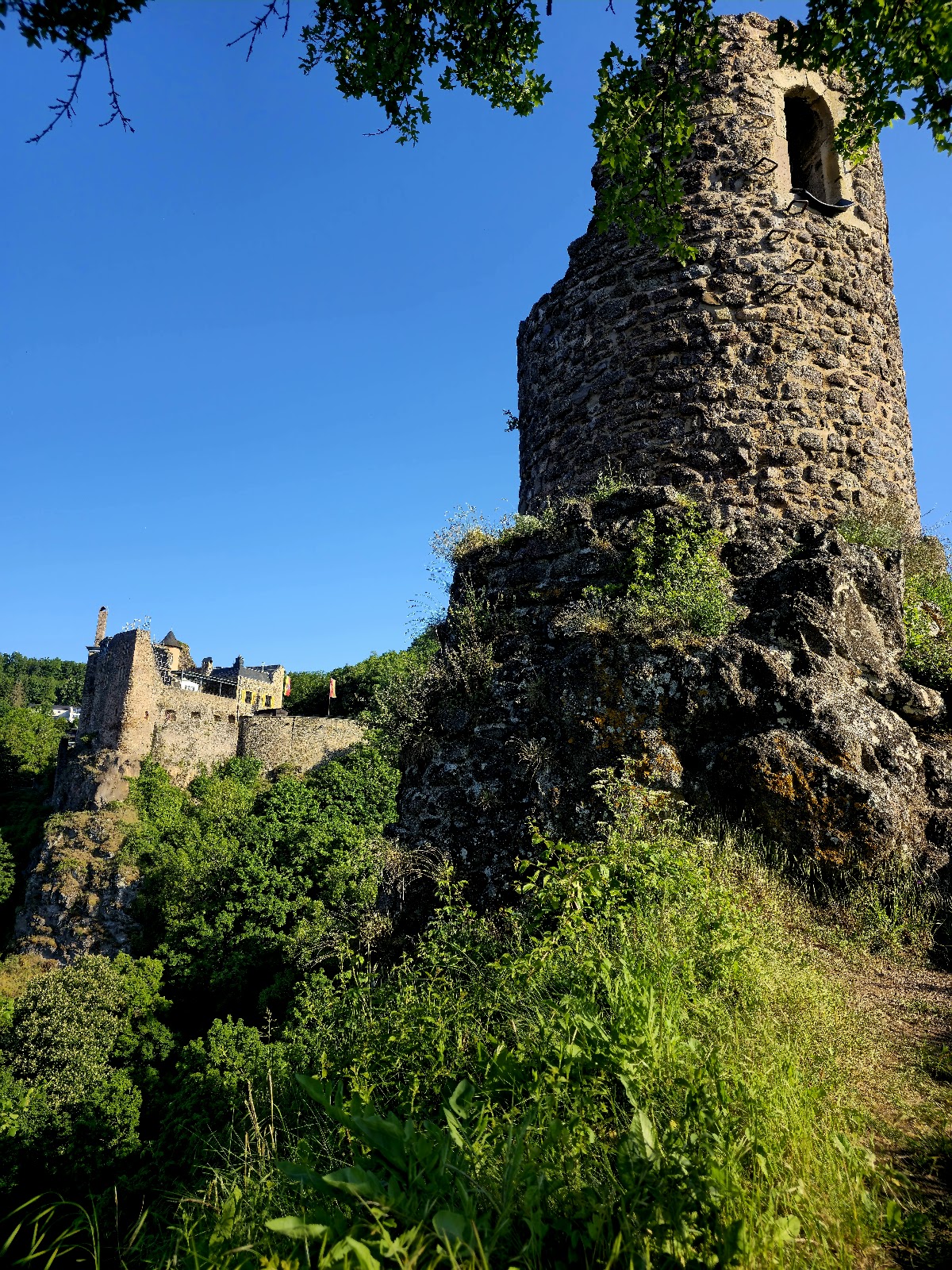
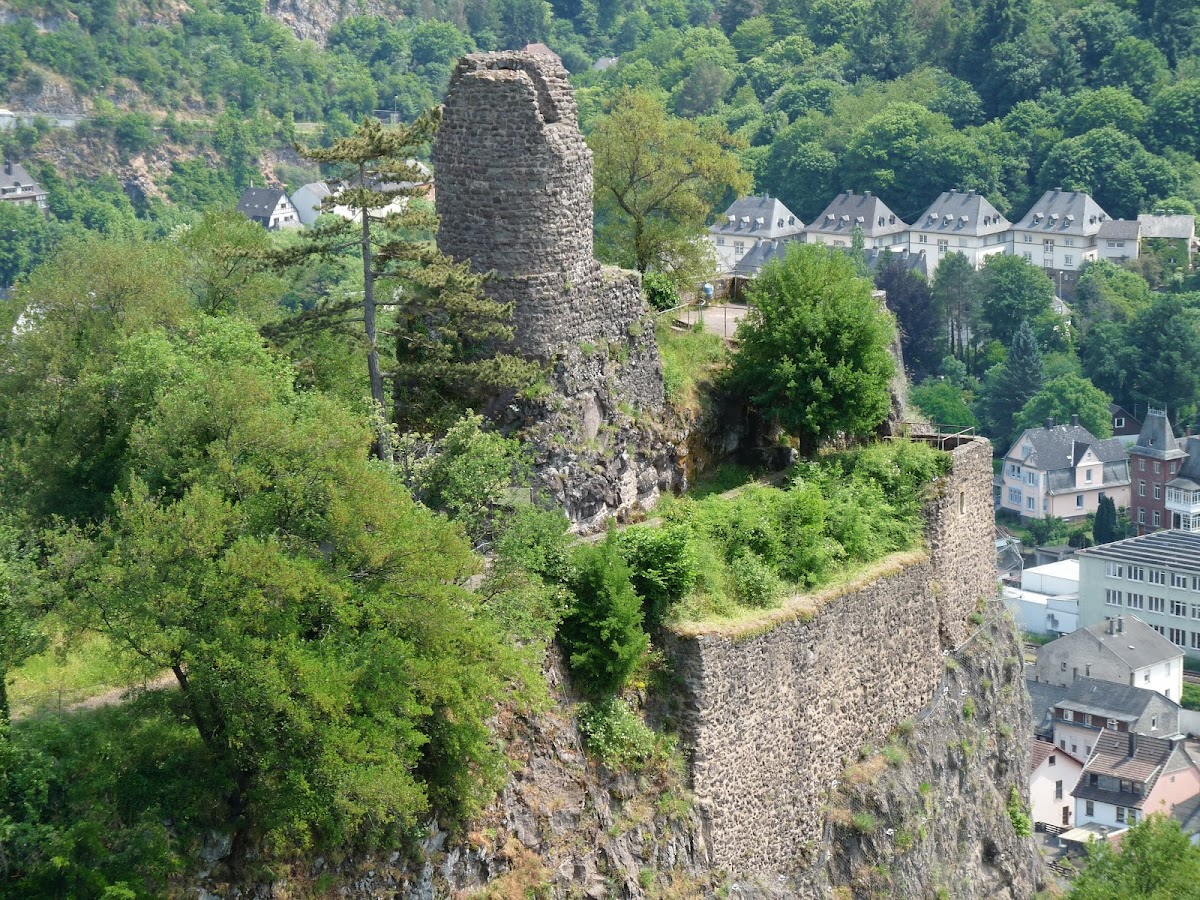
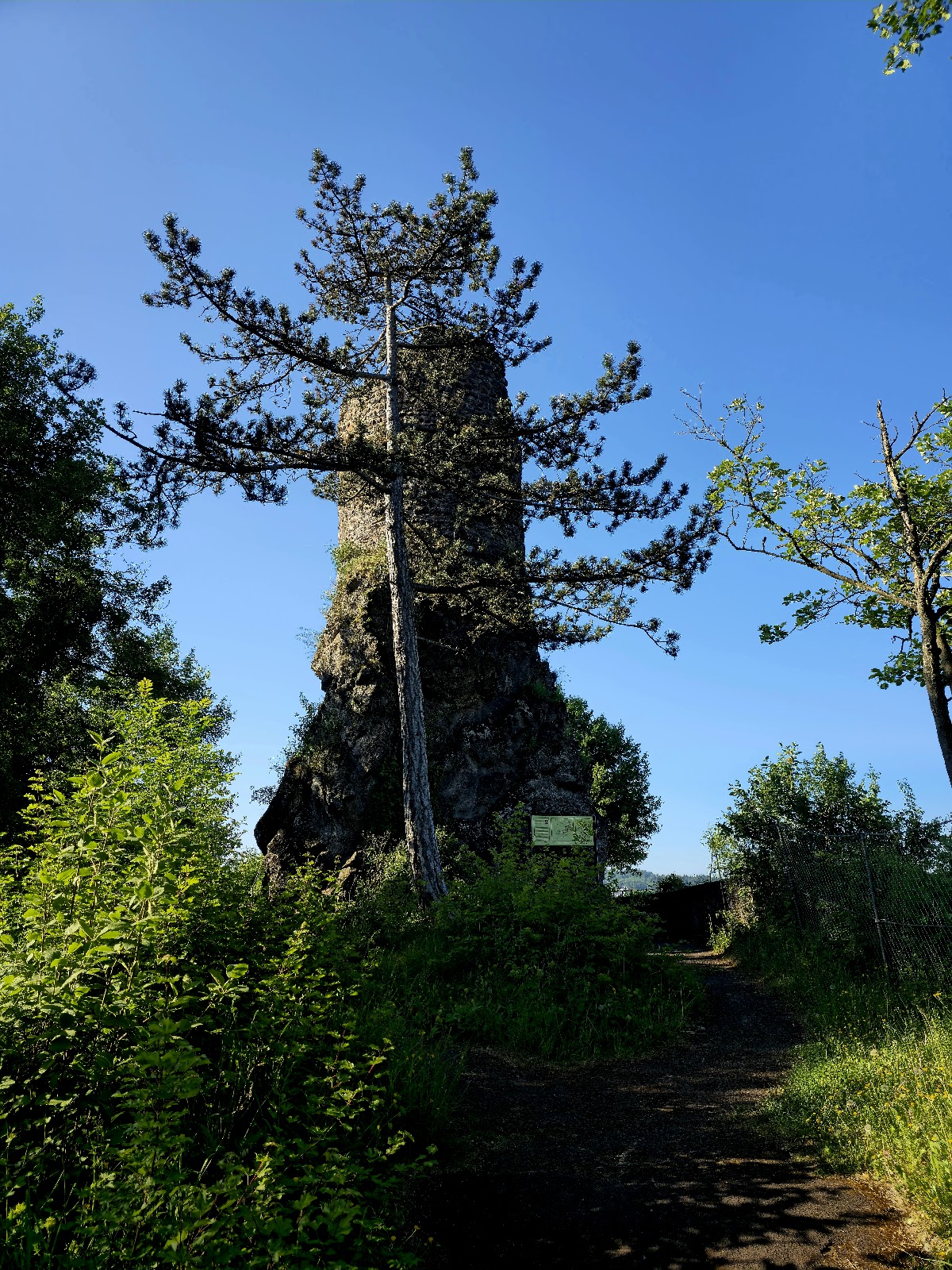
The castle retains the stump of a round bergfried, a fortified tower used mainly for defense rather than permanent residence. Only the lower part of this tower survives.
Palas
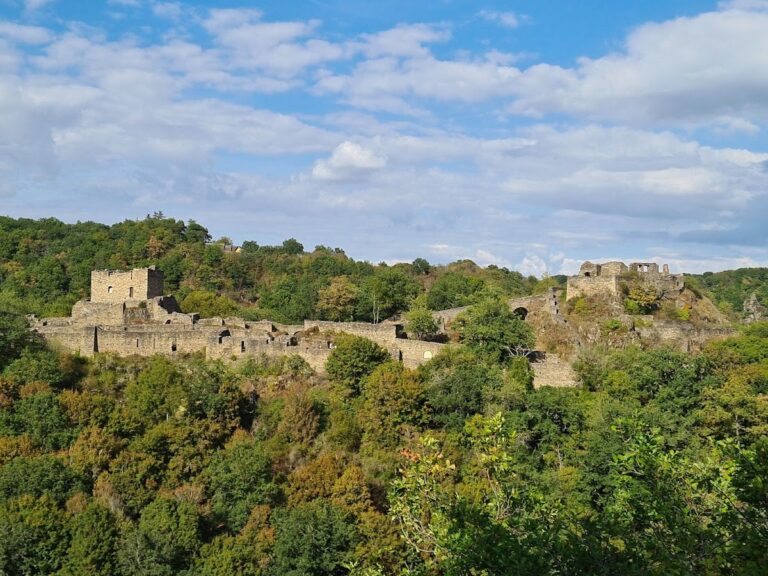
Remains of the palas, the castle’s main residential and representative building, form part of the surviving ruins. The structure reflects the domestic and formal functions once housed within the castle.
Curtain wall
Fragments of the curtain wall, the defensive wall enclosing the castle, also remain on the rocky summit. Together with the tower and the palas, these remnants show the principal elements of Burg Bosselstein’s fortified layout.
Nearby sites