Château de Couin: An Eighteenth-Century Château in France
Site at a Glance
- Rating
- 4.8
- Popularity
- Very Low
- Country
- France
- Primary era
- Early Modern
- External website
- Open
- Eras represented
- Early Modern, Modern
- Civilizations
- French
- Site type
- Domestic
- Remains
- Castle
On this page10 sections
History
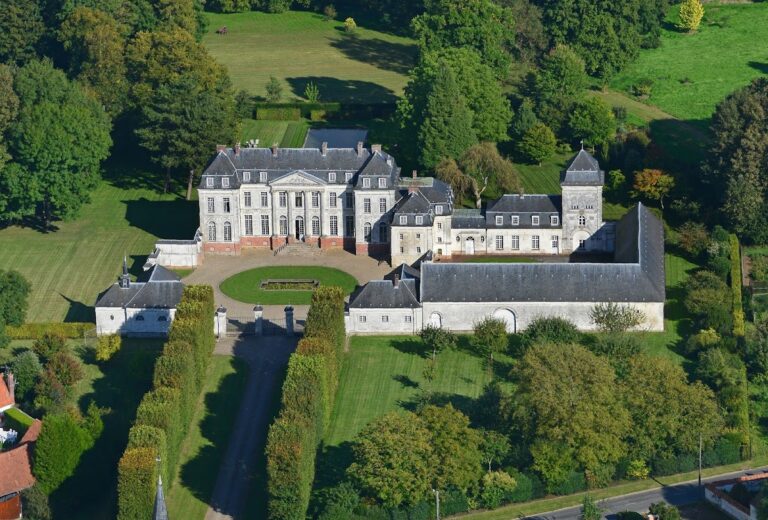
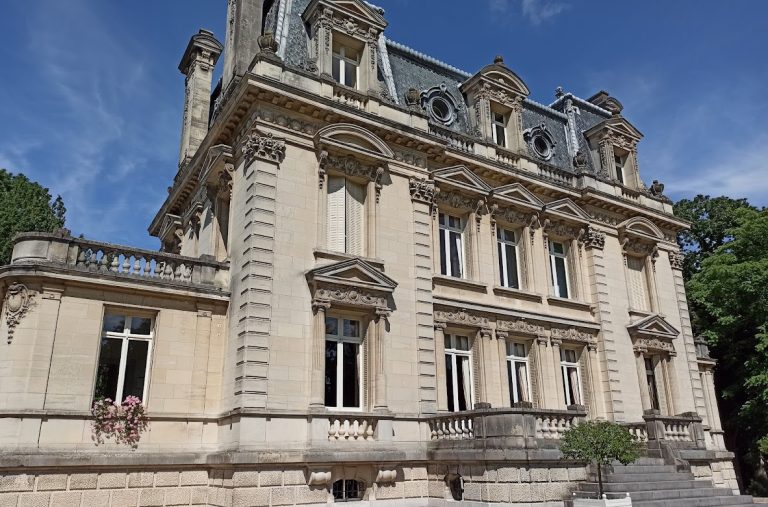
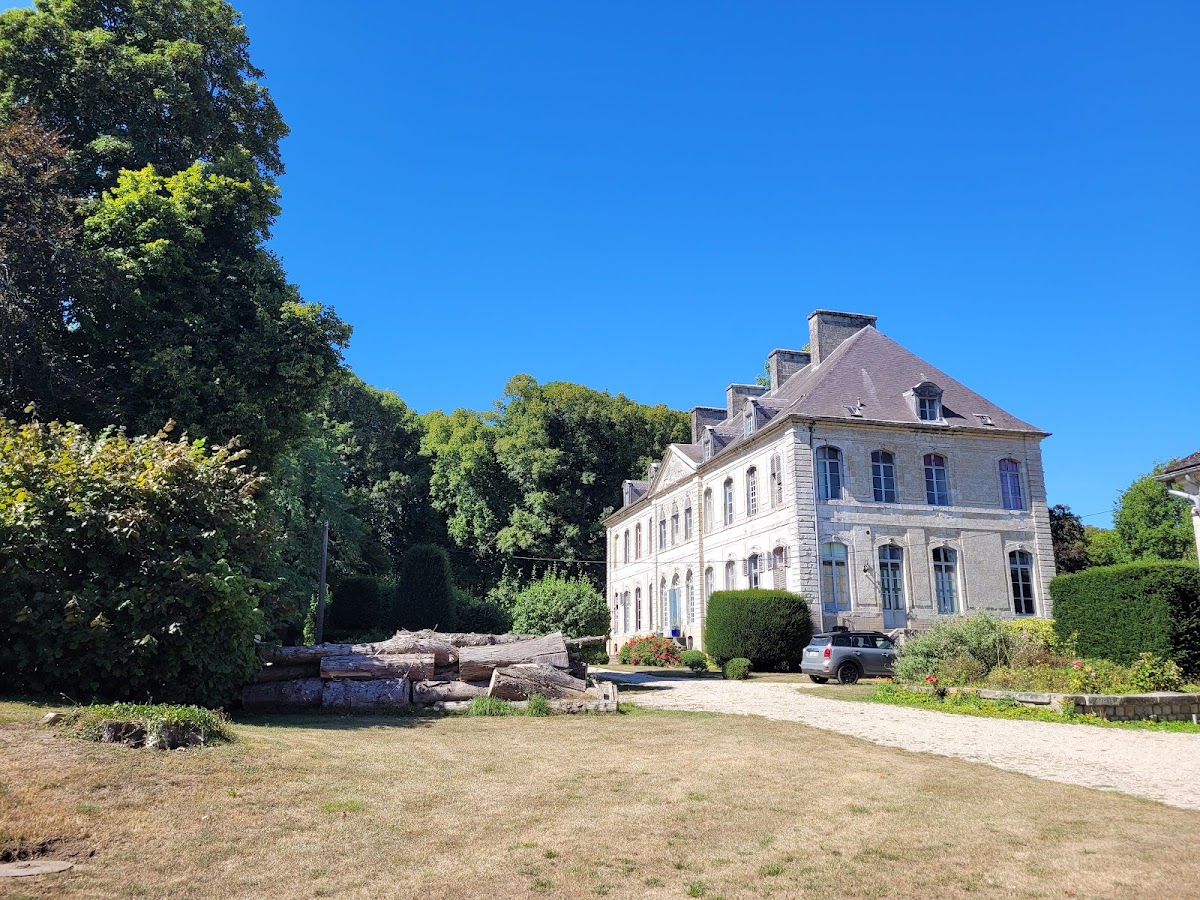
Château de Couin is an eighteenth-century château in Couin, France, built for the Landas family in the Louis XV style. Construction began in 1745 under the direction of Adrien-François d’Huez, an architect from Arras, after the earlier seigneurial residence was demolished. The main structural work was complete by 1748, a date commemorated on the façade, and the building was constructed between 1745 and 1749 as a residence regarded as both classical and modern for its time.
The Landas family and the French Revolution
Philippe-Albert de Landas, Count of Louvignies and a noble deputy to the Estates of Artois, died in 1760. The Estates of Artois was a representative provincial institution in which the noble deputy represented the interests of the aristocratic estate. His wife, Isabelle d’Héricourt, arranged for the estate church to be dismantled and rebuilt stone by stone in a position perpendicular to the château.
In the 1780s, their son added the stables in the Neoclassical style. At the beginning of the French Revolution, a period of political upheaval that abolished France’s old monarchical and social order, the count and countess were imprisoned. The inhabitants of Couin defended them because of services they had provided to the local population, although the château’s two pediments were chiselled during the revolution.
The Louvencourt period
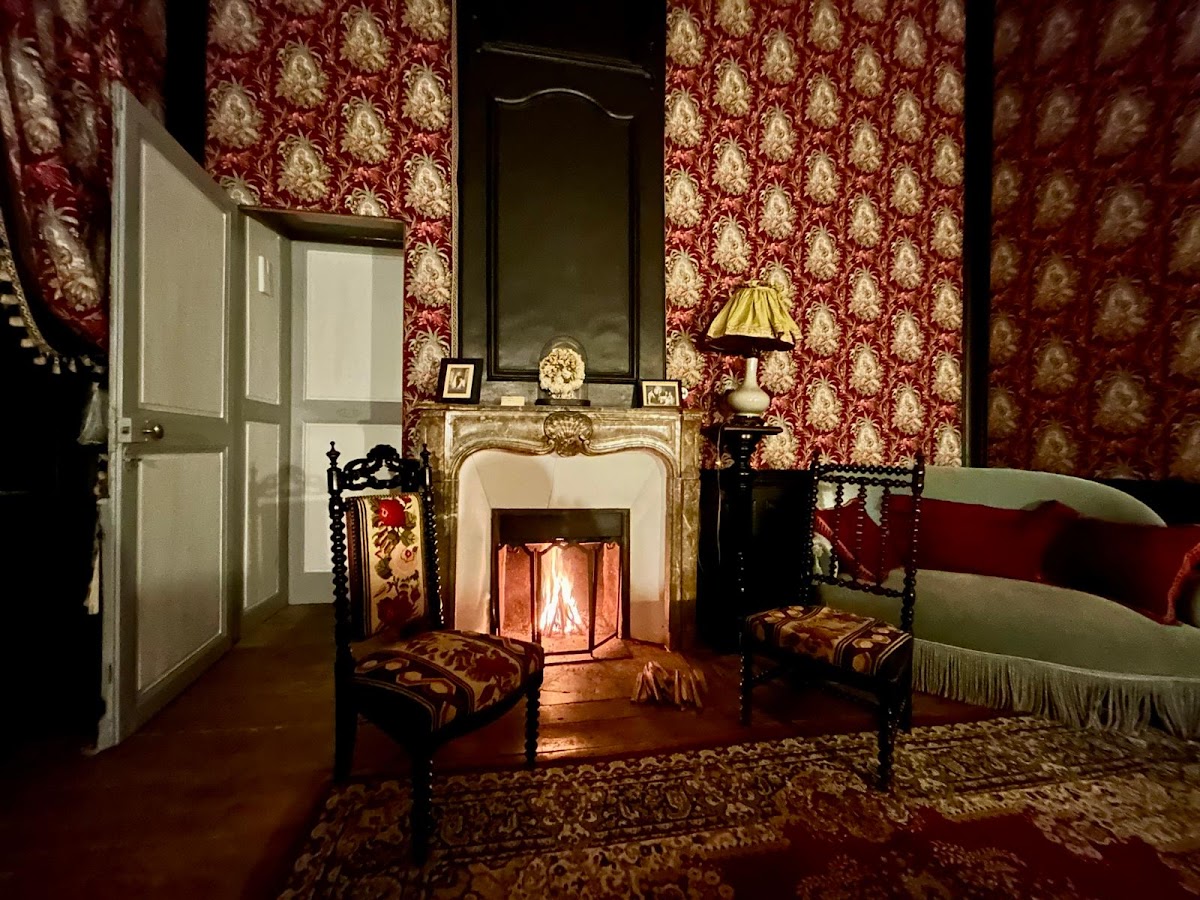
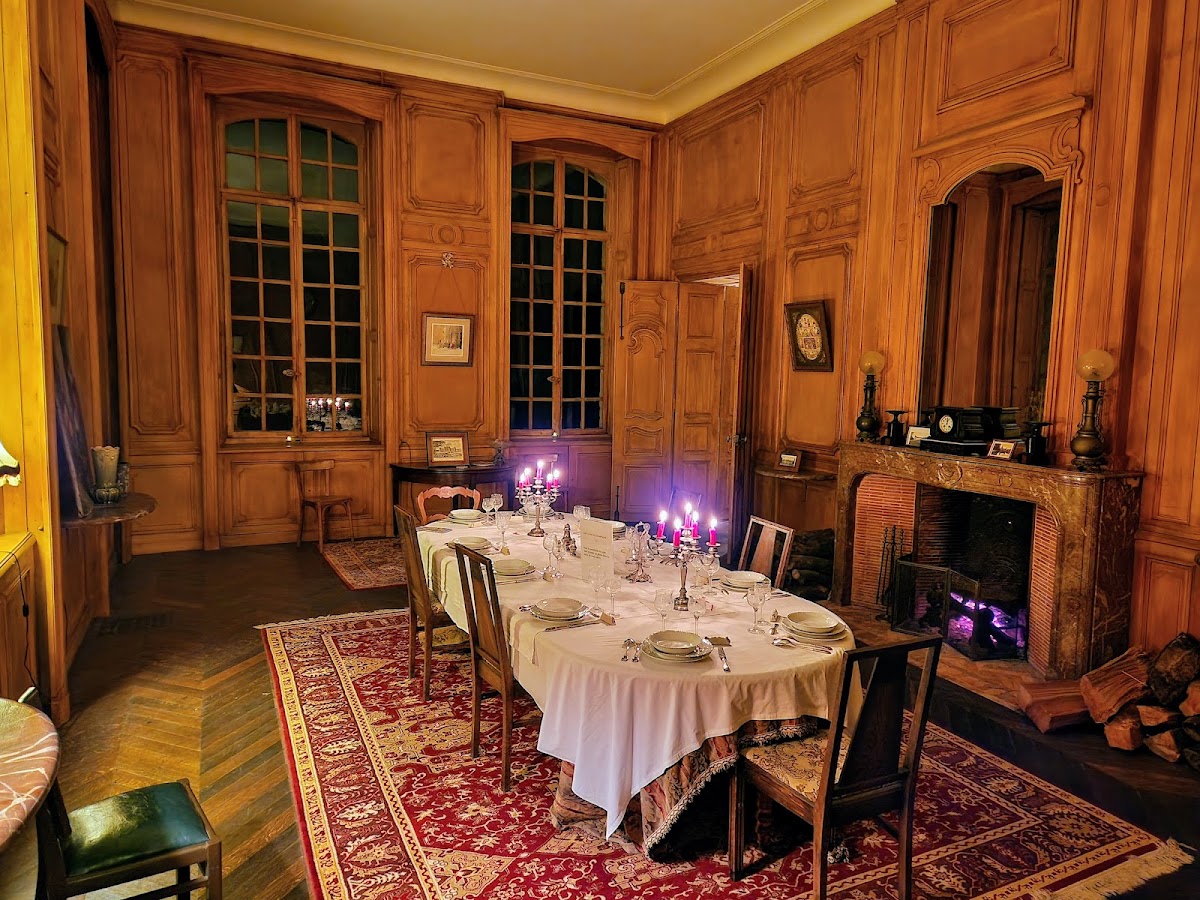
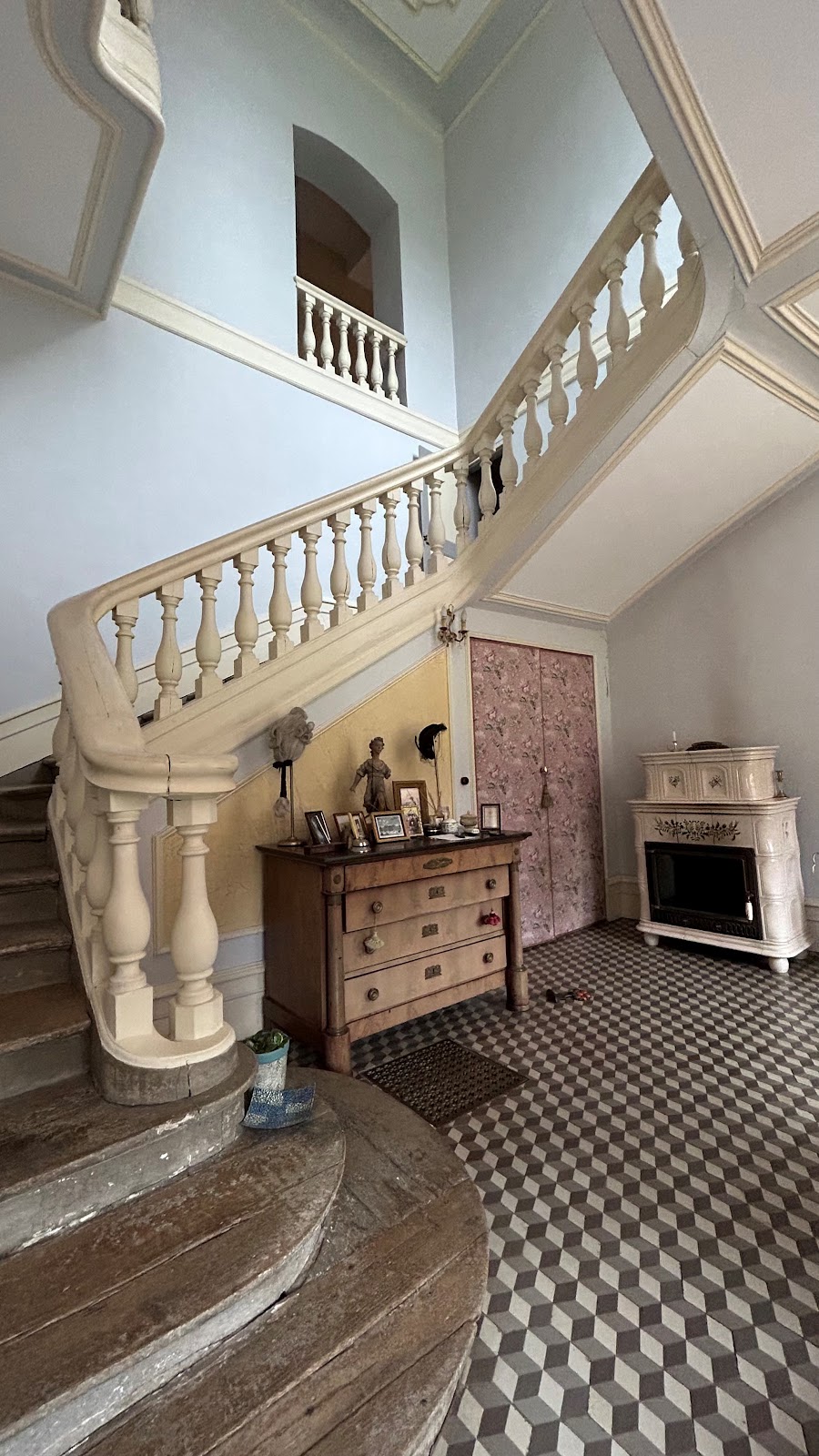
The Landas couple died without heirs, and the property passed to the Louvencourt family. It remained unoccupied until Arthur de Louvencourt made a complete inventory of its condition in 1823, moved into the château, and began alterations with his wife, Emma. Their son Ghislain continued this work. Nineteenth-century changes included a large dining room, a faience stove, bathrooms, and a kitchen range.
The Louvencourt family remained at Couin until the beginning of the 1950s. The château was later used for holiday camps and then stood unoccupied until 2003. In 1962, the Louvencourts transferred it to a resident of Arras, who subsequently sold it to the present private owners.
War, protection, and restoration
From 1915, during the First World War, the château served as the headquarters of a medical division of the British Army. The entire château, including its interior and exterior, has been listed as a historic monument since 1965. In France, this listing is a formal form of heritage protection below classification as a historic monument, while still imposing heritage controls. A major restoration programme has been under way since 2002.
Remains
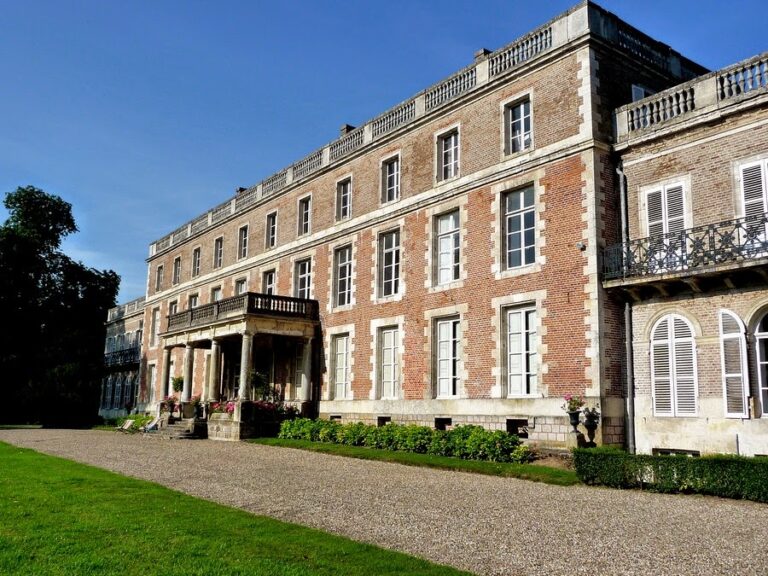
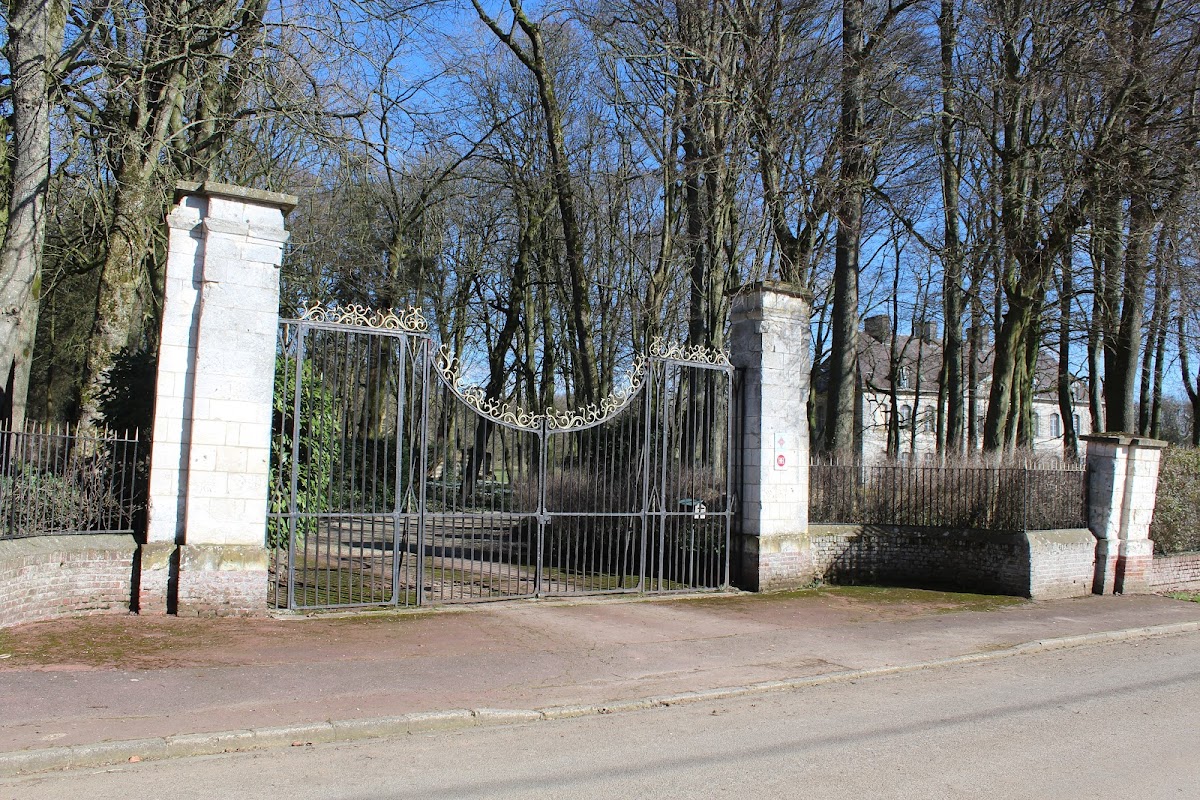
Château de Couin is a Louis XV-style building constructed from white Artois stone over a brick base. It covers more than 2,000 square metres and contains sixty-one principal rooms. The surviving fabric incorporates the revolutionary damage to the two pediments, as well as interior alterations made during the nineteenth-century Louvencourt occupation.
Residence and associated buildings
Main château
The main residence forms the principal architectural element of the estate. Its white stone construction and brick base reflect the materials used for the eighteenth-century building, while the façade preserves the date 1748 associated with the completion of its main structural work. The interior retains features introduced in the nineteenth century, including the large dining room, faience stove, bathrooms, and kitchen range.
Estate church
The church associated with the estate was dismantled and rebuilt stone by stone under Isabelle d’Héricourt. Its new position was perpendicular to the château, creating a deliberate relationship between the religious building and the residence.
Stables
Built in the 1780s, the stables are in the Neoclassical style. They form a later addition to the estate, made during the period when the Landas family still owned the château.
Park
The estate includes a 6.5-hectare English-style park. It was entered in the preliminary inventory of remarkable gardens and noted as abandoned.