Janzé Castle: A Former Fortified Castle in France
Site at a Glance
- Rating
- 4.7
- Popularity
- Low
- Country
- France
- Primary era
- Medieval
- External website
- Open
- Eras represented
- Medieval, Early Modern
- Civilizations
- French
- Site type
- Domestic
- Remains
- Castle
On this page7 sections
History
Janzé Castle is a former fortified castle in France, located at Marcilly-d’Azergues northwest of Lyon. Construction began in the twelfth century, and the estate later developed through successive periods of ownership, reconstruction, and expansion.
Medieval Lords and the Name Janzé
The estate belonged to Ulric Anseu in the twelfth century. During the thirteenth century, Pierre Anseu sold the seigneury, a lord’s territorial domain and jurisdiction, to Albert de Guizeu, a monk of Ainay Abbey in Lyon. Albert’s nephew, Étienne de Guizeu, inherited the property, and Étienne’s son, Albert de Guizeu, made his will in 1340.
The name Janzé derives from Guizeu, the family that owned the estate. A cartulary, a historical register of charters and legal documents, from Ainay records the name in successive forms: Guiziaco, Ginziaco, and Genziaco. In 1450, Alisette Verd, widow of Poilfort de Guizeu, made her will in favor of her brother, the knight Amé Verd. Philippe de Saint-Trivier made his will in 1536.
Reconstruction and Expansion
Ownership continued to change during the seventeenth and eighteenth centuries. René Chausse, a doctor of law, held the property in 1616, followed by Barthélémy d’Honoraty, who had the castle reconstructed in 1658. Later owners included Claude Carret, a bourgeois of Lyon, in 1698, and Camille Gemeau, first secretary to Marshal Villeroy, in 1719. Marshal Villeroy was François de Neufville, Duke of Villeroy, a French military commander and court official.
Pierre Cizeron, also a bourgeois of Lyon, and Jean Clerico subsequently owned Janzé. Clerico acquired the property by marriage in 1729. His heir, Pierre Gabriel Clerico, enlarged the estate, incorporating the Pitrat estate in 1774, the Bouvet estate in 1776, and the Bottières estate in 1780. François Boulard de Gatellier, a councillor of the Parliament of Burgundy, later held the domain. The Parliament of Burgundy was the former province’s highest judicial and administrative court, and its councillors belonged to its governing judicial body. Boulard de Gatellier’s family still owns the domain.
Remains
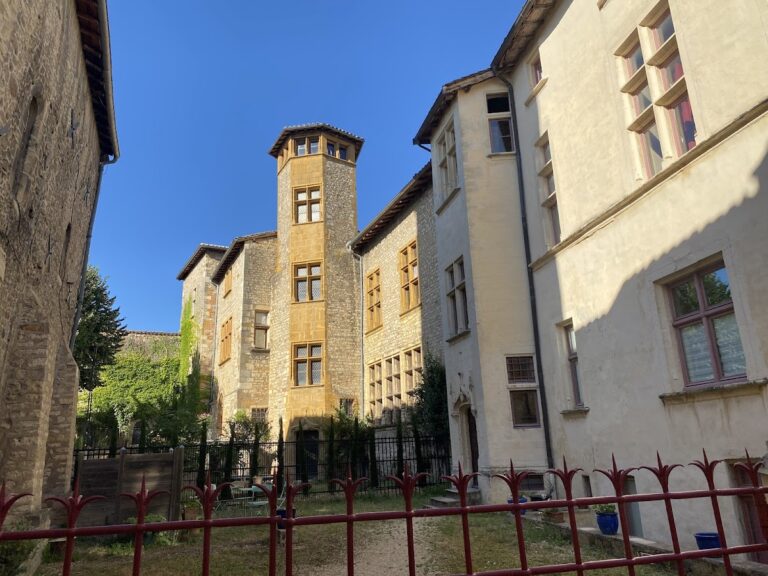
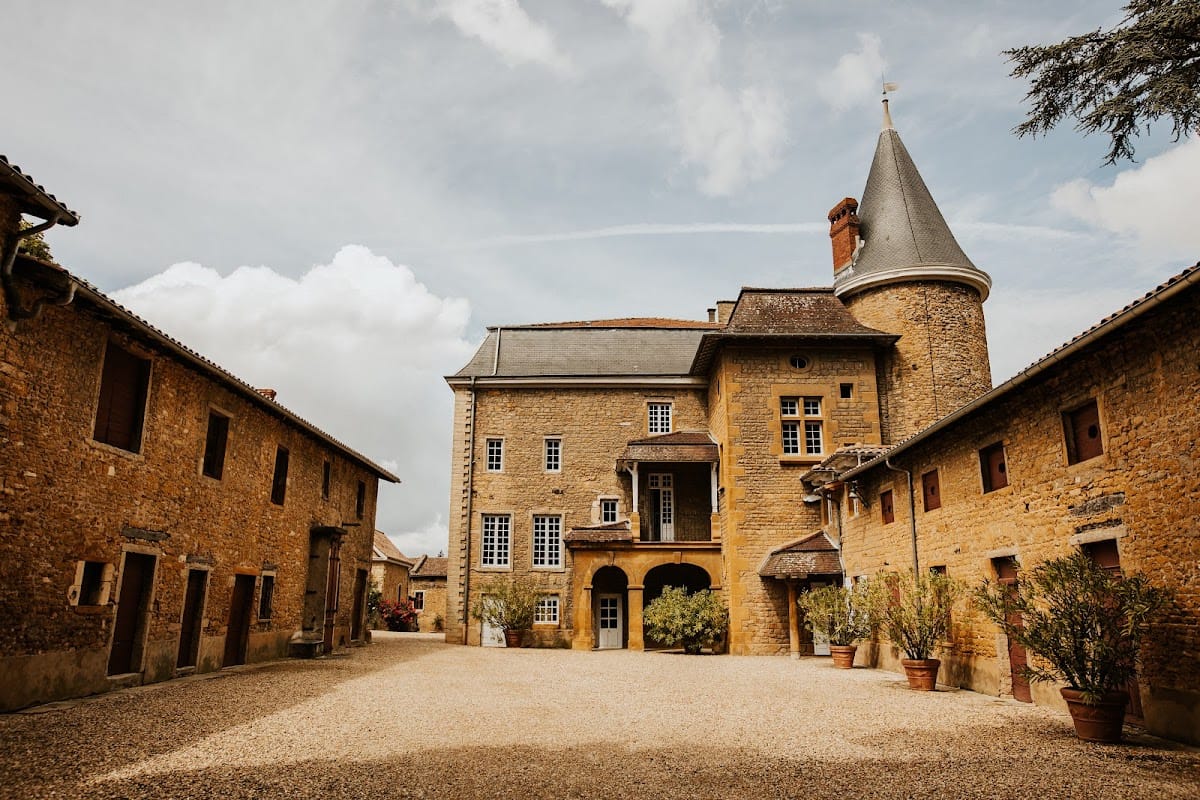
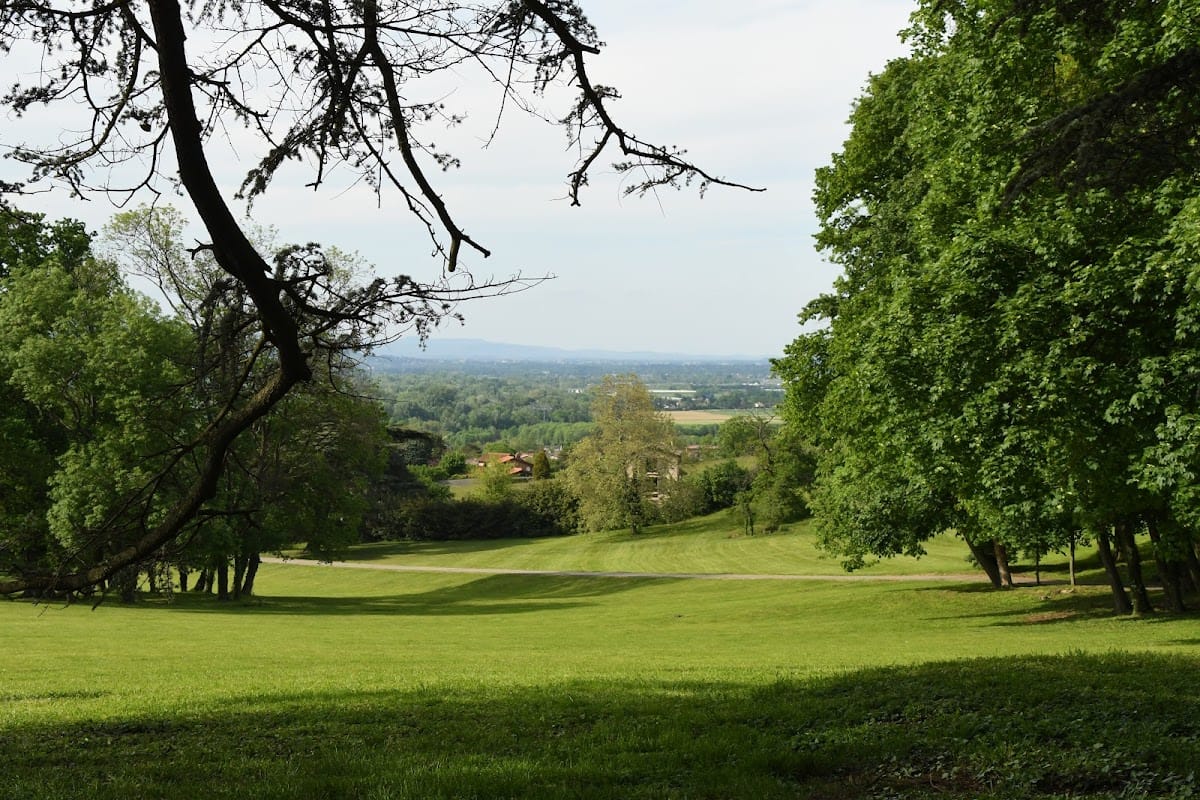
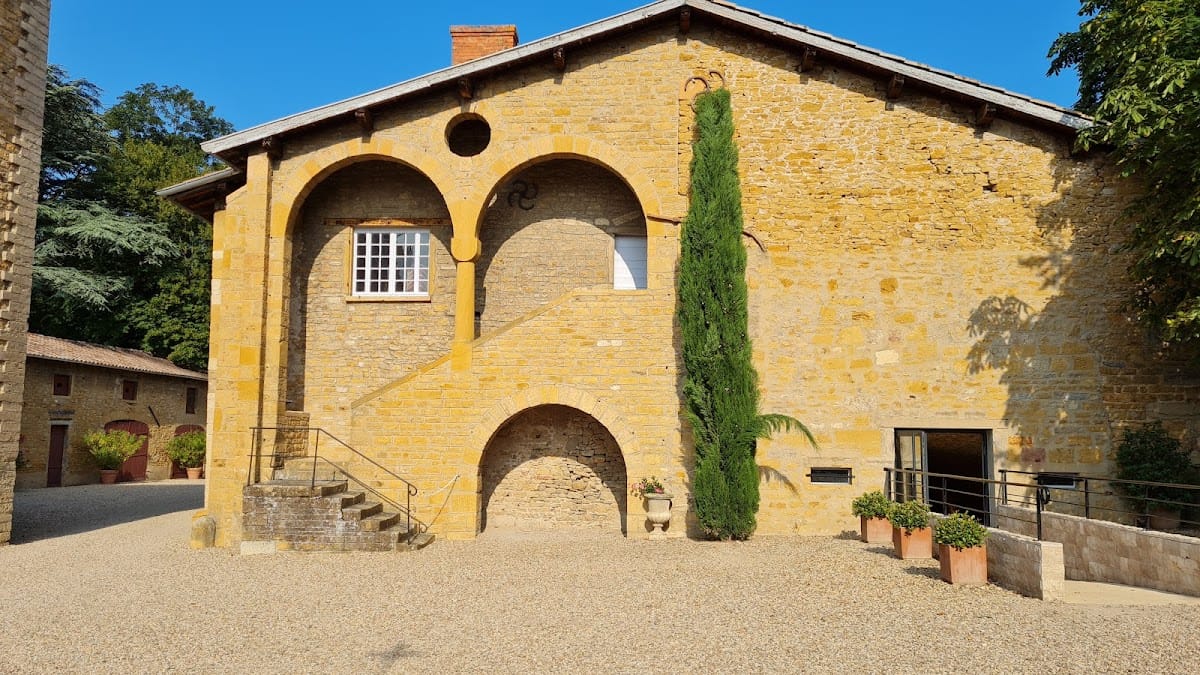
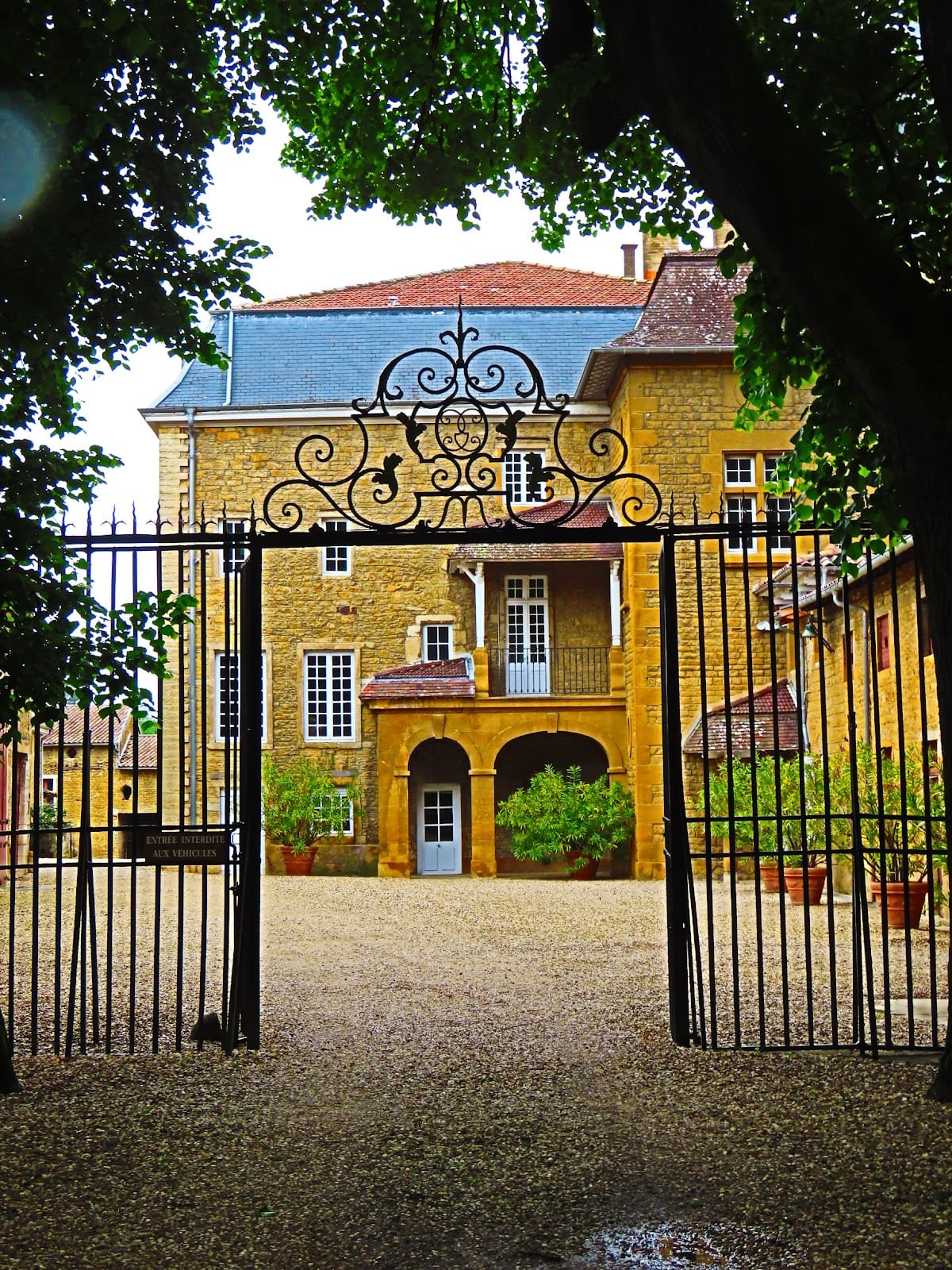
Janzé Castle occupies the northwest slope of a small valley overlooking the Azergues Valley. The surviving complex combines elements from the twelfth and fifteenth centuries with seventeenth-century outbuildings and eighteenth-century alterations. Its buildings extend around three courtyards, while the surrounding park covers 10 hectares.
Principal Castle and Courtyards
Main Building
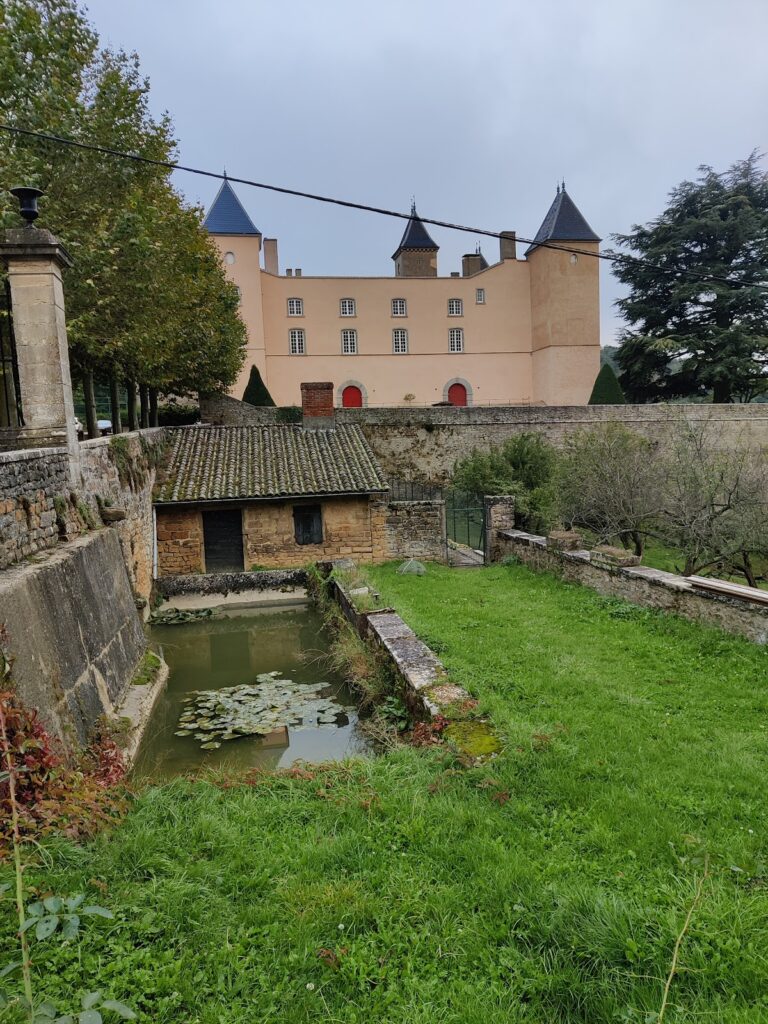
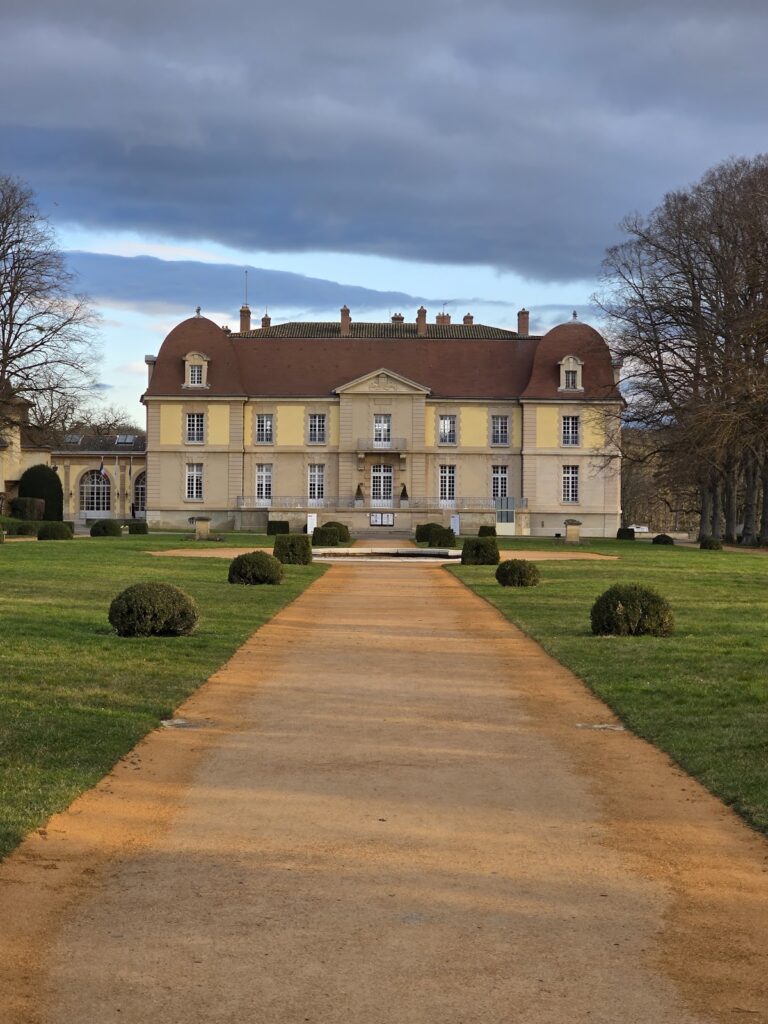
The main building is a rectangular corps de logis, or principal residential block, with two stories and an attic level. Each main story has five bays, and the broken roof changes slope to create a mansard-like profile. The roof is covered with both tiles and slate.
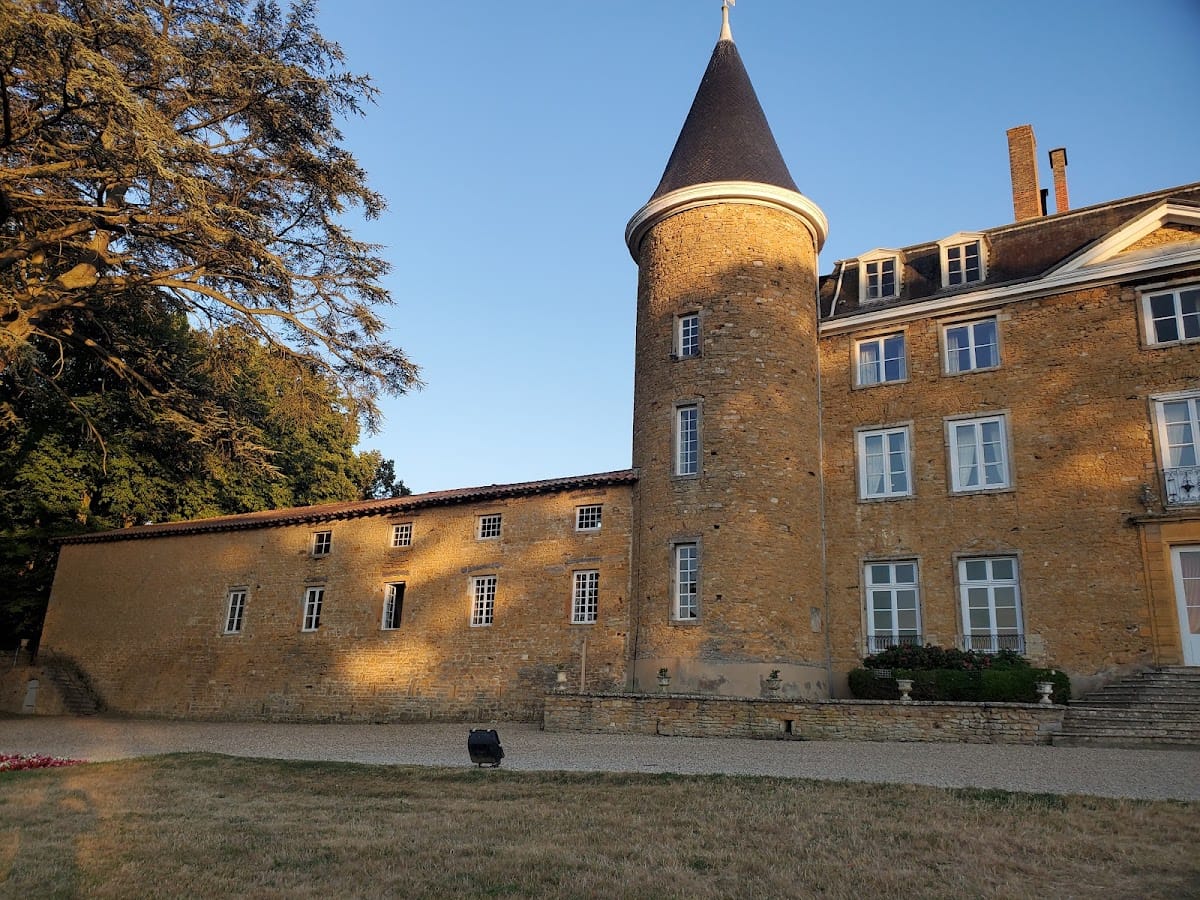
Two round towers flank the northwest principal facade, each topped by a pointed slate roof. Two jamb-like architectural elements frame the central section, which is crowned by a pediment. These surviving features incorporate the medieval fabric and later alterations of the castle.
Outbuildings and Chapel
The outbuildings extend east and west from the towers and enclose three courtyards. One of the courtyards contains an eighteenth-century chapel. Together, these structures form the present architectural complex around the principal building.