Castle of Almonacid: A Medieval Fortress in Spain

Site at a Glance
- Rating
- 4.4
- Popularity
- Low
- Country
- Spain
- Primary era
- Medieval
- External website
- Open
- Eras represented
- Medieval
- Civilizations
- Umayyad
- Site type
- Military
- Remains
- Castle
On this page11 sections
History
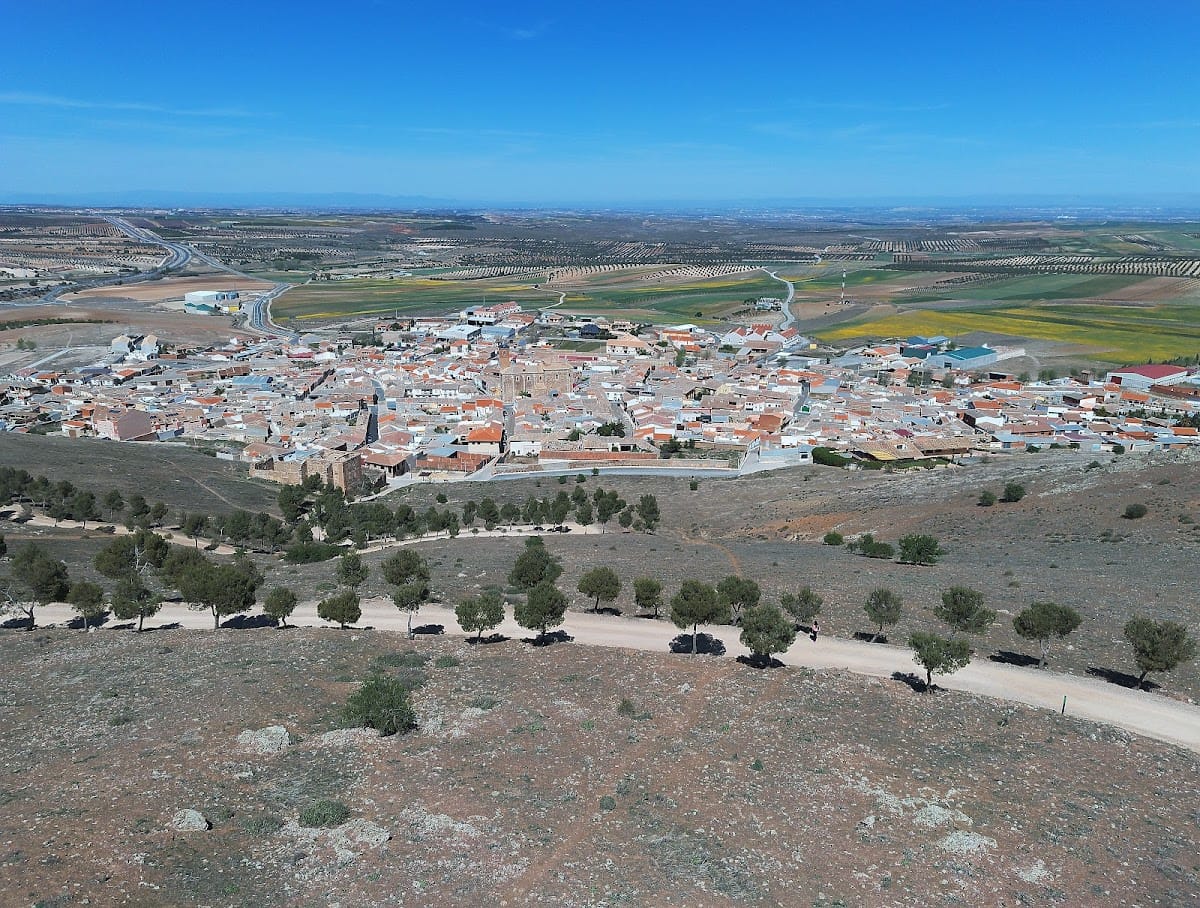
The Castle of Almonacid is a fortress in Spain, overlooking the municipality of Almonacid de Toledo from a strategically visible hill. Probably of Muslim origin, it was first mentioned in 848 as an observation post on the ancient route toward La Mancha. Its elevated position gave it a military role that continued through successive changes of ownership and conflict.
Muslim origins and medieval ownership
A tradition connects the castle’s capture and name with Rodrigo Díaz de Vivar, the eleventh-century Castilian military leader known as El Cid Campeador, through the supposed expression “Almenas del Cid.” Another interpretation links the name of both the castle and the village to almonaster, a term used by the Almoravids, a Muslim Berber dynasty and religious-political movement that ruled parts of North Africa and al-Andalus during the eleventh and twelfth centuries, for monasteries.
During the eleventh century, the castle became the property of Alfonso VI of León and reportedly formed part of the dowry of his wife Zaida, the daughter of a Moorish king. Alfonso VI later donated it to the Cathedral of Toledo. The cathedral ordered a renovation during the fourteenth century under Pedro Tenorio, Archbishop of Toledo. An archbishop was the senior bishop of an ecclesiastical province and could exercise substantial institutional and territorial authority in medieval Spain.
Prison, private ownership, and war
The renovated castle was later used as a prison for Alfonso Enríquez, Count of Gijón and Noreña and an illegitimate son of Henry II of Castile. He was imprisoned by order of his brother, John I of Castile. Henry II founded the Trastámara dynasty in Castile, while John I succeeded him as king.
During the eighteenth century, the castle became part of the estates of the Counts of Mora. It was later owned by María Eugenia de Guzmán y Portocarrero, the twelfth Countess of Mora and Empress of France, and by members of the Toledo Manso family.
On 11 August 1809, during the Battle of Almonacid, the castle sheltered troops commanded by General Venegas as they fought French forces. The Spanish army was defeated and retreated toward the Guadiana River. French forces led by Marshal Sebastiani, with the support of King Joseph, eventually captured the castle.
Deterioration and heritage status
In 1839, financial needs led the town council to allow residents to remove bricks from the fortress for sale. This caused substantial deterioration to the structure. The Castle of Almonacid is classified as a Spanish Asset of Cultural Interest and is included on the Red List of Heritage. It is also described as being in disrepair and lacking maintenance.
Remains
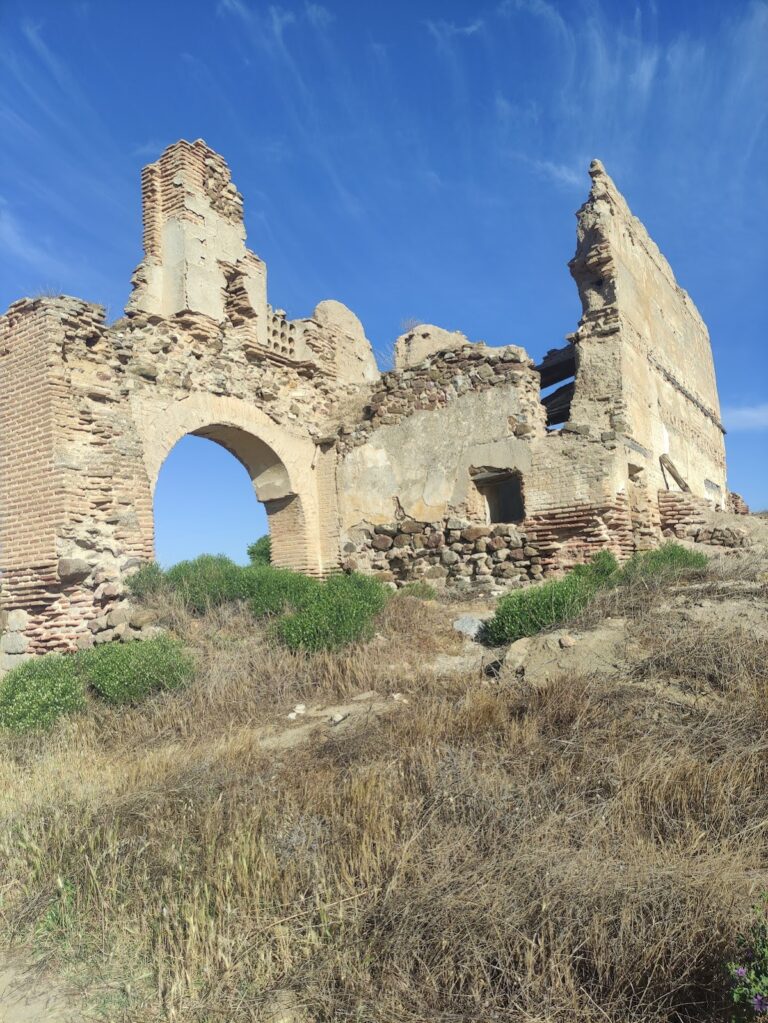
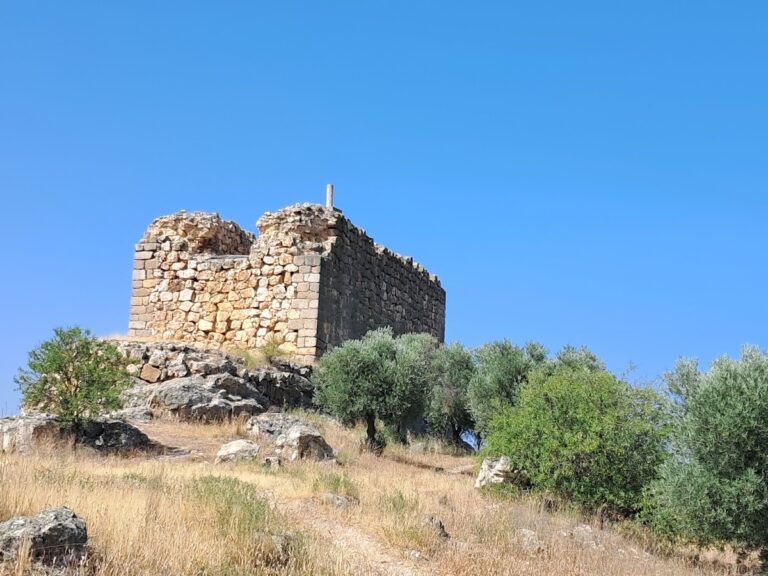
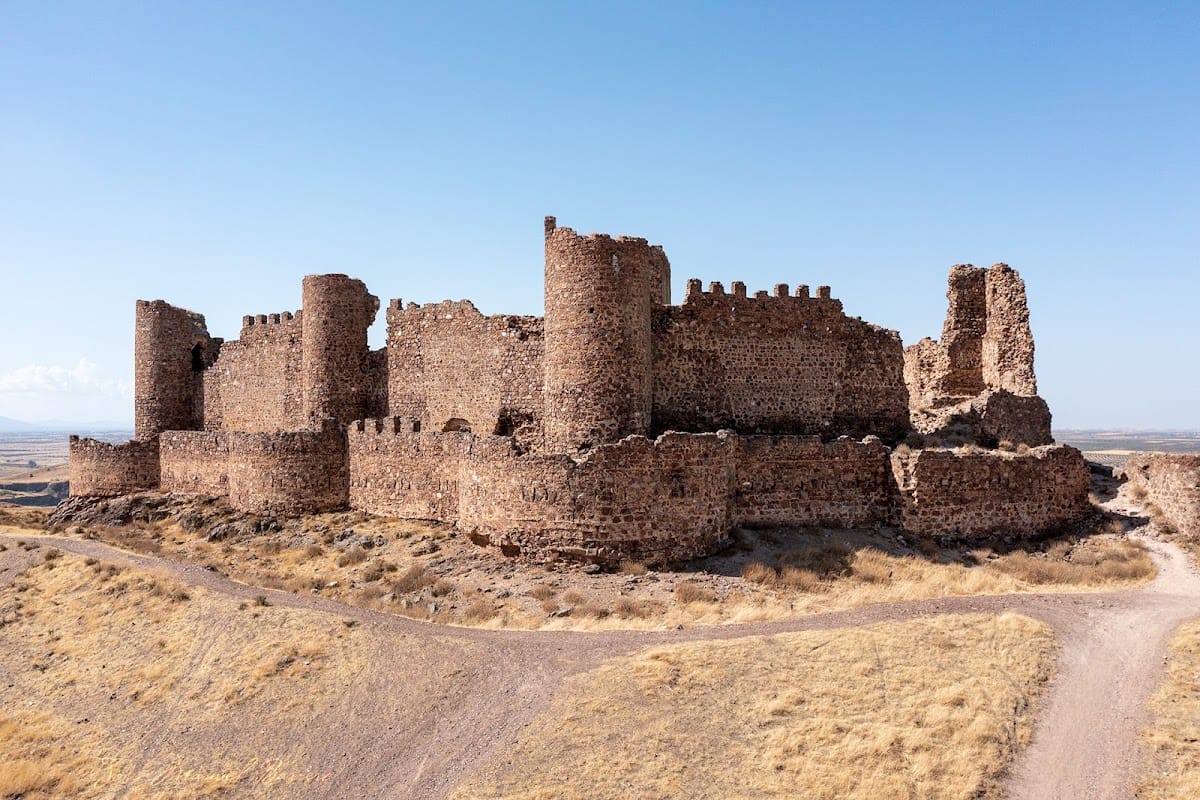
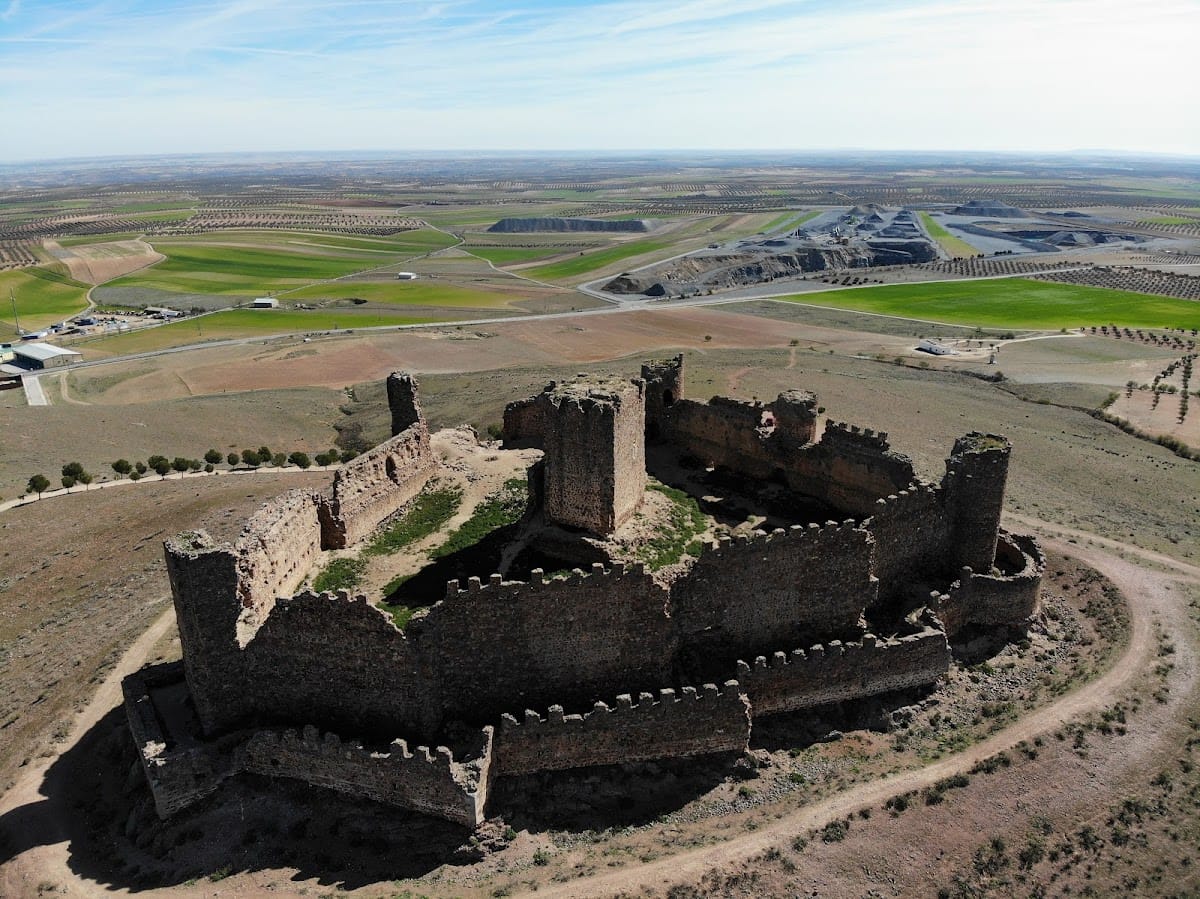
The castle crowns a hill south of Almonacid de Toledo, overlooking the village. The hill can be seen from several tens of kilometres away. The surviving complex has a military composition, with a broad interior enclosure organized around a centrally positioned keep and defended by tall, crenellated walls.
Fortifications
Keep
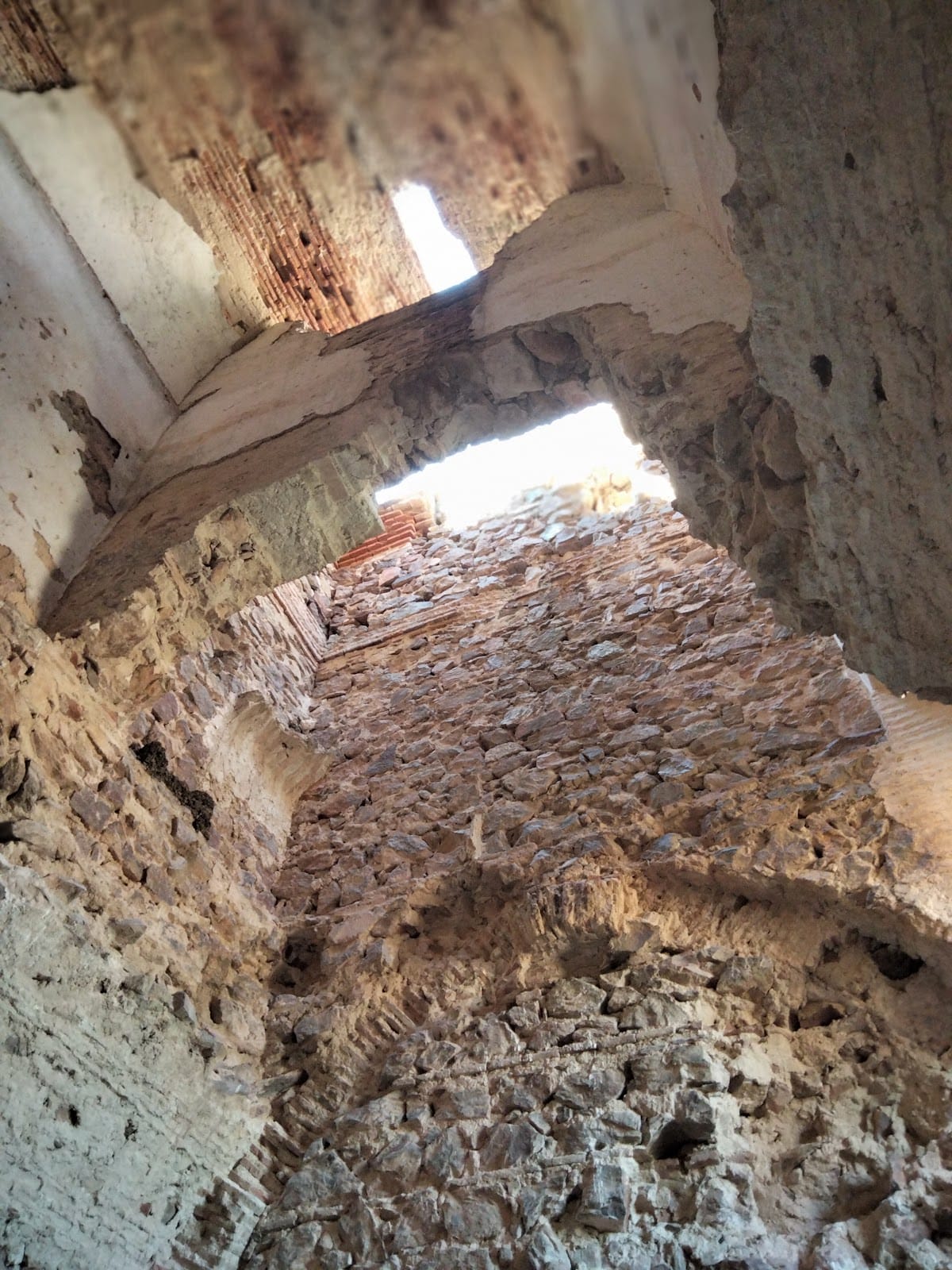
The keep, the principal fortified tower of the castle, stands at the centre of the enclosure. It rises through three storeys and contains brick vaults. Its position forms the main surviving focus of the interior complex.
Towers and outer defenses
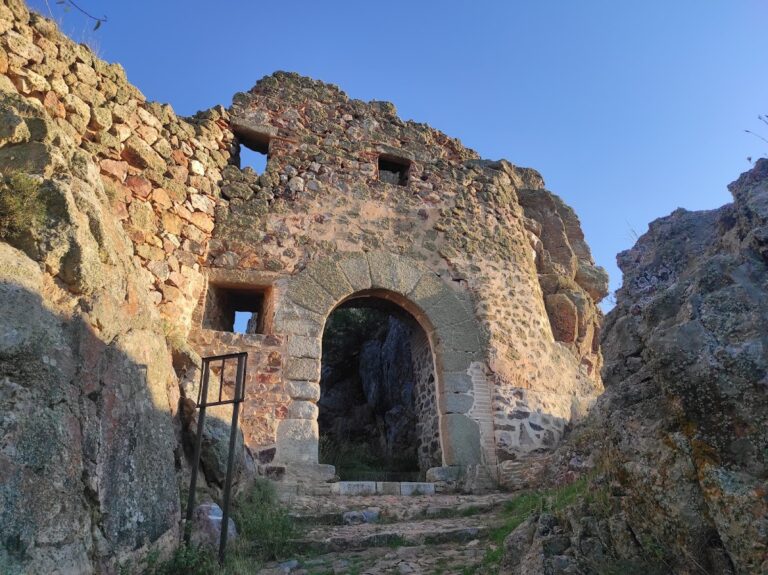
Large cylindrical towers and a barbican, an external fortified structure protecting an entrance or part of a larger defensive complex, form part of the castle’s defensive system. The fortifications were built from brick and dressed stone. Tall crenellated walls are protected by an outer defensive barrier and a wall-walk, a defended path along the top of a fortification wall. The castle also preserves notable triple embrasures.
Interior remains
Cisterns and silo
Within the enclosure, the remains include two cisterns and a silo. These features survive alongside several rooms and help define the internal organization of the fortress.
Rooms and surviving fabric
Several rooms remain within the broad enclosure around the keep. Together with the brick vaults, towers, walls, defensive barrier, and entrance defenses, they form the surviving architectural fabric of the castle.