Château de Mousson: A Medieval Castle and Fortress in France


Site at a Glance
- Rating
- 4.5
- Popularity
- Low
- Country
- France
- Primary era
- Medieval
- External website
- Open
- Eras represented
- Medieval
- Civilizations
- Unclassified
- Site type
- Military
- Remains
- Castle
On this page7 sections
History
Château de Mousson is a ruined castle at Mousson in Blénod-lès-Pont-à-Mousson, France, first documented in 948 when it was in the possession of King Louis IV, known as Louis d’Outremer, who ruled West Francia from 936 to 954. The castle later belonged first to the County of Bar and then to the Duchy of Bar.
The Counts of Mousson
Until the thirteenth century, the castle served as the residence of the Counts of Mousson. Their authority emerged after the dismemberment of the pagus Scarponensis, an early medieval territorial district, in the early eleventh century.
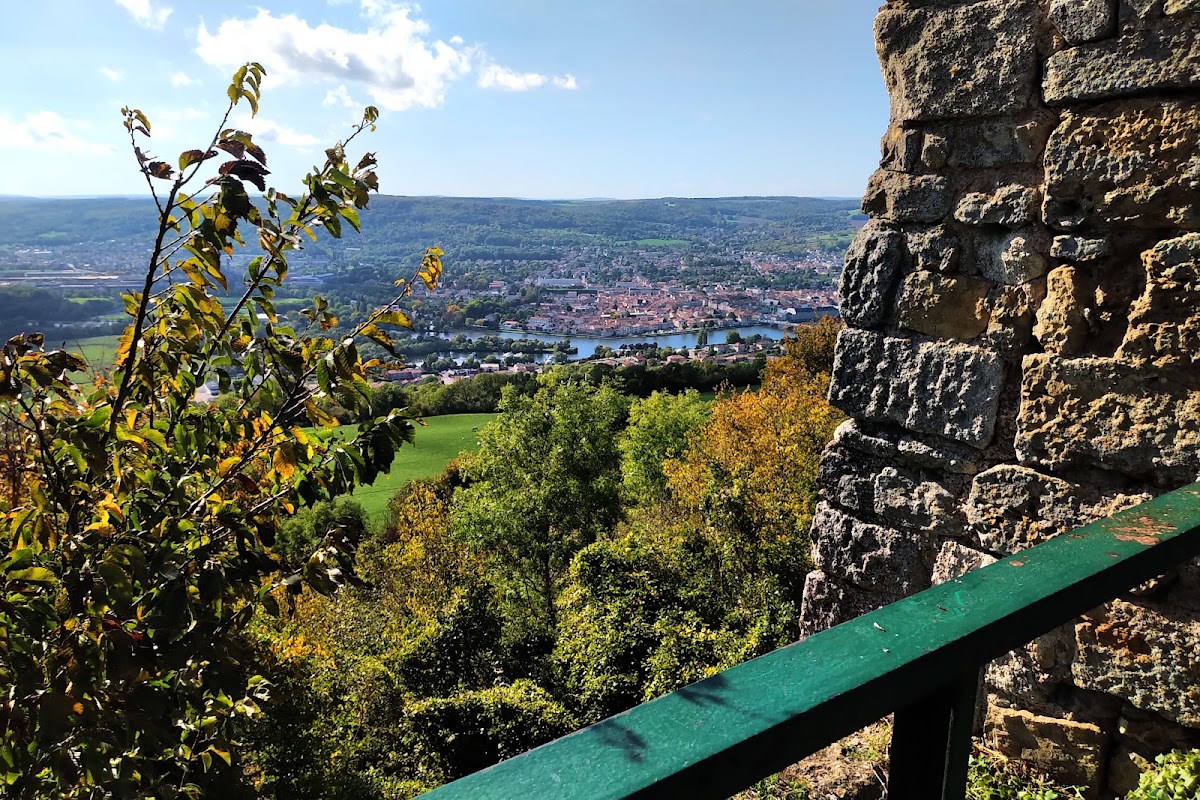
From the hilltop, the counts watched commercial traffic along the ancient Dijon–Metz Roman road. They also collected tolls at Pont-à-Mousson on the river, while the town remained under their authority. The castle therefore formed part of a political and economic system connected to both regional rule and movement through the valleys.
Destruction and preservation
The castle was destroyed during the French occupation of the Duchies of Bar and Lorraine, which began in 1633. It was regarded as a symbol of Lorraine’s independence and resistance to royal France, and its existence obstructed the centralizing policies of Louis XIII and Cardinal Richelieu, the king’s chief minister. In 1633, French troops compelled local inhabitants to demolish the castle with picks and mining.
The commune owns the ruins and is responsible for their safeguarding. A conservation project began in partnership with the Fondation du patrimoine, a French heritage organization supporting historic buildings and sites, in late 2018. The ruins have held the French legal designation monument historique, which protects buildings and sites of historical or architectural importance, since 1932. In 2018, the site was also selected by a national mission identifying immovable heritage considered at risk.
Remains
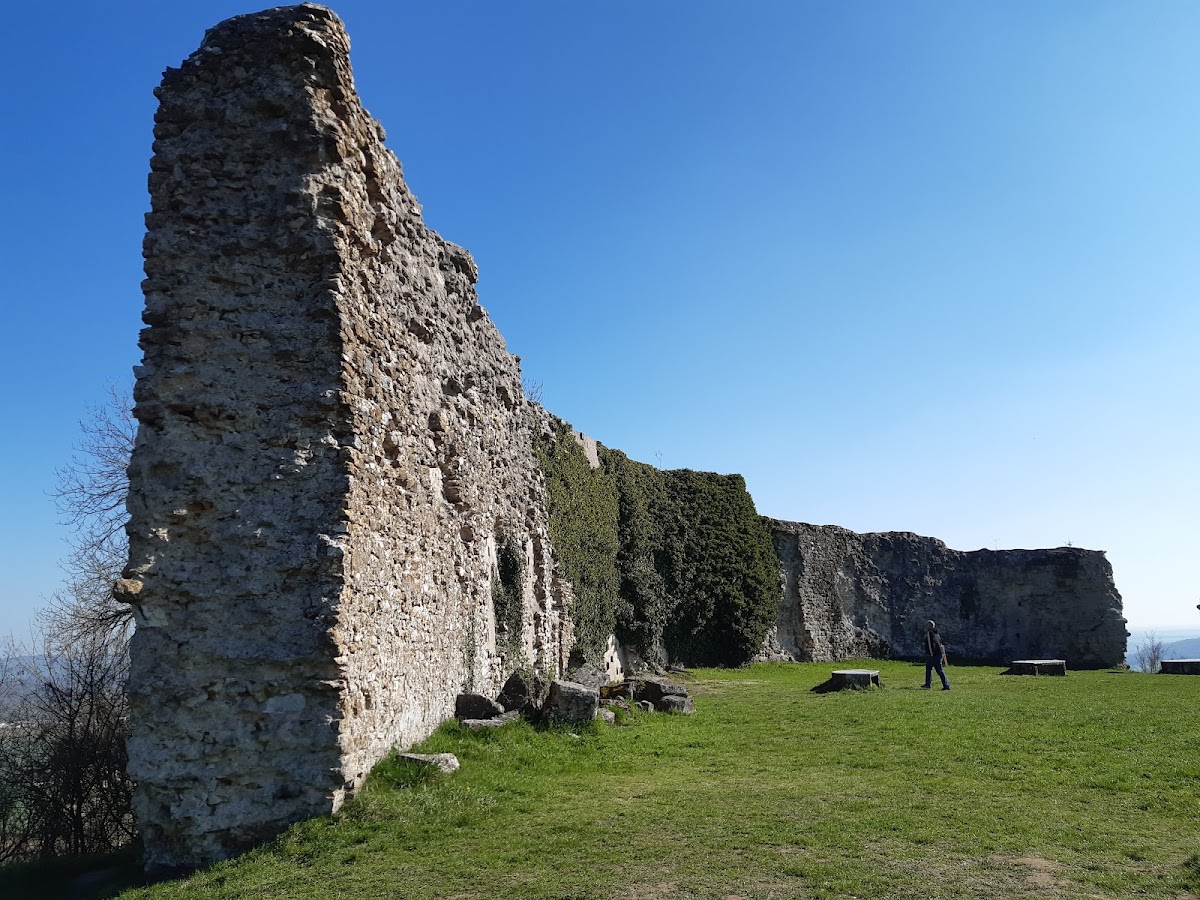
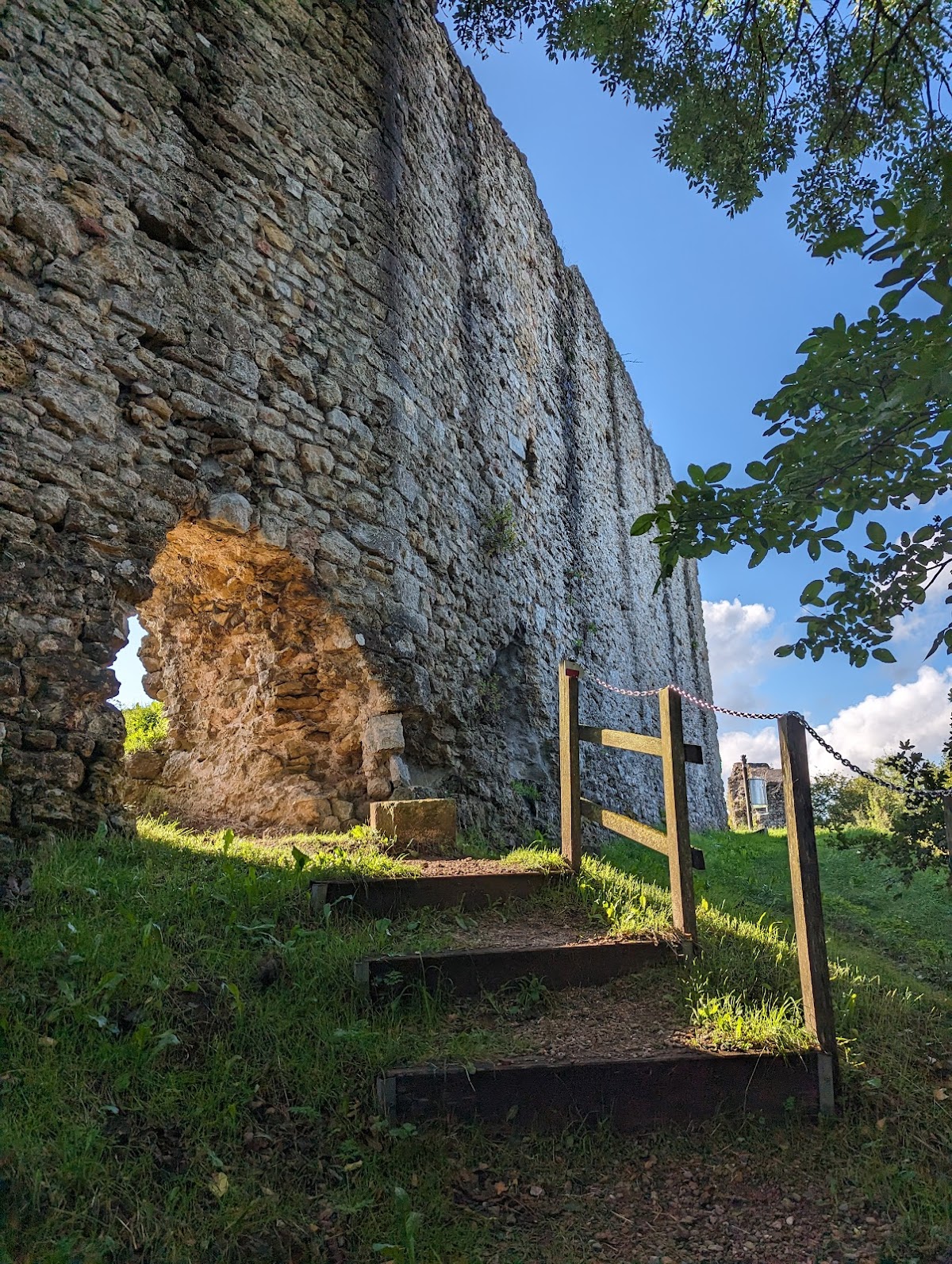
The ruined castle occupies the flattened summit terrace of Mousson Hill, nearly 205 metres above the Seille and Moselle valleys. Its main enclosure was built in masonry and formed an oval approximately 100 metres long and 65 metres wide at its greatest extent. The castle included a lordly residence and a chapel, while a separately fortified settlement extended below it.
Hilltop enclosure and lower settlement
Castle enclosure
The oval castle enclosure occupied the hilltop terrace and contained the lordly residence and chapel. Its surviving masonry has been affected by both time and warfare, particularly the demolition carried out in 1633. The remaining fabric preserves the outline of a fortified complex that once governed the summit and its surrounding territory.
Fortified settlement
A separately fortified settlement stood approximately 30 metres below the castle. It extended in a crescent around the northern, eastern, and southern sides of the hill and was itself enclosed by a rampart. This lower fortified area formed a distinct component of the site beneath the main castle enclosure.
Nearby sites