Castillo de Samitier: A Romanesque Frontier Fortress in Spain
Site at a Glance
- Rating
- 4.7
- Popularity
- Low
- Country
- Spain
- Primary era
- Medieval
- External website
- Open
- Eras represented
- Medieval
- Civilizations
- Crown of Aragon
- Site type
- Military
- Remains
- Castle
On this page12 sections
History
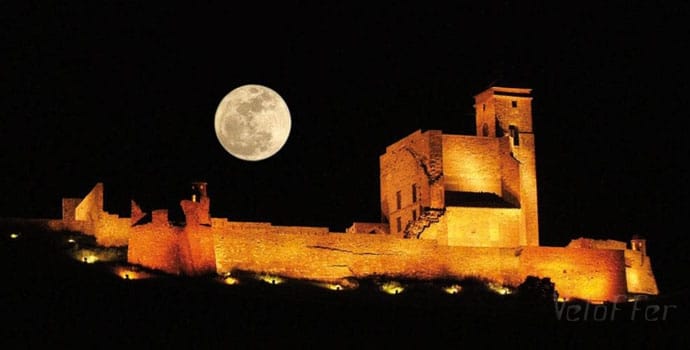
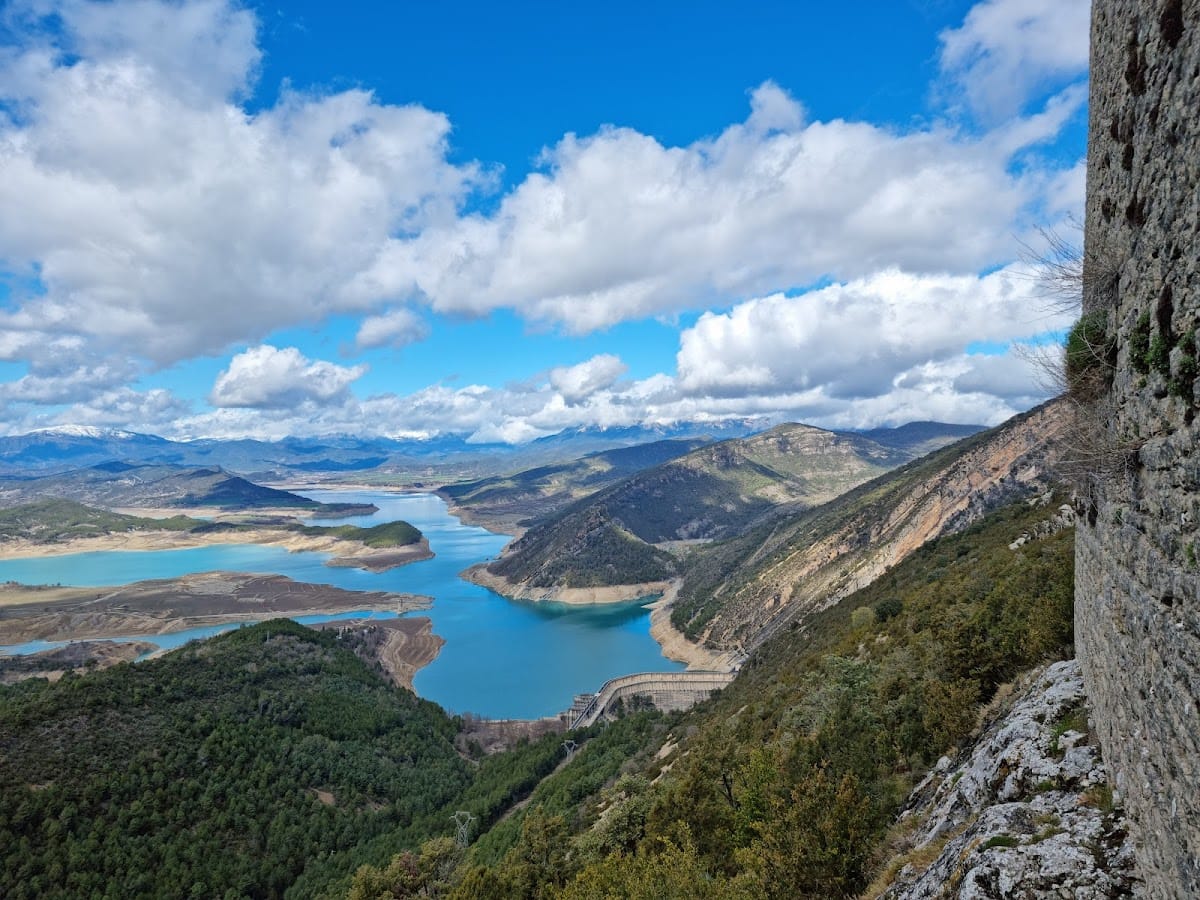
Castillo de Samitier is an eleventh-century Romanesque military complex in Spain, built on the Tozal de Samitier near Samitier in La Fueva, Aragón. It formed part of the Christian frontier fortifications facing Muslim-controlled territories and occupied a commanding position above the Cinca River and the Entremón gorge.
Foundation on the Christian frontier
The complex was constructed during the expansion of Aragón’s southeastern frontier. Its building is generally placed between the reigns of Sancho III the Great, a king of Pamplona whose authority extended across much of the Christian north of Iberia, and Ramiro I, the first king of Aragón. Some specialists instead associate the principal fortification more closely with the campaigns against Barbastro in 1063 and 1064, at the end of Ramiro I’s reign or the beginning of that of his son Sancho Ramírez.
The chronology is complicated by an earlier reference to a tower called Samitier. A tower reportedly taken around 1033 appears in Sancho III’s testament of 1035, but that reference was once linked to the Sobrarbe site. In 1987, Fernando Galtier proposed that the tower named in the testament stood on the frontier of the County of Aragón rather than in Sobrarbe. Historiography now distinguishes the two castles.
The church at the Sobrarbe complex first appears in a chancery document of Ramiro I concerning its possessions, dated 1055. Some specialists consider that date uncertain as evidence for the castle’s construction, while other interpretations suggest that the principal tower may have preceded the church. The church itself was begun in 1044 or 1045 with the construction of its crypts and was probably consecrated in 1055 during Ramiro I’s reign.
Military role and later administration
Samitier retained an offensive role while Aragón contested the Cinca frontier. Barbastro was retaken by the Taifa of Zaragoza in 1065. A taifa was an independent Muslim-ruled polity that emerged in Iberia after the collapse of the Caliphate of Córdoba. Aragón did not conquer Naval until 1081, and Barbastro was finally conquered in 1100. The castle therefore continued to have military value until Aragón completed its conquest of the Cinca area.
Its military importance appears to have declined after the frontier moved south. The complex may nevertheless have helped shape the feudalization of the surrounding area. Castles served not only as defenses against external enemies but also as instruments for controlling tributary populations. Named tenentes, officials who held castles or territories on behalf of a ruler, continued to be associated with Samitier in the twelfth and thirteenth centuries. Ramón de Larbesa held the position in 1135, followed by Sancho de Antillón in 1238.
Chapel and modern conservation
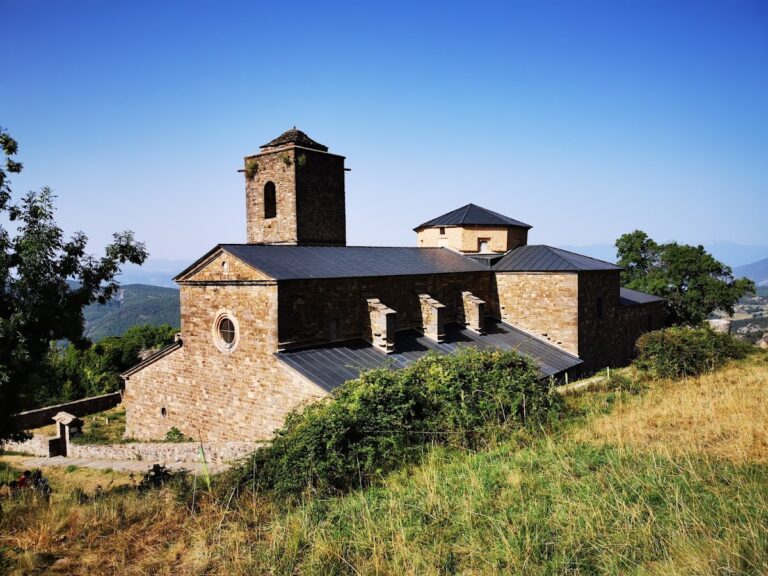
The church functioned as the castle chapel and is now known as the Ermita de San Emeterio y San Celedonio. Its religious purpose remained inseparable from the military organization of the ridge, where the church, tower, cliffs, and controlled approach formed one defensive complex.
Restoration began in 1997. Castillo de Samitier received the designation of a protected cultural-interest monument, formally known as a Bien de Interés Cultural, with the declaration published in 2006.
Remains
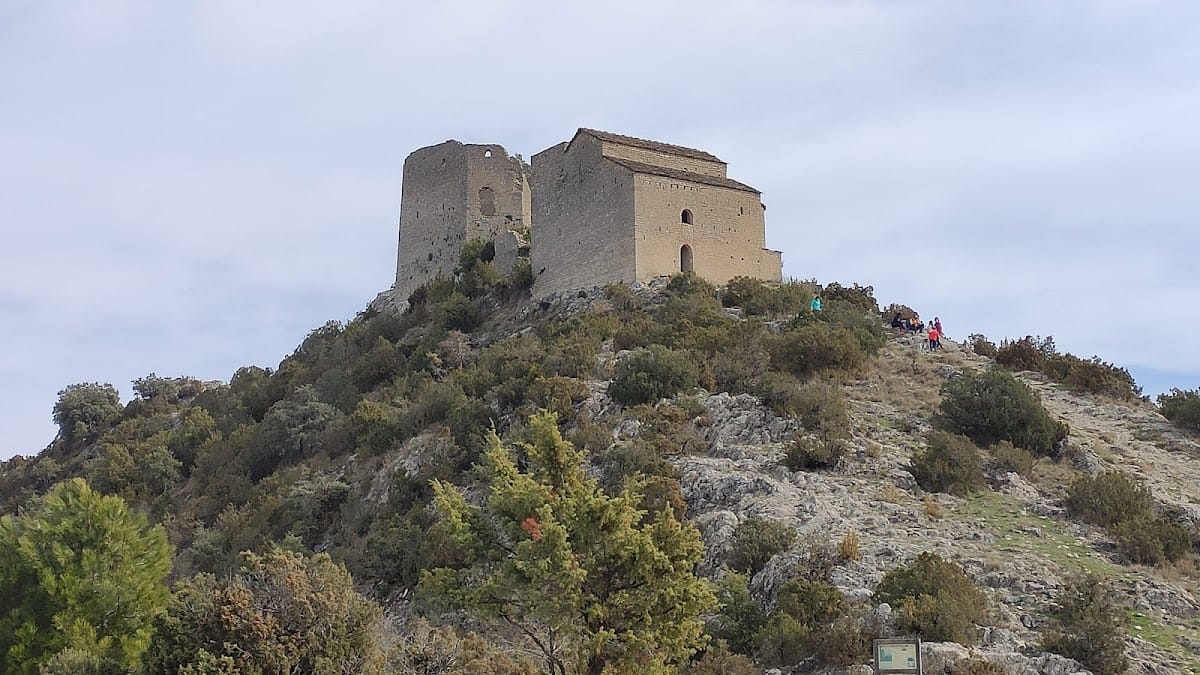
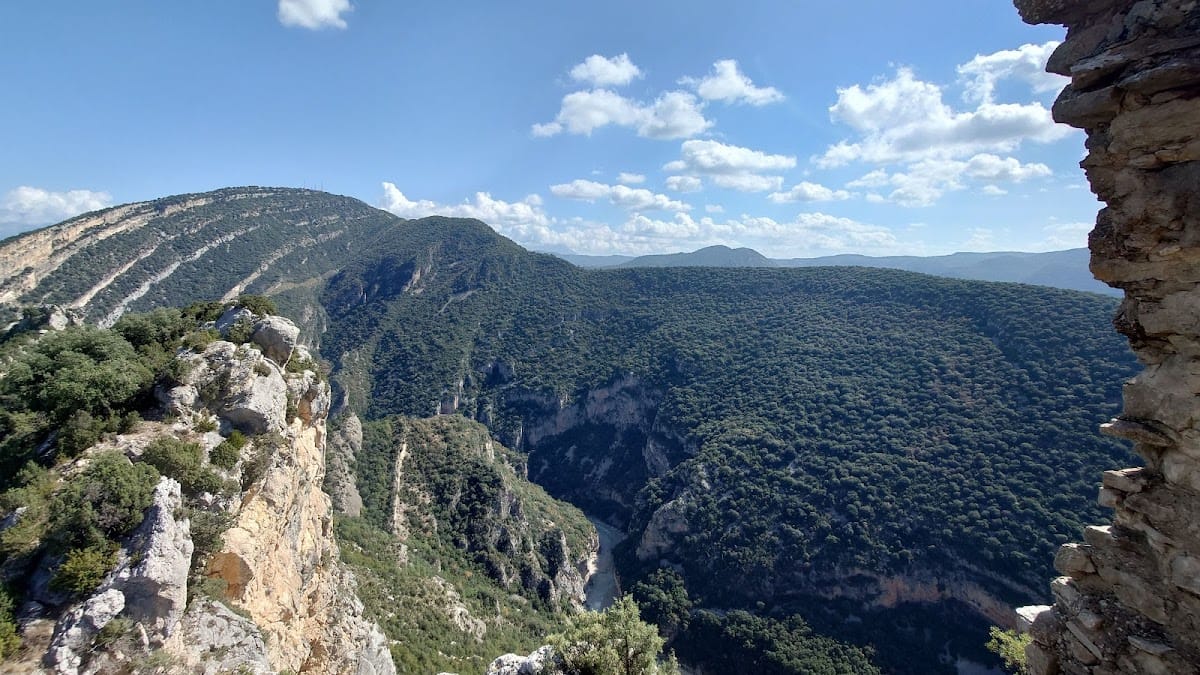
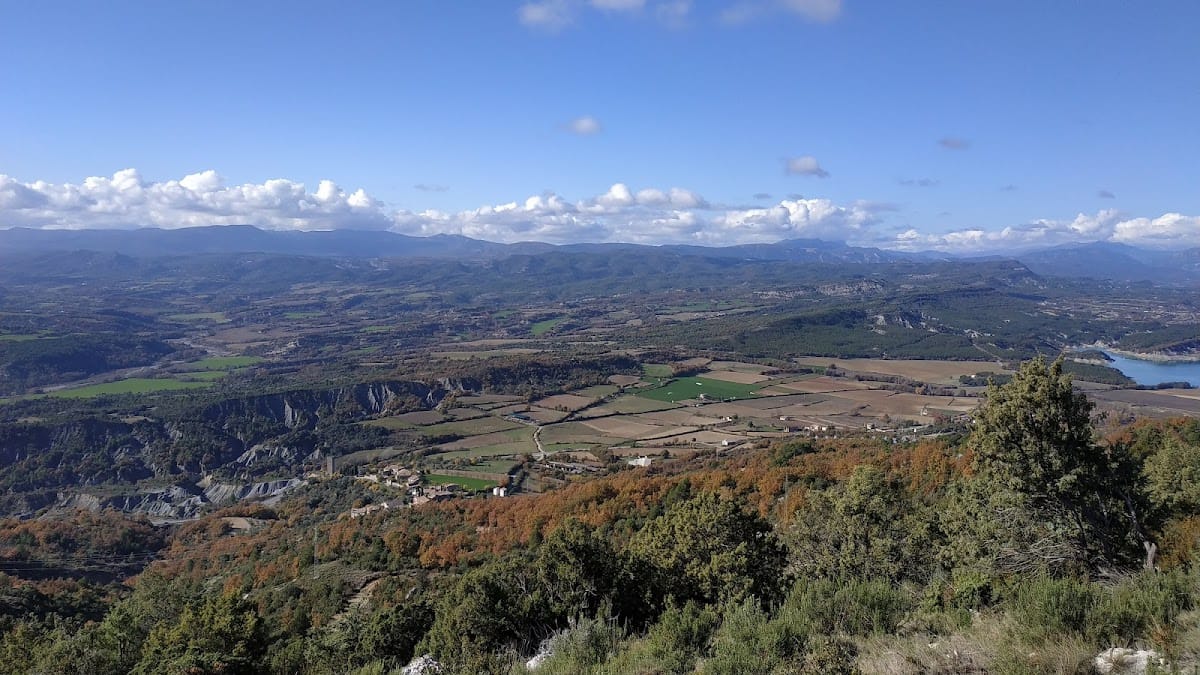
The surviving complex follows the narrow crest of the Tozal de Samitier, a limestone ridge running mainly from southwest to northeast. A long escarpment with vertical or overhanging sections falls away along its southeastern side, while the northeastern slope is also very steep. These natural barriers made access difficult and reduced the need for continuous artificial walls. The position overlooks part of the Cinca River as it passes through the Entremón gorge.
Principal tower and enclosure
Defensive tower
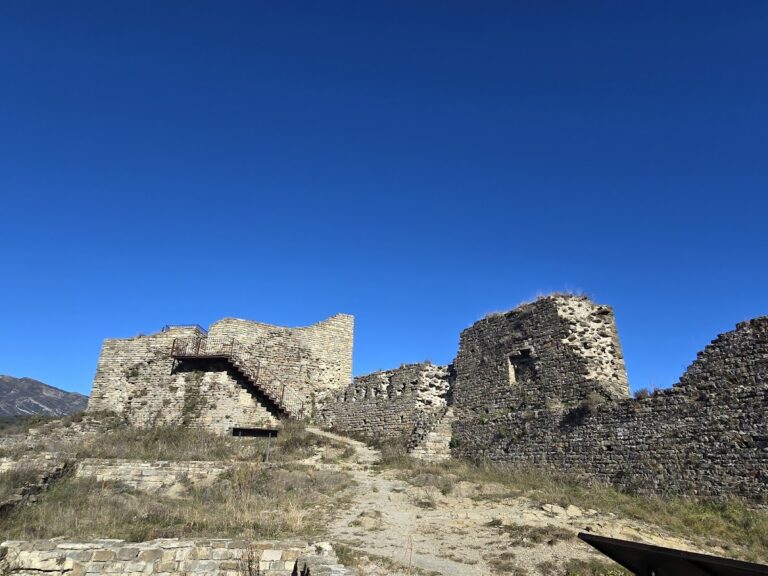
The main defensive tower occupies the ridge’s most inaccessible point. It has a polygonal plan, stood at least two storeys high, and retains arrow slits in its façades. A removable ladder provided access to the entrance, while a wooden structure above the doorway helped regulate approach. A cistern supplied water for the occupants, strengthening the tower’s ability to function in its exposed position.
Connecting wall
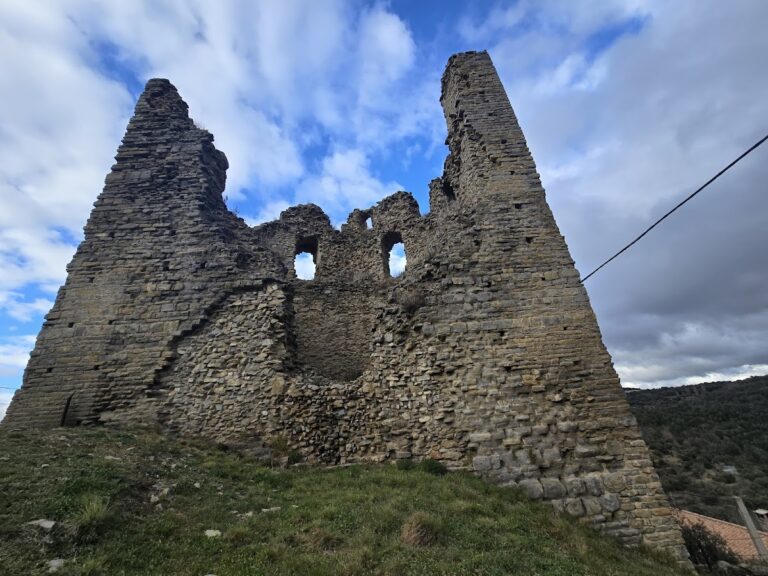
A short wall joined the tower to the church and enclosed the complex along the northern and northwestern sides. The remaining wall is fragmentary, with a line of stones visible at ground level and what appears to be the square base of a tower. The cliffs and steep ground formed the main defenses on the other sides.
Detached observation tower
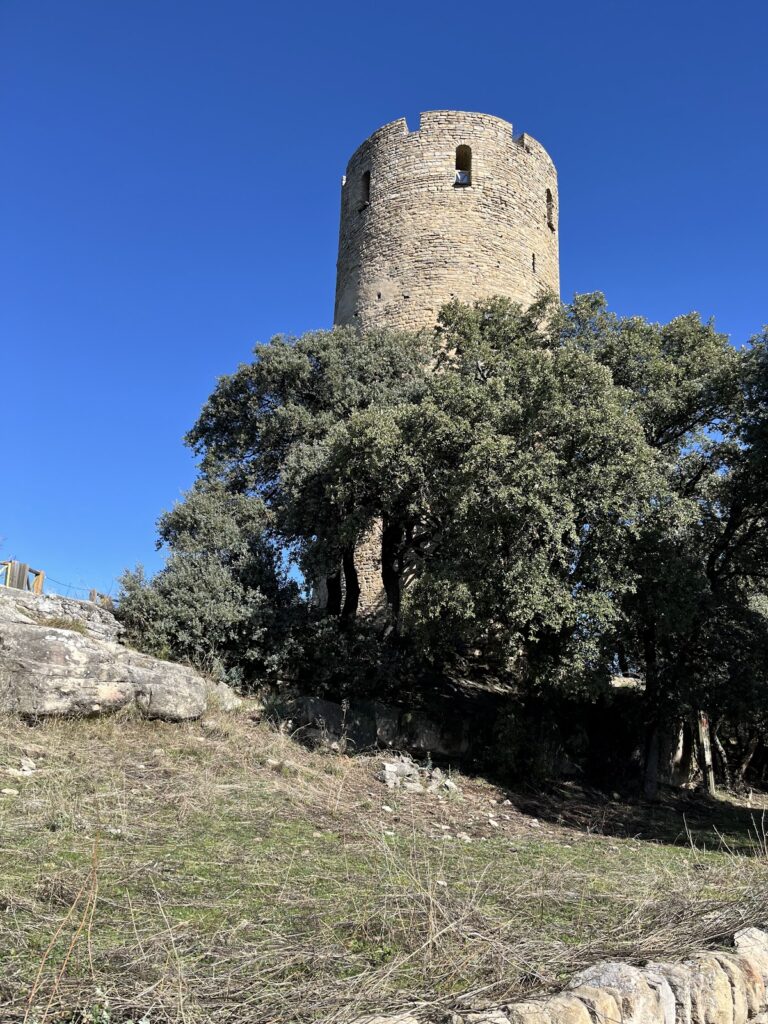
About 500 metres from the principal enclosure, a circular albarrana tower stands on a rocky point. An albarrana is a detached defensive tower placed outside a main fortification to improve surveillance and cover approaches. The tower is generally interpreted as an advanced observation position. It also maintained visual contact with three castles to the southwest that could not be seen directly from the principal tower.
Fortified church
Church layout
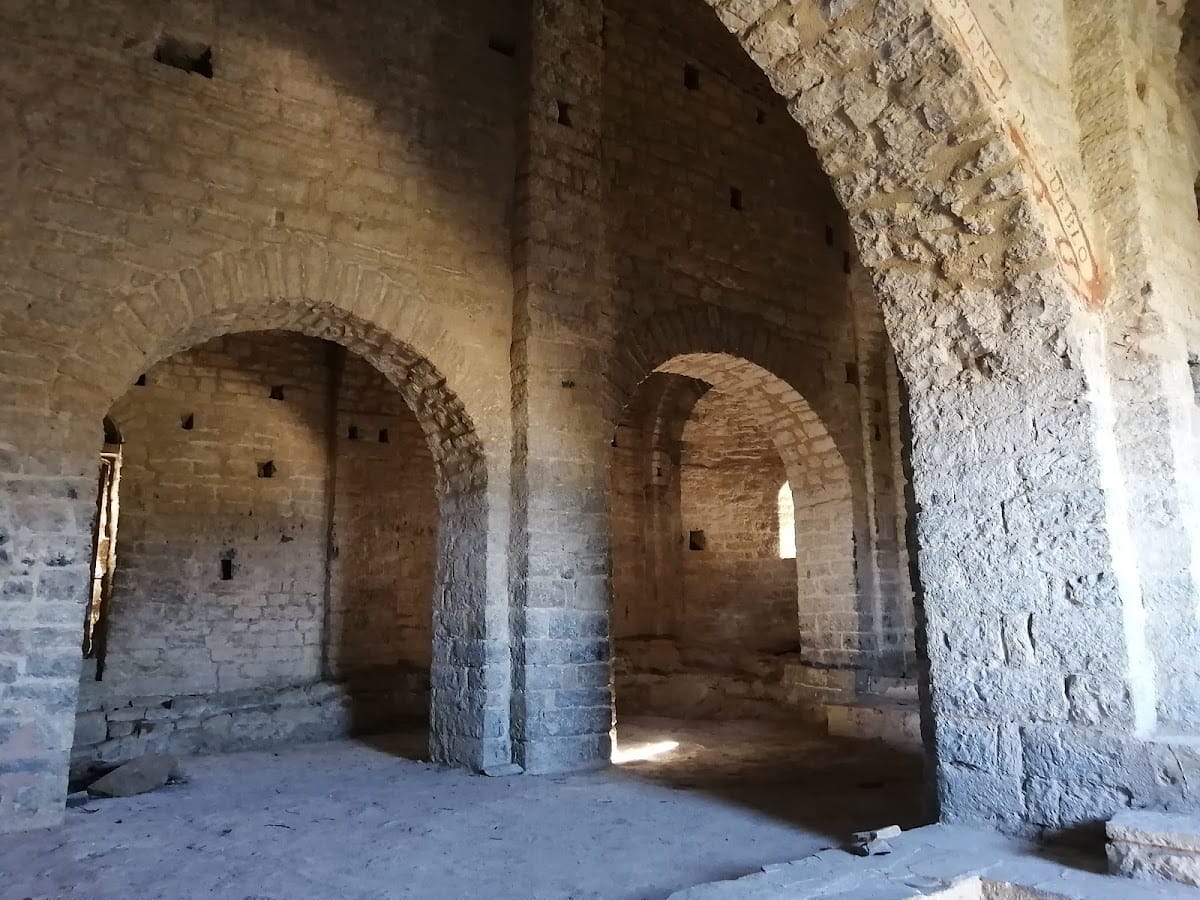
The church of San Emeterio and San Celedonio forms part of the fortification and blocks the approach to the enclosure. Anyone attacking the castle had to pass through the church to reach the higher ground occupied by its defenders. The building has three naves running north to south and three apses, one serving each nave. The apses project from the southwestern façade, leaving only a narrow area between the structure and the cliff edge.
Crypts and foundation
The lower crypt formed the principal entrance to the church. Its position placed defenders above those approaching from below and provided horizontal support for the building on the sloping ridge. The crypt is double: the second chamber is blind and functions solely as a foundation. This lower structure was the first part of the church to be built, probably by Lombard masters, medieval craftsmen associated with an early Romanesque building tradition. The upper church was constructed afterward in its three-naved form.
The church and castle preserve an integrated military and religious arrangement. The building’s position, the surrounding cliffs, the enclosed approach, and the detached tower worked together to control movement and observation across the ridge and the Cinca corridor.
Nearby sites