Piel Castle: A Medieval Fortress and Harbour Stronghold in England
Site at a Glance
- Rating
- 4.8
- Popularity
- Low
- Country
- United Kingdom
- Primary era
- Medieval
- External website
- Open
- Eras represented
- Medieval
- Civilizations
- English
- Site type
- Military
- Remains
- Castle
On this page12 sections
History
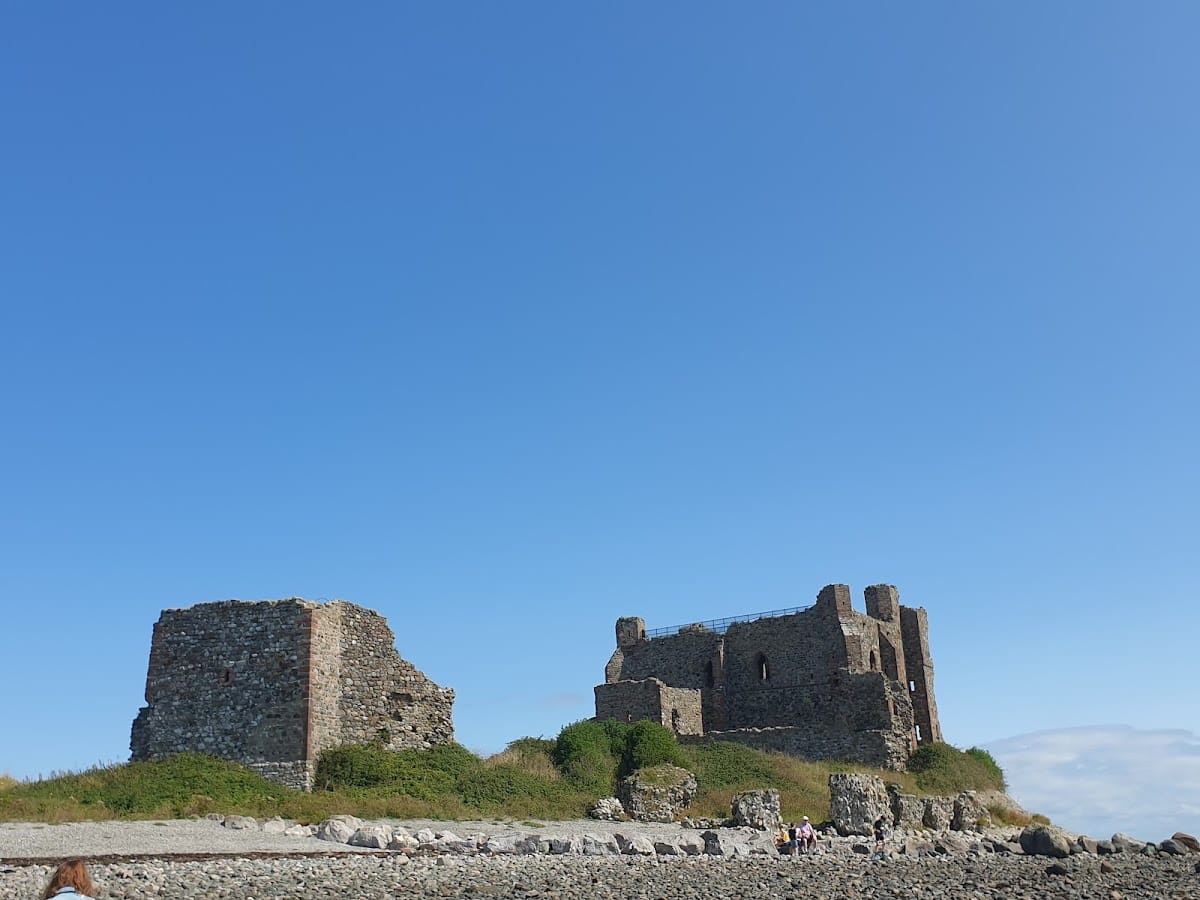
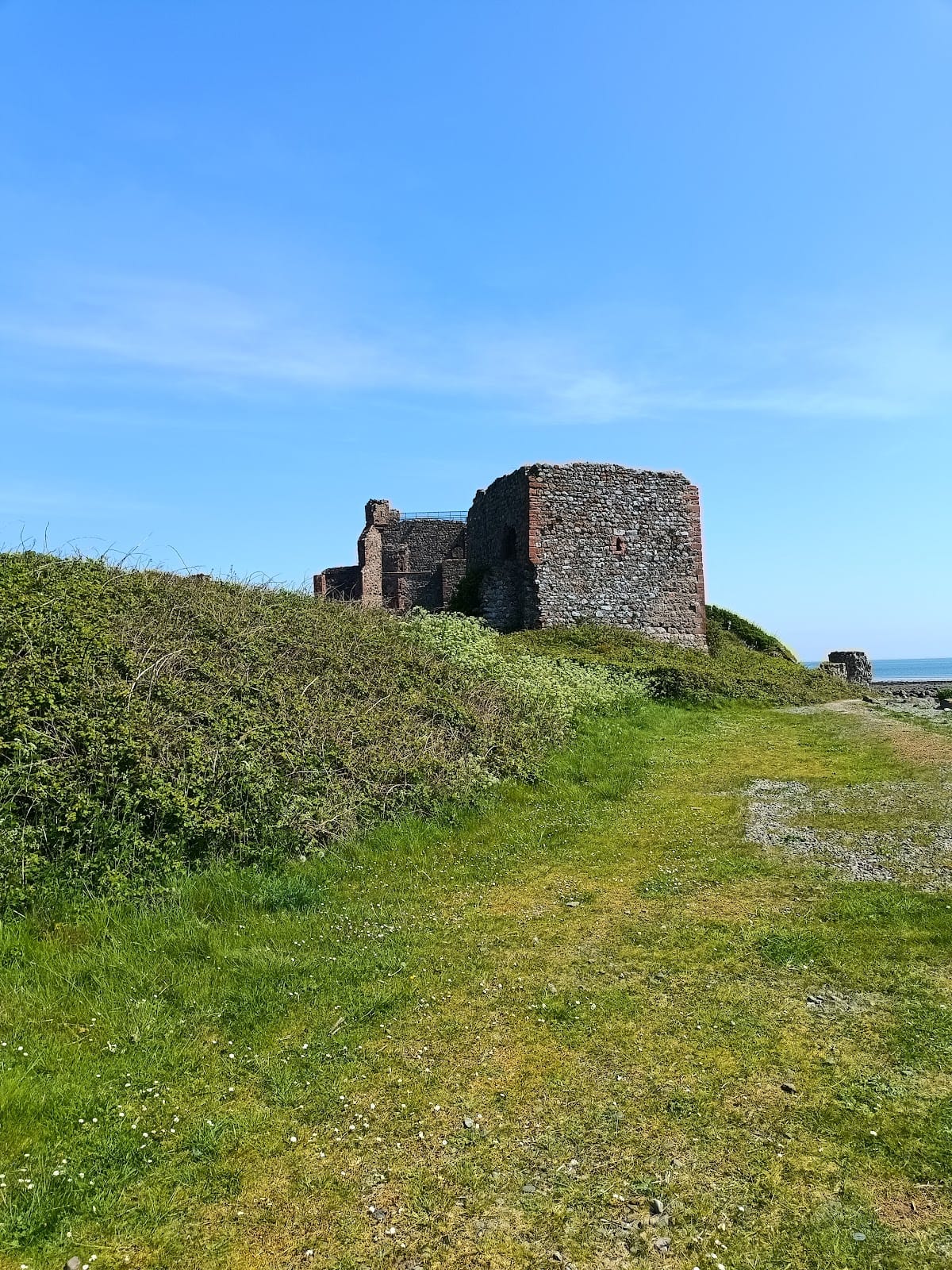
Piel Castle is a medieval fortress on Piel Island, United Kingdom, built by the monks of Furness Abbey around 1327 in an Edwardian concentric style. It stands at the south-eastern end of the island, overlooking the deep-water harbour outside Barrow Haven, now Barrow-in-Furness. The castle supervised trade through the harbour and defended the interests of Furness Abbey during a period when Scottish raids had affected the Furness region in 1316 and 1322.
Early fortification and construction
An earlier fortification may have stood on Piel Island during the twelfth century. Local monks might have built it during the reign of King Stephen, although this possibility remains uncertain. The castle known today began around 1327, when John Cockerham, abbot of Furness Abbey, received from Edward III a licence to crenellate, meaning royal permission to add battlements and related defensive works.
Anthony Emery has interpreted the building programme as a sequence of three stages. The first created a relatively lightly fortified central residential building, probably intended as a summer residence for the abbot. As the Scottish threat grew, an inner bailey wall was added, followed later by an outer bailey wall. A bailey was an enclosed castle court, while a curtain wall formed the defensive enclosure around it.
Late medieval use and political conflict
In 1408, Abbot John Bolton judged the castle too costly to maintain and tried to dismantle its defences. Henry IV stopped the work, and rebuilding took place around 1429. Furness Abbey also used Piel Castle in a smuggling operation involving wool. Merchants in English-controlled Calais complained because wool was legally required to pass through the French port.
The castle entered national political history in 1487, when Lambert Simnel, a Yorkist claimant to the English throne, landed on Piel Island. He gathered local support and held court at the castle before moving inland. His cause ended with defeat at the Battle of Stoke Field.
Decline and changing ownership
By 1534, Piel Castle was described as severely decayed. The dissolution of Furness Abbey in 1537 transferred the castle to the Crown. After 1660, it was granted to George Monck, first Duke of Albemarle.
By the late eighteenth century, maritime pilots were using Piel Island as a base, while the castle had passed to the Dukes of Buccleuch. William Wordsworth visited the area in 1811 and wrote the poem Peele Castle. His spelling has sometimes caused confusion with Peel Castle on the Isle of Man.
Erosion, restoration, and public care
Sea erosion caused major damage during the early nineteenth century, including the collapse of one side of the keep. Walter Scott, Duke of Buccleuch, purchased the remainder of the island and carried out extensive restoration in 1877 and 1878. The work added protective outworks against the sea, repaired damaged ashlar features, and sheltered the tops of the walls. Ashlar is finely dressed masonry made from carefully shaped stone blocks. The restoration also destroyed most traces of the castle’s medieval occupation.
In 1919, John Montagu Douglas Scott, seventh Duke of Buccleuch, planned to sell the island and castle. After intervention by Barrow mayor Alfred Barrow, he gave both to the local authorities in 1920 as a memorial to people who had died in the First World War. The castle entered central government care in 1973 and is now managed by English Heritage, the organization responsible for many historic sites and protected monuments in England. An archaeological survey commissioned in 1984 and carried out by Rachel Newman of Lancaster University led to a restoration programme completed in 1991.
Piel Castle is protected as a Grade I listed building, the highest category of statutory protection for buildings of exceptional historical or architectural interest. By 2022, substantial areas of the low-lying island had been lost to the sea. Continued coastal erosion, intensified by climate change, placed the castle, particularly its keep, at risk. English Heritage launched a fundraising campaign in September 2022 to strengthen and protect the ruins.
Remains
Layout and construction
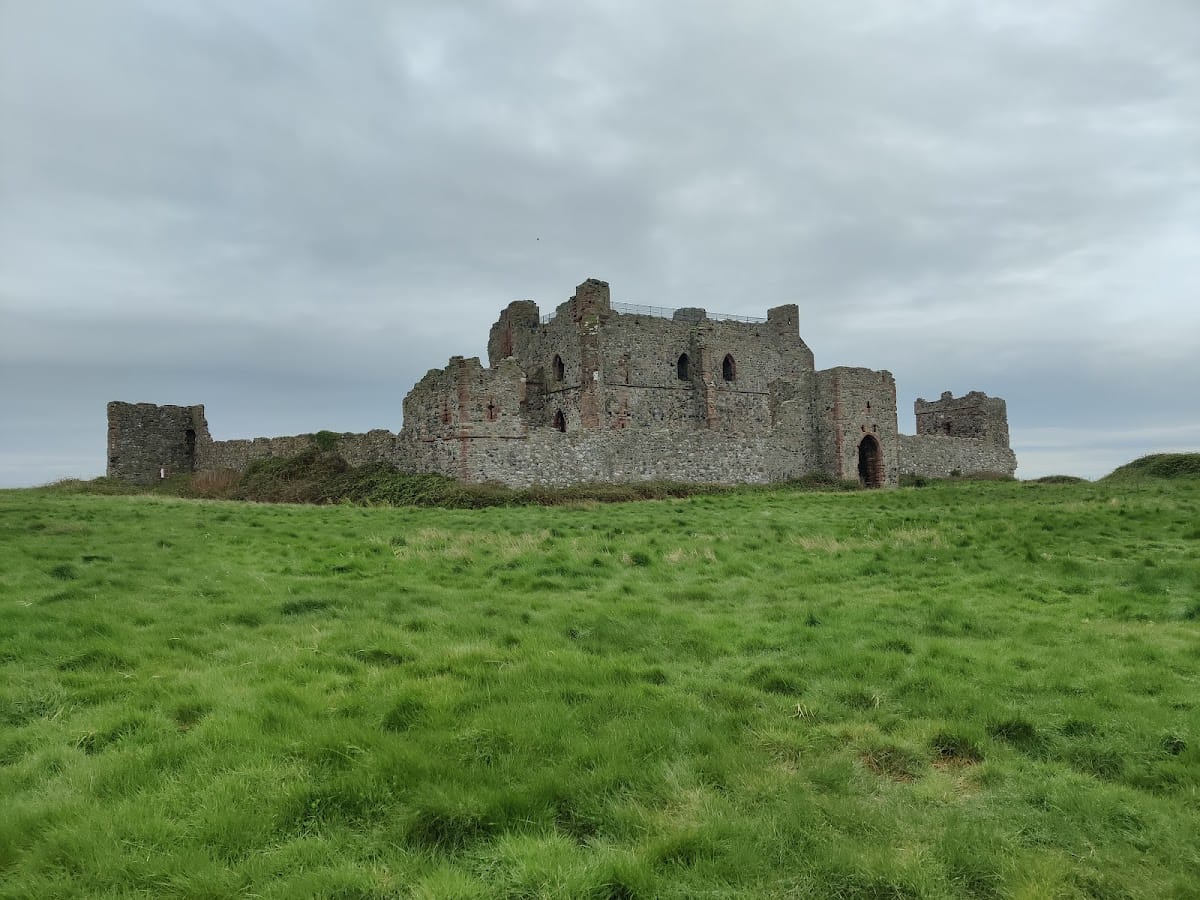
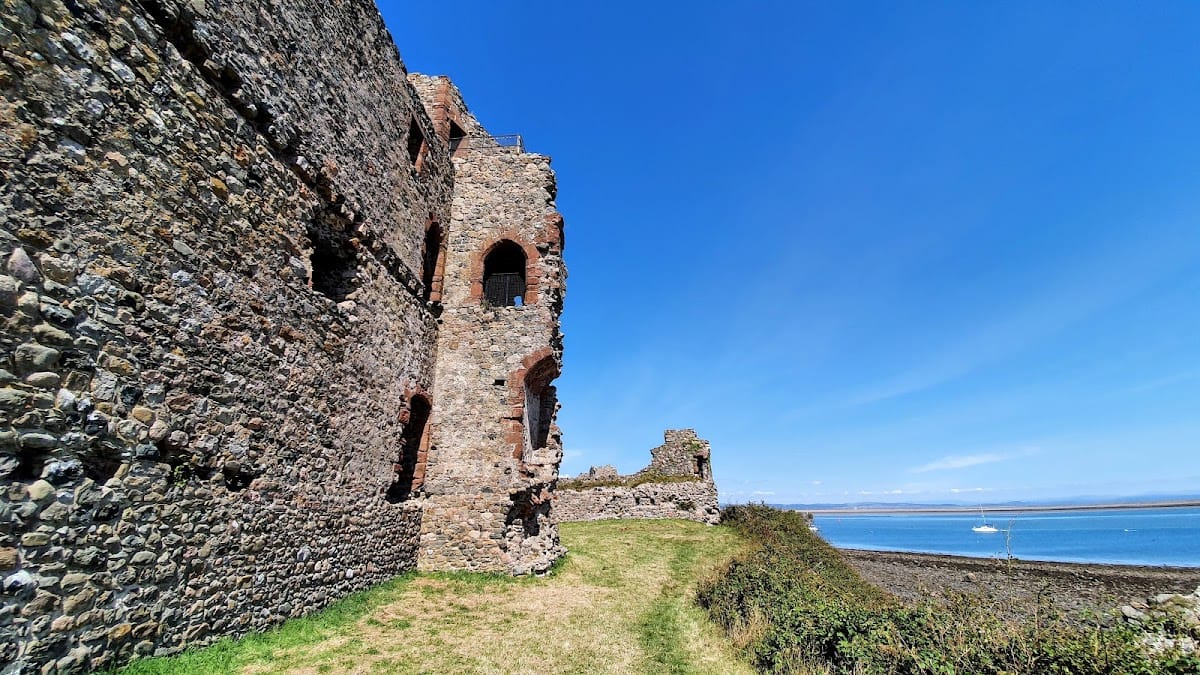
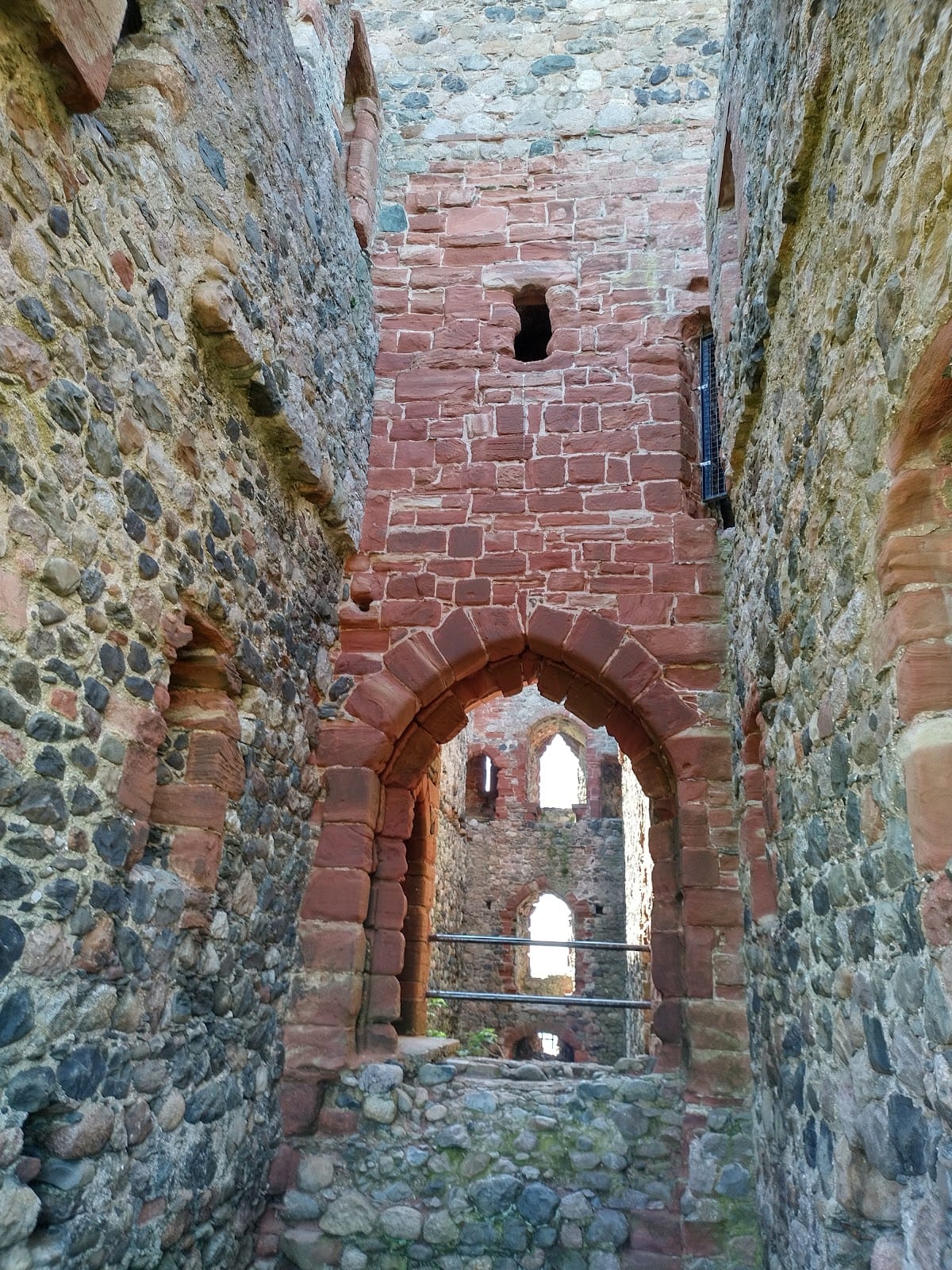
Piel Castle follows a concentric plan, with successive defensive enclosures arranged around a central stronghold. The keep occupies the south-eastern corner, while the inner and outer baileys extend towards the north-west. Their curtain walls originally formed roughly square enclosures and were protected by ditches. Most of the castle was built from stones gathered on the local beach and bonded with liquid mortar. Doorways and windows used finer red ashlar sandstone brought from the mainland.
Keep
The keep is a three-storey building set on a low clay mound, with clay also forming the base of the wider castle. It rises approximately 14 metres and measures about 23 metres by 23 metres. Protruding buttresses strengthen its walls, and a tower occupies the south-eastern corner. The original entrance opened at ground level, but a later gatehouse on the north side, measuring about 7.6 metres by 4.9 metres, raised access to the first floor. A carved female figure above the entrance arch may represent Salome, the biblical figure traditionally associated with the execution of John the Baptist, although that identification remains uncertain.
Large windows once lit the first and second floors, and the lower level of these windows was later blocked. The unusual internal plan was divided into three sections, creating a central hall on each floor. Erosion caused the eastern side of the keep to collapse. Anthony Emery has interpreted the building as a residential tower house rather than a conventional keep, comparing it with the tower at Langley Castle.
Bailey defences
Inner bailey
The inner bailey curtain wall is approximately 2.4 metres thick and was protected by a moat about 7.6 metres wide. A gatehouse in the wall was built shortly after the castle’s initial construction. The towers were later additions, reflecting the castle’s gradual development as its defensive role increased.
Outer bailey
The outer bailey wall was also about 2.4 metres thick in places, although it has lost much of its substance and may have been relatively weak from the beginning. Its surrounding moat reaches approximately 13 metres in width and 3 metres in depth. Defensive towers stood along the outer enclosure, each measuring about 4.7 metres across. Sea erosion has damaged the bailey walls and caused parts of the castle to disappear, leaving fallen stone fragments visible on the beach below the ruins.
Chapel and local tradition
The outer bailey contains a stone building known as the chapel, measuring approximately 9.4 metres by 4.6 metres. Its original function is unknown, and it appears to have been built late in the castle’s history, possibly after the site had become ruinous. Local tradition describes an escape tunnel connecting Piel Castle with Furness Abbey and carrying monks from the mainland, but the tradition is not reflected in the surviving castle fabric.