Dolha Castle: A Baroque Palace-Fortress in Ukraine
Visitor Information
Google Rating: 4.3
Popularity: Low
Country: Ukraine
Civilization: Early Modern, Medieval European
Site type: Military
Remains: Castle
History
Dolha Castle is located in the village of Dovhe in modern-day Ukraine. It was constructed by members of the Teleki family during the 18th century following developments tied to the legacy of regional conflicts and noble estates.
The site’s earliest known association is with the Dolhay family, who held the estate in medieval times. Their stone fortress, dating from the 15th century, stood here until 1471 when it was demolished by royal order. This marked the end of the original medieval stronghold on the location, which then remained without a major fortress for over two centuries.
After the War of Independence led by Francis II Rákóczi in the early 18th century, the Teleki family came into possession of the estate as a reward from Emperor Charles VI. In 1711, the emperor granted the land to the Teleki clan for their loyal support during the conflict. Construction of the new castle began soon afterward, transforming the site into a fortified summer residence for Count László Teleki. Initial building phases from 1712 to 1722 focused on creating residential structures, followed by the addition of defensive walls and auxiliary buildings. A new gate tower was finished in 1774, and by 1798 the entire complex had been completed, taking shape as a baroque palace combined with fortifications.
Ownership passed through several family members over the years. László Teleki’s daughter, Zsuzsanna, inherited the estate, and it later came to his nephew László II. He notably married Ester Ráday, the daughter of Pál Ráday, who had served as chancellor under Francis II Rákóczi, linking the castle’s owners to prominent historical figures of the region.
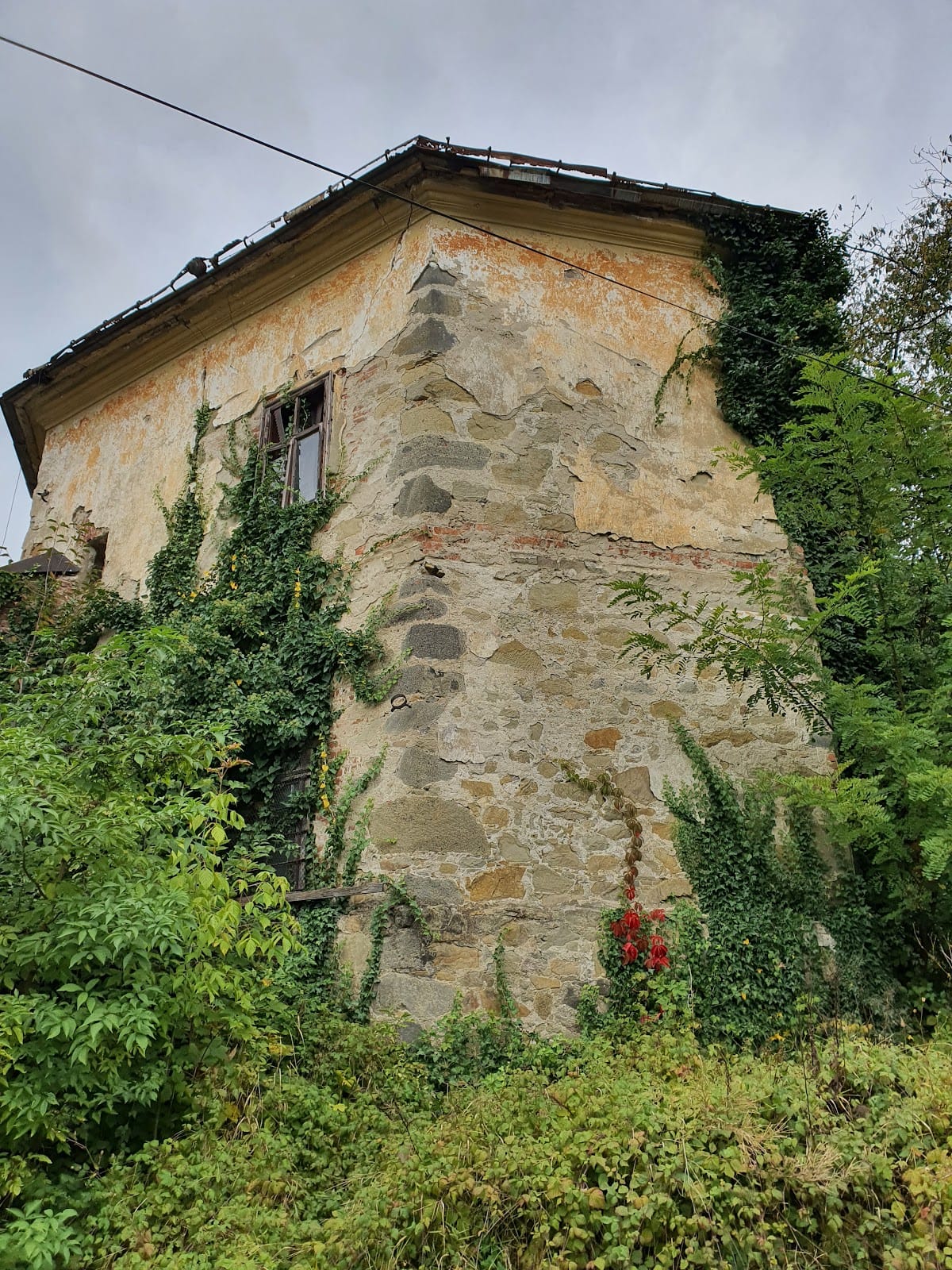
In the 20th century, facing potential confiscation by the Czechoslovak government, the castle was leased in 1928 by Count Teleki to the Knights of Malta. Since 1954, the property has been repurposed to house a tuberculosis hospital, and its condition has since declined. Despite these changes, the castle remains a tangible reminder of the estate’s layered history, spanning from medieval ownership through baroque reconstruction and twentieth-century adaptations.
Remains
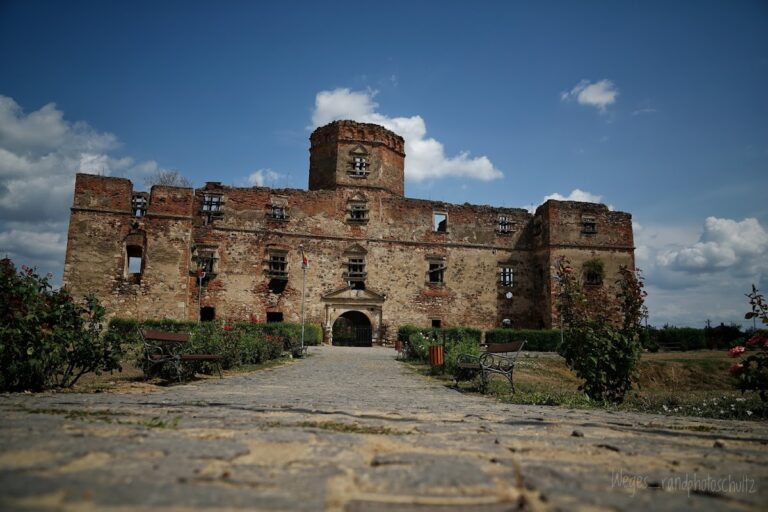
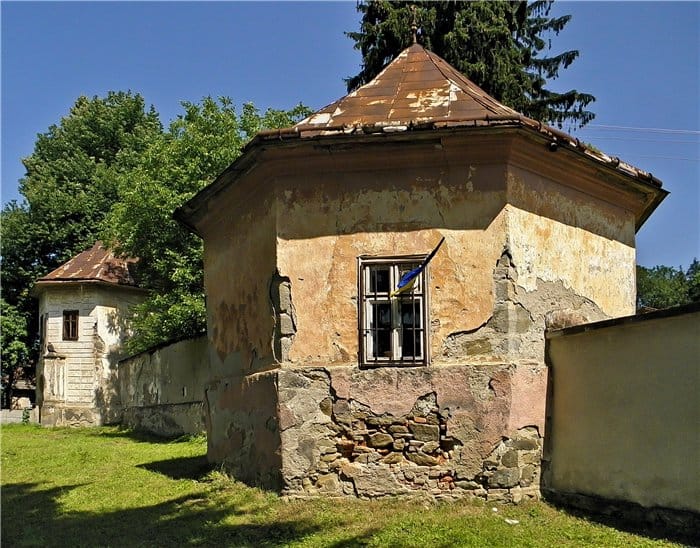
The castle complex at Dolha stands as a baroque-style palace-fortress enclosed within a square defensive wall measuring approximately 65 meters on each side. The fortifications incorporate five prominent octagonal towers, four located at each corner, each topped with distinctive octagonal tent-shaped roofs. A centrally positioned gate tower anchors the southwestern wall, rising to two stories and capped with a similarly tented roof. Above its entrance, the gate tower bears a carved carving featuring the coat of arms of the village, serving as a heraldic reminder of its local significance.
Attached to the northwestern defensive wall is the palace building itself, designed as a single-story rectangular structure. Its roof features a four-sided mansard style, which allows for expanded attic space. The main facade is distinguished by a projecting section known as a risalit and decorated vertical columns called pilasters. Large rectangular windows are framed with molded plaster, adding to the elegance of this baroque residence.
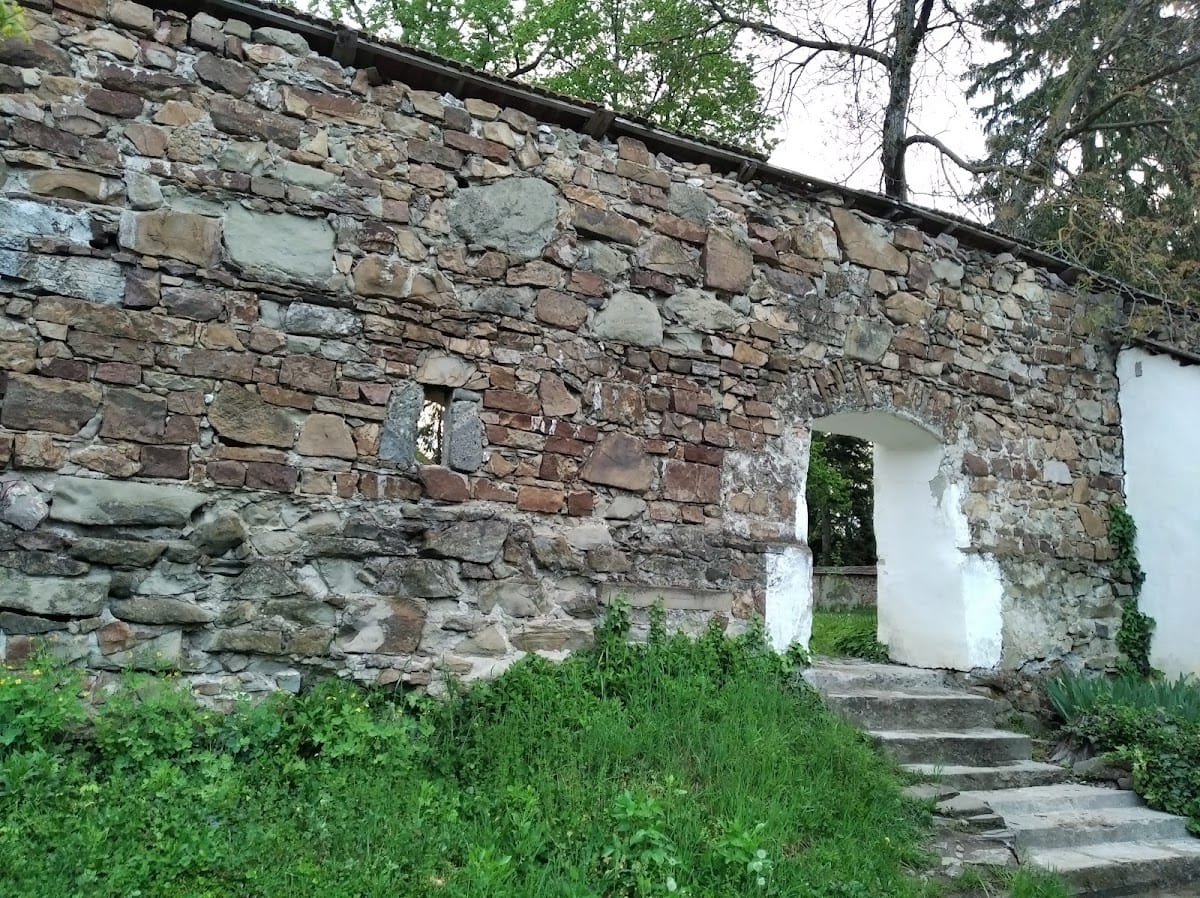
Stone defensive walls run along the southwest and northeast sides adjoining the palace. A single-story economic building is connected to the northeastern defensive wall, likely serving as storage or service quarters, while another administrative building stands beyond the main fortified enclosure, indicating a separation of functions within the estate.
Archaeological investigation has revealed remnants of an earlier noble residence beneath the palace structures. These remains date from between the 15th and 18th centuries, suggesting continuity of occupation and building over several centuries at the site.
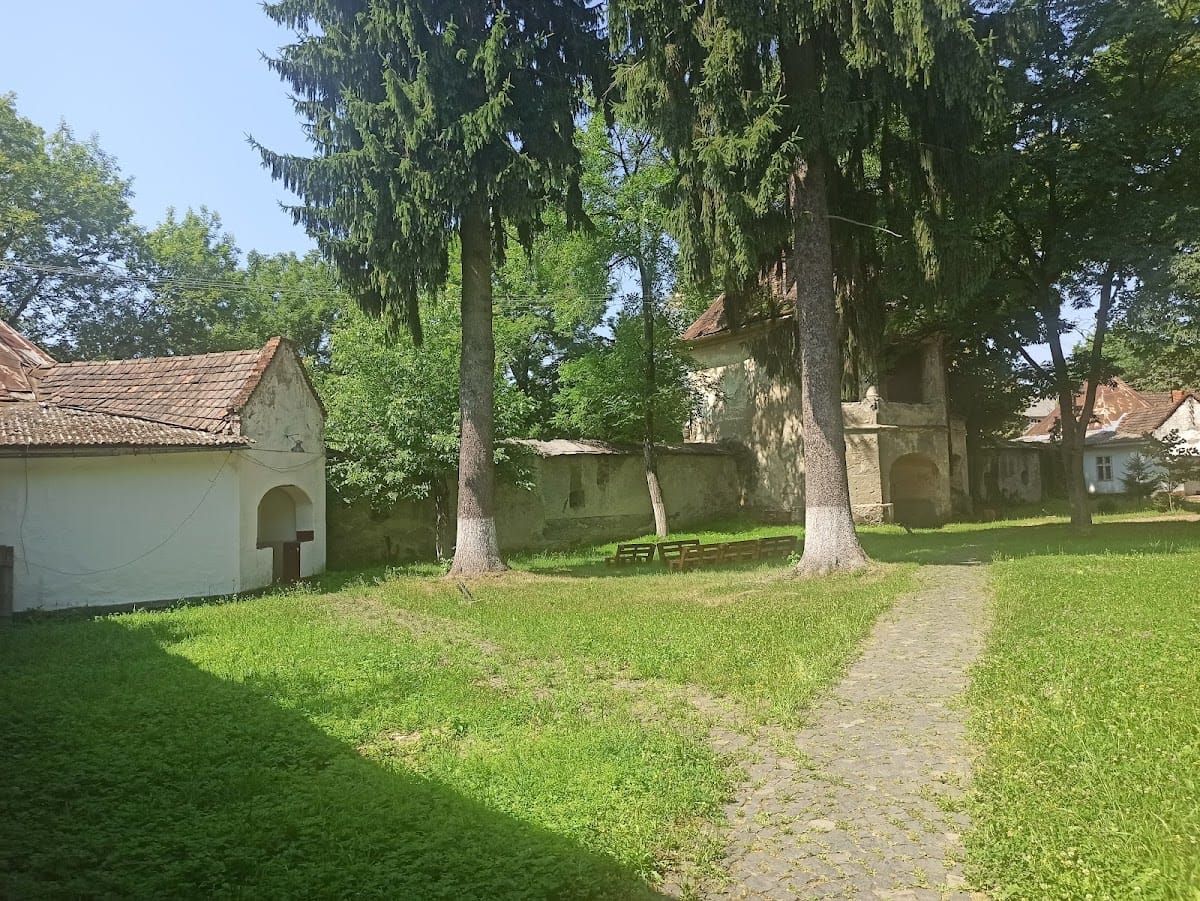
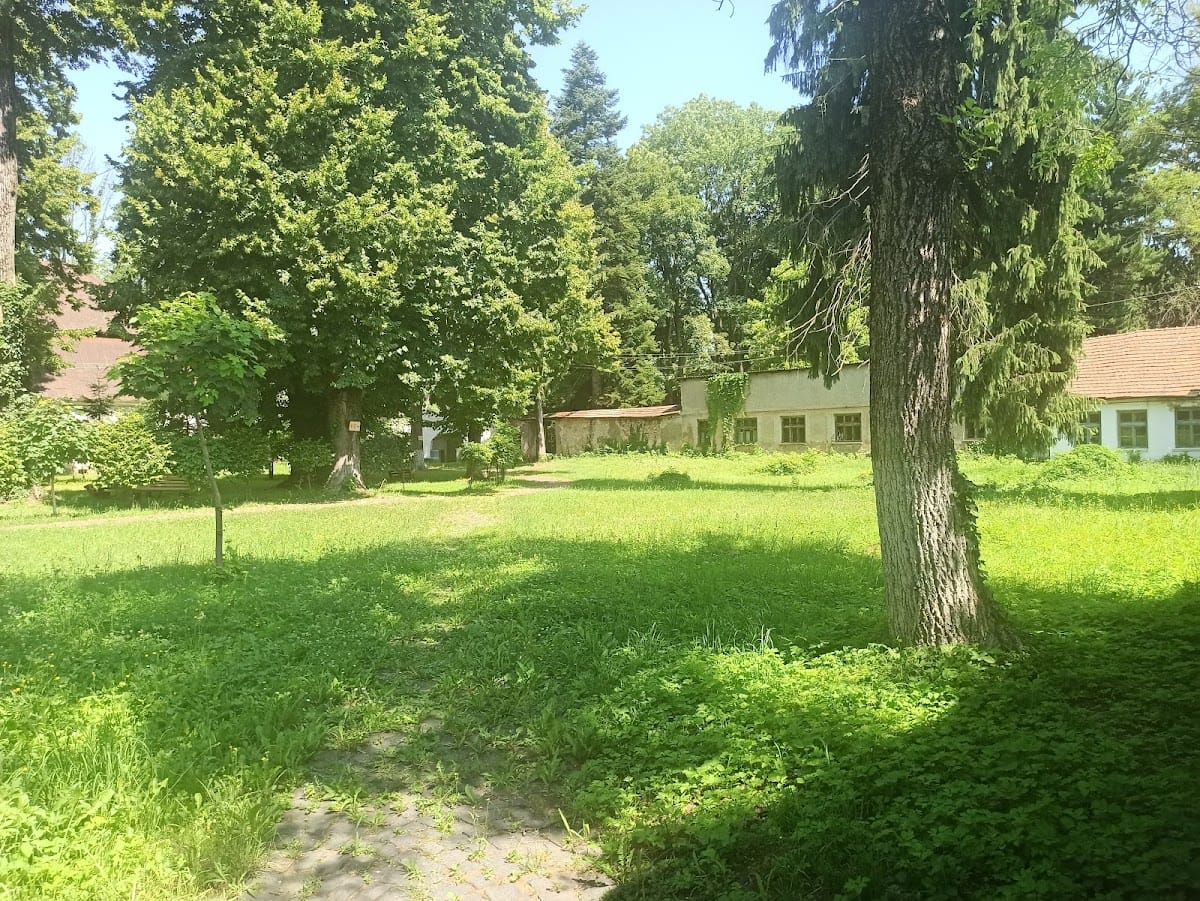
Within the castle’s enclosed courtyard, a small park preserves its original layout. It notably contains two ancient linden trees, one of which is especially venerable, estimated to be over six centuries old. This tree measures about six meters in circumference and reaches a height of 25 meters, standing as a living witness to the estate’s long history.