Castelo de Pirescoxe: A Medieval Castellated Manor Palace in Portugal
Site at a Glance
- Rating
- 4.2
- Popularity
- Medium
- Country
- Portugal
- Primary era
- Medieval
- External website
- Open
- Eras represented
- Medieval, Early Modern
- Civilizations
- Portuguese
- Site type
- Domestic
- Remains
- Castle
On this page10 sections
History
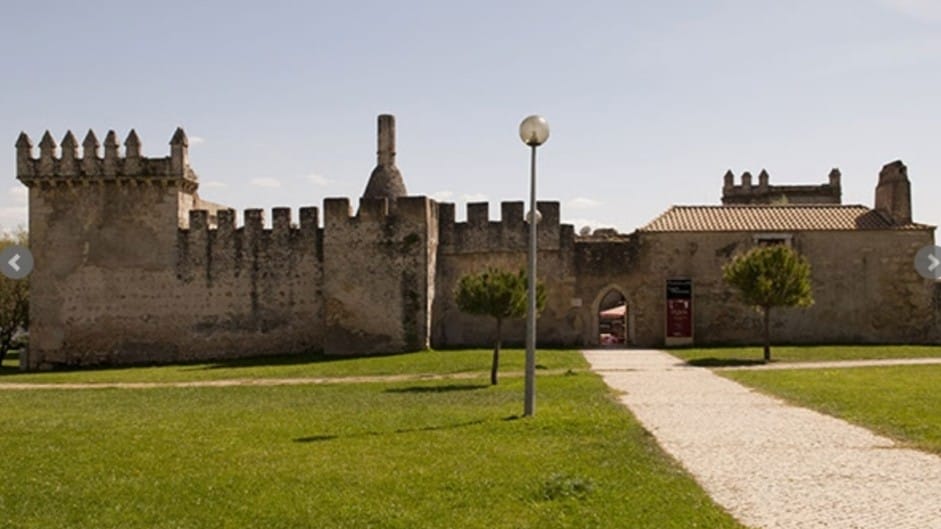
Castelo de Pirescoxe is a medieval castellated manor palace in Portugal, located at Pirescoxe in Santa Iria de Azoia, within the municipality of Loures. Built for the Portuguese nobility in 1442, it reflects the late medieval tradition of residences that combined a courtly home with an appearance of military strength.
Foundation and noble residence
In 1442, Nuno Vasques de Castelo Branco and his wife, Joana Juzarte, established a morgadio, a hereditary entail that tied property to a family line and generally prevented its division or sale. The site had previously been a family rural estate, and the couple built the palace as their residence.
The origin of the name Pirescoxe remains uncertain. It has been connected either with Pero Escouche, probably Pedro Pais da Silva, who was also known as Pedro Pais Escachia or Pedro Escachia, or with a man named Pires who was called “Pires Coxo.”
Later alterations and abandonment
The interior was remodeled during the following century. The property remained associated with the Castelo Branco family until the death of Pedro de Castelo Branco da Cunha in 1675, after which the lineage became extinct. The palace was then abandoned and subsequently fell into ruin.
Born in 1620, Pedro de Castelo Branco da Cunha received the title of first Viscount of Castelo Branco from King John IV on 25 September 1648. King Afonso VI later made him the first Count of Pombeiro on 6 April 1668. He also commanded the Order of Our Lord Jesus Christ, a Portuguese religious and military order that inherited the institutional role and property of the former Knights Templar in Portugal, and served as captain of the guard of John IV’s son, Prince of Brazil Teodósio of Braganza.
Protection and rehabilitation
Castelo de Pirescoxe was classified as an Immovable Property of Public Interest under Decree no. 44,075, published on 5 December 1961. From 2001, the Municipality of Loures worked with the then Portuguese Institute for Architectural Heritage on a broad programme of consolidation, rehabilitation, and revitalization. Designed by the architect Francisco da Silva Dias, the project included archaeological prospecting directed by the archaeologist Raquel Silva and transformed the complex into a cultural space.
Local tradition says that King Sebastian’s treasure lies hidden in the castle cellars. King Sebastian ruled Portugal from 1557 to 1578 and disappeared during the Battle of Alcácer Quibir in 1578, an event that encouraged enduring stories about his survival and lost treasure. Another local story holds that the final owner left because people repeatedly disturbed the property at night while searching for it. The historian António Godinho considered the legend possibly rooted in fact because a former owner had accompanied Sebastian at Alcácer Quibir.
Remains
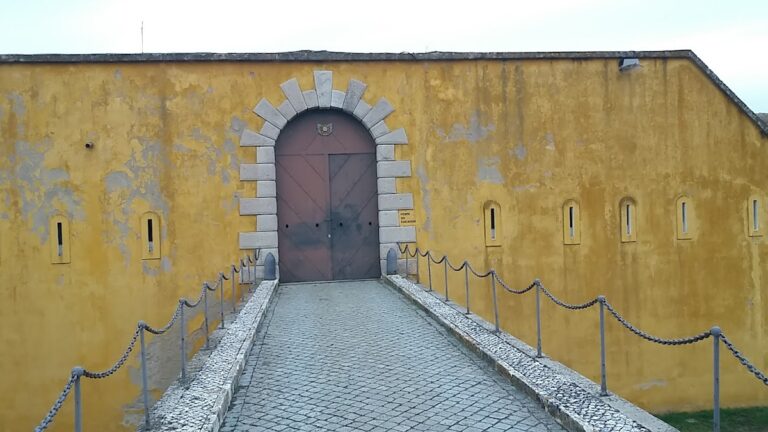
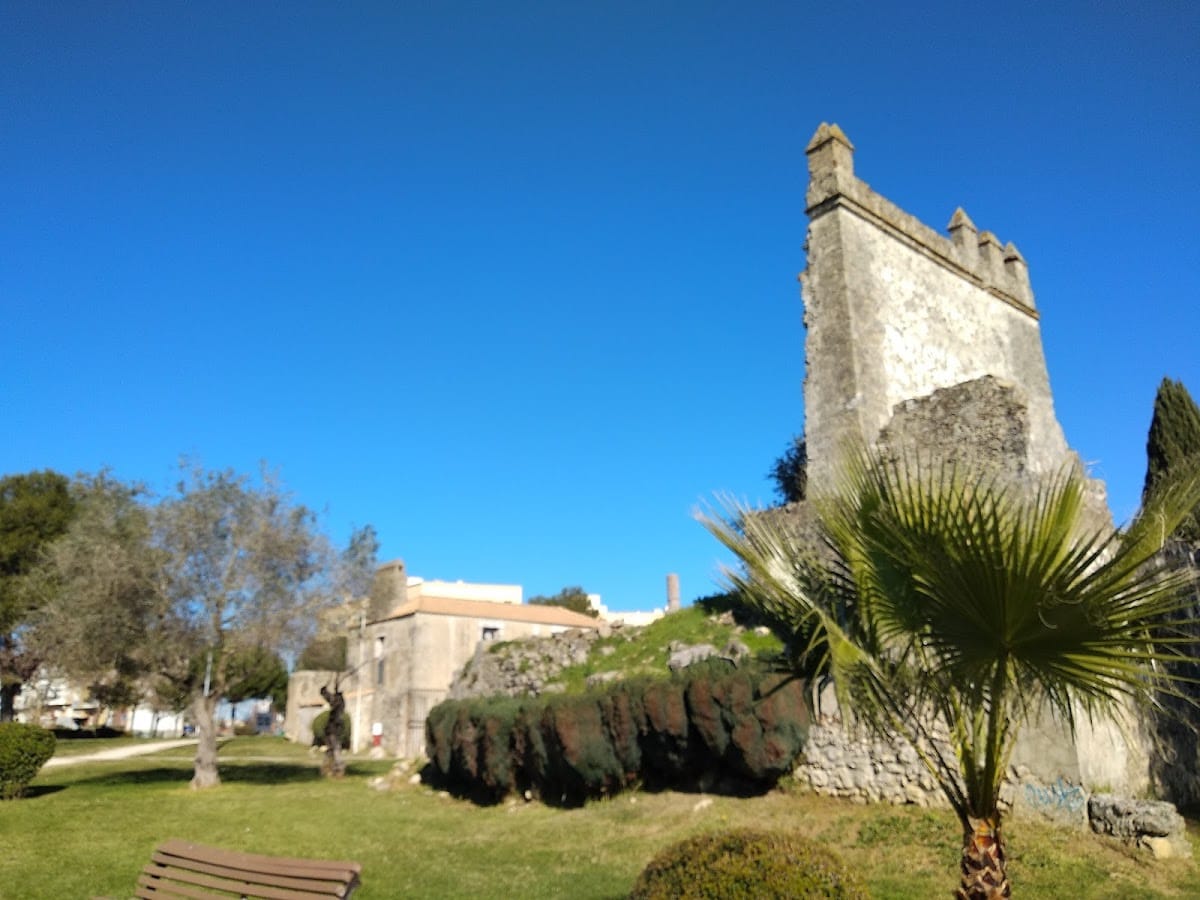
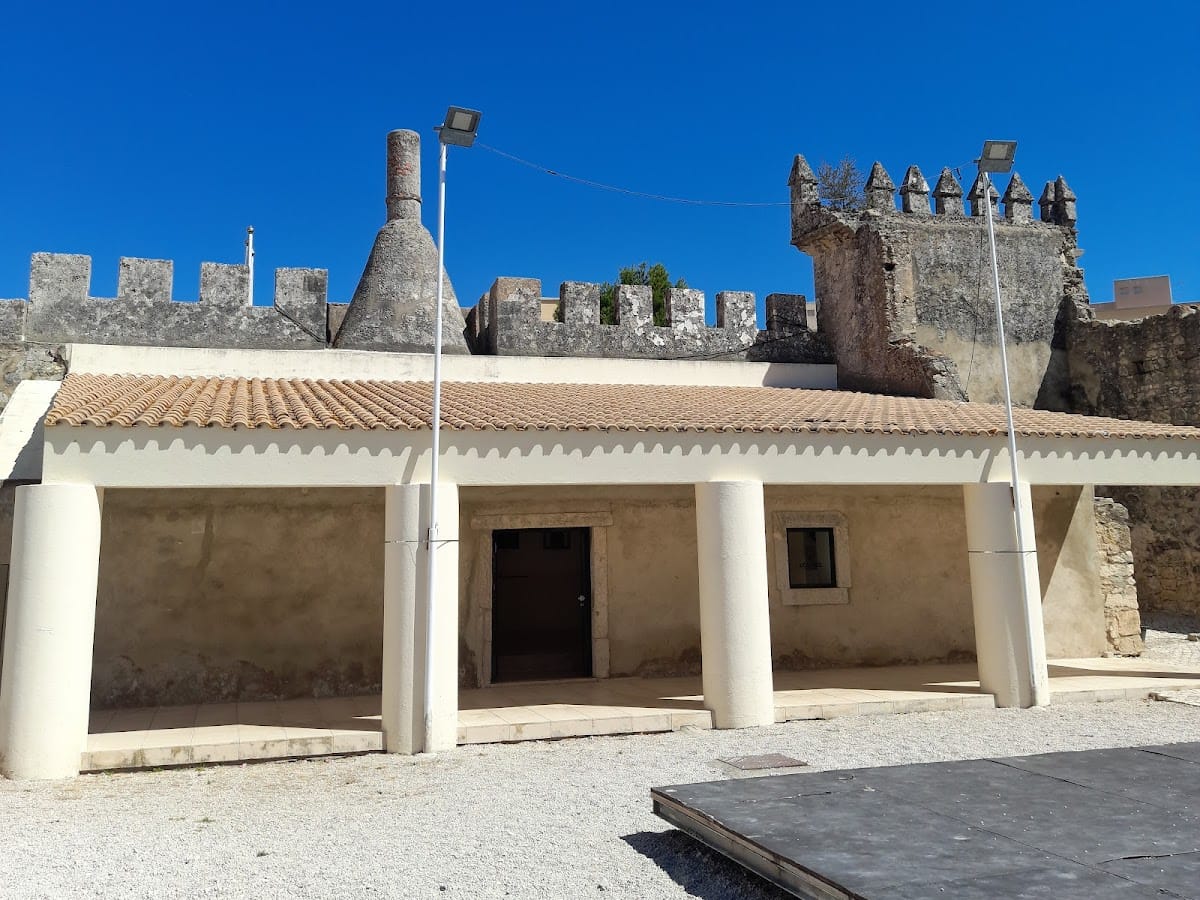
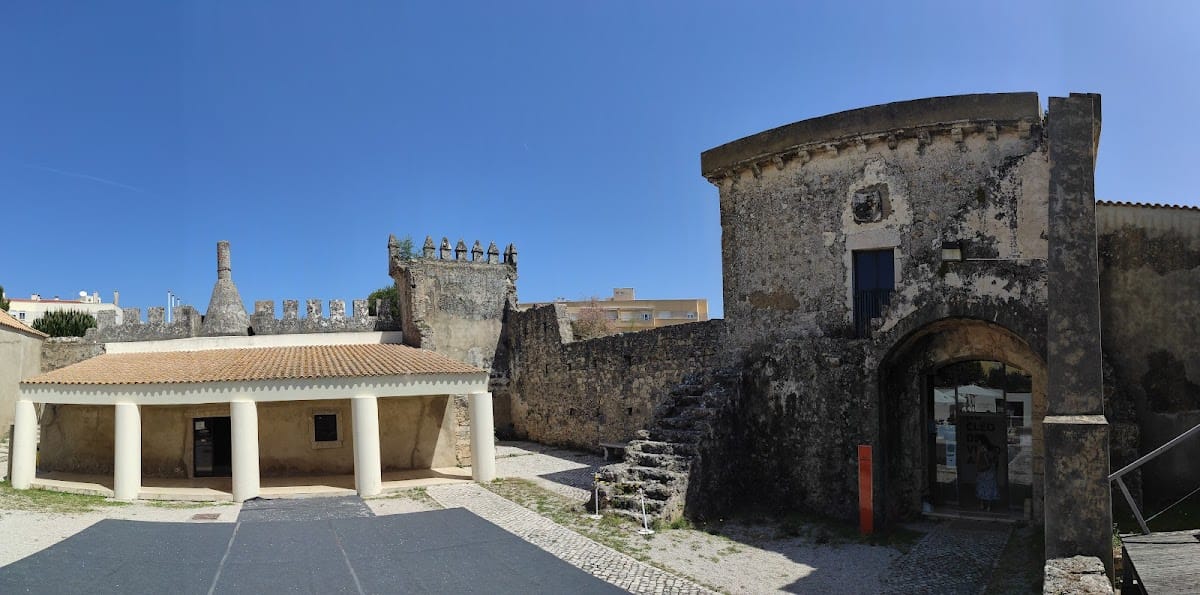
The complex is small and square in plan. Its exterior has the appearance of military architecture, while the internal organization served primarily residential purposes. A low crenellated wall surrounds the site, and three asymmetrically placed square towers reinforce it. Each tower has two storeys and crenellations, with projecting machicolations supported on corbels. Machicolations are structures with openings through which defenders could watch or attack people below a wall or tower.
Courtyard and residential wing
Central courtyard
The center of Castelo de Pirescoxe was organized around a courtyard that provided access to the different parts of the complex. This arrangement linked the residential, service, and religious spaces within the compact square enclosure.
Noble Hall and domestic rooms
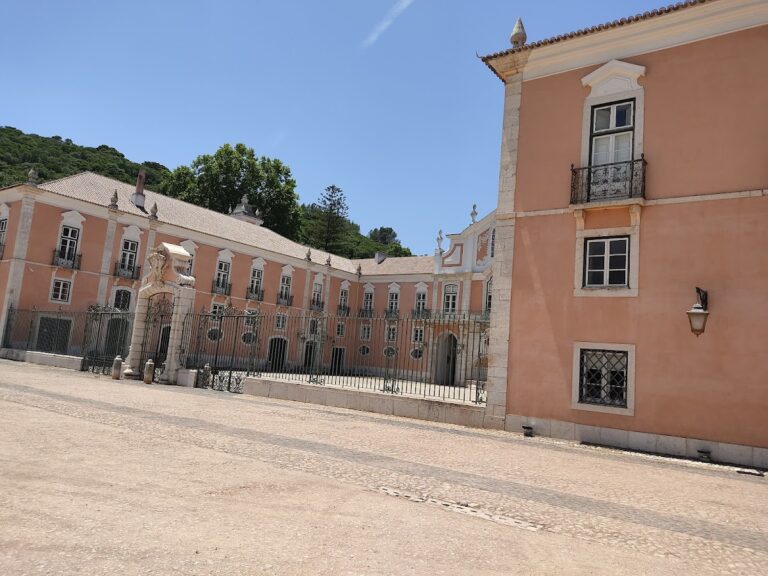
The residential wing extended along the main facade. Its Noble Hall retains a large chimney and was connected laterally to two other wings containing bedrooms, service rooms, and a chapel. The rear of the palace held domestic and servants’ areas, including kitchens, storerooms, and warehouses.
Chapel
In 1939, remains of the chapel’s original space and vault were still present. The chapel formed part of the residential arrangement beside the Noble Hall and the adjoining wings.
Setting and rehabilitated spaces
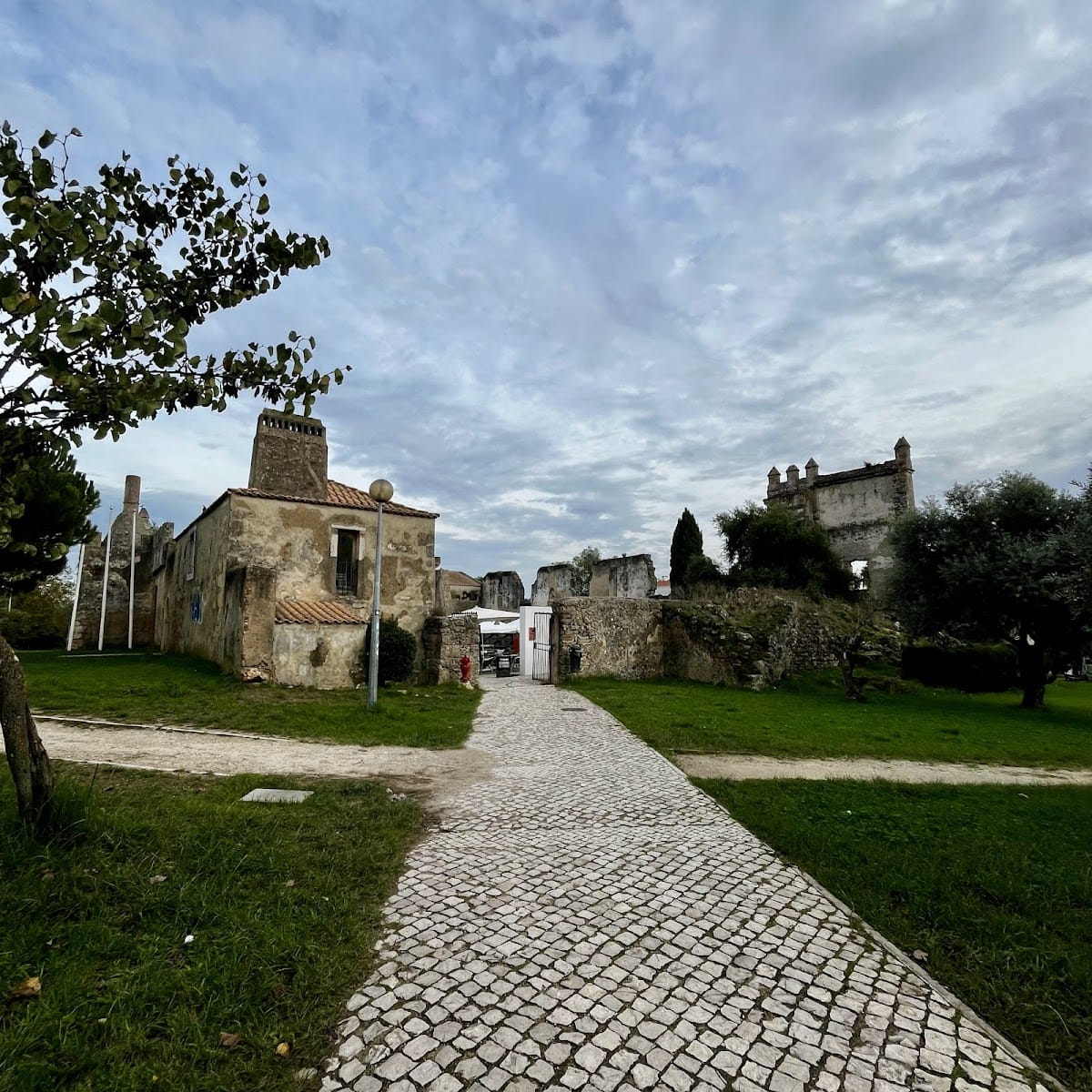
The palace originally stood in a largely rural setting on a prominent rise above the course of the Tagus River. Urbanization during the 1990s brought the complex within a housing development, and it is now surrounded by a small urban park.
The rehabilitation created several cultural facilities within the complex and its grounds, including an open-air auditorium, a cafeteria, an art gallery, and a multipurpose room. Landscaped areas surround the restored buildings.