Roman Theatre Lisbon: A Roman Civic Theatre in Portugal


Site at a Glance
- Rating
- 4.4
- Popularity
- Medium
- Country
- Portugal
- Primary era
- Classical
- External website
- Open
- Eras represented
- Classical
- Civilizations
- Roman
- Site type
- Entertainment
- Remains
- Theatre
On this page6 sections
History
Construction and Roman use
The Roman Theatre Lisbon is a first-century AD Roman civic building in Lisbon, Portugal, constructed during the reign of Augustus. Its exact foundation date is uncertain, but its architectural and decorative features indicate that it was built near the beginning of the century. The theatre stood on the southern slope of the hill of São Jorge Castle.
The building was rebuilt during the reign of Nero, the Roman emperor who ruled from AD 54 to 68. An inscription on the upper part of the proscenium, the architectural front of the stage, dates this renovation to AD 57. During the reign of Constantine in the early fourth century, part of the theatre was dismantled. The building was abandoned in the fourth century and later covered by Lisbon’s medieval expansion.
Rediscovery and archaeological investigation
The ruins came to light in 1798, during reconstruction work carried out in Lisbon after the earthquake of 1755. The discovery included fragments of columns and capitals. The first excavations intended to establish the condition of the remains were overseen by the Italian architect Francisco Xavier Fabri, but systematic archaeological work began only in 1964. Further campaigns have taken place since 1967.
Since 2001, the surviving ruins have been part of the Museum of the Roman Theatre, devoted to the theatre and to Lisbon’s history. The remains received classification as an Imóvel de Interesse Público, a Portuguese property of public interest, in 1967 under Decree no. 47,984. The former Roman civic building is now a cultural property of the Portuguese state.
Remains
Layout and surviving architecture
The surviving archaeological remains cover approximately one-third of the theatre’s original area. Excavation has exposed parts of the cavea, the semicircular seating area, along with the orchestra, the space in front of the stage, the proscenium, and the stage itself. Portions of the seating, orchestra, stage-front structure, and stage remain together, allowing the principal elements of the Roman performance building to be identified.
Decorative remains and later reuse
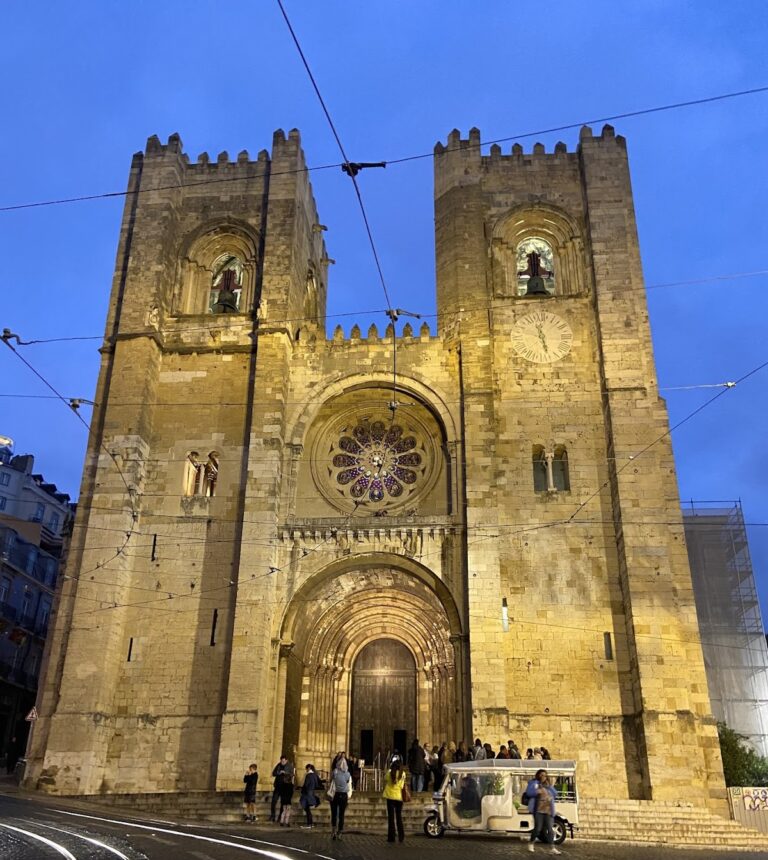
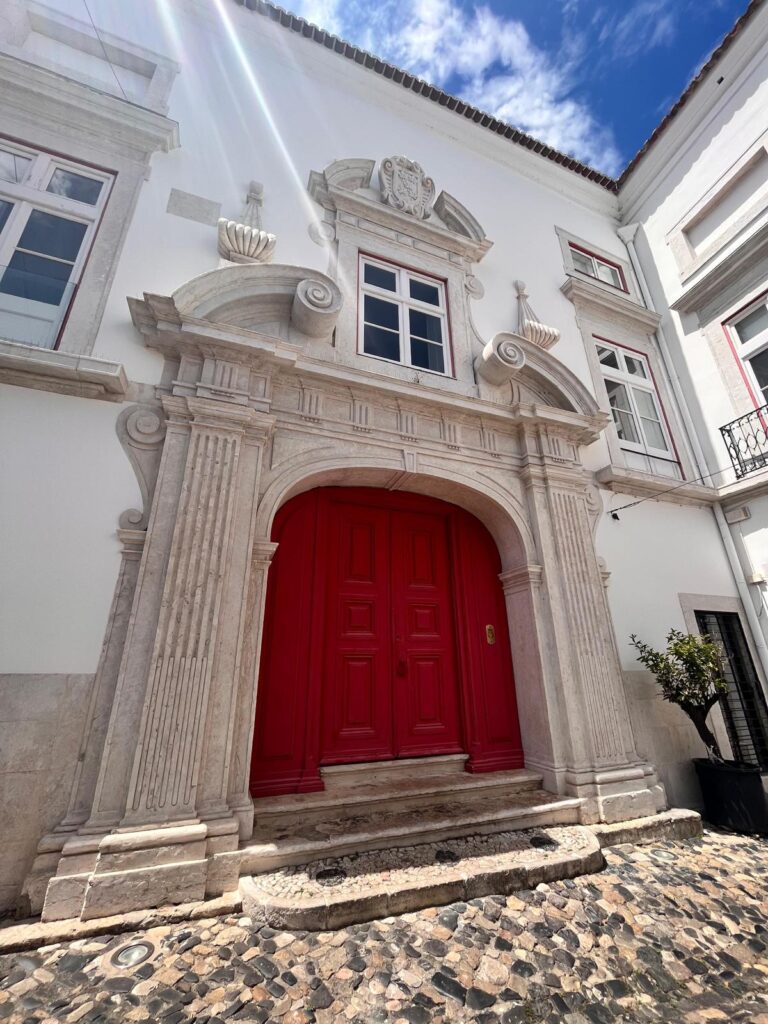
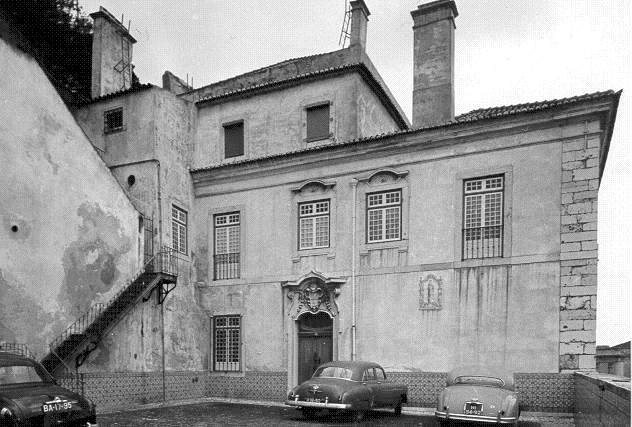
Fragments of columns and capitals were recovered alongside pieces of statues, inscriptions, and other artefacts. These materials are preserved in the museum. A stone block from the theatre was reused in the foundations of Lisbon Cathedral, providing physical evidence of the building’s later dismantling and incorporation into the medieval city. The museum occupies a seventeenth-century building in the probable area of one of the theatre’s former entrances.