La Moglais: An Eighteenth-Century Country House Estate in Brittany
Site at a Glance
- Popularity
- Medium
- Country
- France
- Primary era
- Early Modern
- Eras represented
- Early Modern, Modern
- Civilizations
- French
- Site type
- Domestic
- Remains
- Castle
On this page6 sections
History
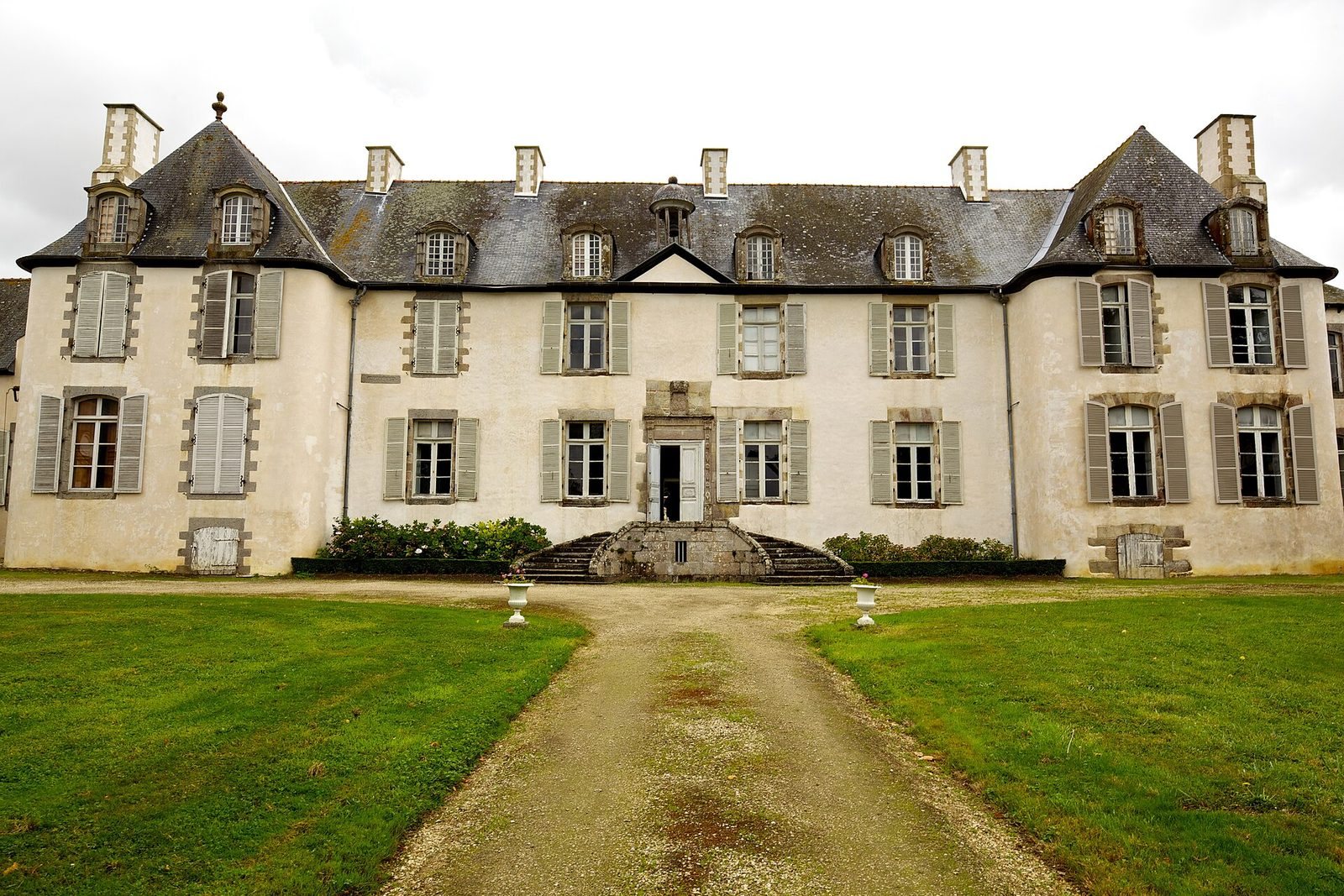
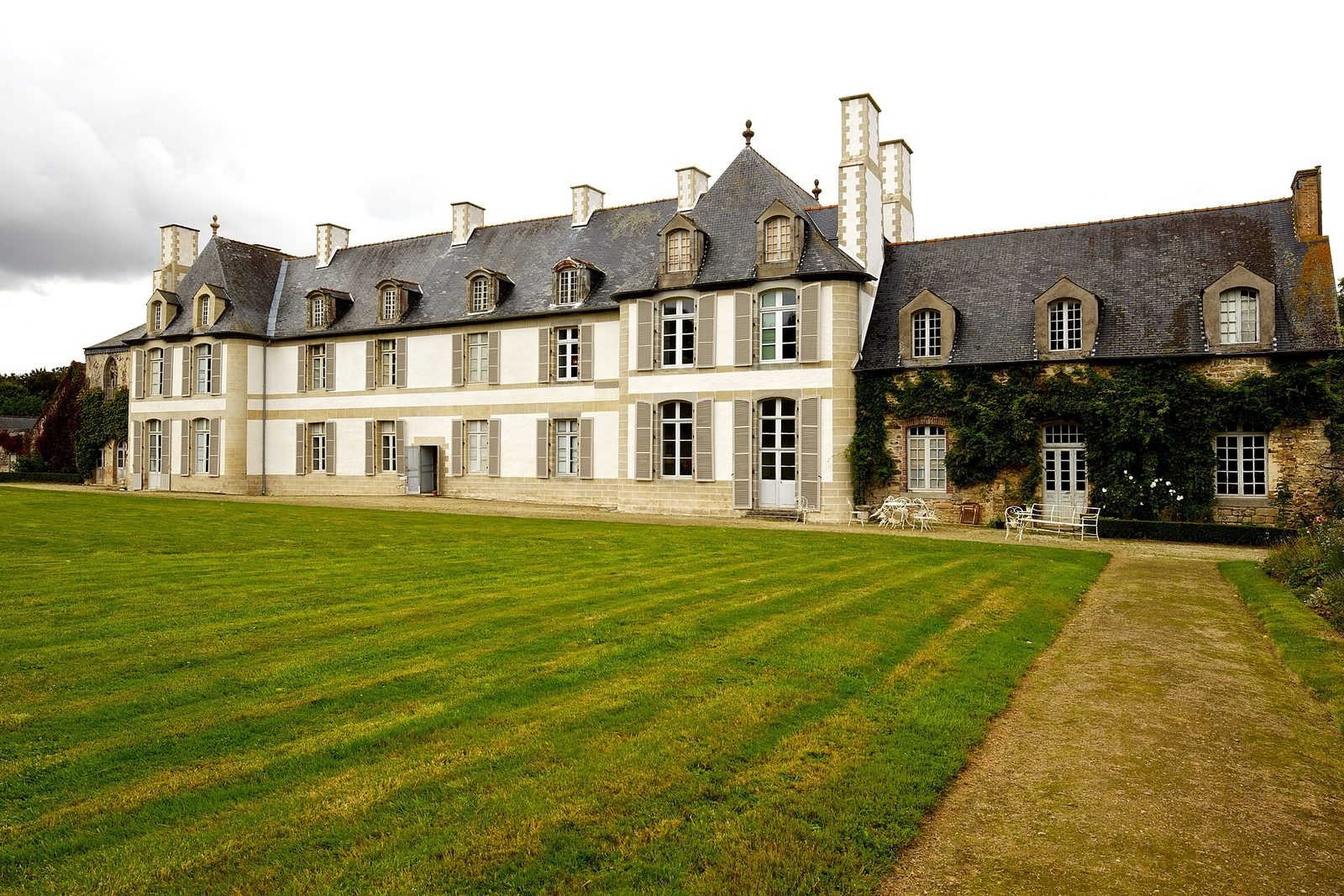
La Moglais is an eighteenth-century country house estate in Lamballe, Brittany, France. Construction began in the eighteenth century, and the house was completed around 1734 for the du Bouilly family, its first owners. During the French Restoration, when the Bourbon monarchy returned to power after Napoleon from 1814 to 1830, the house and park were remodeled. A fire occurred in 1941. The estate received statutory protection as a French historic monument on 16 November 2011.
Remains
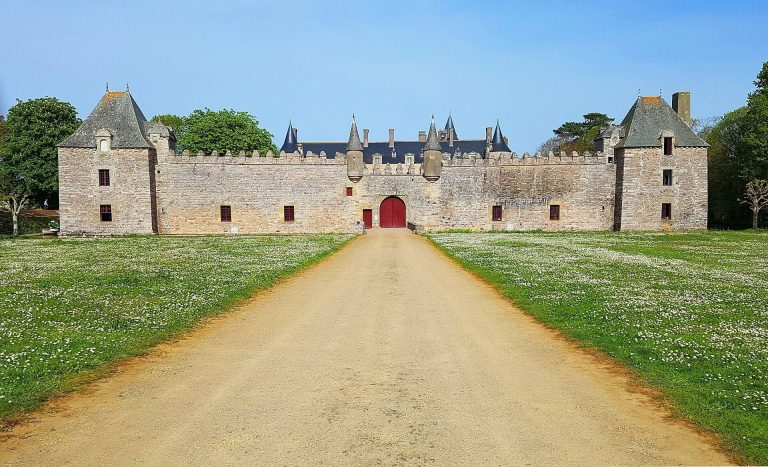
The estate comprises the main residence, service buildings and a formal French park, a designed landscape arranged with geometric order and symmetry. The service buildings stand opposite each other across the main courtyard, while the grounds include a garden and a range of boundary and ornamental features.
Buildings and interiors
Service buildings and park structures
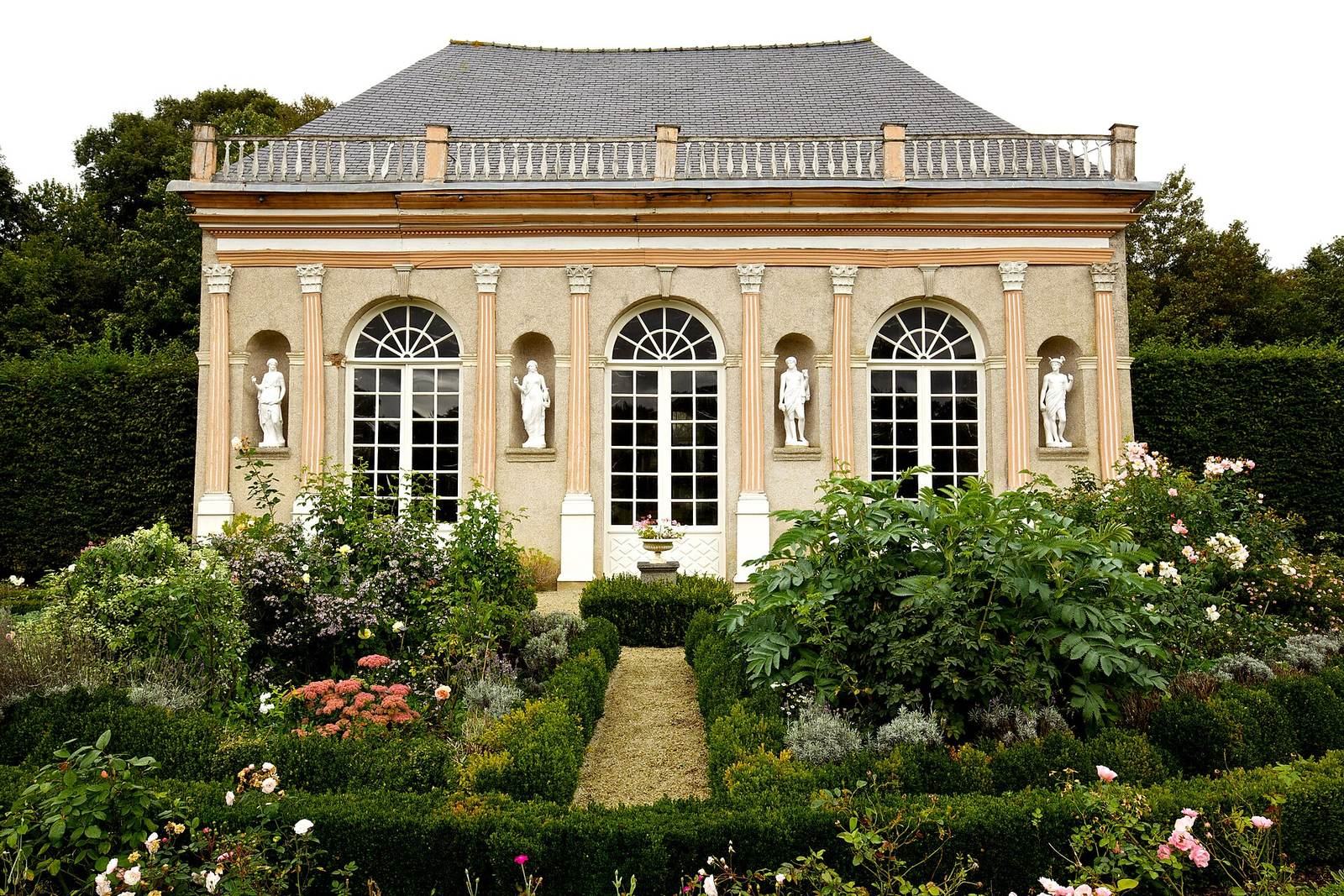
Several buildings within the park have Italian-style façades and date from its Restoration-era remodeling. They include an orangery, traditionally used to shelter citrus trees in cold weather, and a small theatre or function hall.
Main residence
The residence contains eighteenth- and nineteenth-century interiors, including an entrance, a grand staircase and stairwell, a ground-floor reception room, three rooms on the ground floor of the south wing, and a first-floor corridor. A wooden staircase is also located in the south wing. Three first-floor bedrooms have panoramic wallpaper panels, one of them in the south wing. The portion of the house that survived the 1941 fire retains its layout and high-quality early nineteenth-century decoration.
Grounds and approach
Walls, grilles, other boundary structures and ditches form part of the courtyard and garden grounds. Two pavilions flank the entrance gate. The park also contains ornamental moats, a bridge decorated with sphinxes, mythical figures with human heads and lion bodies, and statues, vases and basins. A section of the former avenue survives on the northwest side.