Borris House: A Tudor Revival Country House in County Carlow
Site at a Glance
- Popularity
- High
- Country
- Ireland
- Primary era
- Early Modern
- Eras represented
- Early Modern
- Civilizations
- British
- Site type
- Domestic
- Remains
- Elite Residence
On this page4 sections
History
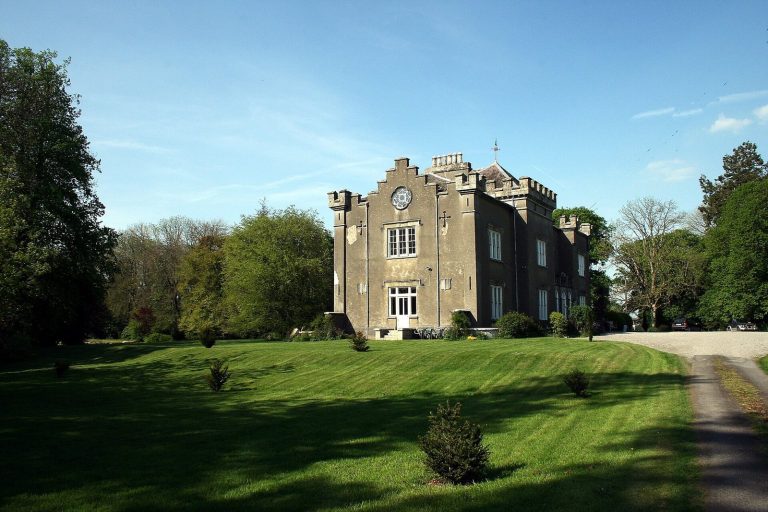
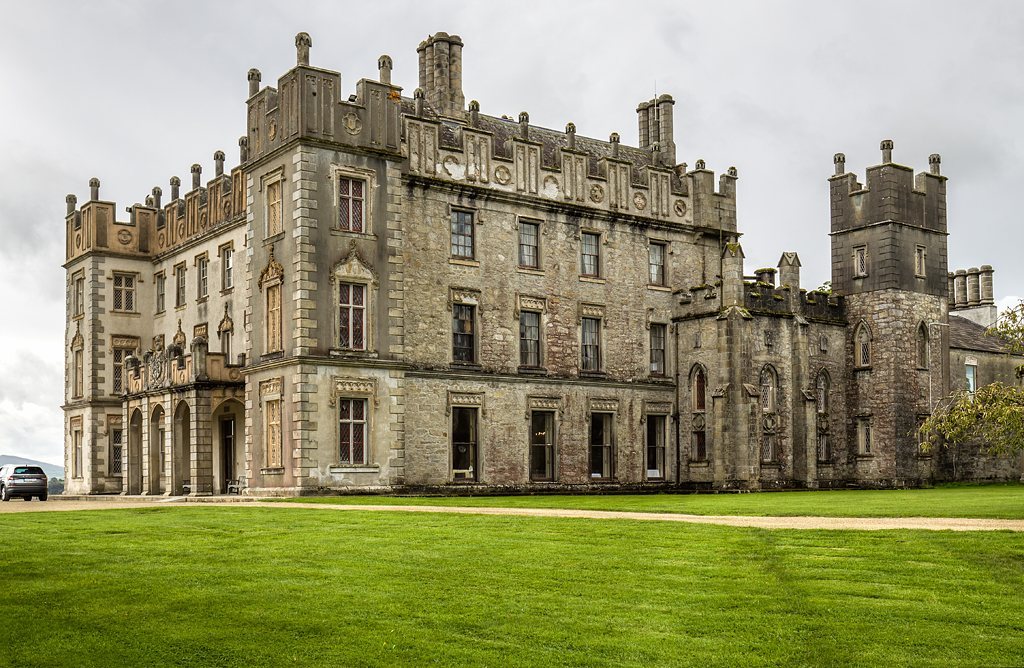
Borris House is a Tudor Revival country house near Borris in County Carlow, Ireland. Morgan Kavanagh built it in 1731, and it became the ancestral home of the MacMurrough Kavanaghs, a Gaelic Irish ruling dynasty associated with Leinster. Tudor Revival is a style drawing on forms associated with buildings of the Tudor period.
The 1798 Rebellion
During the Irish Rebellion of 1798, an uprising against British rule in Ireland, the house came under repeated attack. On 24 May, about 5,000 rebels attacked it. A local yeomanry unit, a locally organized military force, led by Walter Kavanagh repelled them. The fighting resulted in 50 casualties.
Rebels attacked again on 12 June, targeting the homes of yeomanry members. The defenders received support from soldiers of the Prince of Wales’s Own Donegal Militia, a militia regiment. The rebels fired a howitzer, an artillery weapon that launches shells in a high arc, before withdrawing.
Restoration and nineteenth-century life
Irish architects Richard and William Vitruvius Morrison restored Borris House in 1820.
During the Great Famine, the devastating Irish famine of 1845 to 1852, Lady Harriet Kavanagh turned the house into a lace-making factory to provide work for local women. She also collected art and antiques during travels in Europe, Egypt, and the Near East. Most of the antiques were later transferred to the National Museum of Ireland for display.
Arthur MacMurrough Kavanagh, a politician born at the house in 1831, redeveloped the estate and village after inheriting it, aiming to benefit tenants. He also built the Borris Railway Viaduct. Borris House remains a private residence of the McMorrough Kavanaghs.
Remains
The house’s walls retain damage from howitzer fire during the 1798 attacks, although the rebels did not breach them. Watercolours painted by Lady Harriet Kavanagh still hang inside the house.