Gowran Castle: A Medieval Stronghold and Nineteenth-Century Manor House
Site at a Glance
- Popularity
- Medium
- Country
- Ireland
- Primary era
- Modern
- Eras represented
- Medieval, Early Modern, Modern
- Civilizations
- British, Norman
- Site type
- Domestic
- Remains
- Manor House
On this page9 sections
History
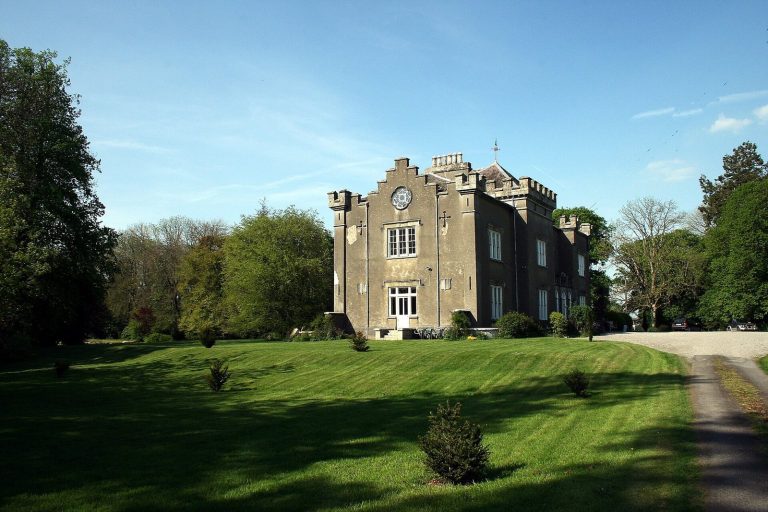
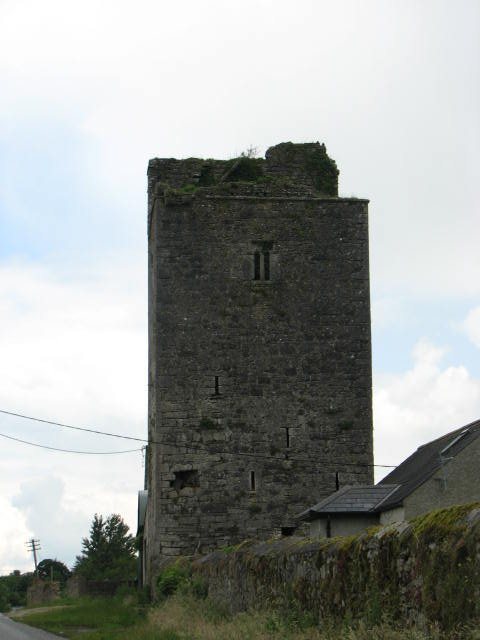
Gowran Castle is a castle and manor house in Gowran, County Kilkenny, Ireland, first built by James Butler, 3rd Earl of Ormond, in 1385 and rebuilt as a manor house in the early nineteenth century.
Early Gowran and the Butler castle
Gowran was an established and important settlement before the Normans arrived in Ireland in 1169. Rulers of Ossory, a medieval Irish kingdom, were also known as kings of Gowran, and by 489 they were associated with a residence there. The Mac Giolla Padraig rulers, later called Fitzpatrick, had a residence in Gowran, while the O’Donnchadha, later known as the Dunphy, were chiefs of the town and surrounding area. A battle at Bealach Gabhrán is dated to 754. In 938, Gowran formed part of the cantreds of Oskelan and Ogenty, territorial divisions within Ossory, and O’Dunphy clans occupied the area.
Local names including Rathvaun, Rathcash, Rathcusack, and Rathgarvan are associated with raths, enclosed places for settlement and burial; larger fortified sites were called duns. A settlement and stronghold already occupied the site of the later castle before 1169.
After the Norman invasion, Theobald Walter received the Manor of Gowran. He was Ireland’s first Chief Butler, an honorific household office associated with serving as a cupbearer. The manor comprised 44,000 acres, and the Butler family held land in the area for almost five centuries. In 1385, James Butler, 3rd Earl of Ormond, built the first castle and made it his usual residence. Also known as the Earl of Gowran, he bought Kilkenny Castle and much of County Kilkenny in 1391. He died at Gowran Castle in 1405.
Rebuilding, conflict, and Agar ownership
Margaret FitzGerald, Countess of Ormond, rebuilt the castle in 1501 and decorated St. Mary’s Collegiate Church, a church served by a college of clergy. During the Irish uprising of 1641, the flag of the Irish Confederation, a political alliance formed during the Irish Confederate Wars, was raised over the castle. Oliver Cromwell’s forces, part of the Parliamentarian campaign in Ireland, besieged and attacked it in 1650, causing severe damage.
The Agar family became an important presence in Gowran after 1650, and several generations lived at the castle. In 1713, Henry Agar built a new castle near the earlier Butler building. He inherited the Gowran estate from his father, James Agar, in 1733.
The estate and its modern history
Henry Agar-Ellis, 2nd Viscount Clifden, rebuilt the castle in the early nineteenth century. In 1876, Griffith’s Valuation, a survey of property holdings, listed Henry George Agar-Ellis, 4th Viscount Clifden, as owning 35,288 acres of land associated with Gowran Castle.
In 1953, Minister for Lands Thomas Derrig told Dáil Éireann, the lower house of the Irish parliament, that proceedings were under way to acquire 774 acres of the Annaly Estate at Gowran. On 14 May 1957, the Land Commission, a state body involved in acquiring and redistributing land, sold the castle and about 68 acres to James and Mary Moran. Their family lived there until the property was sold in 1998.
The castle and about 65 acres were auctioned on 27 May 1998. Tarajan Ltd., registered on the Isle of Man and owned by Northern Ireland developer Alastair Jackson, bought the property. Kilkenny County Council rejected proposals for 156 houses in 1999 and, in 2004, a hotel, 126 houses, 23 holiday units, and other development. By 2009, the castle had been unoccupied and unprotected for eleven years and was deteriorating. A fire on 16 May 2010 caused considerable damage, though the building survived. A local area plan confirmed in December 2010 identified the grounds as archaeologically important.
Following Ireland’s economic collapse in 2008, the castle portfolio passed to the National Asset Management Agency in 2011. Receivers were appointed in 2012, and the property was offered for sale. It was sold in 2013, when restoration began; the work was completed in 2014.
Remains
Castle and associated features
The surviving complex includes a manor house and grounds in the centre of Gowran. The first castle stood near the town wall, and a 1710 survey depicts both the castle and the walled town.
The castle
The present building is an early-nineteenth-century manor house, rebuilt to designs by William Robertson between 1816 and 1819. The 1713 building stood near the earlier Butler castle and incorporated material from it.
Estate grounds and cricket ground
The estate grounds covered 846 acres, 2 roods, and 10 perches on the 1839 Ordnance Survey map. By 1900, the mapped area had grown to about 1,000 acres, reflecting additions made since 1839. Lord Clifden laid out the castle’s cricket ground sometime after 1840, and its first recorded match took place in 1842.
St. Mary’s Collegiate Church
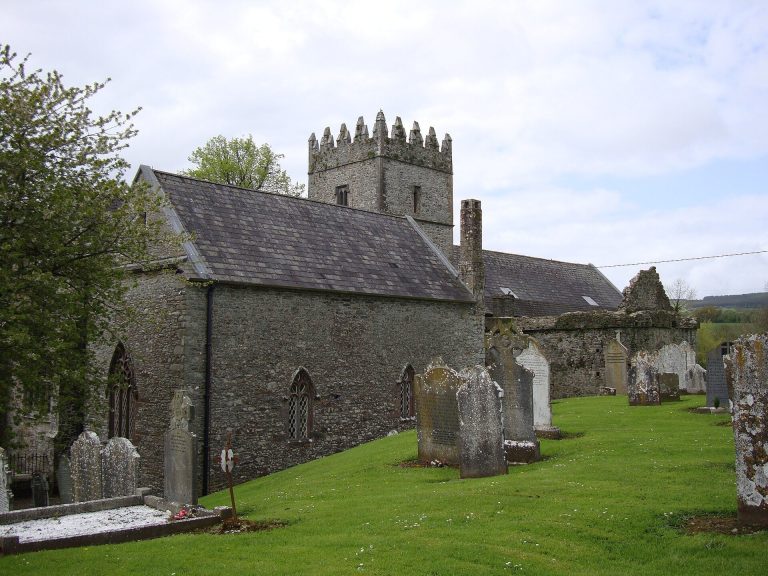
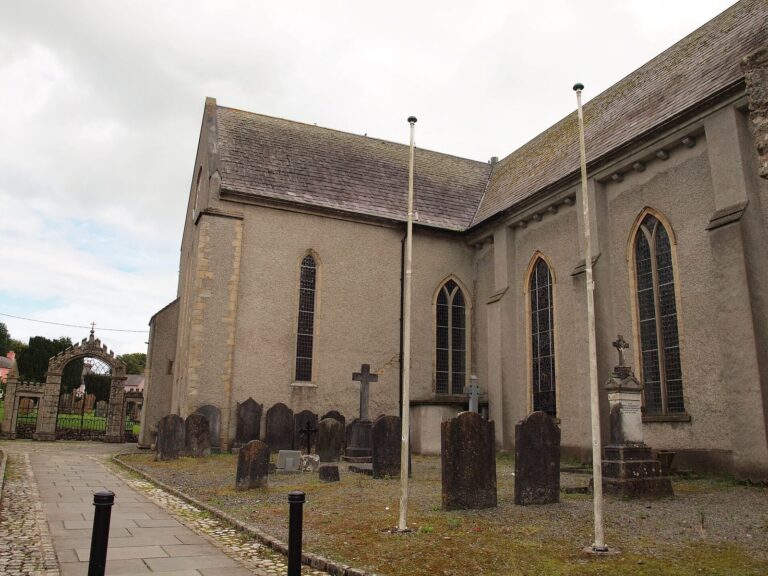
The church is linked to the castle through the burials of James Butler, 3rd Earl of Ormond, his father and grandfather, Edmund Butler, Earl of Carrick, and several generations of the Agar family. It also displays a stone inscribed in Ogham, an early Irish writing system. Dated to the third or fourth century, the stone is associated with evidence of ancient settlement and worship at Gowran.