Ballymoon Castle: A Medieval Castle in County Carlow
Site at a Glance
- Rating
- 4.6
- Popularity
- Very Low
- Country
- Ireland
- Primary era
- Medieval
- External website
- Open
- Eras represented
- Medieval
- Civilizations
- English
- Site type
- Military
- Remains
- Castle
On this page4 sections
History
Ballymoon Castle is a ruined medieval castle in Ireland, generally dated to approximately 1290–1310 and associated with the thirteenth or early fourteenth century. It may have been built by Roger Bigod, 5th Earl of Norfolk, an English nobleman who held the hereditary title of Earl of Norfolk, or by the Carew family, which acquired the Bigod lands after Bigod died without issue. Much of the castle’s history remains unknown.
In the late nineteenth century, Ballymoon Castle was purchased by Michael Sheill of County Wexford, who established several local businesses. The site is now a National Monument of Ireland, a designation protecting places within the state’s archaeological and historical heritage, and is officially registered as Ballymoon Castle under reference number 486.
Remains
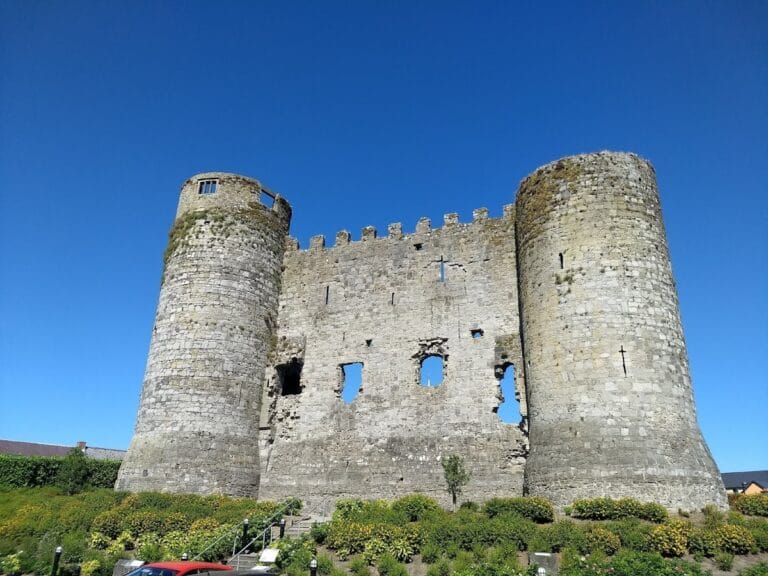
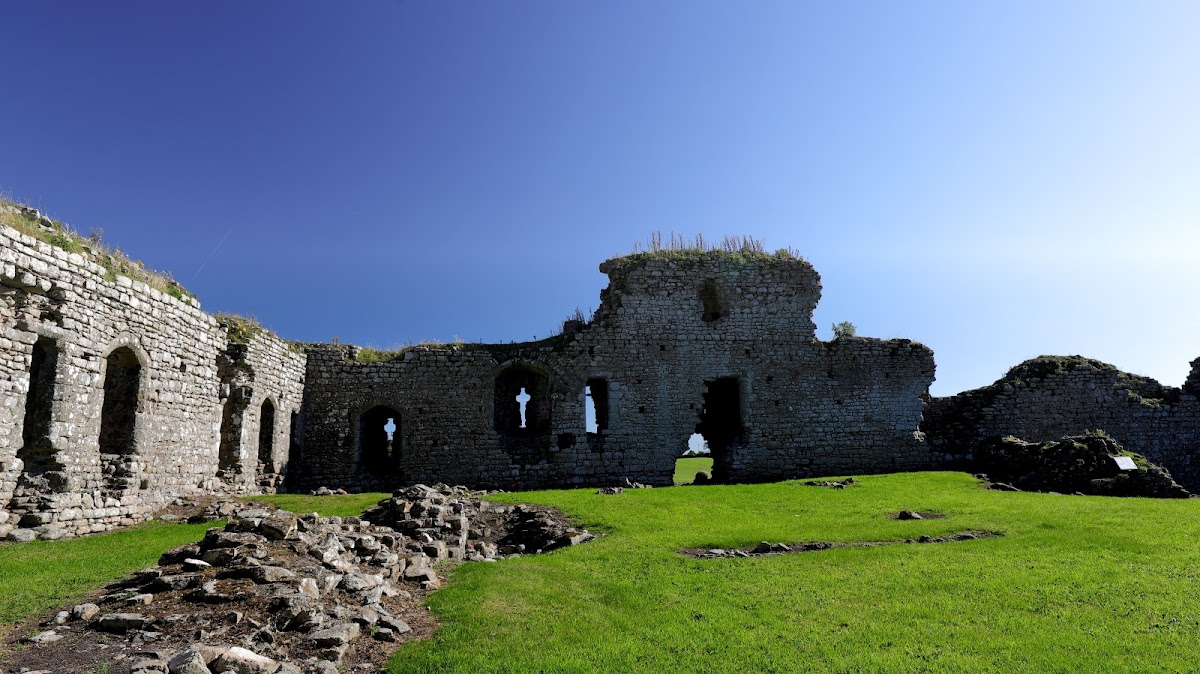
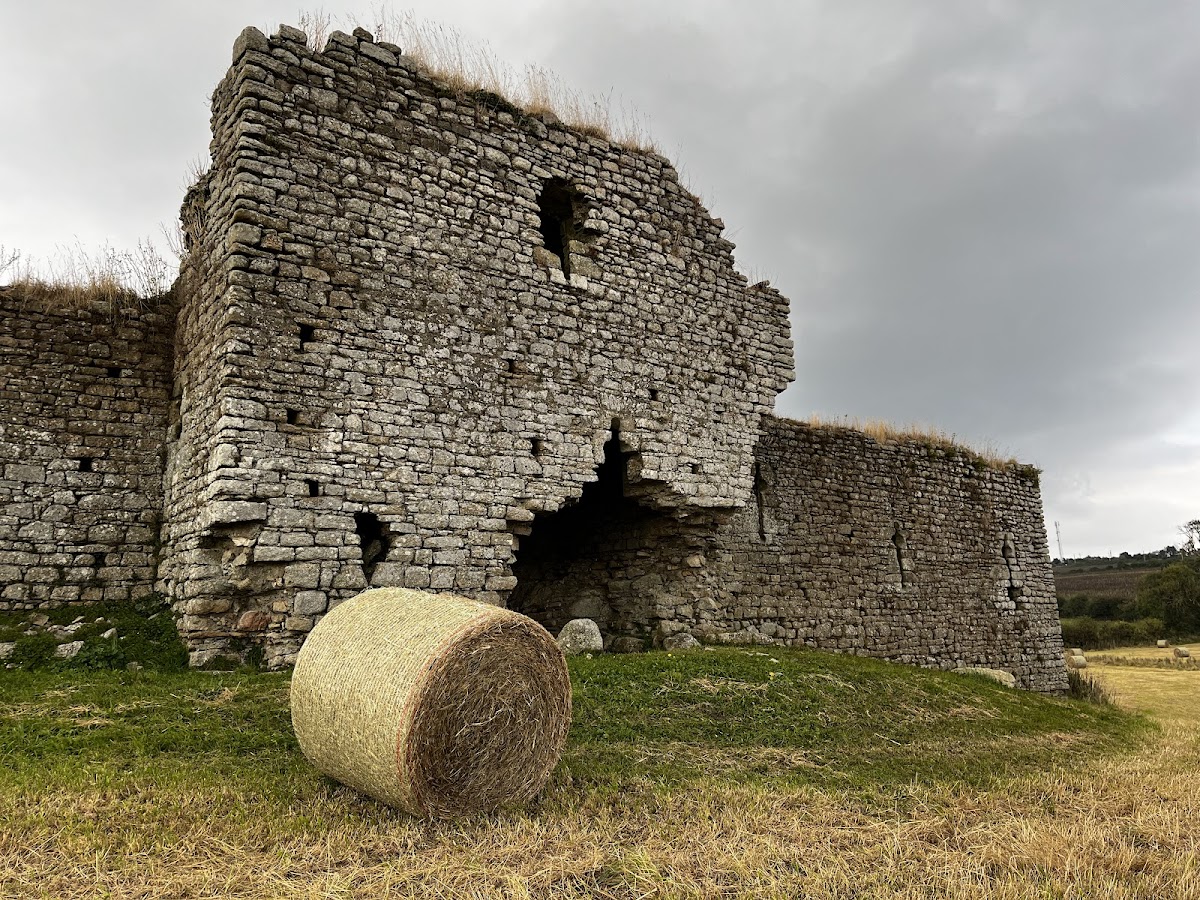
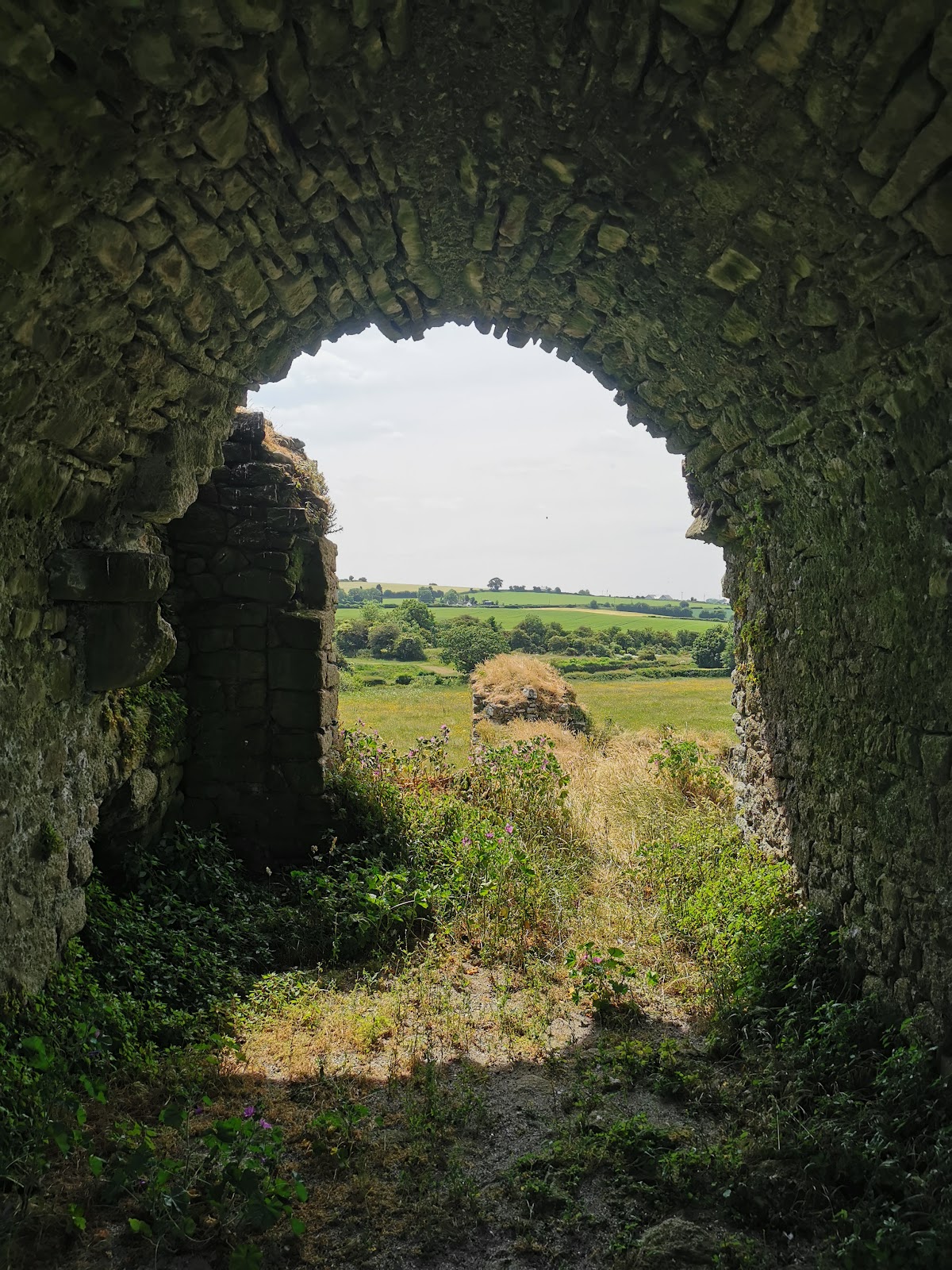
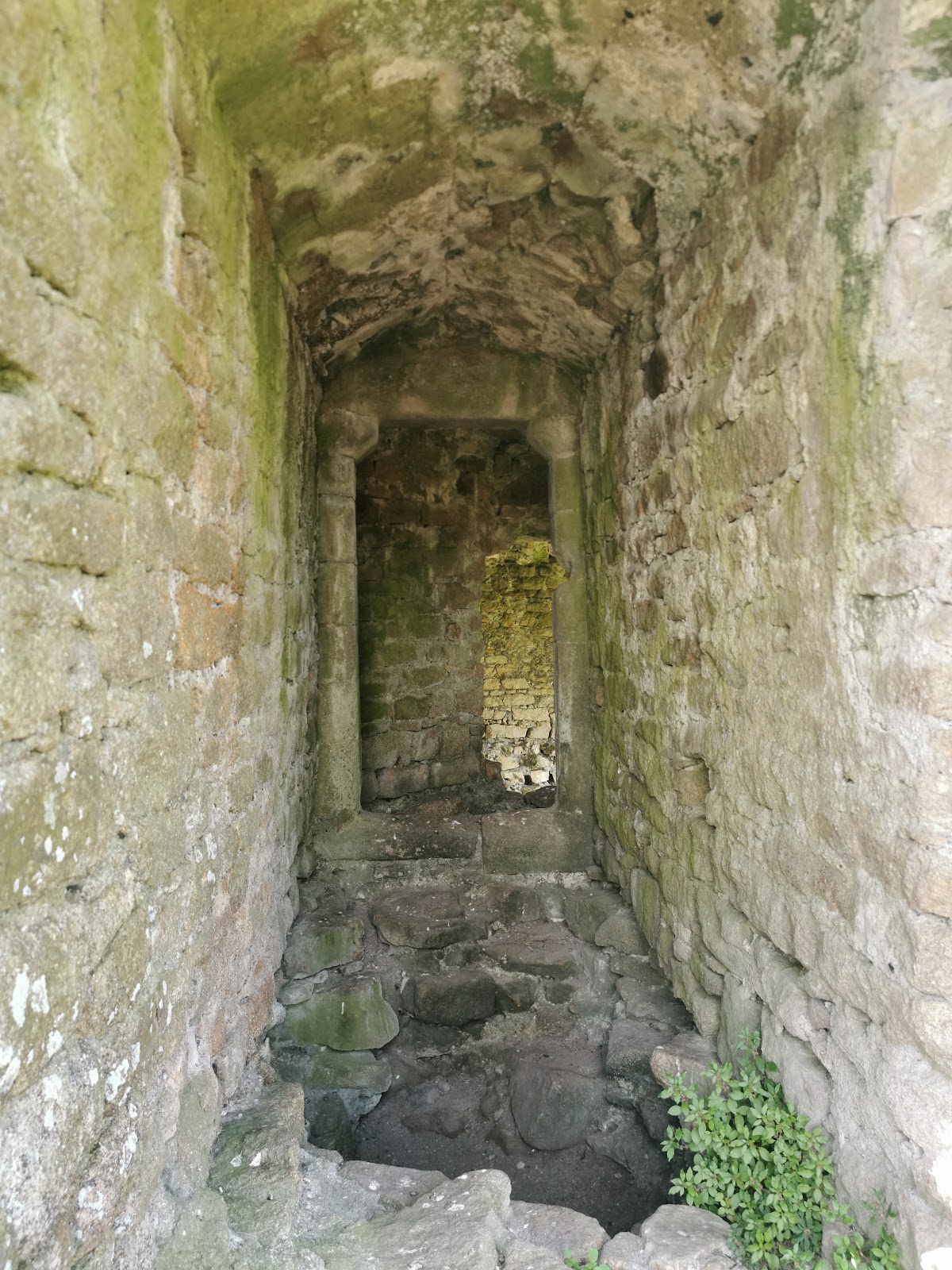
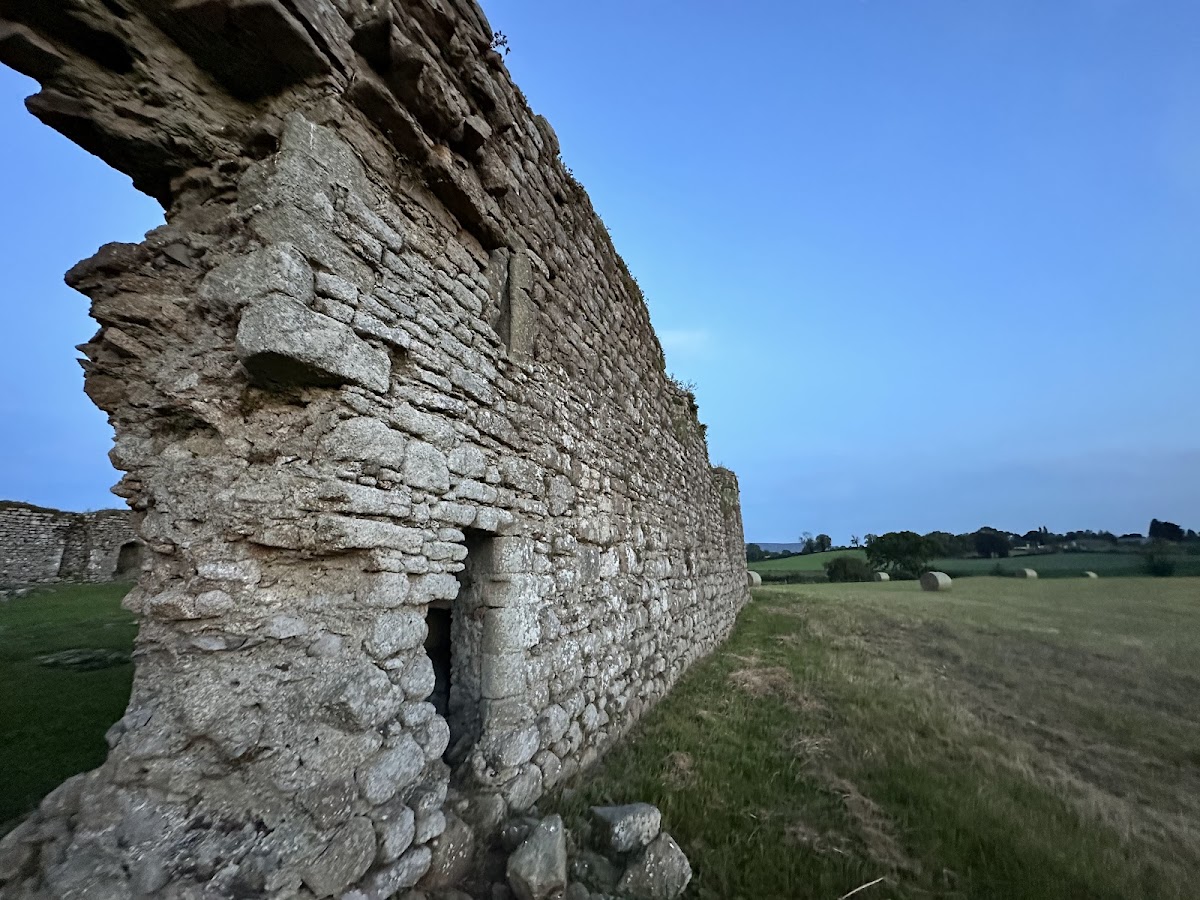
The ruins are arranged around a square courtyard measuring approximately 80 feet, or 24 metres, on each side. Granite walls rise to about 20 feet, or 6.1 metres, and are approximately 8 feet, or 2.4 metres, thick at their base. Buildings once stood around the open courtyard, while the castle’s surviving fabric preserves evidence of its internal arrangement and defensive design.
Courtyard and great hall
Foundations mark the former positions of doors and fireplaces, and traces of some two-storey buildings remain along the inner walls. A large double fireplace on the north side belonged to the great hall, the principal communal room of a medieval castle for assemblies, meals, and formal activities. The interior is now chiefly represented by foundations and incomplete structures, a limited survival that has led to speculation that the castle was never finished.
Gateway and defenses
The western wall contains an arched gateway with grooves thought to have held a portcullis, a defensive gate lowered vertically into an entrance. A barbican, or outer defensive structure protecting a gateway, may once have stood in front of it. Cross-shaped gun loops and arrow slits pierce the walls, providing openings for projecting weapons. The castle stands beside the Fennagh road, with a ditch and a small wooden bridge forming the approach to the ruins.