Saint-Pois Castle: A Historic Residence in Normandy, France
Site at a Glance
- Popularity
- Medium
- Country
- France
- Primary era
- Early Modern
- Eras represented
- Early Modern
- Civilizations
- French
- Site type
- Domestic
- Remains
- Castle
On this page10 sections
History
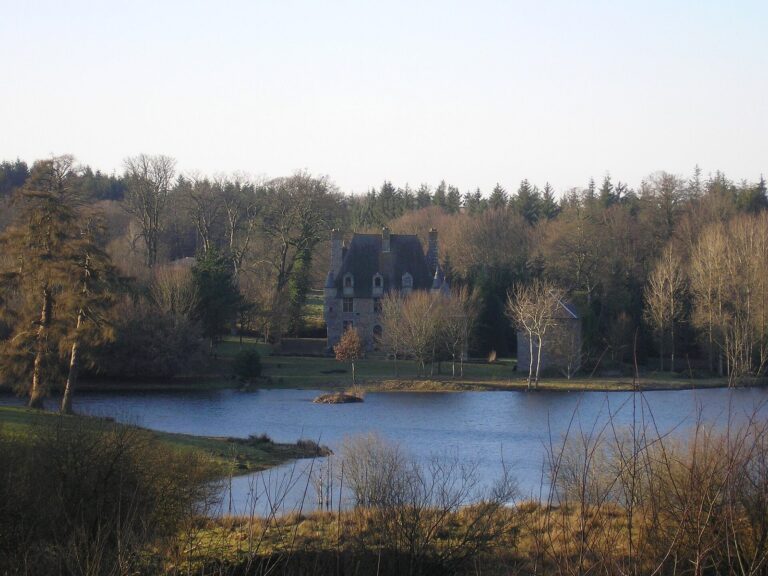
Saint-Pois Castle is a historic residence in Saint-Pois, Normandy, France. Its history is tied to the barony of Saint-Pair-Servain, later known as Saint-Pois, and to generations of the d’Auray de Saint-Pois family.
The barony and rebuilding
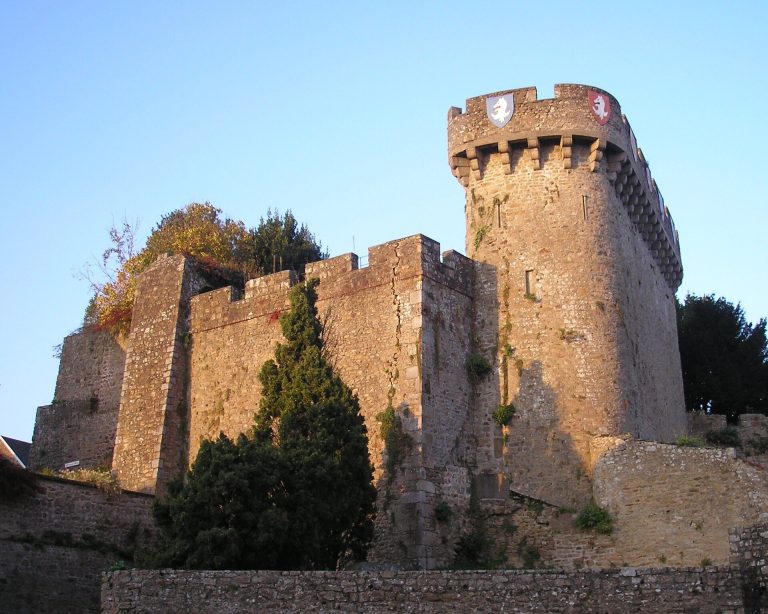
In the eleventh century, the Servain family owned the barony of Saint-Pair-Servain. English forces burned its castle and village in 1135. The castle was rebuilt during the sixteenth and seventeenth centuries.
The d’Auray family and the château
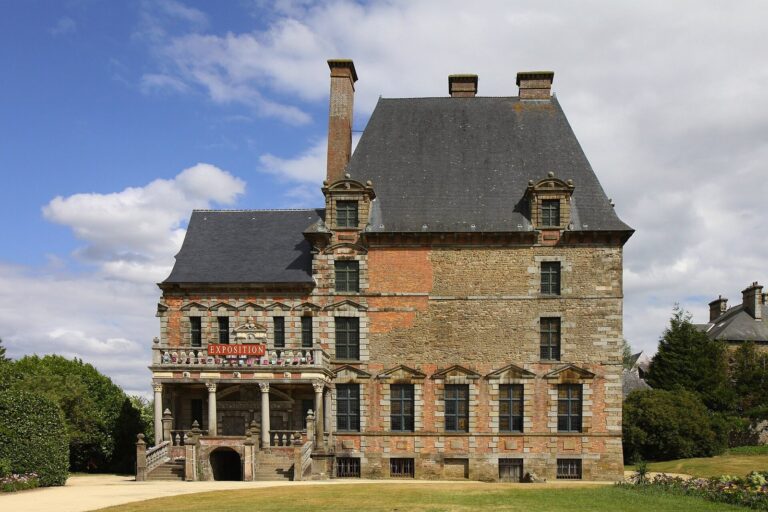
The d’Auray family held the estate from the fifteenth century through Jeanne de Meullent’s marriage. Between 1719 and 1759, Marquis Beuve d’Auray de Saint-Pois rebuilt the principal façade. A marquis was a high-ranking hereditary noble title in France. The estate remained in the d’Auray de Saint-Pois family for fourteen generations.
Restoration and later history
Baron Alexandre Paternotte de la Vaillée, a Belgian diplomat, and his wife later acquired the château and undertook its restoration. After his death in 2014, the building stood abandoned for nearly ten years. It was apparently acquired in 2023 and returned to use as a private residence. In 1974, the château was partially registered as a historic monument in France.
Remains
Plan and architectural features
Horseshoe plan and wings
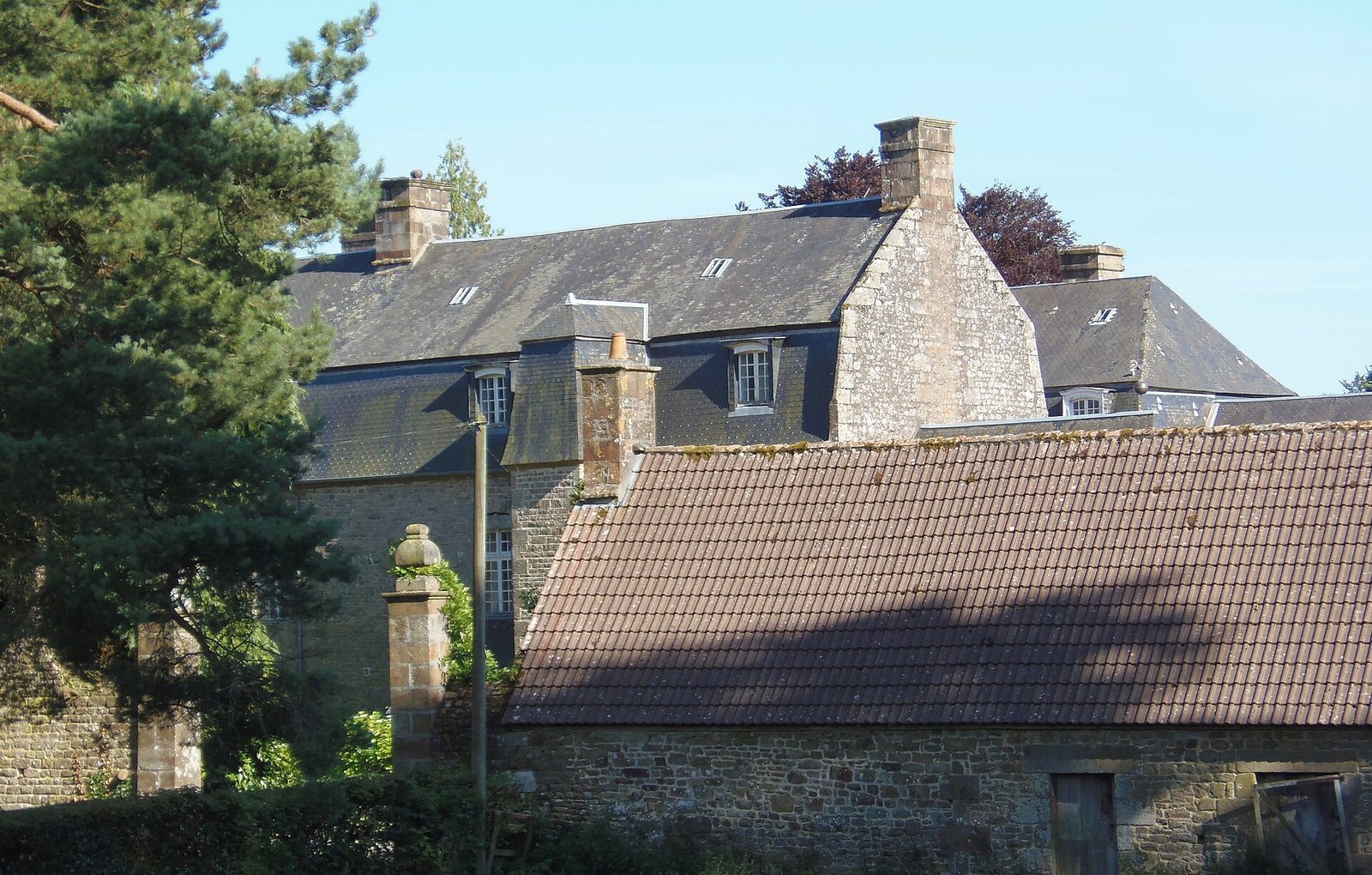
The château’s buildings form a horseshoe plan, with a principal façade in the classical style. The north wing contains the kitchens, while the south wing includes more recent buildings. The other wings have more refined decoration and are thought to be the work of architect Guillaume Vauvert; they open onto the gardens.
Chapel
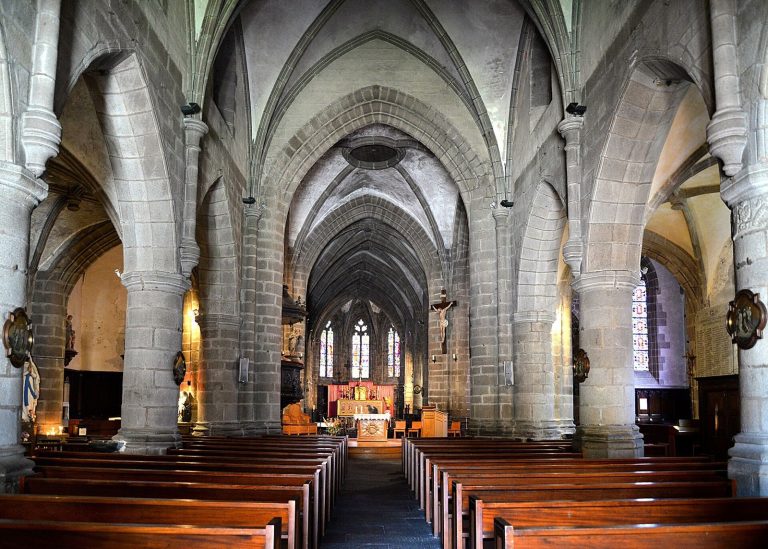
The east wing extends into a chapel dedicated to the Virgin Mary in 1743. It is now dedicated to Saint Louis, or Louis IX of France, the thirteenth-century king who was later canonized.
Gardens and dovecote
The gardens include a two-storey dovecote containing 630 nesting holes.
Interior features
Inside, a granite staircase has a wrought-iron railing, and the grand salon has its own decorative scheme.