Shankill Castle: A Historic Country House in County Kilkenny


Site at a Glance
- Rating
- 4.5
- Popularity
- Very Low
- Country
- Ireland
- Primary era
- Early Modern
- External website
- Open
- Eras represented
- Medieval, Early Modern, Modern
- Civilizations
- British, Norman
- Site type
- Domestic
- Remains
- Castle
On this page8 sections
History
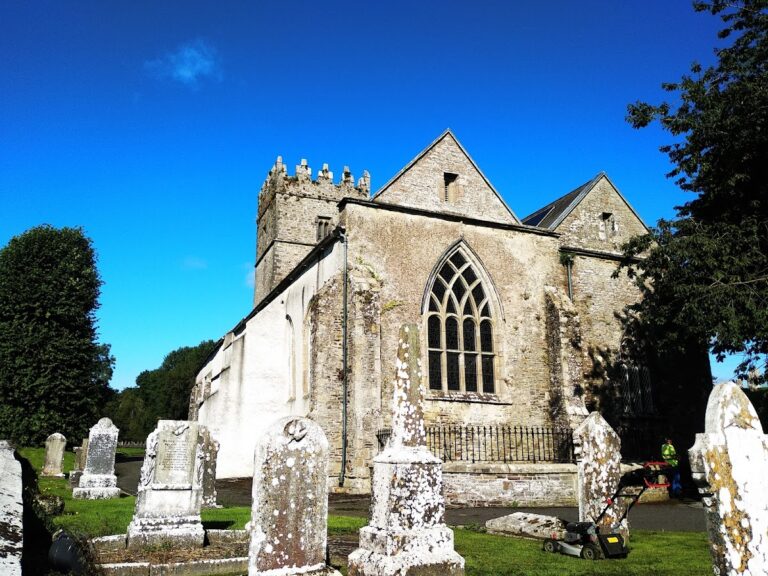
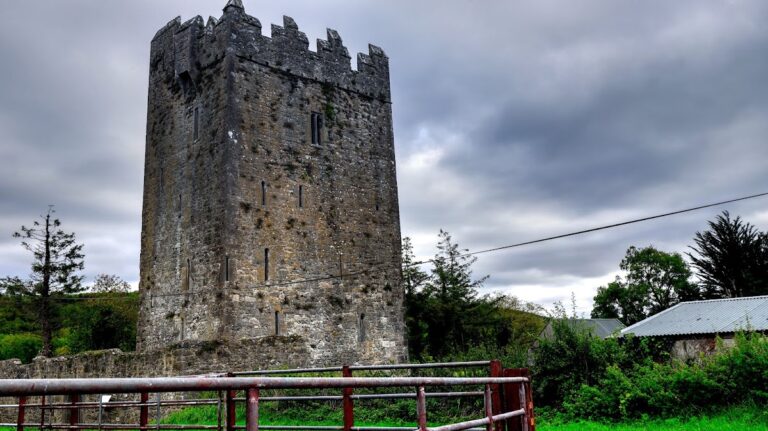
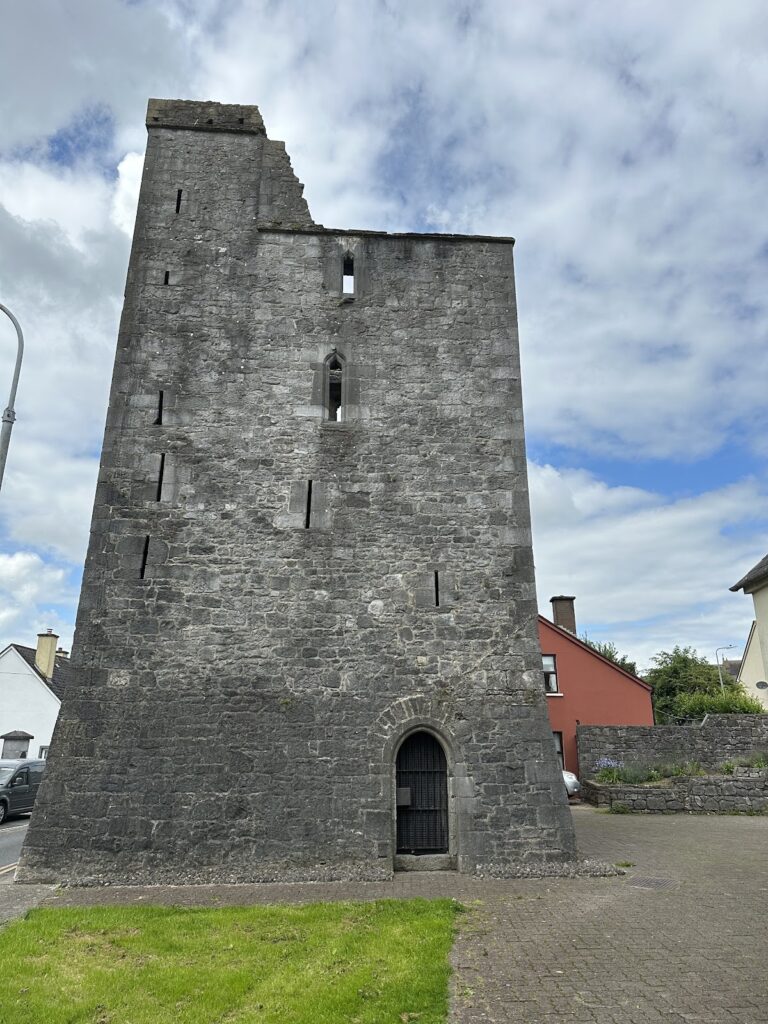
Shankill Castle is a historic country house in Ireland, near Paulstown in County Kilkenny. It developed from a Butler tower-house beside an older church, and the first castle is traditionally dated to 1450. The site stands within the civil parish of Shankill, a local administrative and ecclesiastical district whose name means “old church.”
From Butler Tower-House to Country Residence
The castle began as a fortified medieval residence, with a tall masonry tower that combined domestic accommodation and defensive features. The ruins of the church beside it survive as part of the historic setting. The estate was associated with the Flood and Healy families, who were connected with Sir Piers Butler, an Irish nobleman of the prominent Butler family.
In 1708, Peter Aylward acquired the surrounding lands from his wife’s Butler family. He rebuilt the castle as a country residence and laid out the grounds as a formal landscape. This scheme included a broad vista in front of the house and a canal behind it. The surrounding park was also established in the eighteenth century, with lime avenues among its surviving features.
Nineteenth-Century Expansion
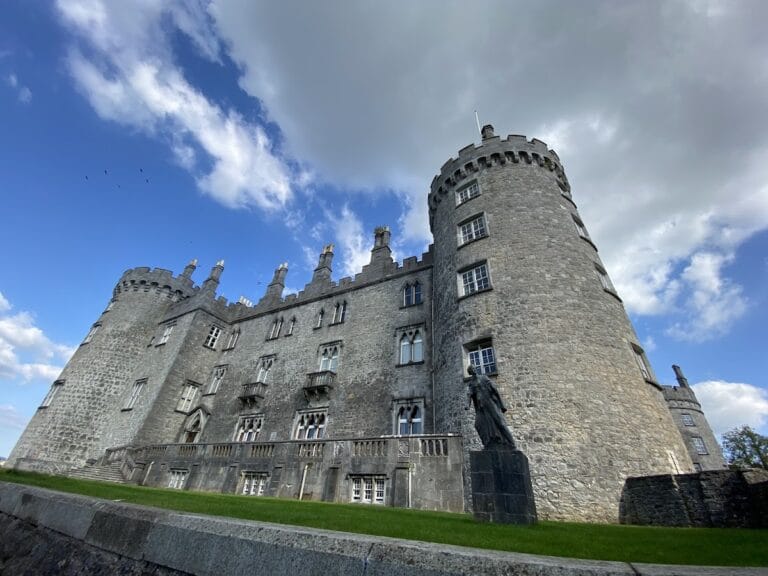
Major restoration took place in 1828. During the nineteenth century, the house was enlarged and given castellated walls. The canal was reshaped with serpentine bays, while a sunken lawn received a prominent polyhedral sundial, whose several angled faces indicate the time as the sun moves across the sky.
The same period brought a Gothic porch carrying the Aylward crest and the addition of a conservatory. The castellated entrance to the estate and the stable-yard are attributed to Daniel Robertson, while some other buildings are associated with William Robertson, who lived from 1770 to 1850. The interior retained much of its eighteenth-century character while acquiring later features, including Gothic plasterwork and a Victorian drawing room.
Family and Creative Associations
The Toler-Aylwards, a branch of the Butler family, lived at Shankill until 1991, and some members of the family continued to live in County Kilkenny. The castle was also the home of the artist Elizabeth Cope. It is now associated with her husband, Geoffrey Cope, and hosts a residency programme for artists and creative professionals through ResArtis.
Legends connect the castle and its cemetery with reports of ghosts. The cemetery is traditionally described as dating from the eleventh century. The story known as “Murder at the Last Supper” is treated as fiction rather than as an event supported by a documented historical account.
Remains
House and Estate Buildings
Shankill Castle stands in parkland near the County Carlow and County Kilkenny border. Its form reflects the gradual development of a tower-house into a country residence. The front of the house opens onto a broad landscape vista, while the canal extends behind it. The surviving architectural ensemble includes castellated walls, the Gothic porch with the Aylward crest, a conservatory, a castellated estate entrance, and the stable-yard attributed to Daniel Robertson.
Inside, the house preserves an eighteenth-century atmosphere through its Georgian staircase, a staircase dating from the period of the British and Irish monarchs George I through George IV, broadly 1714 to 1830. Gothic plasterwork uses modeled plaster decoration based on Gothic architectural forms, and the Victorian drawing room represents a later phase in the interior’s development.
Water, Lawns, and Historic Planting
The canal behind the house has serpentine bays added during the nineteenth-century landscaping changes. Nearby, the sunken lawn contains the unusual polyhedral sundial. The grounds retain nineteenth-century laurel lawns, old exotic trees, giant sequoias, ash trees, and conifers brought from Alaska. Three notable trees, a giant sequoia, a Monterey cypress, and a lime tree, are recorded in the Tree Register of Ireland maintained by the Tree Council of Ireland.
A former rose garden enclosed by a moat was later neglected and planted with Sitka spruce before becoming a spring garden. The cemetery is associated with year-round flowering. Other surviving garden features include a rose garden, hedges, sculptures, and ornamental plantings.
Walled Garden
The walled garden contains an arch formed from living apple trees planted above red tulips. Old goblet-shaped pear trees are trained against a weathered brick wall. Together with the historic avenues, lawns, canal, and mature trees, these features preserve the layered landscape created around the castle from the eighteenth century through the Victorian period.