Gokul Medh: An Excavated Shrine Mound in Bangladesh
Site at a Glance
- Popularity
- Medium
- Country
- Bangladesh
- Primary era
- Medieval
- Eras represented
- Classical, Medieval
- Civilizations
- Mauryan
- Site type
- Religious
- Remains
- Stupa
On this page6 sections
History
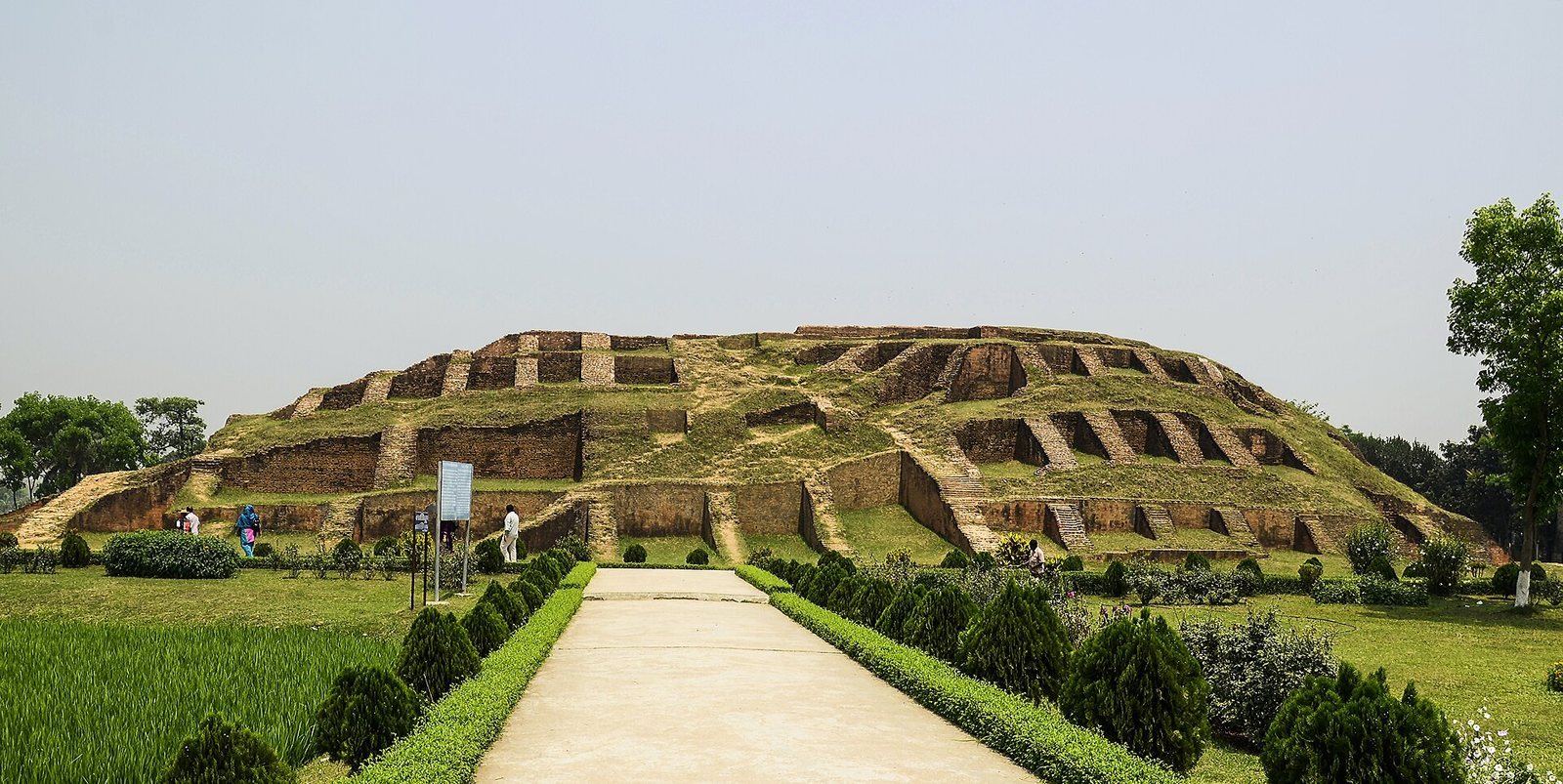
Gokul Medh is an excavated mound in Gokul village, Bogra Sadar Upazila, Bangladesh, about 2 km southwest of Mahasthangarh and 10 km north of Bogra. Its chronology is generally placed from the 7th century onward, with estimates extending into the 11th or 12th century. The site is associated with Gupta and Pala architectural styles, linked to successive dynasties in South Asian history.
One interpretation identifies Gokul Medh as a Buddhist monastic complex and attributes a monastery there to Devapala, a Pala ruler, dating its construction to 809–847. Another interpretation proposes that a shrine at the site served Shiva, a major Hindu deity, during one phase. Some historical works instead describe the mound as an observation post intended to defend the capital of Pundravardhana, an ancient region and urban center in Bengal.
The mound is popularly called Lakshindar Medh. Bengali folklore identifies it as the bridal chamber of Behula and Lakshinder, legendary figures in Bengali folk literature. Tradition also links descriptions of a Buddhist monastery here to the travel narratives of Xuanzang, a 7th-century Buddhist monk and travel writer, and Ibn Battuta, a 14th-century Moroccan traveler and jurist.
Archaeologist Nani Gopal Majumdar excavated the mound in 1934–36.
Remains
Excavated structures and finds
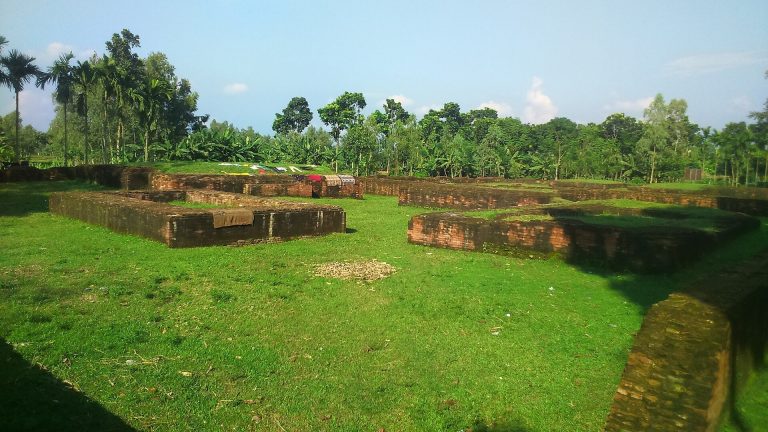
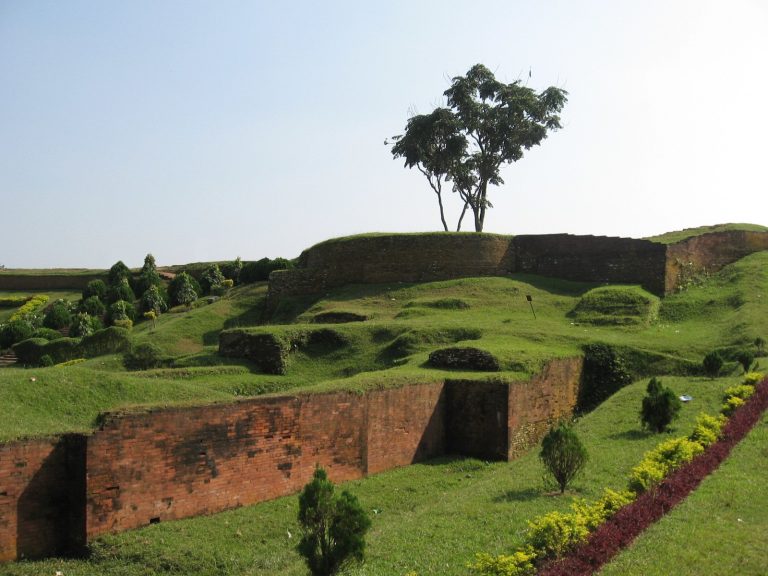
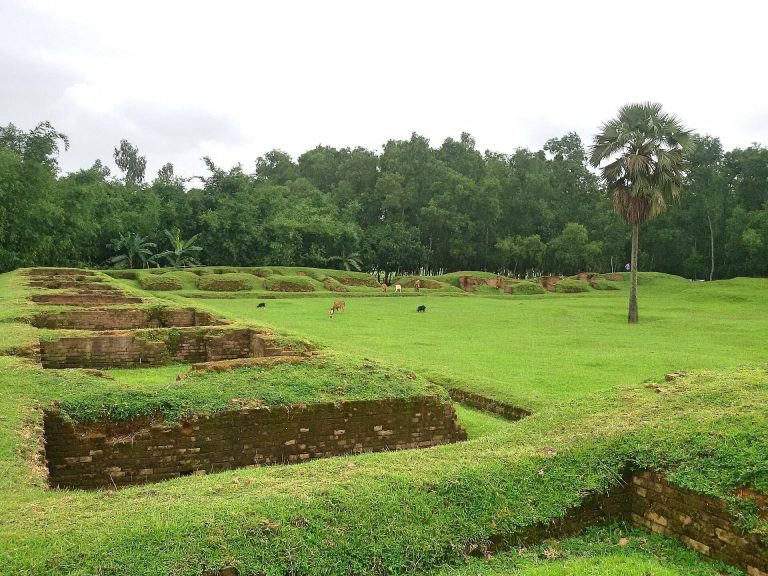
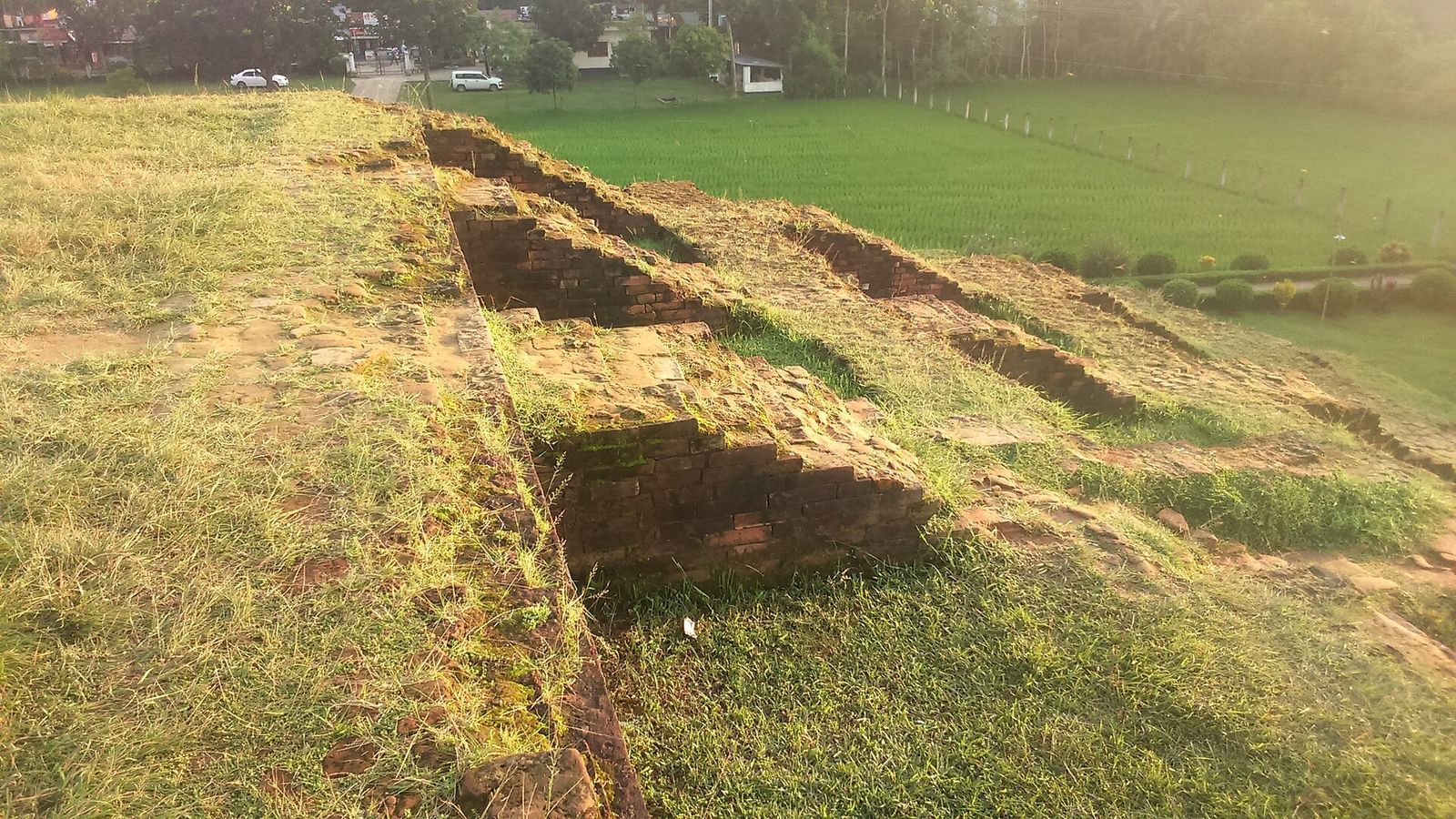
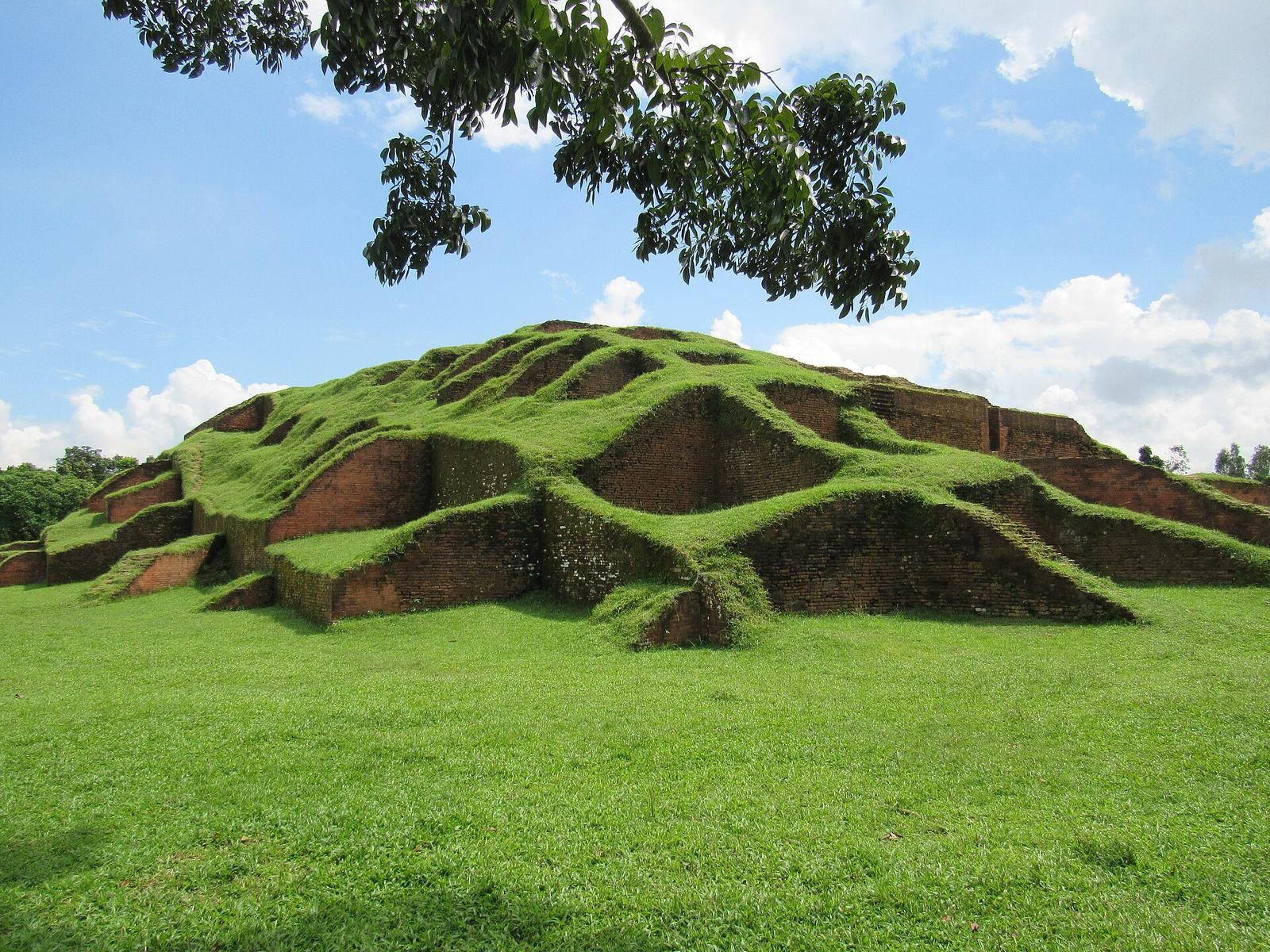
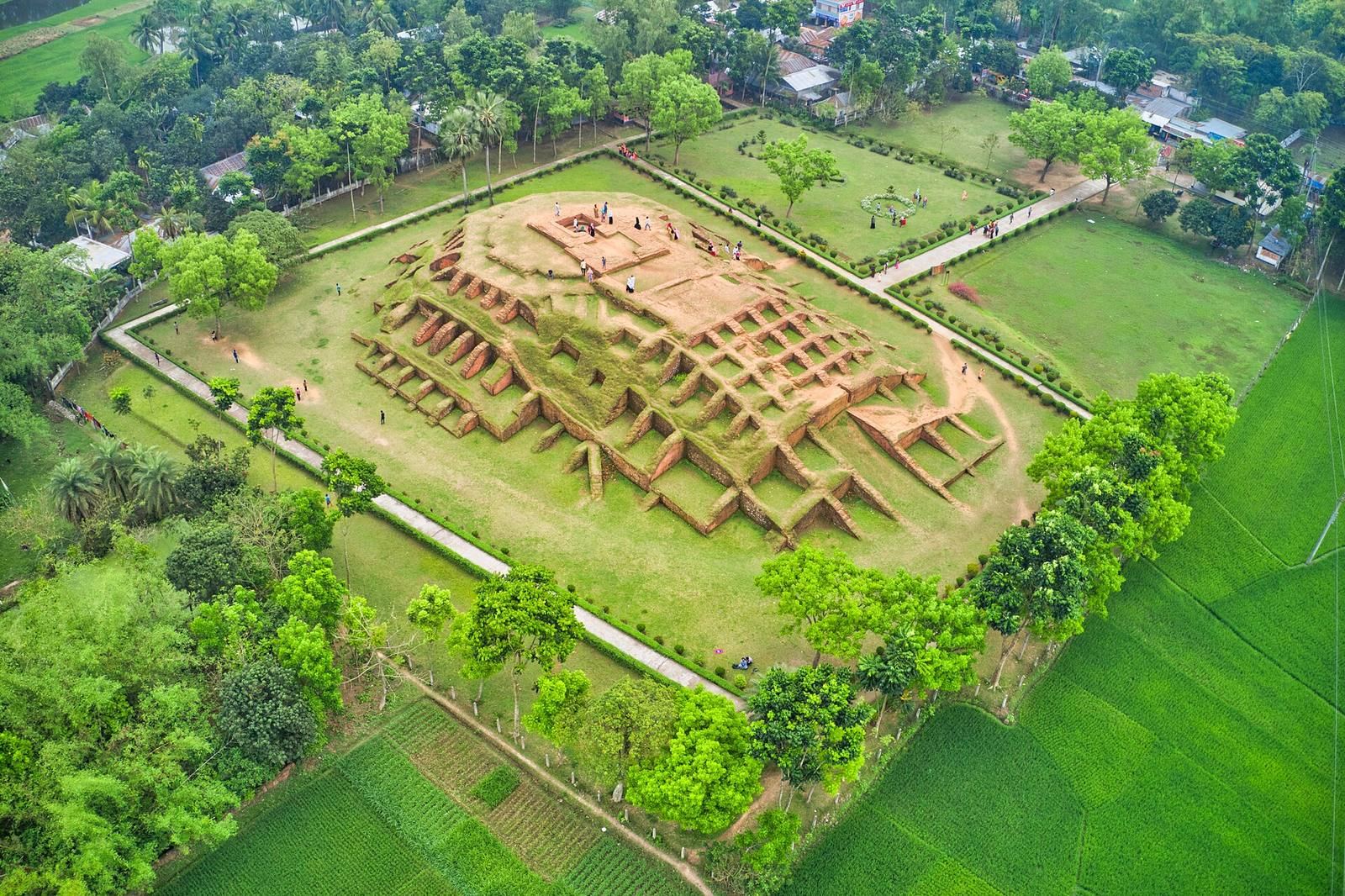
The brick-built mound rises like a hill and extends farther along its east–west axis than its north–south axis. Its remains include a tiered shrine base, a square temple, a pillar, and a tank east of the pillar.
Stupa base and cells
The base of the stupa, a Buddhist monument built as a mound or shrine, consists of 172 closely packed rectangular cells arranged in rising tiers to support a many-sided shrine. A large central chamber is identified as a prayer space. The cells are thought to have provided accommodation for Buddhist monks or teachers.
Central shrine and temple
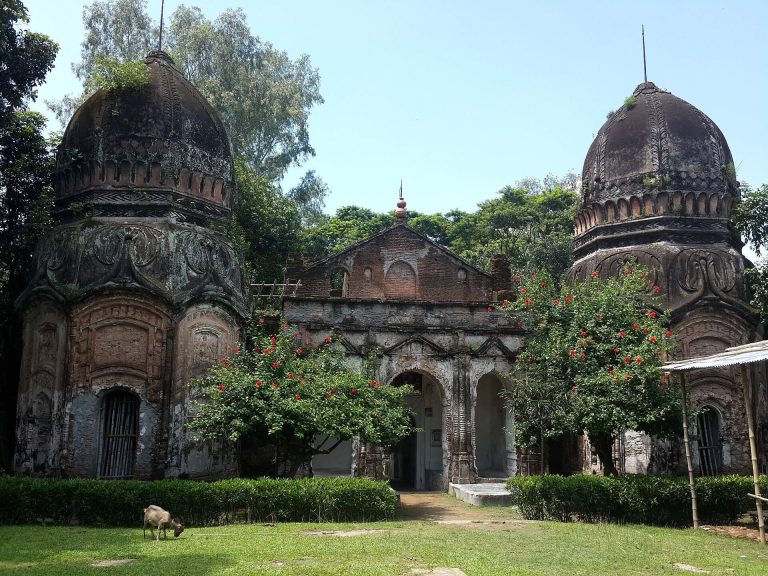
A stone slab found at the shrine’s center has 12 shallow depressions around a larger central depression. The central hollow contained a small gold leaf with a raised image of a reclining bull. Several terracotta plaques, panels made from fired clay, belong to the late Gupta period. A square temple was added in the Sena period, when the Sena dynasty ruled Bengal after the Pala period.
Pillar and tank
A pillar about 45 feet high is attributed to Ashoka, an emperor of the Mauryan dynasty in ancient India. East of it is a 24-sided tank resembling a bathing pool, with a well about 8 feet deep.