Natore Rajbari: A Zamindar Palace and Administrative Seat in Bangladesh
Site at a Glance
- Rating
- 4.4
- Popularity
- Medium
- Country
- Bangladesh
- Primary era
- Early Modern
- Eras represented
- Early Modern
- Civilizations
- Mughal
- Site type
- Domestic
- Remains
- Palace
On this page9 sections
History
Foundation and the Rajshahi Estate
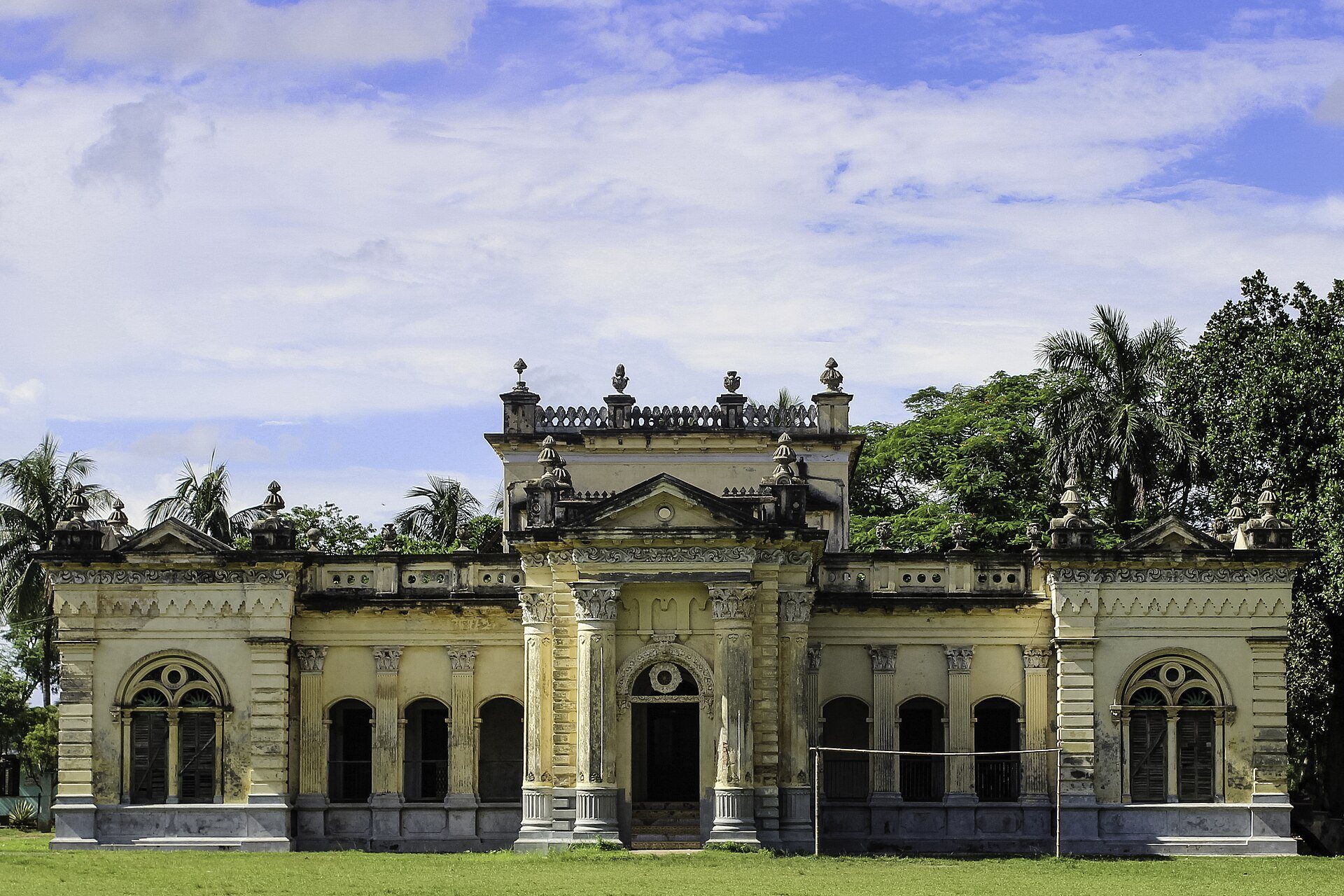
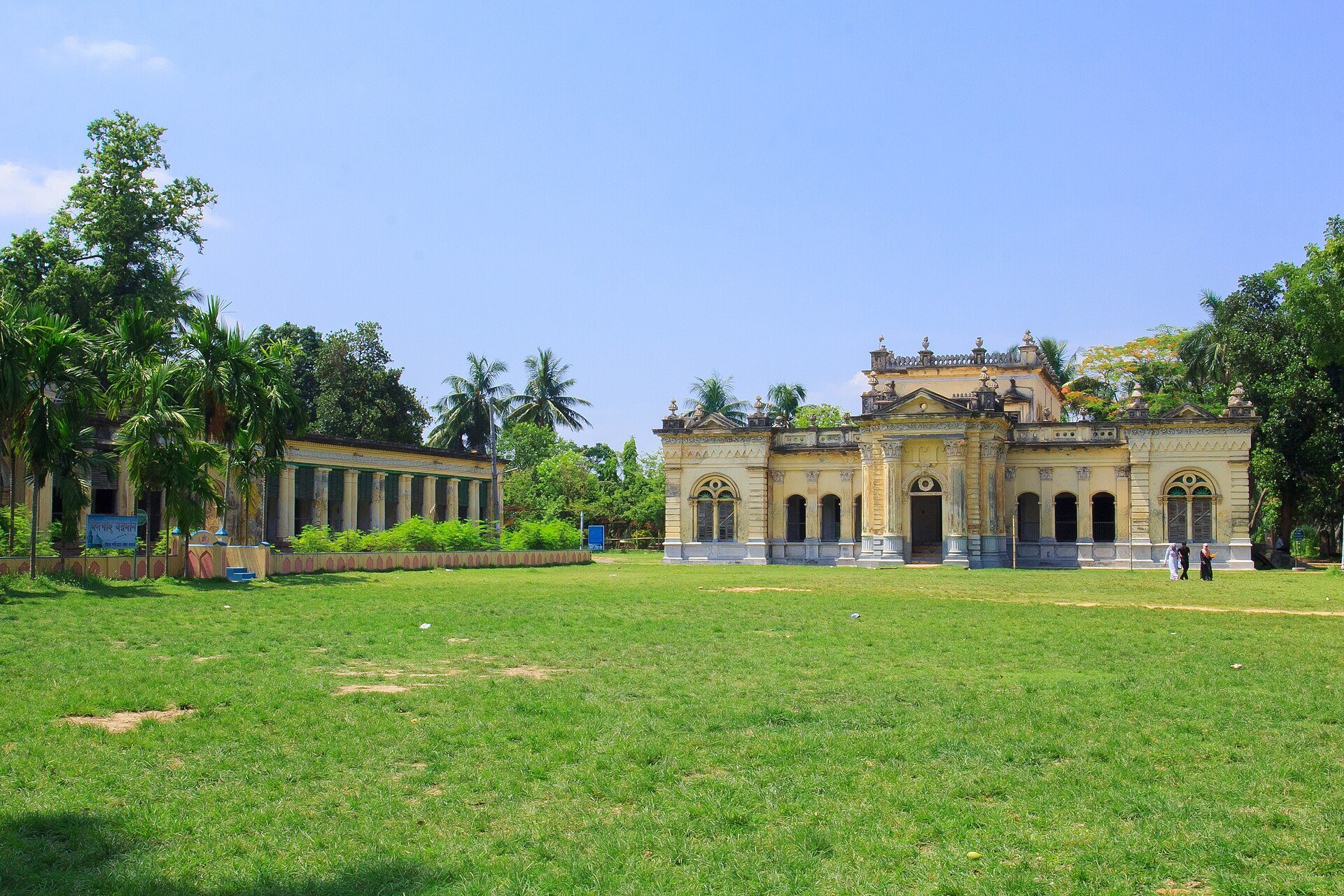
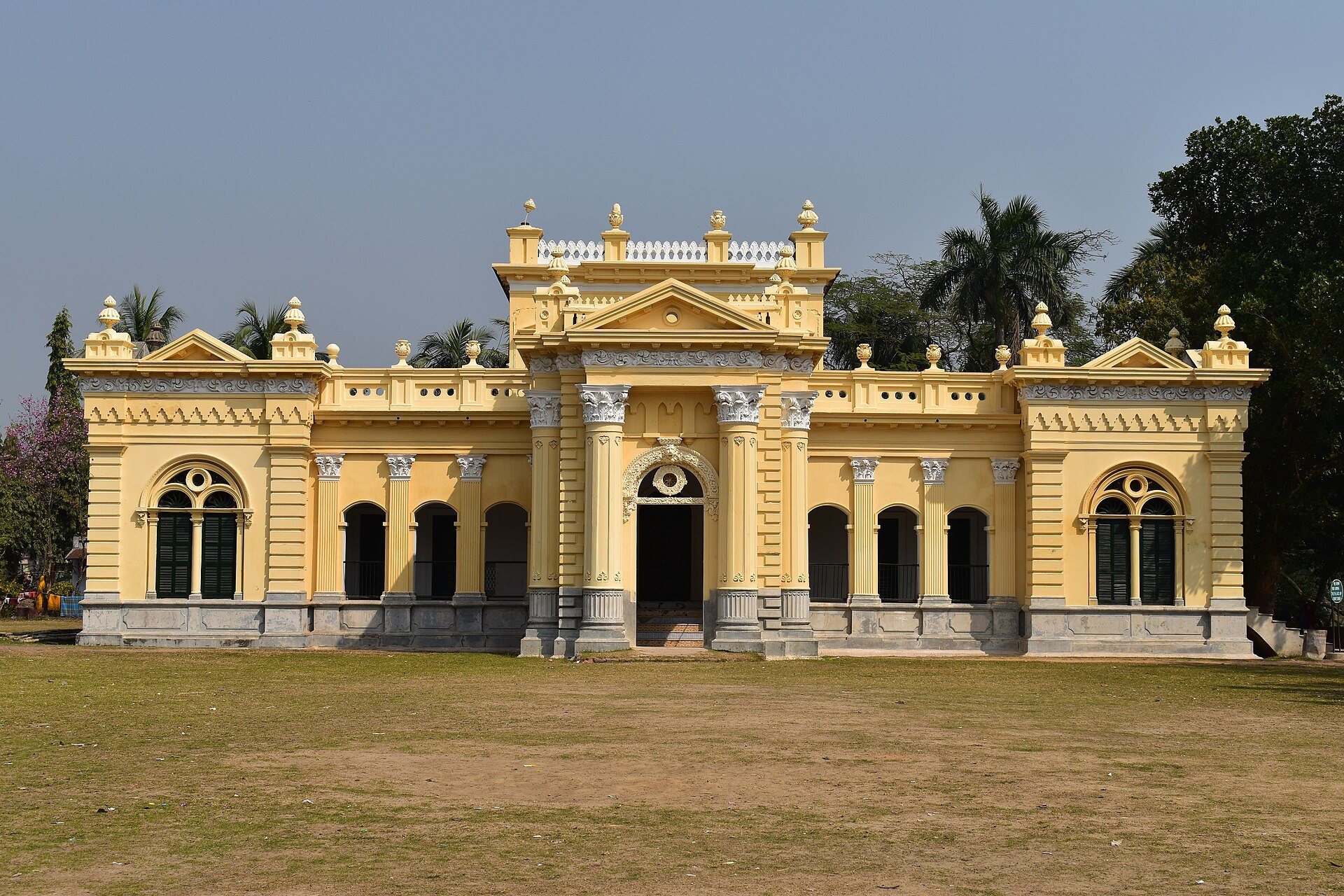
Natore Rajbari, also known as Natore Palace and Pagla Raja’s Palace, is an eighteenth-century palace complex in Bangladesh. Built between 1706 and 1710, it served as the royal residence and administrative seat of the Rajshahi Raj zamindar family, whose zamindari was a large landed revenue estate. The palace combined Neoclassical and Indo-Saracenic architectural styles.
Raja Ramjivan Moitra established the first palace after acquiring several zamindari estates and receiving the title of Raja. He made Natore his headquarters and administered an estate generally known as the Rajshahi Zamindari. Covering nearly 13,000 square miles, it extended across much of North Bengal and into areas that later formed parts of Murshidabad, Nadia, Jessore, Birbhum, and Burdwan. Ramjivan organized its administration through three centers at Natore, Sherpur, and Baranagar.
Rani Bhabani and Estate Expansion
Ramjivan was succeeded by his adopted son, Ramkanta. After Ramkanta died young, his widow, Rani Bhabani, took charge of the Natore estate. She expanded both the estate and the palace and became known for her charitable works. Her administration formed a major phase in the development of Natore as the center of the family’s authority.
Division of the Royal House
After the death of Rani Bhabani’s adopted son, Raja Ramkrishna, in 1797, the Natore estate was divided between his sons Bishwanath and Sibnath. The senior and junior branches of the royal house thereafter operated separately. A separate palace was built for the junior branch, while the two branches continued until zamindari estates were abolished in 1950.
The history of Natore’s landed elite also included the rise of Doyaram, Ramjivan’s Dewan, a senior financial and administrative minister. After helping apprehend the rebellious zamindar Sitaram Roy, Doyaram received landed estates and the title of Ray Raiyan from Nawab Murshid Quli Khan, the provincial ruler of Bengal during the period when the Natore estate was established and expanded. Doyaram later founded the Dighapatia Raj dynasty and its own palace, which was separate from Natore Rajbari.
Earthquake and Rebuilding
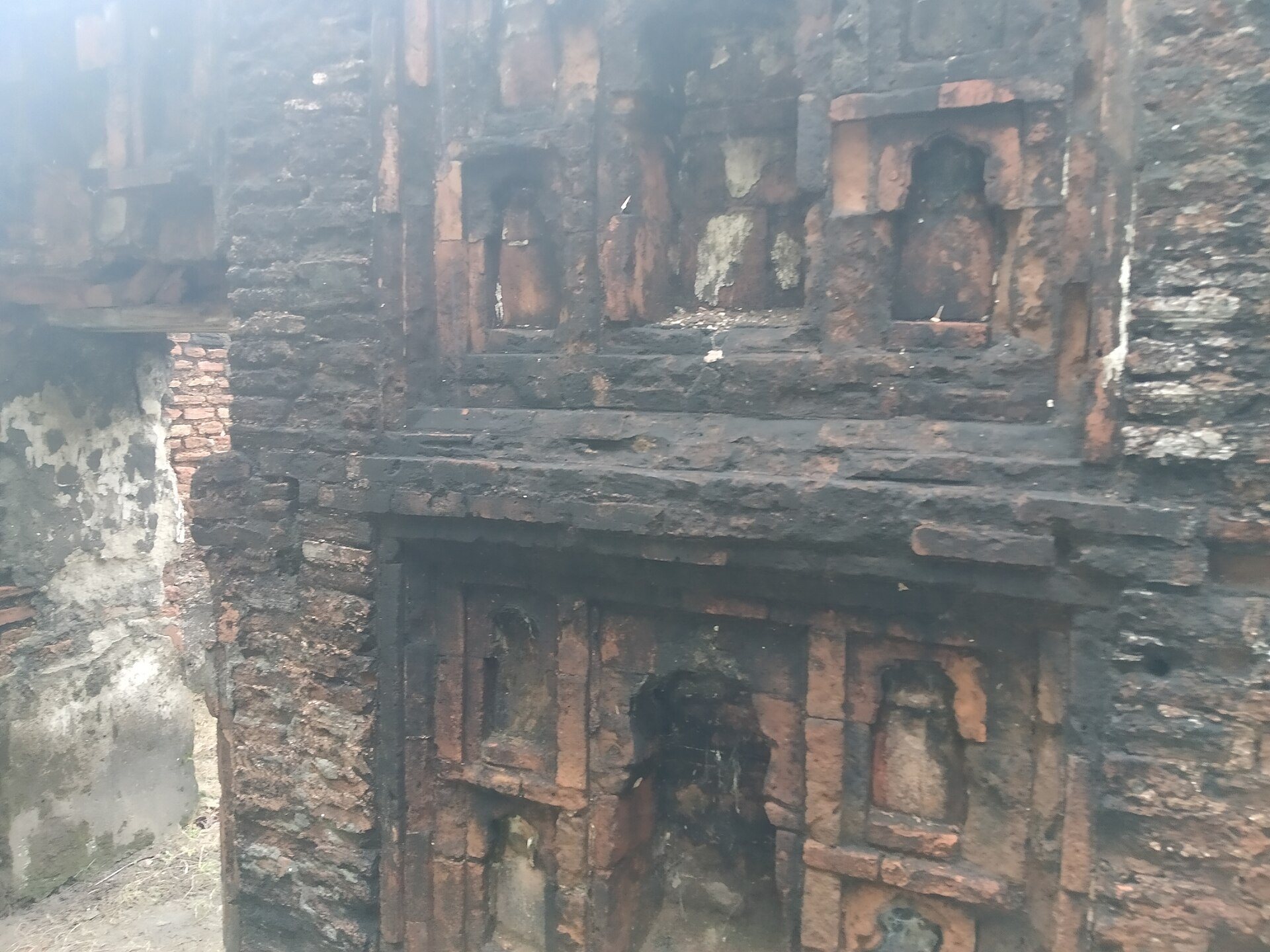
The 1897 earthquake destroyed many of the palace’s original buildings. They were subsequently rebuilt or replaced, leaving the complex with a physical fabric shaped by both its eighteenth-century foundation and later reconstruction. The palace remained associated with the senior and junior branches of the Natore royal house until the abolition of the zamindari system in 1950.
Remains
Palace Complex and Enclosure
Palace Grounds
The palace occupies approximately 50.42 acres, or 20.40 hectares. Its surviving form reflects the combination of Neoclassical and Indo-Saracenic styles attributed to Natore Rajbari. Many original buildings were lost in the 1897 earthquake and later rebuilt or replaced, so the present complex incorporates structures from different phases of its history.
Moats
Two sets of moats enclosed the palace complex. Both remain extant and form part of its surviving physical layout, preserving an important element of the enclosure that surrounded the residence and administrative seat of the Rajshahi Raj family.