Saint Nicholas Church in Yazlovets: Armenian Church and Ukrainian Parish
Site at a Glance
- Popularity
- Very Low
- Country
- Ukraine
- Primary era
- Early Modern
- Eras represented
- Early Modern
- Civilizations
- Armenian, Kingdom of Poland
- Site type
- Religious
- Remains
- Cathedral
On this page8 sections
History
Saint Nicholas Church is an Armenian-style church in central Yazlovets, Ukraine. Construction began in 1551 and was completed during the sixteenth century; the church has been in use since 1551. It served the Armenian community that developed in the town.
Armenian community and construction
Armenian migration to Yazlovets began in the Late Middle Ages and continued over an extended period. People arrived from Crimea, Moldavia, Asia Minor, and the Armenian Highlands. The church belonged to the Lviv diocese under the Mother See of Holy Etchmiadzin, the Armenian Apostolic Church’s principal spiritual center. It later came under the Lviv Archdiocese of the Armenian Catholic Church, a distinct Eastern Catholic church.
Cathedral and change of congregation
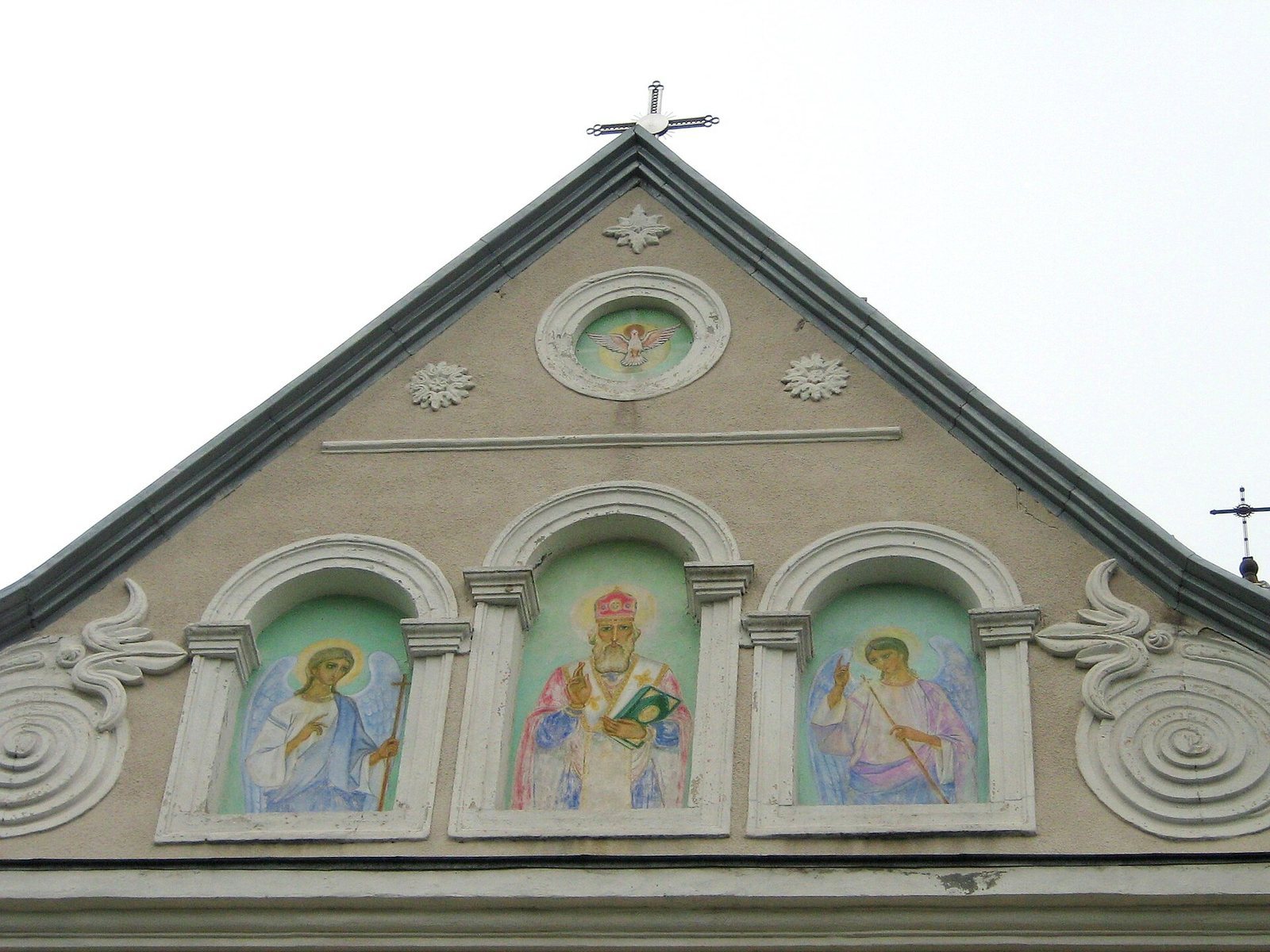
In the seventeenth century, the church served as an Armenian cathedral, a church that is the seat of a bishop. In 1801 it was transferred to Yazlovets’s Ukrainian community, and its dedication to Saint Nicholas the Wonderworker dates from that change. Saint Nicholas was a Christian bishop of Myra venerated as a saint. The church now serves as a Ukrainian parish.
War damage and present status
The church was heavily damaged during the Second World War. Ukraine recognizes it as a monument of architecture of national significance.
Remains
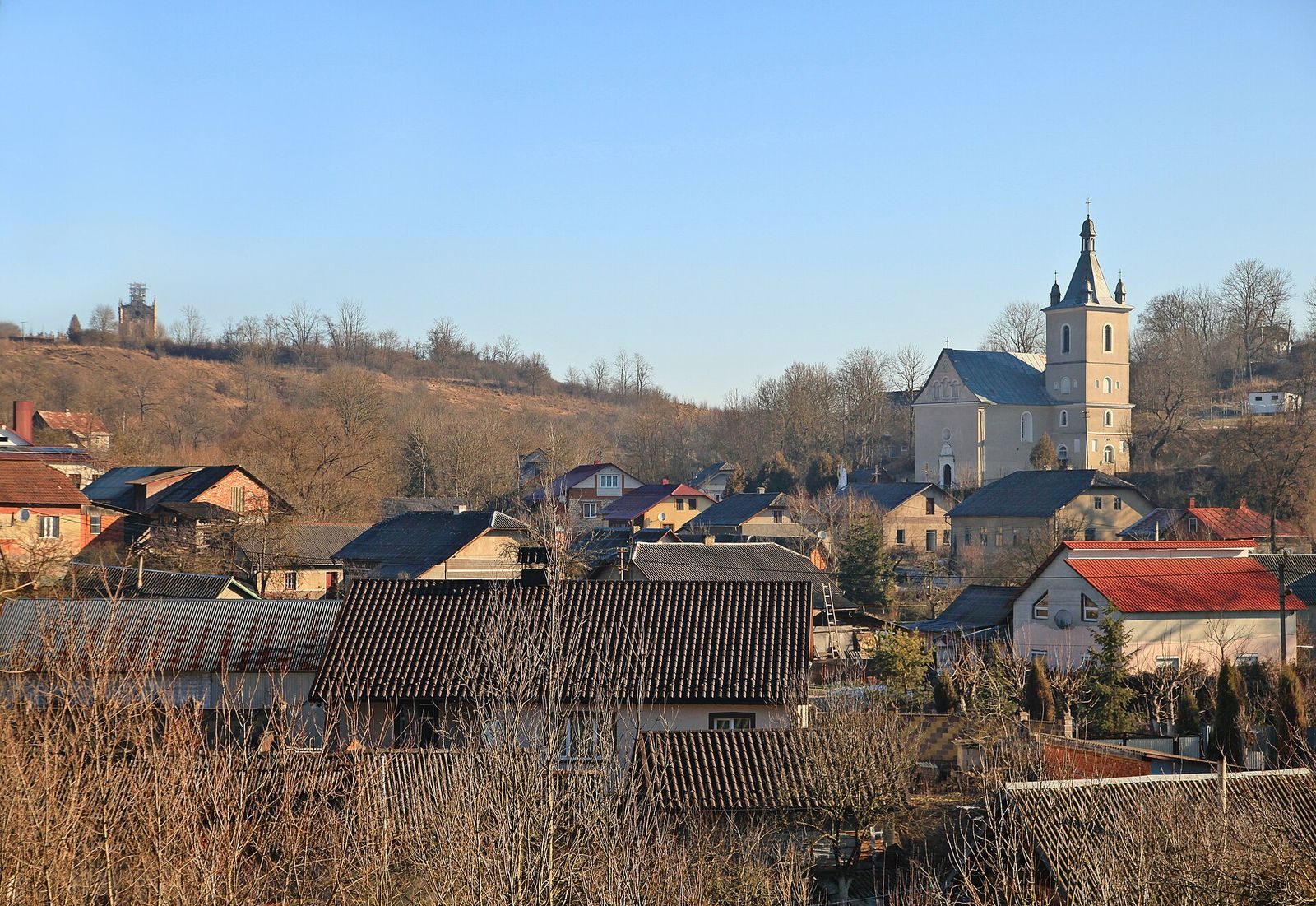
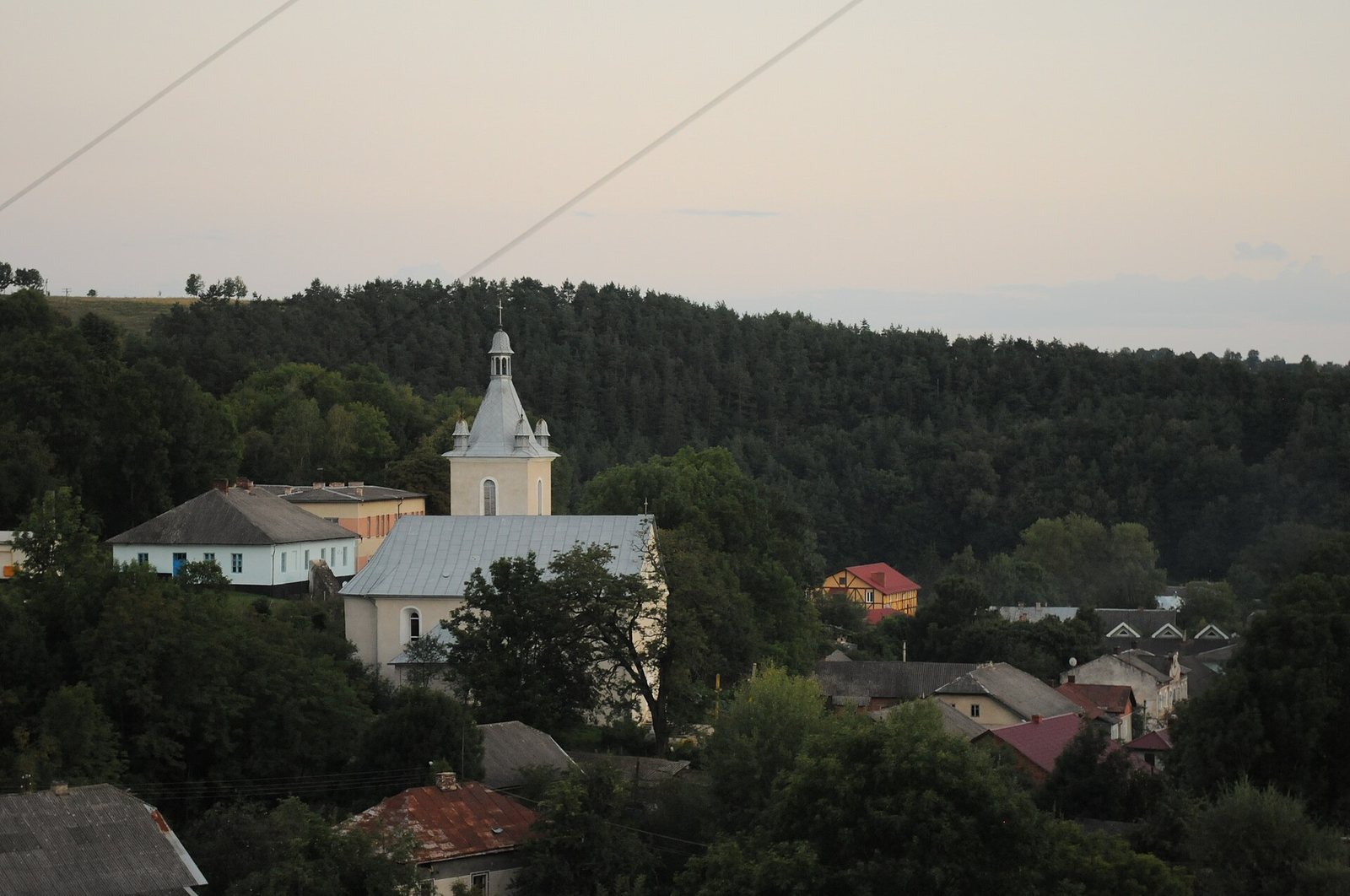
The church stands on a small hill in central Yazlovets, where two streets historically inhabited exclusively by Armenians crossed. It is the oldest surviving building of the former town, now a village.
Church
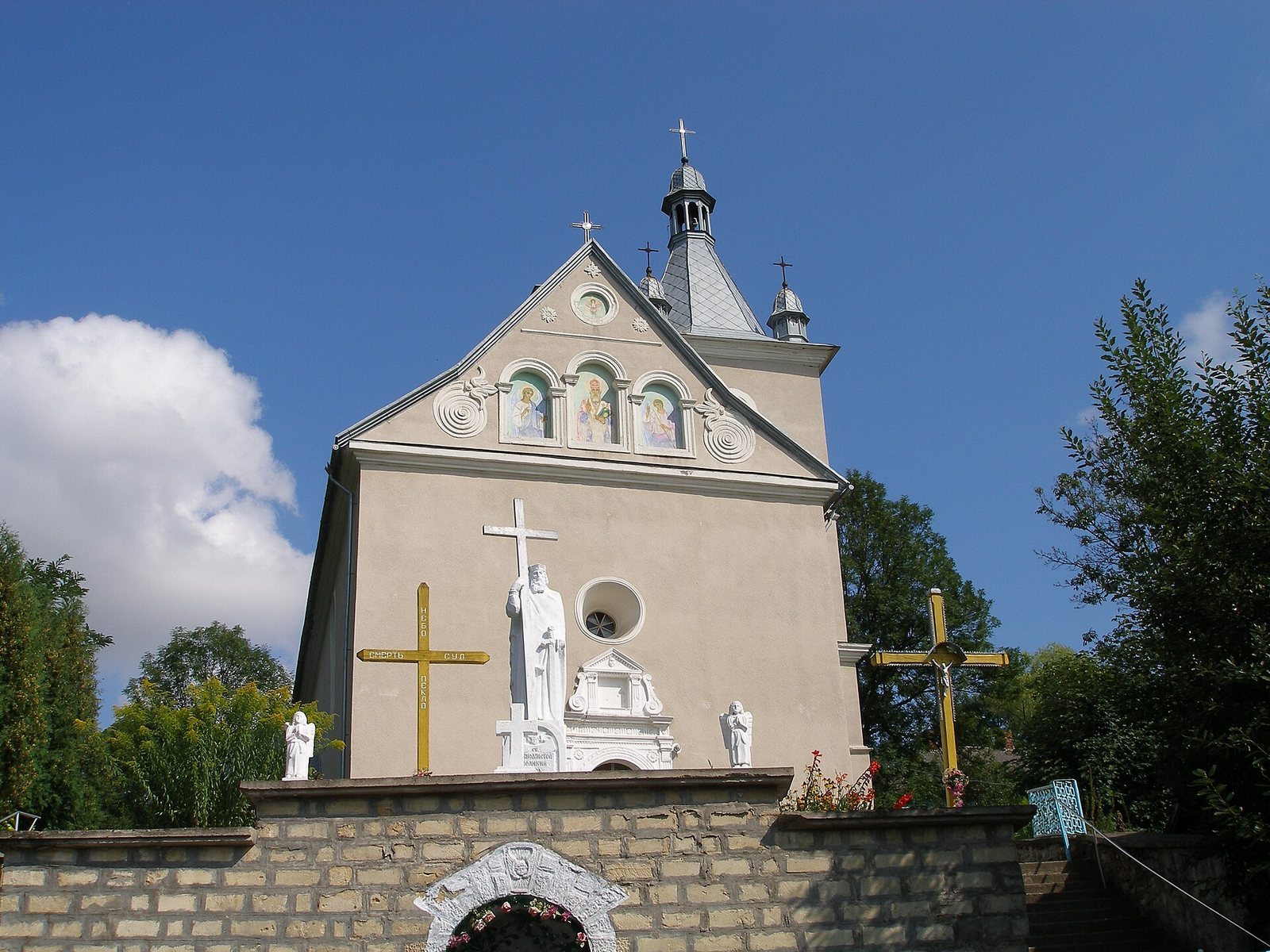
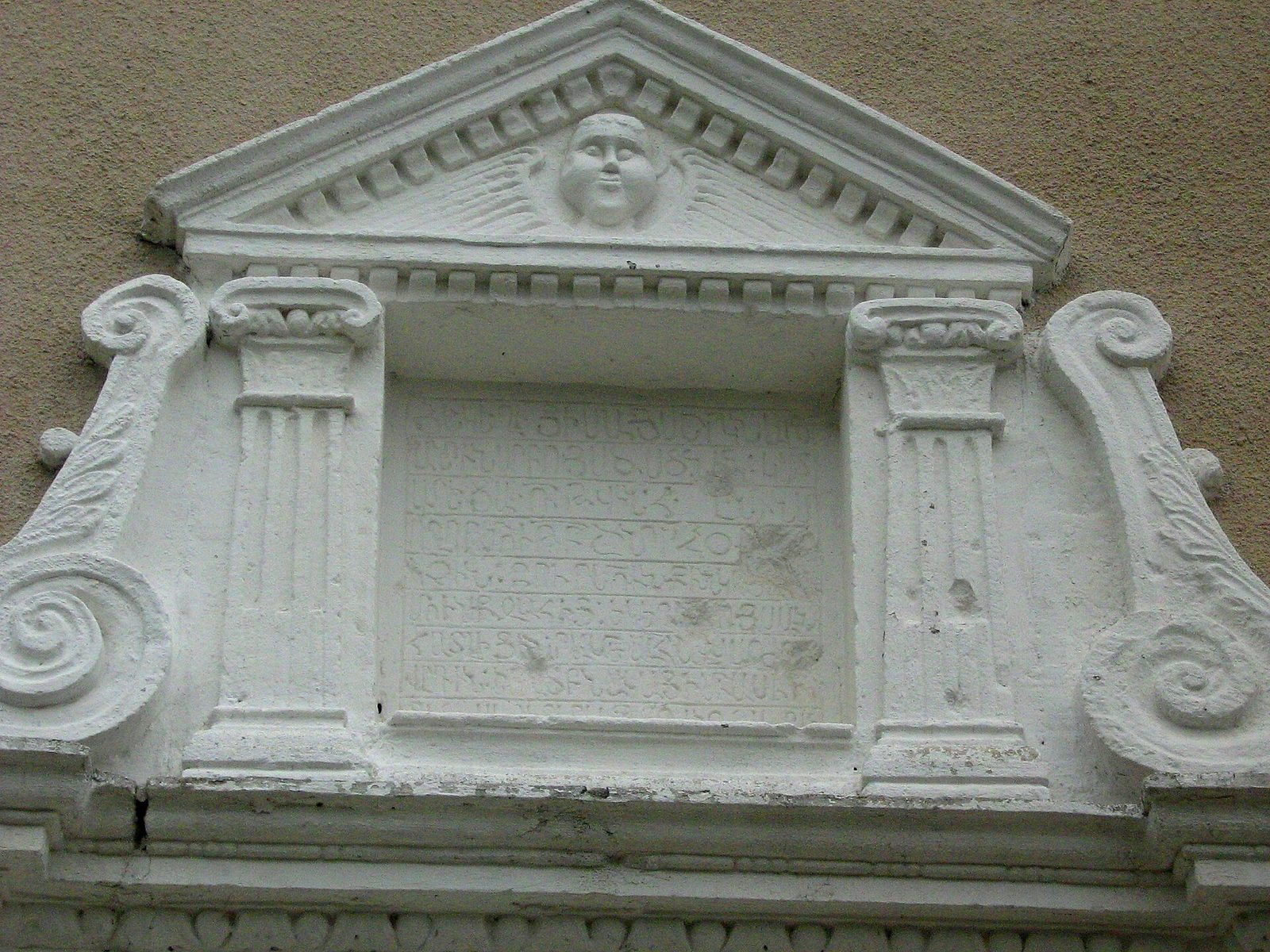
The church’s Armenian architectural style is reflected in its surviving fabric. Armenian-language stone inscriptions remain on the entrance portal. During the Second World War, the building lost its roof and ceiling.
Bell tower
A bell tower survives beside the church. Its resemblance to towers in Moldavia, a historical principality in eastern Europe, suggests a possible connection with the Moldavian Armenian community. The architect may have come from that community, and the tower may have been built during a period of migration from Moldavia.
Fountain
A fountain built in Yazlovets in 1611 by two brothers bears an Armenian inscription. A stonemason made its stucco ornamentation, decorative plaster applied to a surface.