Madonna del Giglio: A Catholic Sanctuary in Prato
Site at a Glance
- Popularity
- Low
- Country
- Italy
- Primary era
- Early Modern
- Eras represented
- Medieval, Early Modern
- Civilizations
- Grand Duchy of Tuscany
- Site type
- Religious
- Remains
- Sanctuary
On this page8 sections
History
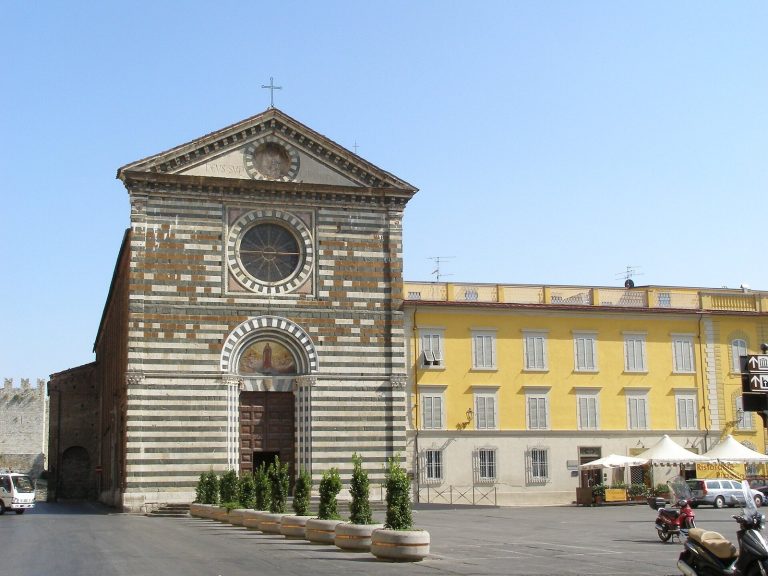
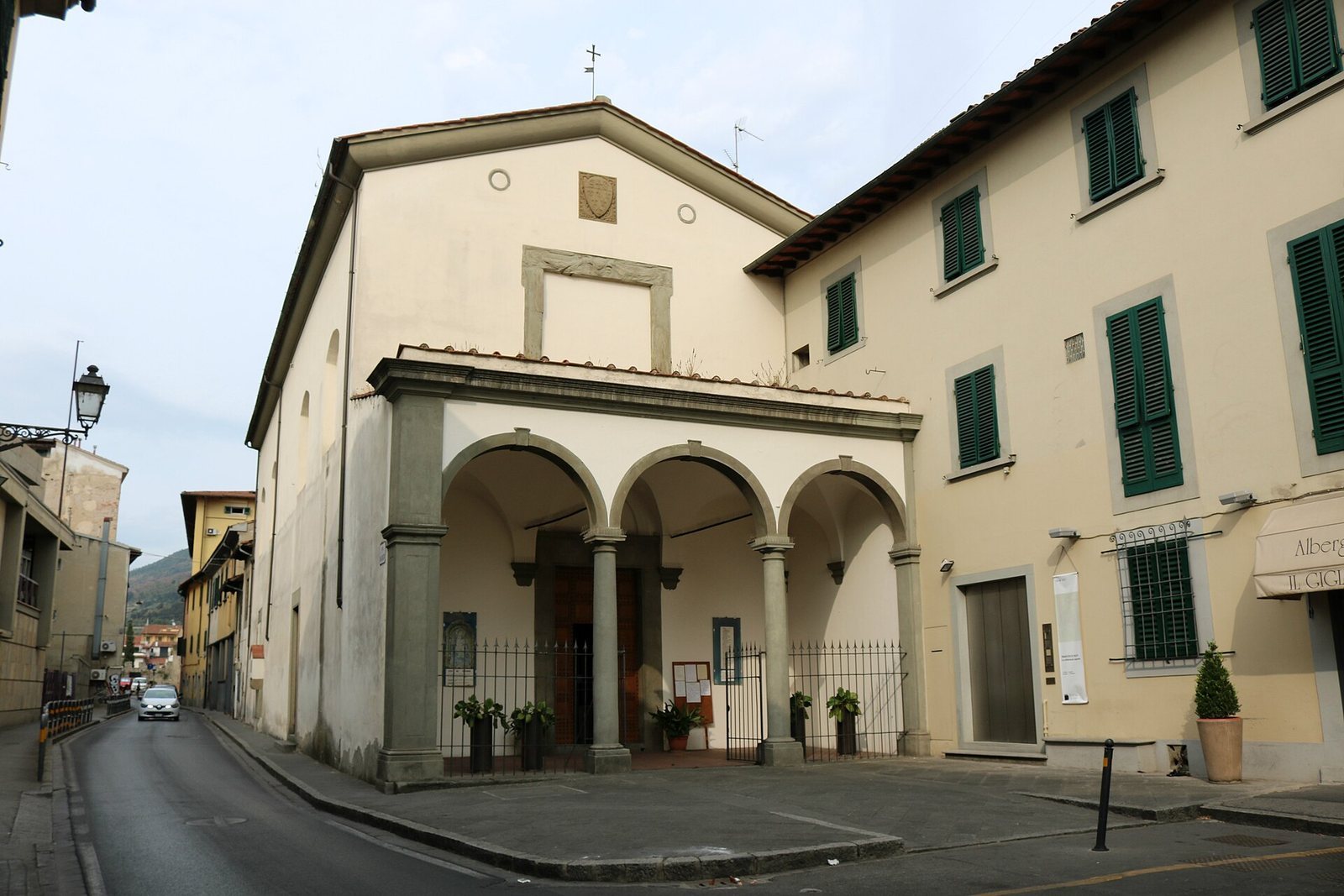
Madonna del Giglio is a Catholic sanctuary on Via San Silvestro beside Piazza San Marco in Prato, Italy. A church associated with the Hospital of San Silvestro stood at the site by about 1270; it became a sanctuary in the seventeenth century, with the conversion completed and the church consecrated in 1680.
The hospital and its church
Dolce de’ Mazzamuti founded the Hospital of San Silvestro near Porta Tiezi in the mid-thirteenth century. The hospital, under the direct control of Prato’s municipality, first cared for sick people and pilgrims. Its role in caring for abandoned children is certain from the early fifteenth century, when this became its principal function. Two rectors, elected by the Eight of Prato, a civic governing body, administered the institution and appointed a treasurer to manage its finances and accounts.
Bequests and donations supported an initial period of growth, but the hospital later faced severe financial decline. The Spanish sack of 1512 and a plague epidemic in 1526 added to its difficulties. Cosimo I de’ Medici, ruler of Florence and the first Grand Duke of Tuscany, ordered the hospital closed in 1537 and later decreed its merger with the Hospital of the Misericordia.
Transformation into a sanctuary
Local tradition links the church’s transformation to miracles said to have begun on 26 August 1664. On that day, a withered lily placed before an image of the Madonna and Child was said to bloom again. Pier Francesco Silvani designed the conversion, which was completed in 1680, when the church was consecrated. During the second half of the seventeenth century, the sanctuary became attached to the parish of San Marco.
Later uses and restoration
From 1788 the church served as a mortuary chapel for the nearby cemetery. In 1791 it became the seat of the Company of St Bartholomew, a devotional religious association. Allied bombing damaged the church in 1944.
Canon Renzo Francalanci served as rector, the cleric responsible for the sanctuary, from 1980 until his death on 2 March 2021. He founded the community of the Knights of the Lily to provide care and service there, and hosted the Knights of the Holy Sepulchre, a Catholic order associated with the Holy Land, who oversaw restoration of the sanctuary.
Remains
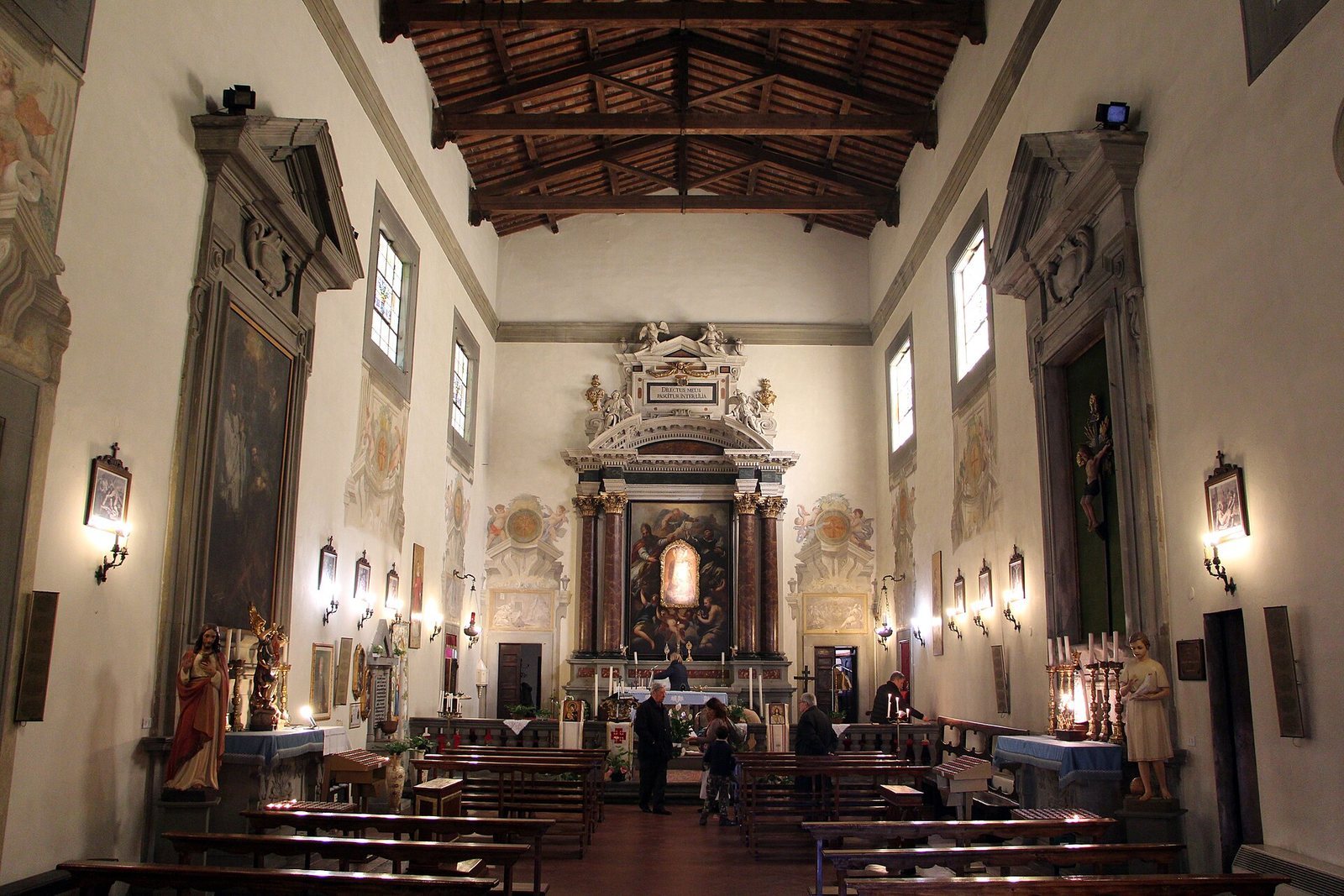
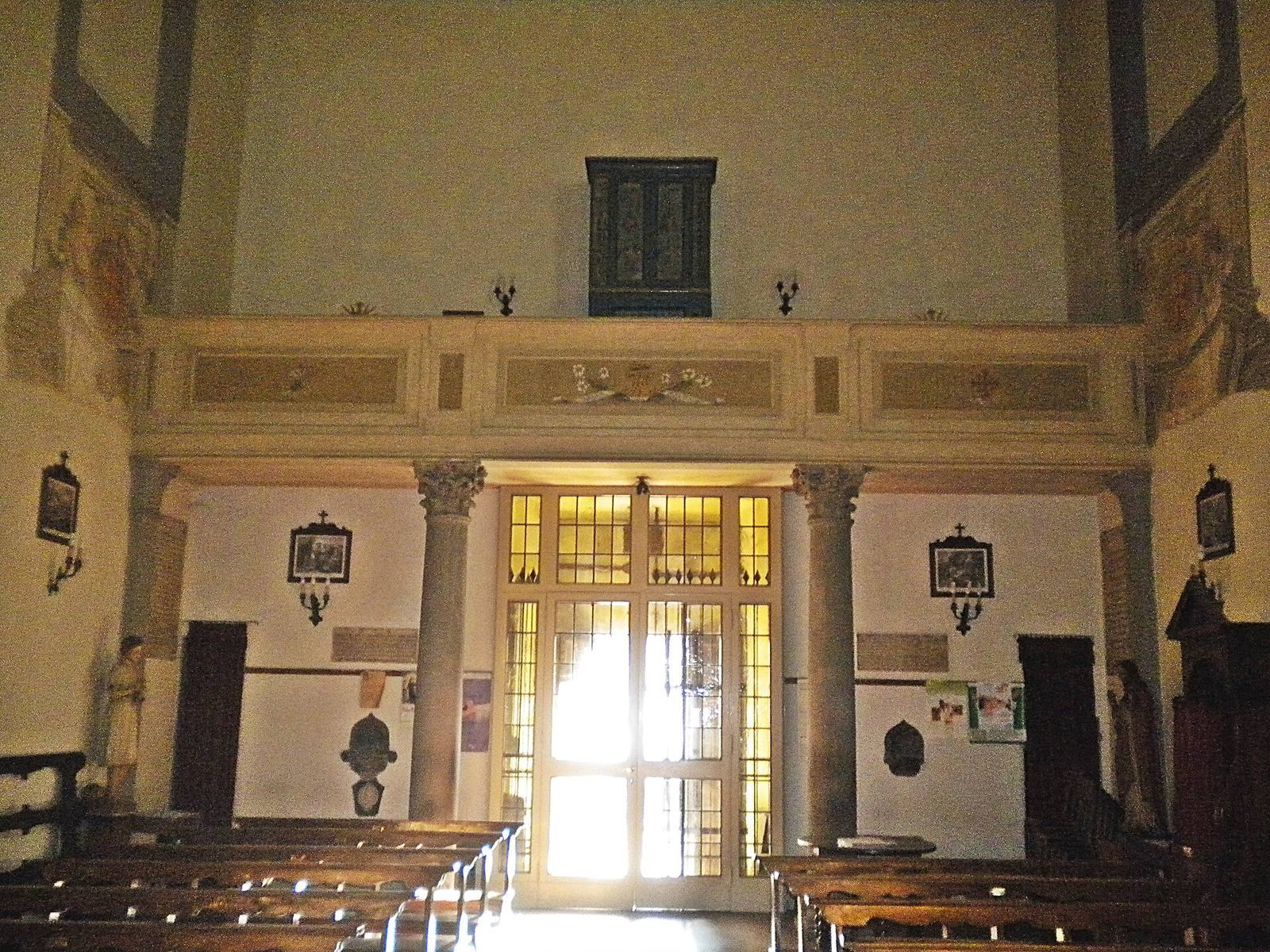
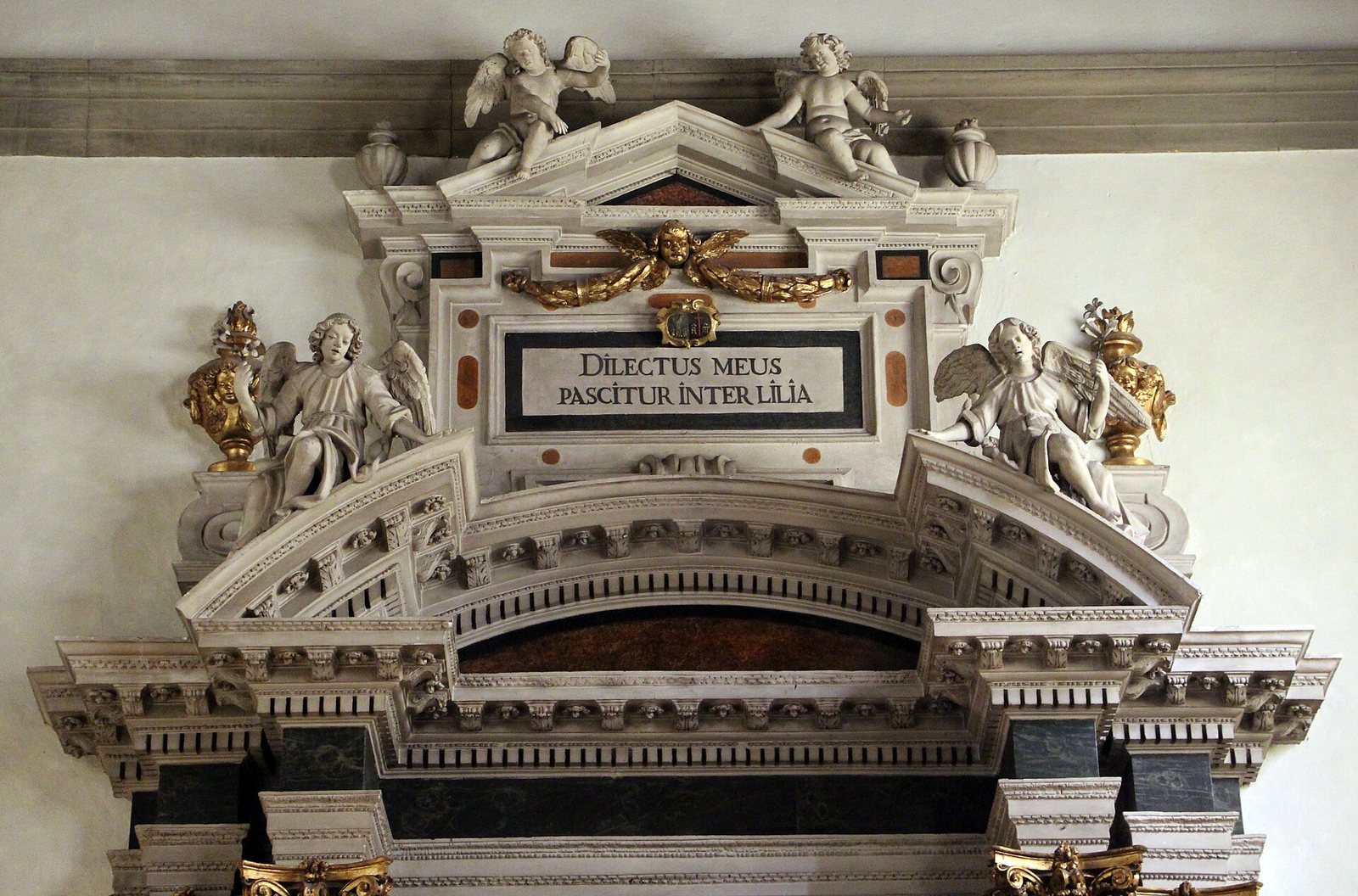
The church preserves elements of its earlier fabric alongside furnishings and decoration from its transformation into a sanctuary. Its recorded features include a portal beneath the portico, a central main altar, and a side altar.
Earlier church and portico
A thirteenth-century portal from the earlier church remains visible beneath the portico. About one-third of the portico was destroyed in the 1944 bombing.
Main altar and Madonna image
The early-fifteenth-century Madonna and Child image was first painted on the outside of a well beyond the church; it was later moved to the center of the main altar. A gold crown was placed on the image in 1982, giving it the title Mary Crowned Queen. The imposing altar, designed by Giovan Battista Balatri and made of scagliola, polished plasterwork that imitates stone, dates to 1665. A canvas added in 1705 by Pietro Dandini shows God the Father with Saints Sylvester, Hyacinth, and Mary Magdalene de’ Pazzi.
Side altar and interior decoration
One side altar, made between 1670 and 1674, carries a painting by Alessandro Rosi depicting Saints Francis Xavier and Peter of Alcántara. Monochrome paintings beside the main altar and other interior decorations were created around 1717 by Rinaldo Botti and his collaborators.