Burg Greifenstein: A Medieval Hill Castle Ruin in Germany

Site at a Glance
- Rating
- 4.6
- Popularity
- Low
- Country
- Germany
- Primary era
- Medieval
- External website
- Open
- Eras represented
- Medieval, Modern
- Civilizations
- German
- Site type
- Military
- Remains
- Castle
On this page13 sections
History
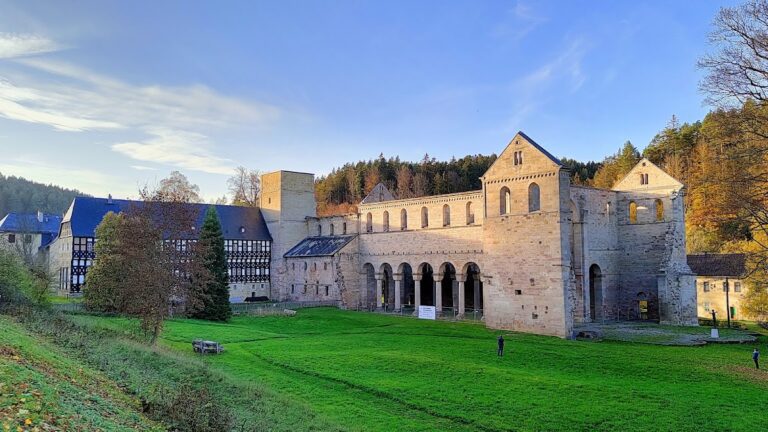
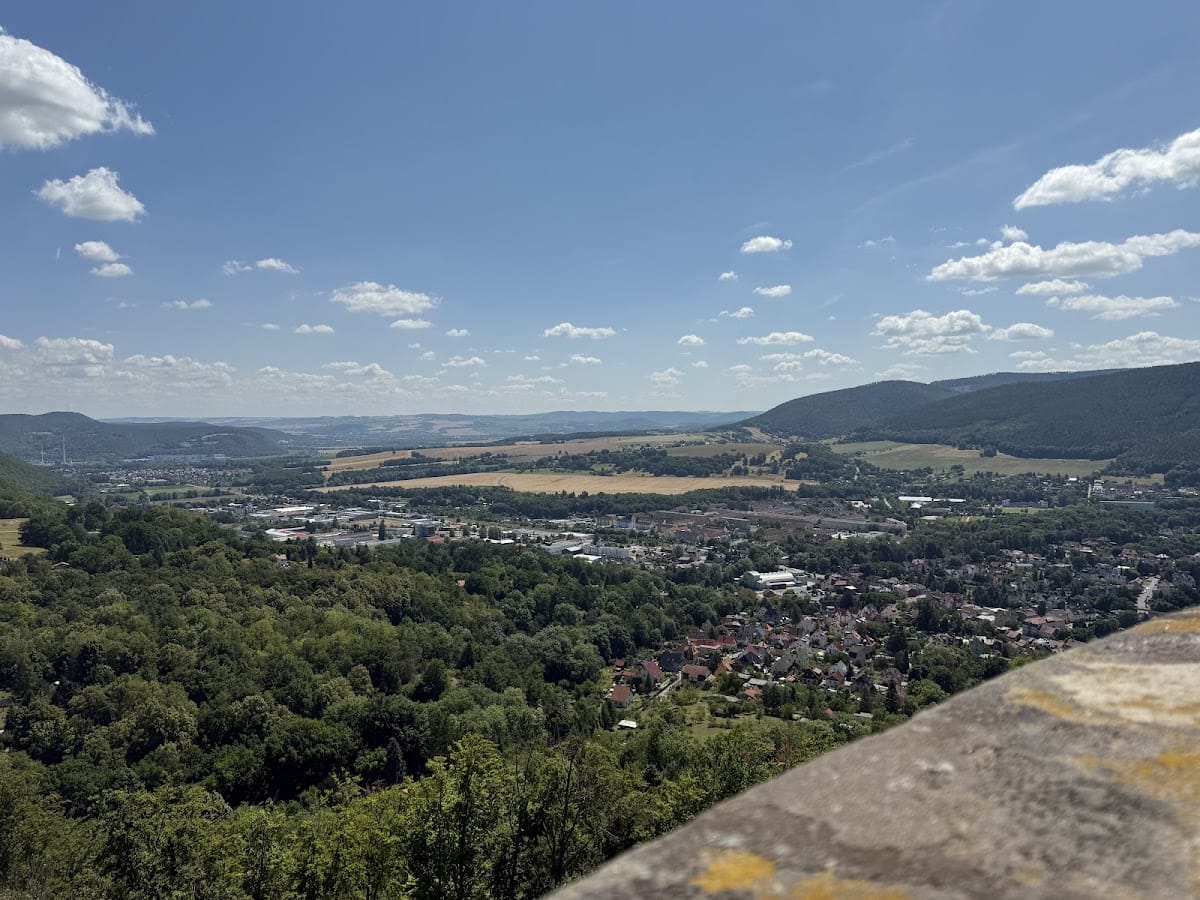
Burg Greifenstein is a medieval hill castle ruin in Germany near Bad Blankenburg in Thuringia, occupying the Greifenstein, the town’s local mountain. Covering approximately 25,000 square metres, it ranks among the largest castle ruins in Germany. Individual finds indicate Neolithic settlement on the hill, but the origins of the medieval fortress remain uncertain.
Early origins and the Schwarzburgs
A later tradition placed the castle’s foundation around 925–932, when King Henry I supposedly ordered Margrave Günther to build a fortress against raids by the Huns and Hungarians and to protect nearby settlements. This account is not certain, and no confirmed foundation date is known. The surrounding settlements belonged to the Orlagau, a medieval territorial region in Thuringia, by 1071.
The castle and the hill were formerly known as Blankenburg. A document dated 1137 appears to mention the site, but it is probably a later forgery. The earliest credible reference is undated and probably belongs to 1196–1210. Other records show that the castle belonged to the County of Schwarzburg by 1208, although an earlier transfer to the Schwarzburg counts is considered probable. The site was also associated with Konrad of Wazdorf, a knight and vogt, an official who exercised administrative or judicial authority for a ruler or lord.
Blankenburg became a residence of the Schwarzburg family for a long period. By the thirteenth century, however, Schwarzburg Castle had taken precedence as the family’s principal residence. A document from 1346 refers to two separate countly residences at Blankenburg, showing that the complex had already been enlarged.
Dynastic residence and political change
Günther VII of Schwarzburg is associated with the foundation of the Schwarzburg-Blankenburg dynastic line. Günther XXI was born at the castle in 1304 and was the last Schwarzburg count born there. On 30 January 1349, supporters of the deceased Emperor Louis IV elected him as a rival king against Charles IV. After his defeat, he gave up his claim in return for compensation and died unexpectedly on 14 June 1349.
From the fourteenth century, the Schwarzburg rulers generally favored more convenient residences in towns. Blankenburg consequently became the seat of a vogt and a permanent military detachment rather than the family’s principal home. Heinrich XXVI of Schwarzburg was probably the last count to live there, at least intermittently, in the late fifteenth century.
Decline, abandonment, and later use
By the early sixteenth century, the castle was declining and being abandoned. A record from 1547 describes three fires and increasing deterioration. At that time, only an official from Rudolstadt occupied the site during the grape harvest. The transfer of the administrative office to Rudolstadt around 1560 probably began the castle’s final decline.
The ruin continued to have occasional practical uses. Its wine press was repaired in 1612. In 1642, authorities prohibited the removal of stone from the castle. The fortifications were repaired in 1664 so that the site could be used in the event of a Turkish attack. During the eighteenth century, treasure hunters apparently visited repeatedly, probably contributing to the destruction of the main tower. The tower began to collapse in 1785 and fell completely in November 1800.
Restoration and preservation
Small-scale restoration began in 1821. In 1860, a castle inn was established through the conversion of part of the palace ruin for hospitality use. The Burggemeinde, an association dedicated to the castle, was founded in 1900. Working with the Representative Convention of Academic Athletic Societies, it arranged the rebuilding of the palace and tower between 1925 and 1928.
The rebuilt tower was completed in 1927–28 as a viewing tower. Its ground floor became a memorial to those killed in the First World War. After 1945, the castle association ceased its activities, and the complex was used as a children’s holiday home. Volunteers organized further restoration and maintenance from 1962, with more formal work beginning in 1965 through the Freundeskreis Burgruine Greifenstein. Renovation intensified between 1978 and 1990, and the Greifenstein-Freunde Bad Blankenburg association was founded in 1990. The ruins are protected as a heritage monument in Thuringia, and the complex lies within the Greifenstein nature reserve.
Remains
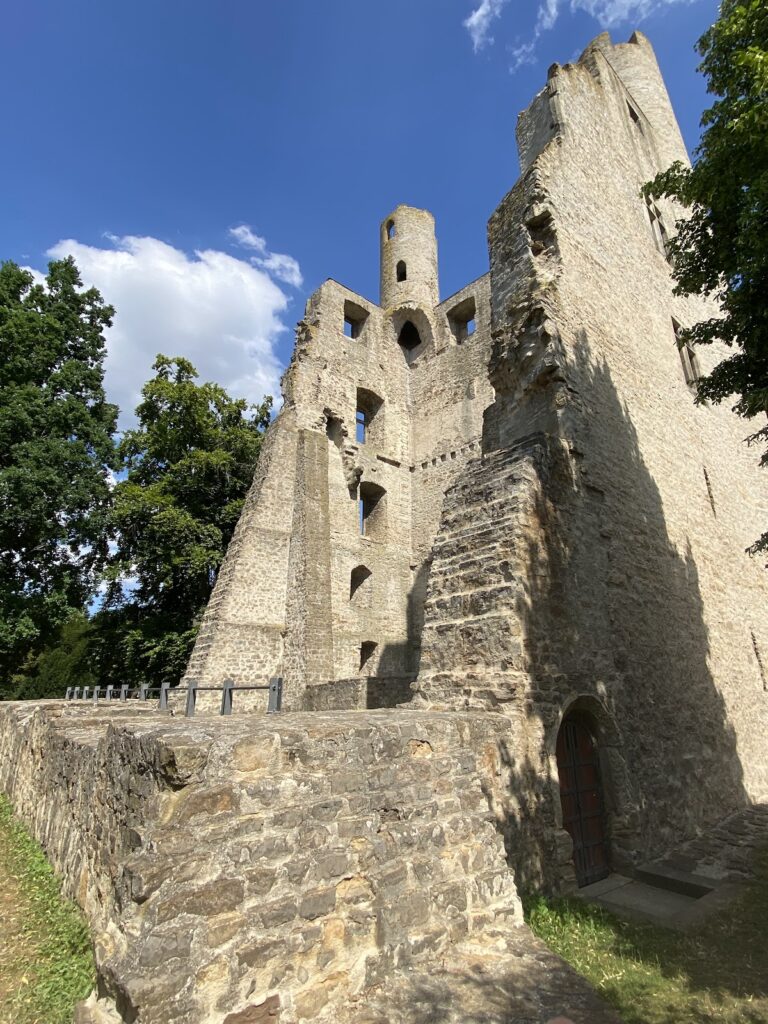
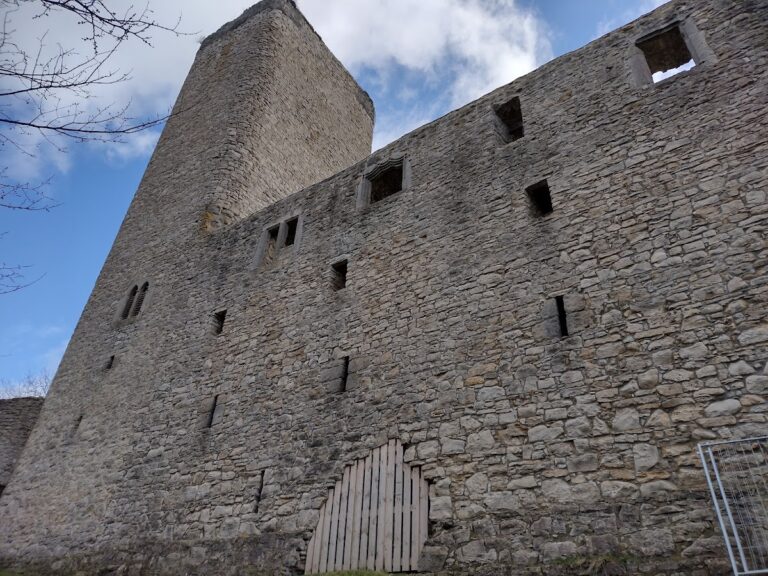
Burg Greifenstein occupies a rocky hilltop at approximately 390 metres above sea level. The fortified area measures roughly 250 by 100 metres, corresponding to an overall area of about 25,000 square metres. The present complex is a ruin containing an older western and northwestern core, a later enclosed section to the east and southeast, surviving defensive earthworks, water installations, and reconstructed elements of the palace and tower.
Early fortified core
The earliest presumed medieval installation probably dates from the twelfth century. It occupied the northwestern part of the summit and consisted of earth-built houses protected by ditches, banks, and a palisade. Its possible connection with a Sorbian advance remains uncertain. A fore-settlement probably continued to occupy this older area after the castle was enlarged.
Walled enclosure and defenses
Eastern enclosure
During the twelfth or thirteenth century, builders extended the fortified area eastward with a roughly pentagonal walled enclosure. The older castle core was additionally protected on its western approach by a deep ditch. A similar settlement developed to the east, while the enlarged castle was enclosed by a bank and ditch.
Southeastern defenses
The later southeastern section of the rocky summit probably contained a round tower, a chapel, residential buildings, and service buildings. Its defenses included a Zwinger, a defended outer area between or in front of the main walls, together with a surrounding ditch and six round bastions. The older section was probably modernized during this phase, including the creation of a more convenient southern entrance with a double gate and portcullis.
Water supply and reconstructed buildings
Wells and cistern
Water was supplied by two castle wells located in the ditch and by a cistern beneath the courtyard. A cistern is a tank or reservoir used to collect and store water. These installations formed part of the castle’s internal infrastructure and helped support occupation within the fortified enclosure.
Palace and tower
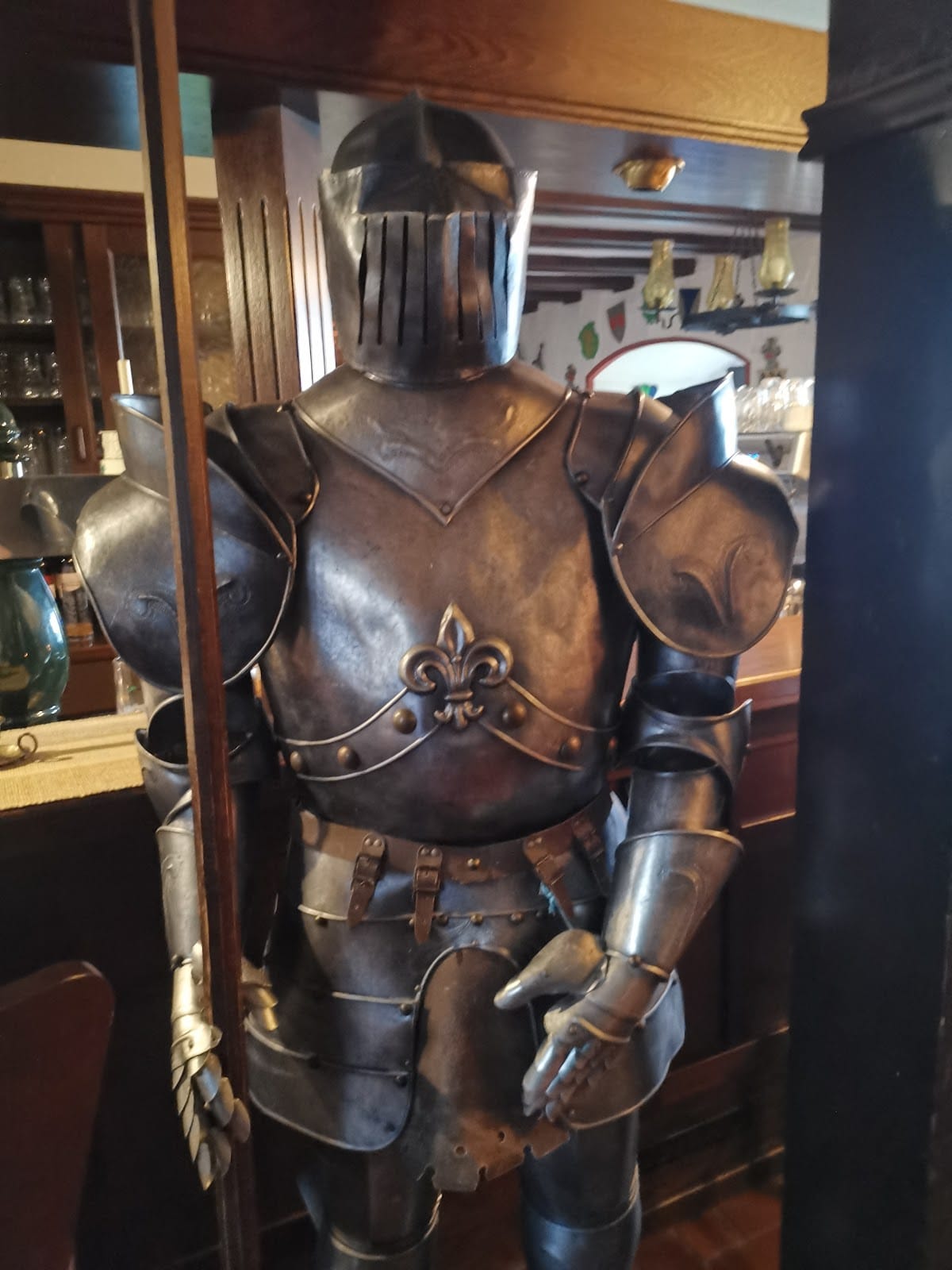
The palace and tower were rebuilt between 1925 and 1928. The tower, completed in 1927–28, serves as a viewing tower and contains a First World War memorial on its ground floor. The former palace incorporates the castle inn established in the nineteenth century, including a hall known as the King Günther Hall.