Schloss Mochental: A Baroque Castle and Art Gallery in Germany
Site at a Glance
- Popularity
- Medium
- Country
- Germany
- Primary era
- Early Modern
- Eras represented
- Medieval, Early Modern
- Civilizations
- Holy Roman Empire
- Site type
- Domestic
- Remains
- Elite Residence
On this page10 sections
History
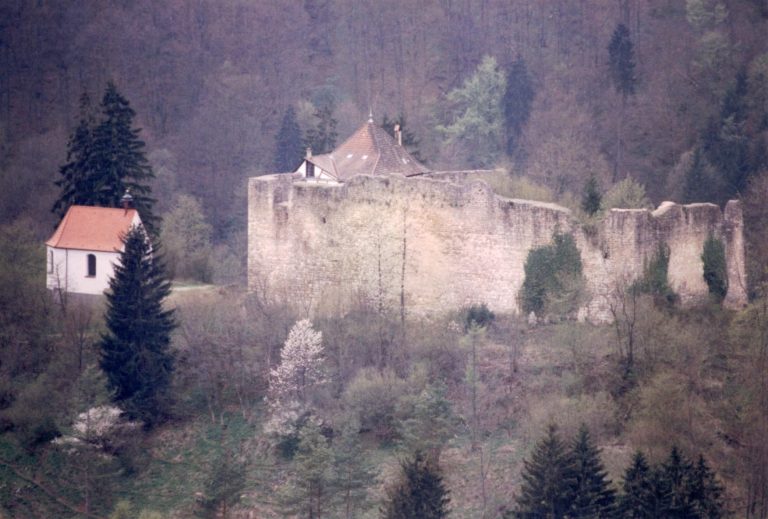
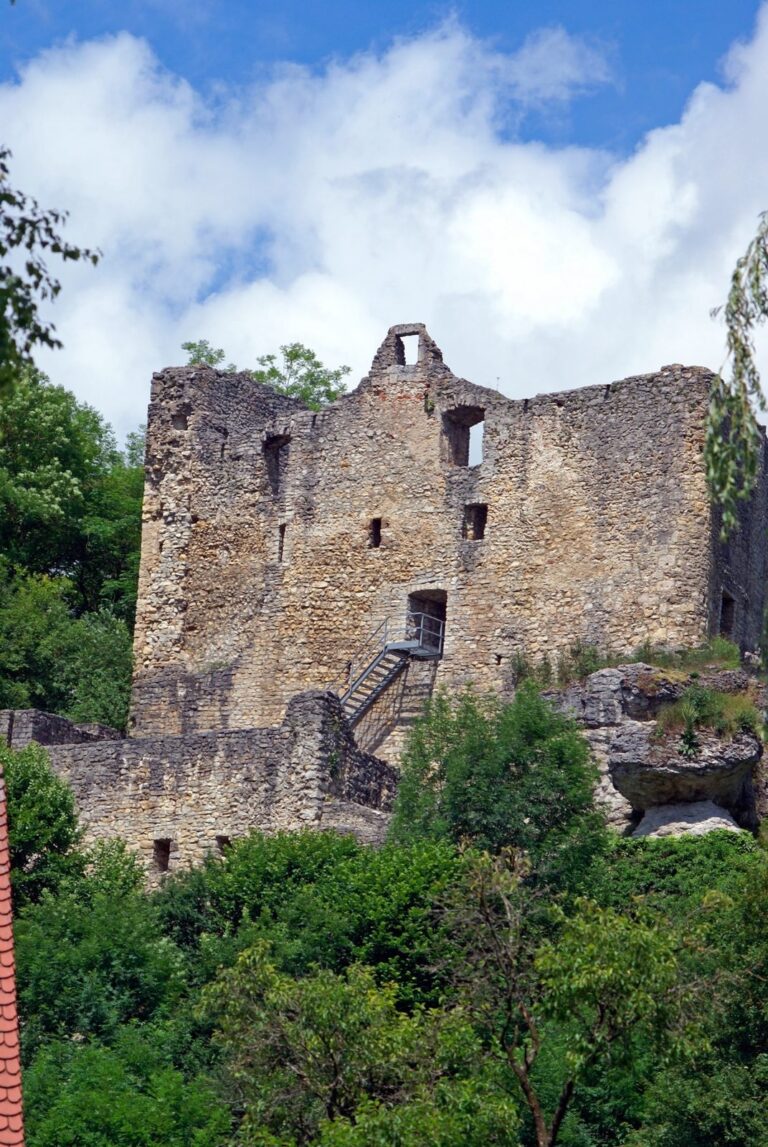
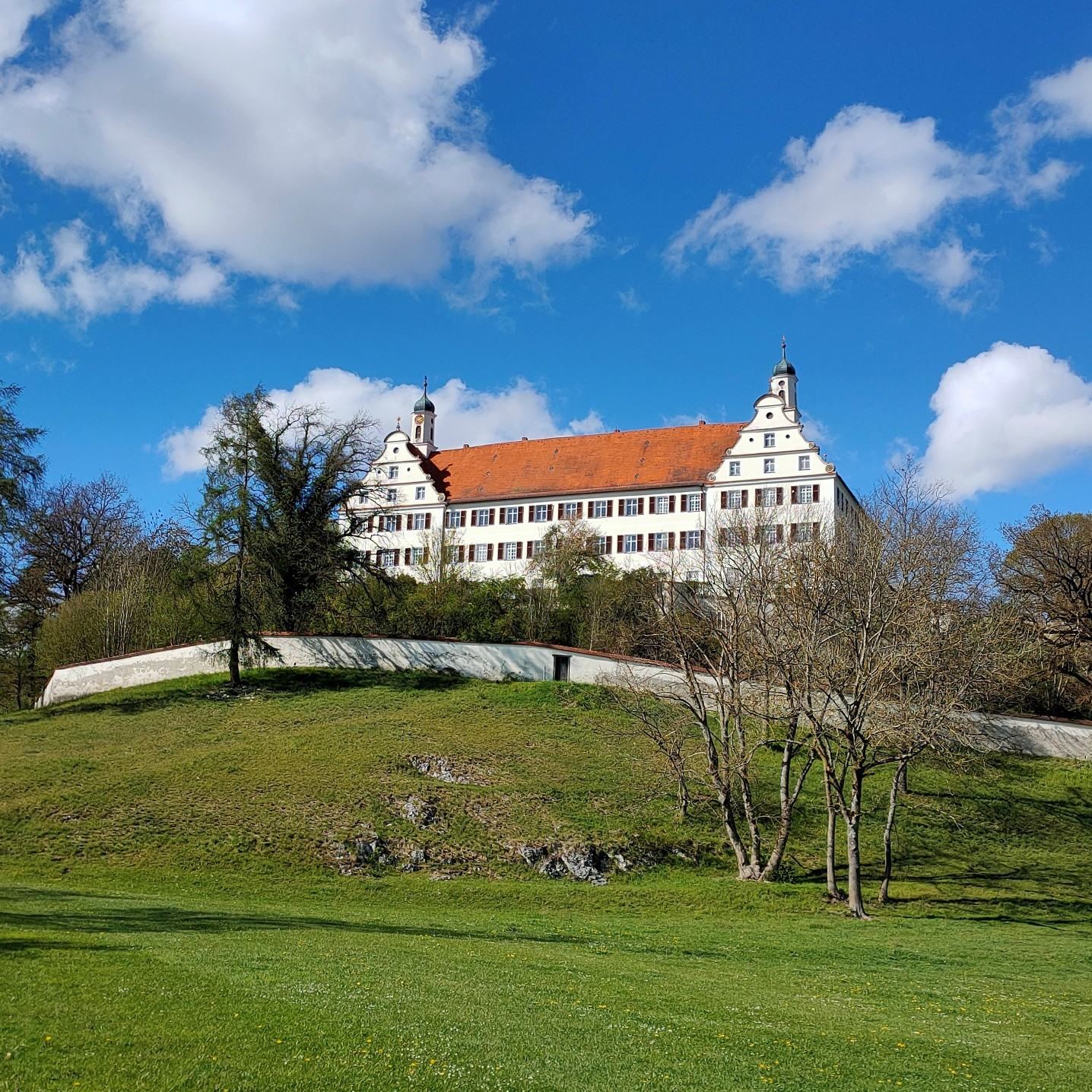
Schloss Mochental is a castle above the Danube in the Kirchener Valley near Lauterach, Germany, founded around 1000 by the Counts of Mochental, who also established a chapel. Rebuilt in Baroque form after a fire in 1730, it later served as the summer residence of the abbots of Zwiefalten Abbey.
Castle and abbey administration
In 1192, Count Ulrich I of Berg gave the castle and chapel to Zwiefalten Abbey. Mochental then became the abbey’s provostry, a dependent monastic establishment under an abbey. As the older castle deteriorated, the provostry and St Nicholas Chapel were renewed and enlarged repeatedly from the mid-sixteenth to the mid-seventeenth century. Work included rebuilding and expansion around the turn of the seventeenth century.
Baroque rebuilding
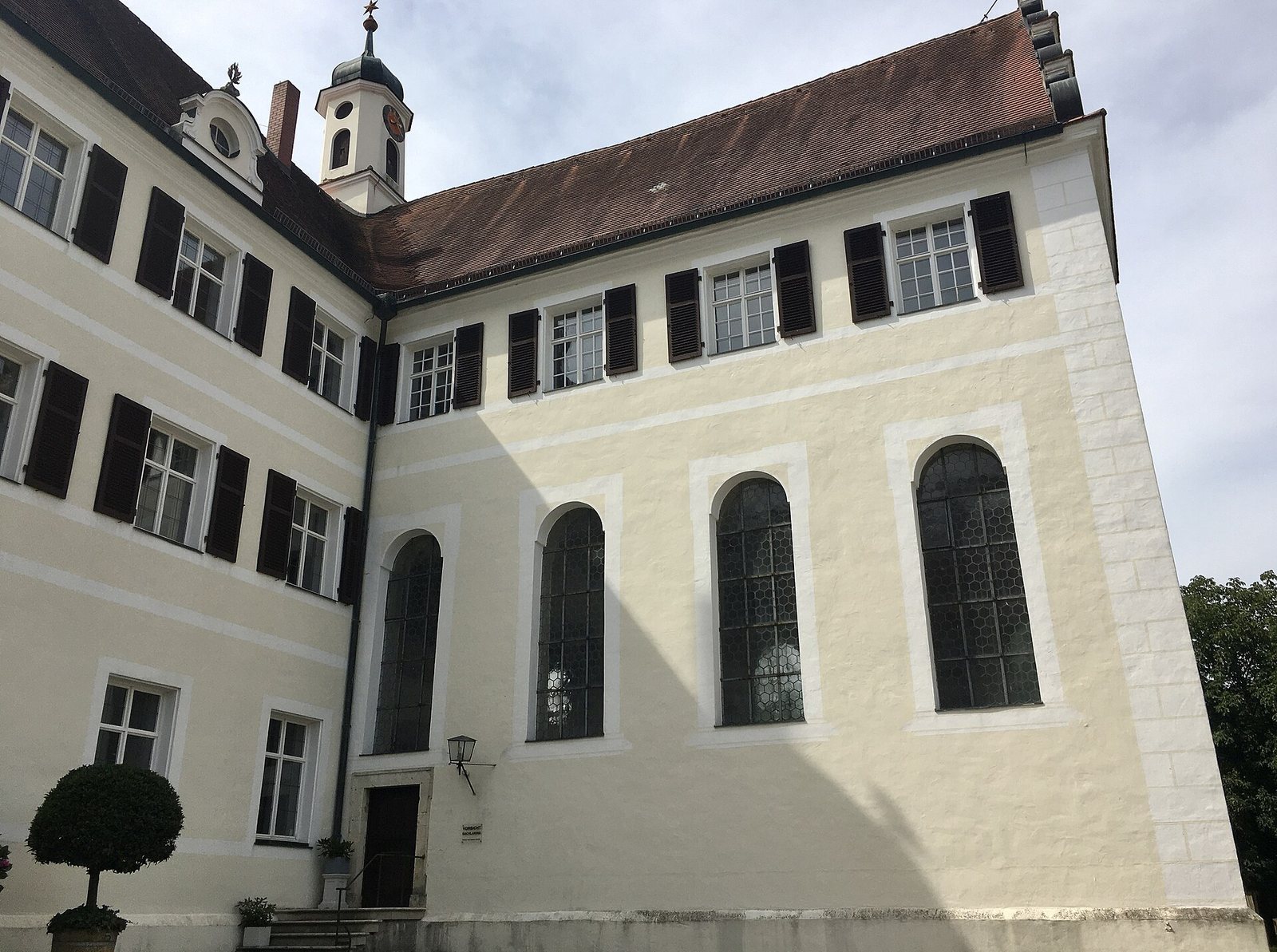
A fire destroyed the provostry’s main building in 1730. Under Abbot Augustin of Zwiefalten, brothers Joseph and Martin Schneider built the castle in its present form over the following three years. It became a summer residence for the abbots.
Secularization and later uses
On 25 November 1802, during secularization, the transfer of church property to secular authority, Zwiefalten Abbey and Mochental passed to the Duchy of Württemberg, which later became a kingdom. The abbey’s last abbot died at the castle in 1816.
From 1822 to 1976, the castle served in turn as a forestry office, accommodation for labor-service personnel, the seat of the French military administration, and a boarding school. Following a privately funded renovation of its interior, an art gallery opened there in 1985 under curator Ewald Karl Schrade, who founded the art fair art KARLSRUHE. A broom museum also opened at the castle that year.
Remains
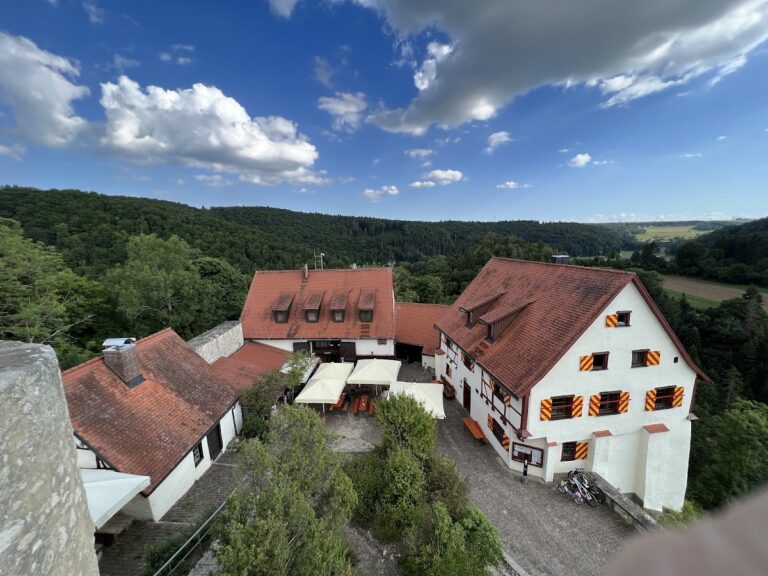
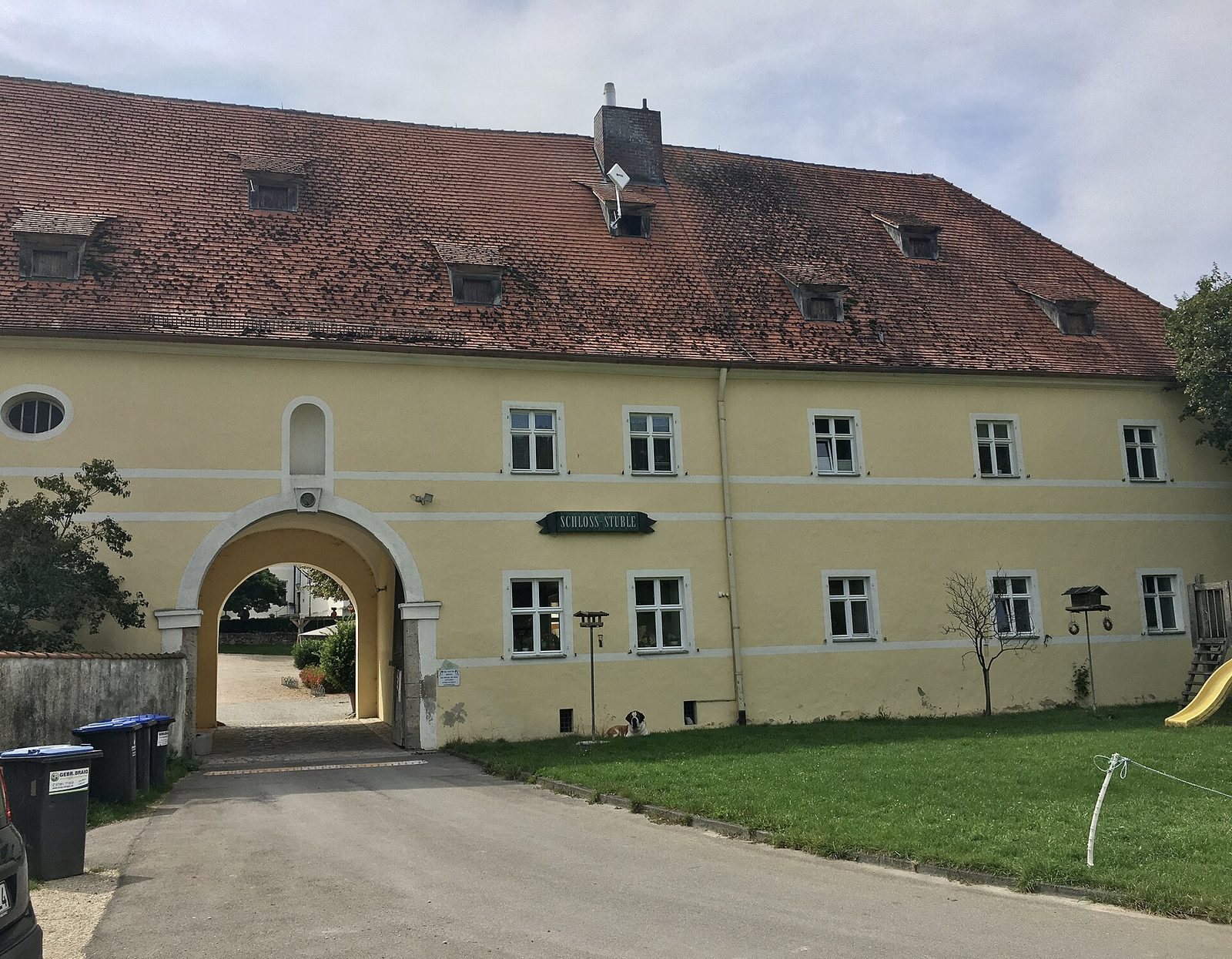
The present residence is a three-wing Baroque complex. An agricultural estate lies directly below it, and together the buildings form an almost enclosed quadrangle.
Residence and gallery
The palace has 365 windows. Its art gallery occupies 2,500 square metres and presents changing exhibitions of Classical Modernism, a group of influential art movements from the late nineteenth and early twentieth centuries, as well as contemporary art.
Chapel and Hubertus Hall
St Nicholas Chapel
The two-storey chapel is in the west wing. In 1734, church painter Franz Josef Spiegler decorated it with scenes from the life of St Nicholas, the fourth-century bishop who became one of Christianity’s most widely venerated saints.
Hubertus Hall
Hubertus Hall contains a painting of an oriental banquet, made in 1737 by Joseph Ignaz Wegscheider, a painter from Riedlingen. The chapel and hall are used for concerts and readings.
Broom museum
The museum displays brooms from around the world.