Sauerbrunn Castle: A Hospital and Poorhouse Foundation beside Mineral Springs
Site at a Glance
- Popularity
- High
- Country
- Austria
- Primary era
- Early Modern
- Eras represented
- Early Modern
- Civilizations
- Duchy of Styria, Habsburg, Holy Roman Empire
- Site type
- Domestic
- Remains
- Castle
On this page6 sections
History
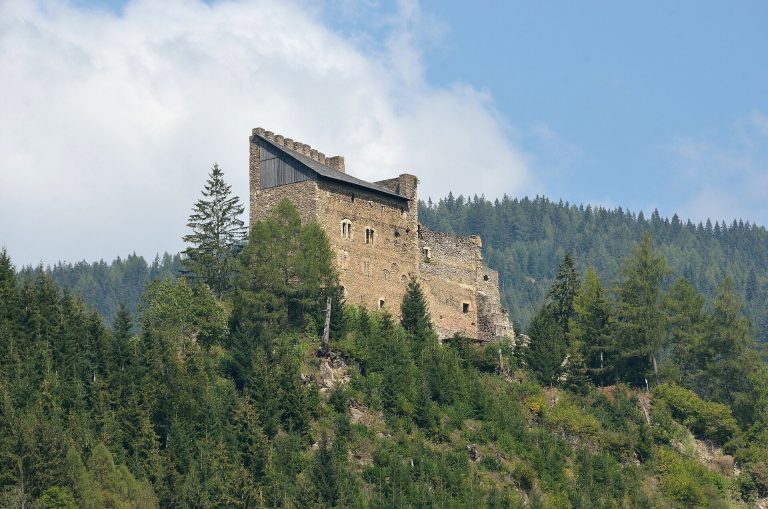
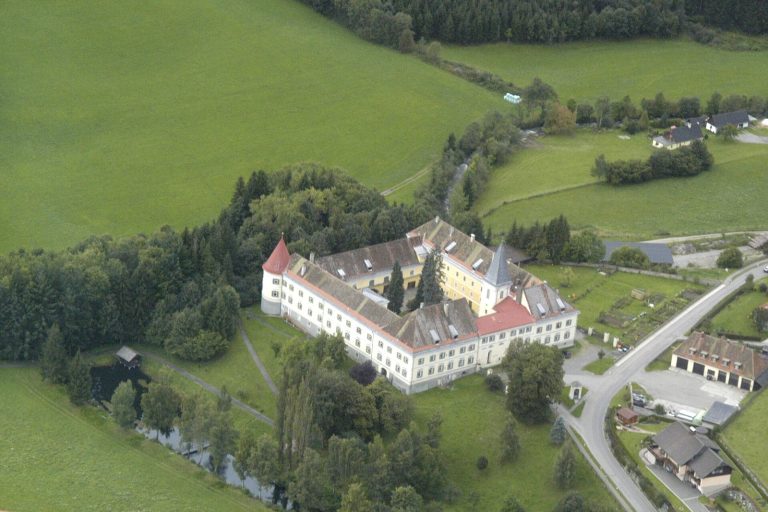
Sauerbrunn Castle stands in Pöls-Oberkurzheim, Austria, and was built by Franz von Teuffenbach between 1547 and 1552 beside mineral springs. In 1567, Teuffenbach converted it into a foundation for a hospital and poorhouse, an institution that continues to exist.
Early ownership and medicinal water
After the Teuffenbach family, the barons of Saurau took control of the castle. From 1578, the mineral water was sold for medicinal use under the name Thalheimer Sauerbrunn.
Bottling, new ownership, and renovation
At some point in the twentieth century, the castle was leased for use as a bottling plant for Thalheimer Schlossbrunnen, formerly called Thalheimer Sauerbrunn. The bottling operation continued until 2001. In 2008, the foundation sold the castle complex to Thalheimer Heilwasser GmbH, which is owned by Dietrich Mateschitz Beteiligungs GmbH. The company began building a brewery near the castle in 2017 to use the springs, and the brewery started operating in 2018. A comprehensive renovation of the castle followed in 2023–2024.
Remains
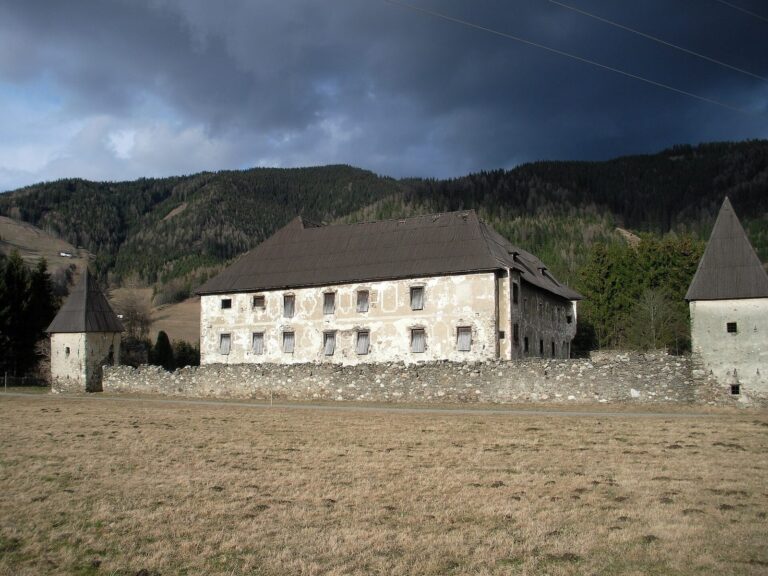
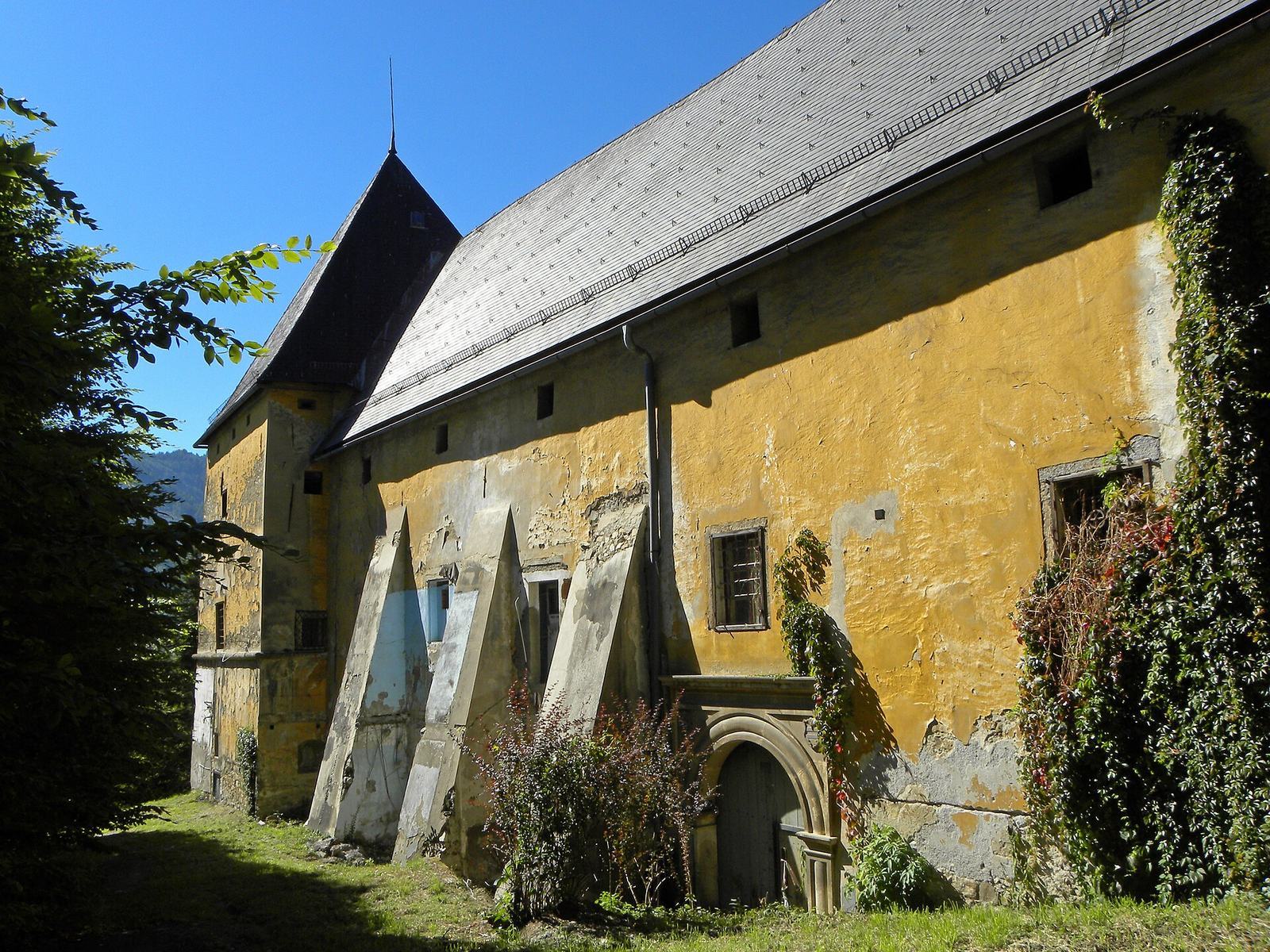
The surviving complex includes the castle, a separate chapel, and a nearby fortified earthwork. Twelve mineral springs lie below the castle and gave it its name. The castle’s north and west wings survive only in part.
The castle
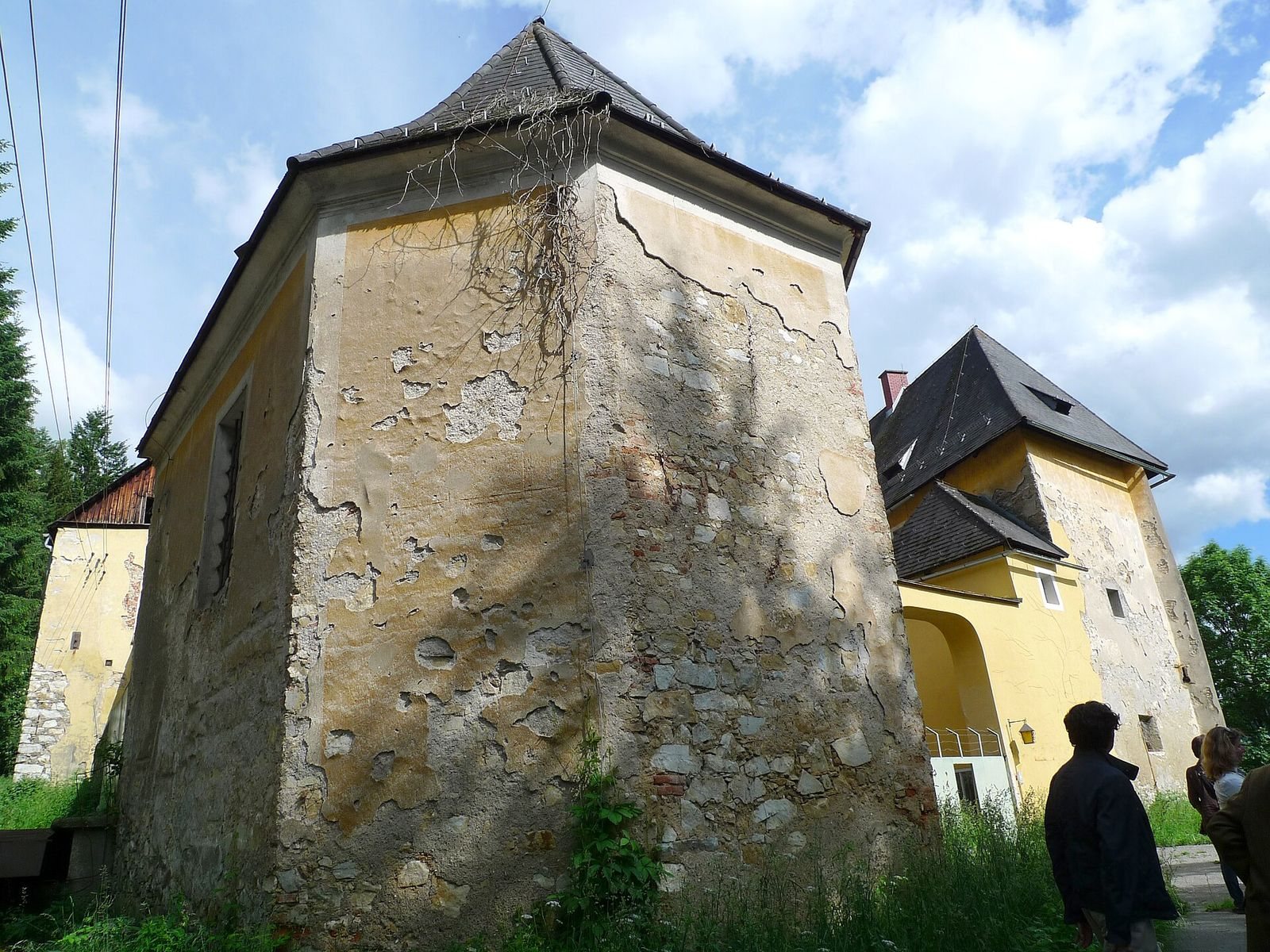
A tower with a projecting defensive form stands at the southeastern corner. It dates to around 1600 and has a tent-shaped roof. On the east side, the Teuffenbach coat of arms is set above the round-arched entrance. A wooden ceiling divided into recessed panels survives on the first floor above ground level.
Chapel and earthwork
A free-standing chapel at the castle dates to 1689. Nearby, a fortified earthwork has a star-shaped plan, a defensive design whose outline forms a star. It was built at roughly the same time as the castle.