Alcazaba of Antequera: A Historic Fortress in Málaga, Spain
Visitor Information
Google Rating: 4.5
Popularity: Medium
Official Website: ciudadesmedias.org
Country: Spain
Civilization: Early Modern, Medieval Islamic
Site type: Military
Remains: Citadel
History
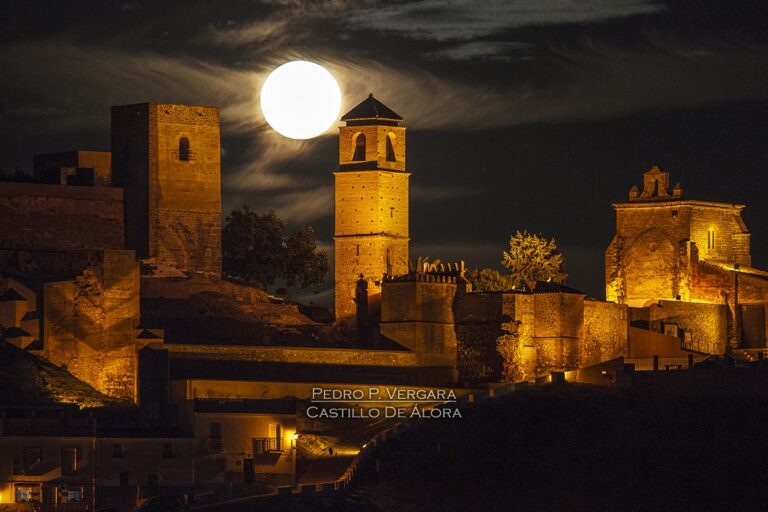
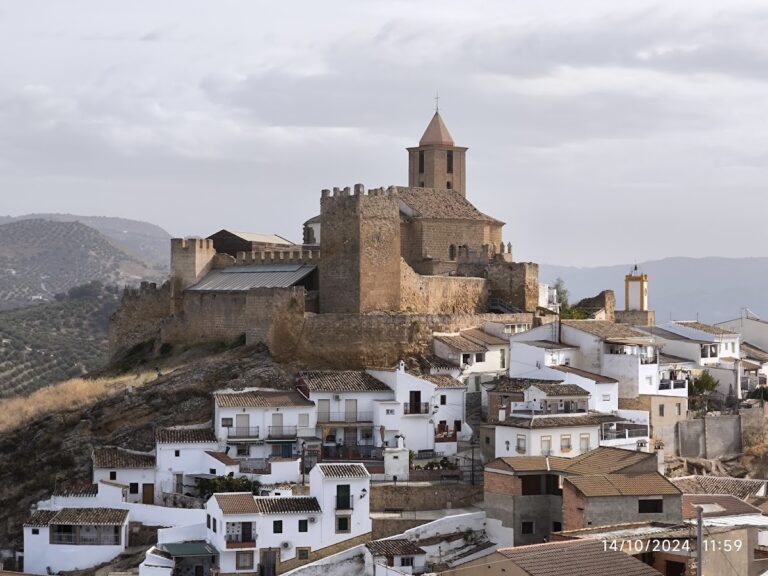
The Alcazaba of Antequera is located in the city of Antequera, within the province of Málaga, in southern Spain. It stands on Cerro del Castillo, a strategic hill near the road linking Granada and Seville. The fortress was built in the 14th century by Muslim rulers during the Nasrid period, serving as a defensive stronghold on the frontier between Muslim and Christian territories.
The site’s history extends far beyond the fortress itself. Archaeological evidence shows that Iberian peoples settled here as early as the 7th millennium BCE. Later, during the late 1st millennium BCE, the Romans occupied the area, naming the city and developing it as a center for olive oil production. In the 5th century CE, the city came under the control of the Vandals and Alans, followed by a Byzantine attempt to retake the region in 554 CE. By 624 CE, the Visigoths ruled the city.
In 711 CE, Berber forces conquered the area, renaming the city Medina Antaquira. The fortress initially housed troops of Syrian and Berber origin. During the Caliphate of Córdoba (912–1016), the first defensive walls were constructed, marking the site’s growing military importance. After the Caliphate fragmented, the city passed through the hands of the Hammudid kingdom and the Taifa of Granada. Between 1090 and 1232, under Almoravid and Almohad rule, two rings of defensive walls were built, enclosing an area of about 62,000 square meters and protecting roughly 2,500 inhabitants.
Under Nasrid rule from 1232 to 1492, Antequera became a key border fortress against the expanding Christian kingdoms. The Alcazaba, a strong citadel, was constructed to reinforce the city’s defenses. In 1361, the fortress successfully resisted a siege by King Pedro I of Castile due to its formidable walls. However, in 1410, after a five-month siege, forces led by Fernando I of Aragon captured the city. This victory earned Fernando the nickname “Fernando de Antequera.”
Following the Christian conquest, the Muslim population was expelled, and Antequera became a Catholic bastion against the Nasrid Kingdom of Granada. In 1429, the fortress hosted the Cortes of Aragon under Alfonso V, serving an important administrative role. Later, parts of the fortress suffered damage, including the destruction of an outer tower in 1510, which has since been archaeologically reconstructed.
Remains
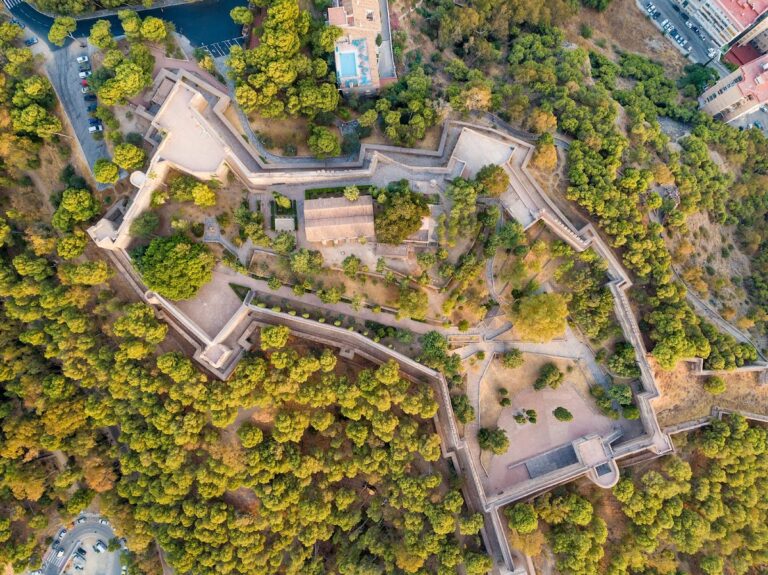
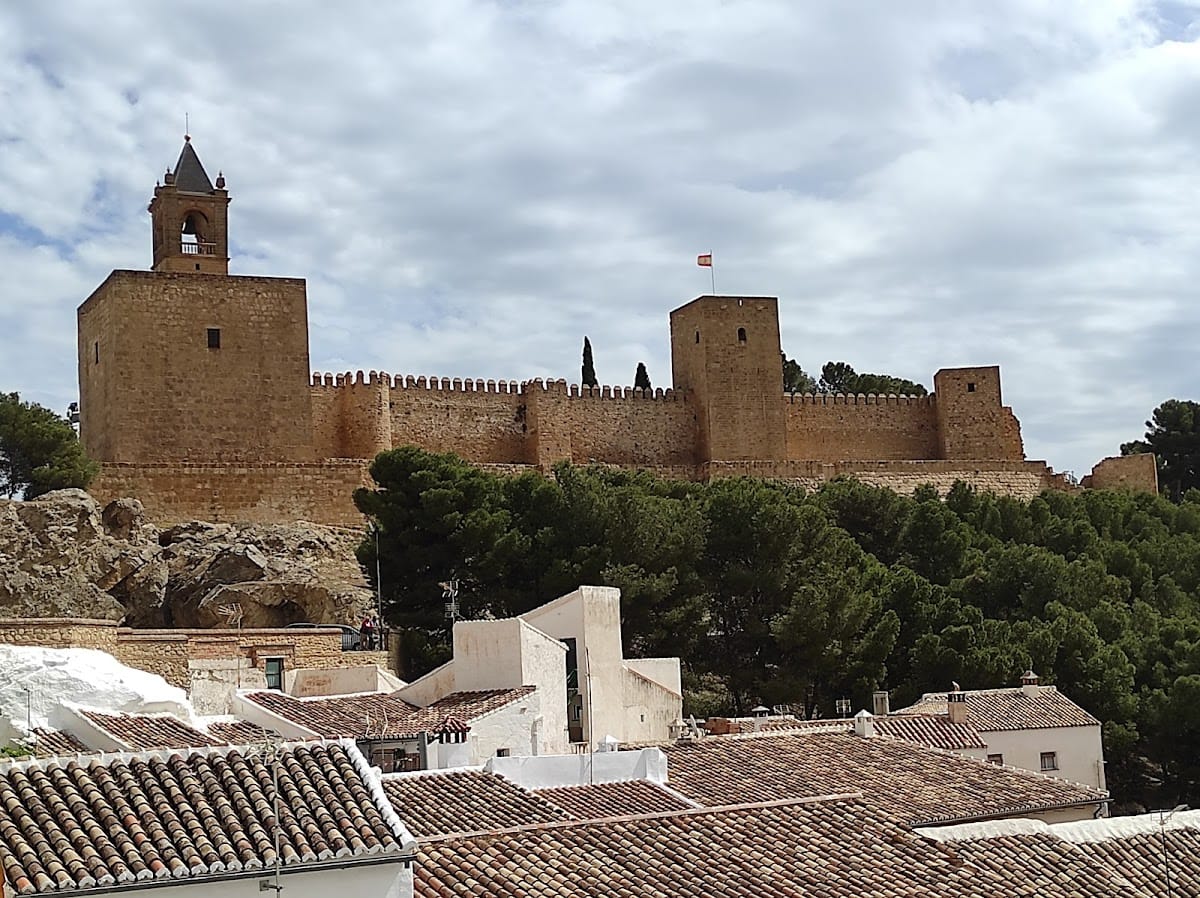
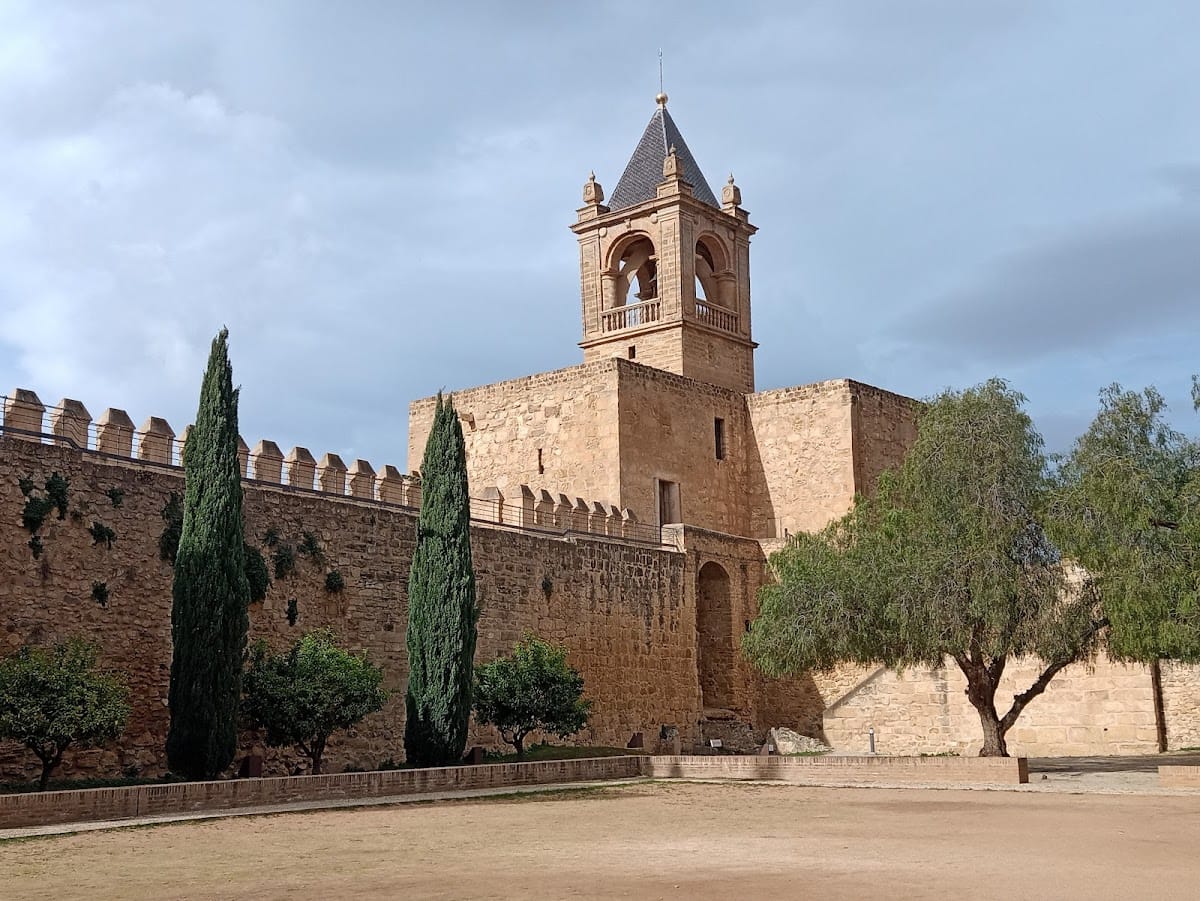
The Alcazaba of Antequera occupies a rectangular layout on Cerro del Castillo, featuring three defensive lines. At the summit lies the central citadel, surrounded by walls. Behind it are barracks for soldiers, and a third wall encloses the old city. The fortress walls and towers are built with finely cut stone blocks known as ashlar masonry, combined with brick vaults. Many openings feature horseshoe-shaped arches, a characteristic of Islamic architecture.
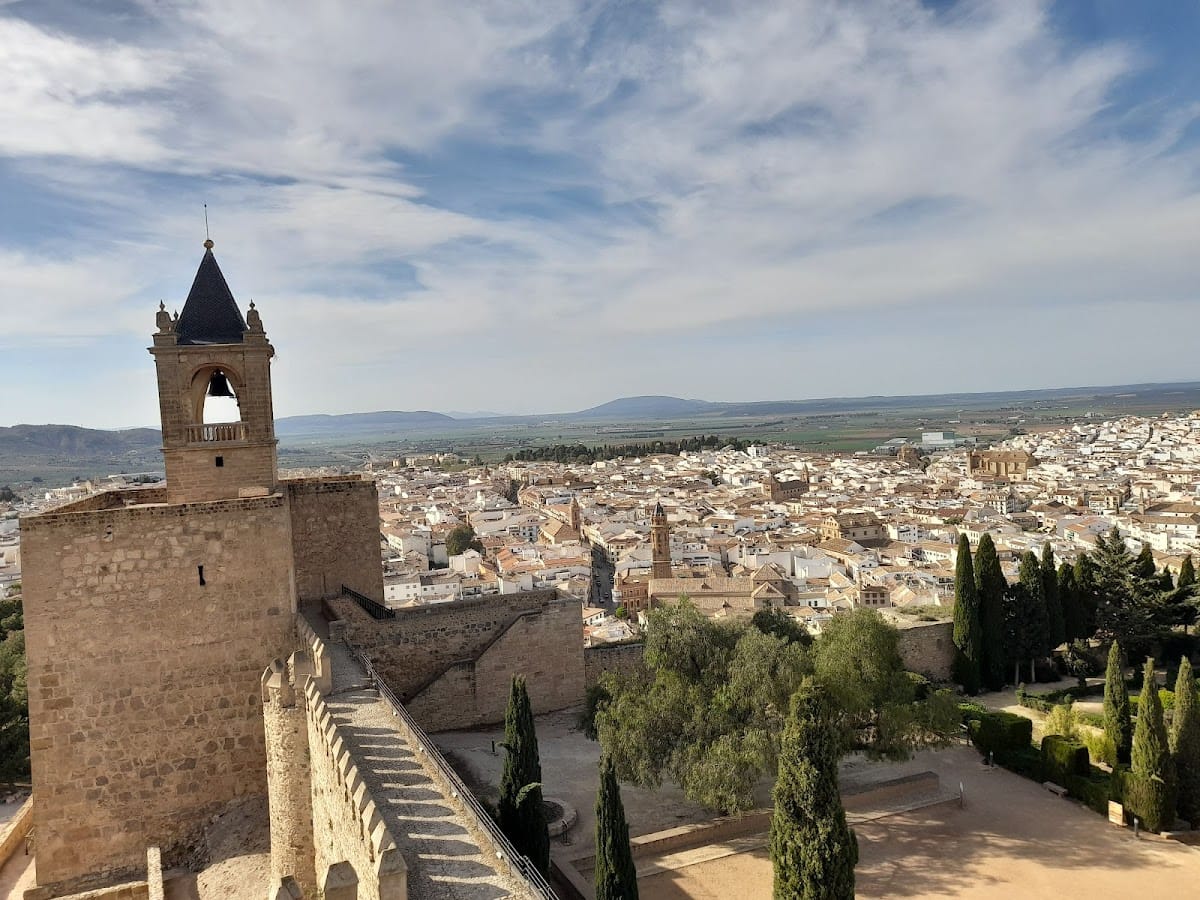
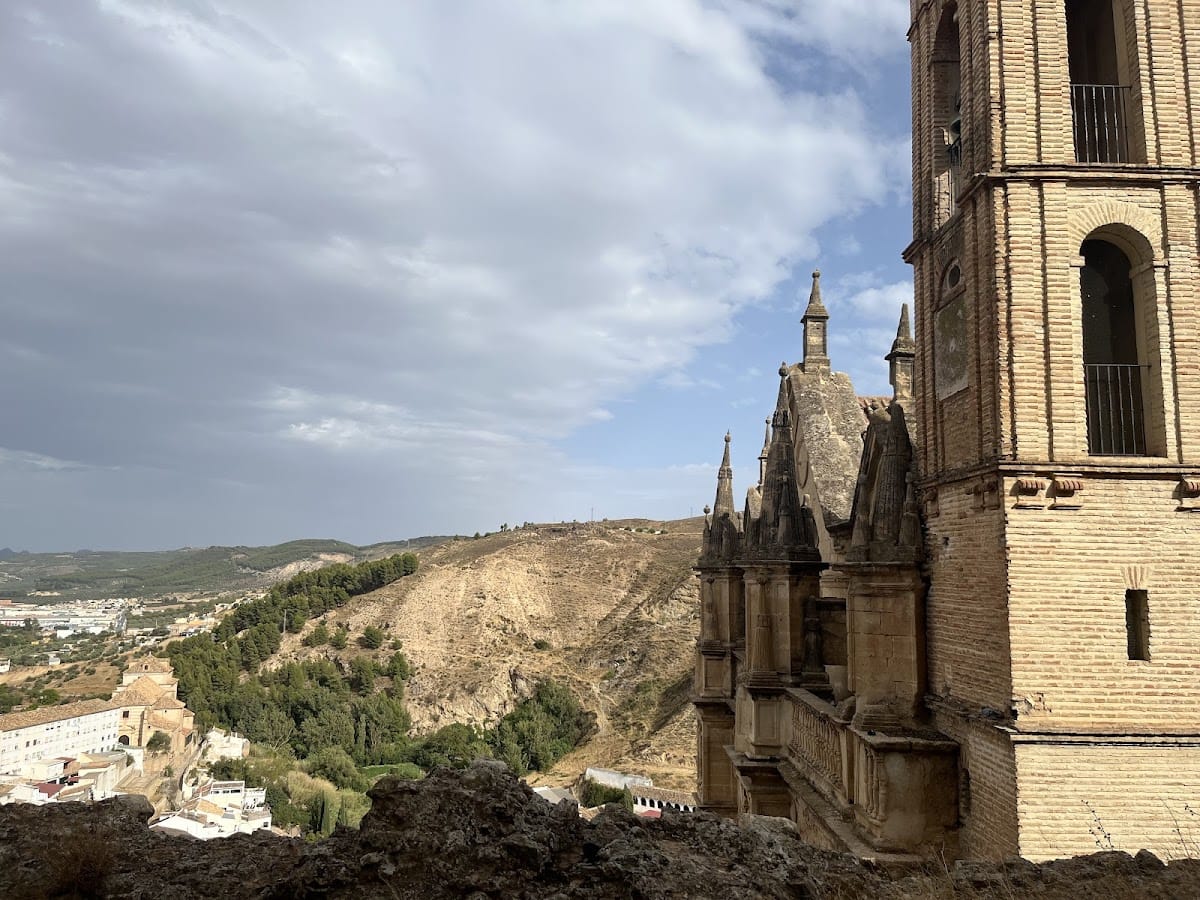
The most prominent structure is the Torre del Homenaje, or Keep, located at the northwest corner. This pentagonal tower measures approximately 17 by 17 meters and rises over 17 meters high. It was one of the tallest Muslim towers in al-Andalus, second only to the tower of La Calahorra in Gibraltar. Inside, three rooms surround a central hall. Originally, a second floor connected by stairs led to a flat roof. In 1582, a small bell tower with a pitched roof was added atop the keep. This bell tower, nicknamed “Papabellotas,” was funded by selling an entire cork oak forest and housed the city’s main bell and later a clock.
Another significant tower is the Torre Blanca, built during Nasrid rule. It is rectangular, about 9.7 by 9 meters, and stands 19.25 meters tall. The tower has two floors; the ground floor served military functions, while the upper floor contained five small rooms, including one with a balcony likely reserved for honored guests or residents. Its entrance is located in the fortress’s western wall.
Adjacent to Torre Blanca was the Torre del Quiebro, an outer tower destroyed in 1510. Archaeological excavations have since reconstructed this tower based on the remains found. The fortress also contains a rectangular cistern measuring 6.20 by 4.10 meters, used for water storage, and an underground prison about 6 by 3 meters in size.
The fortress walls include well-preserved sections such as the postigo, a small gate, the Torre Albarrana de la Estrella, and the Puerta del Agua, another small gate near an albarrana tower. These walls and towers are reinforced with buttresses and connected by curtain walls. The quality of the masonry and the presence of horseshoe arches and loopholes reflect the skilled craftsmanship of the builders.
In recent times, the Alcazaba’s historical structures have been carefully restored, preserving its key features and reconstructing damaged parts. The fortress’s layered defenses and surviving elements provide a clear picture of its military and administrative roles throughout its long history.
Nearby sites