Birtvisi: A Medieval Fortress in Georgia
Site at a Glance
- Country
- Georgia
- Primary era
- Medieval
- Eras represented
- Medieval
- Civilizations
- Georgian
- Site type
- Military
- Remains
- Fort
On this page8 sections
History
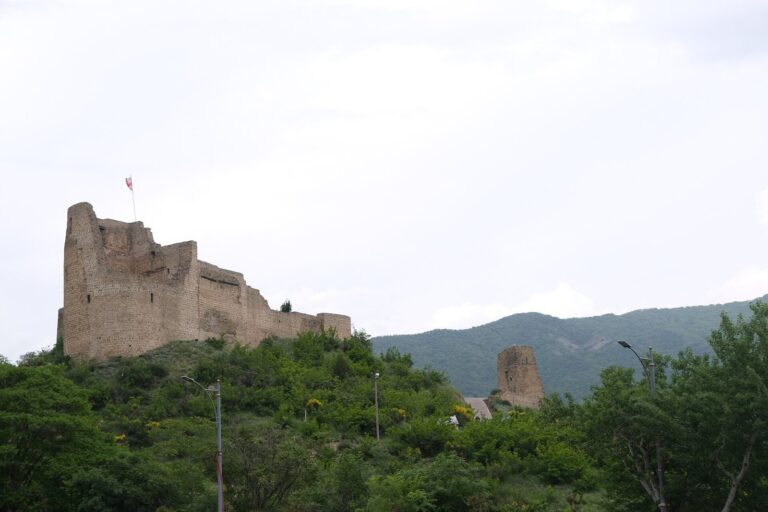
Birtvisi is a medieval fortress on the southern slopes of the Trialeti Range in Georgia’s Algeti Valley. Its construction date is uncertain, but it probably predates its first recorded mention in 1038. The fortress was regarded as impregnable in medieval Georgia, and control of it offered command of the strategically important valley.
First recorded capture
In 1038, Liparit, duke of Kldekari, and Ivane Abazasdze seized Birtvisi from the Arab emir of Tiflis. This early record places the fortress within the conflicts over control of the region.
Timur’s capture in 1403
Timur, also known as Tamerlane, was a Turco-Mongol conqueror and ruler of the Timurid Empire. During his invasion of Georgia in 1403, his forces captured Birtvisi. Historian Papuna Orbeliani recounts that the defenders first attacked from the fortress and drove the assailants back. Timur then laid siege and ordered further assaults. When direct attacks failed, the attackers found a vulnerable point and climbed in secretly at night on rope ladders, with help from a person called the Egyptian. The surviving defenders were captured and executed.
Later rule and military use
After the Kingdom of Georgia fragmented in the 15th century, Birtvisi became part of the Kingdom of Kartli, one of the Georgian kingdoms that emerged from the breakup, and belonged to the princely Baratashvili family. It remained a military fortress until the end of the 18th century, when it ceased to serve an active military role. In 2006, Georgia designated Birtvisi an immovable cultural monument of national significance. It also lies within the Birtvisi Natural Monument, a protected natural-historical complex that includes the fortress’s medieval structures, defensive walls, and rock-cut steps.
Remains
Rocky setting and defenses
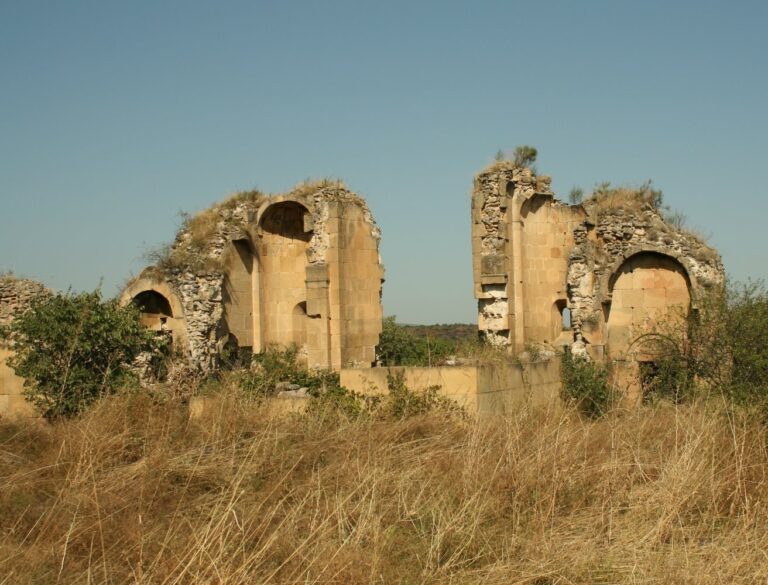
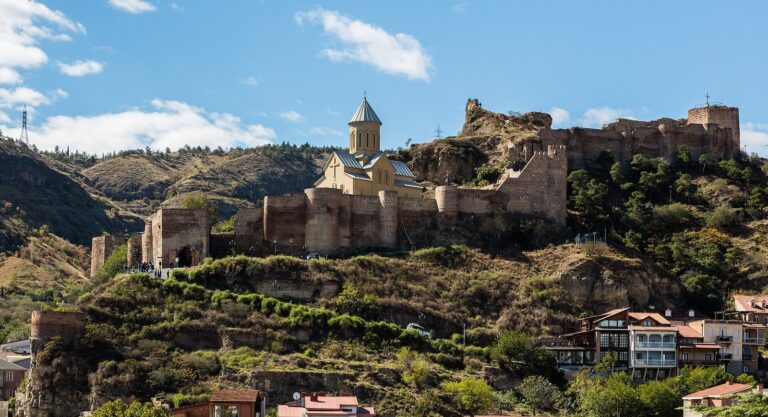
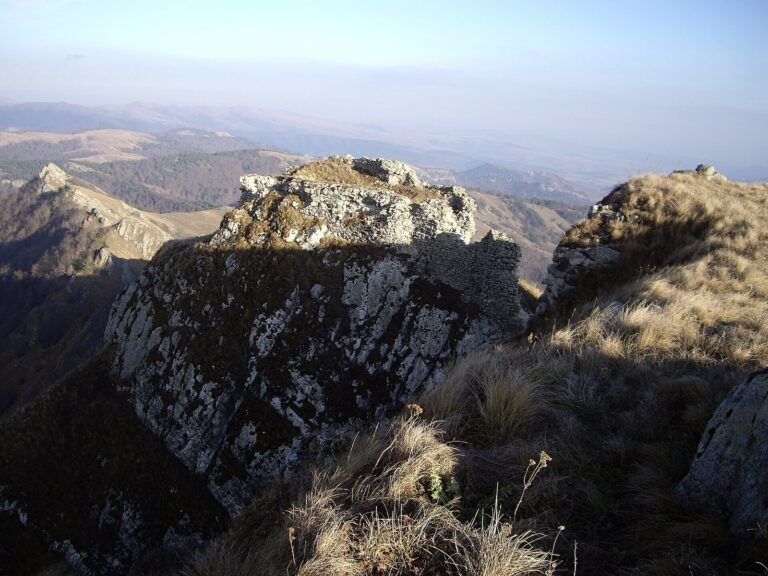
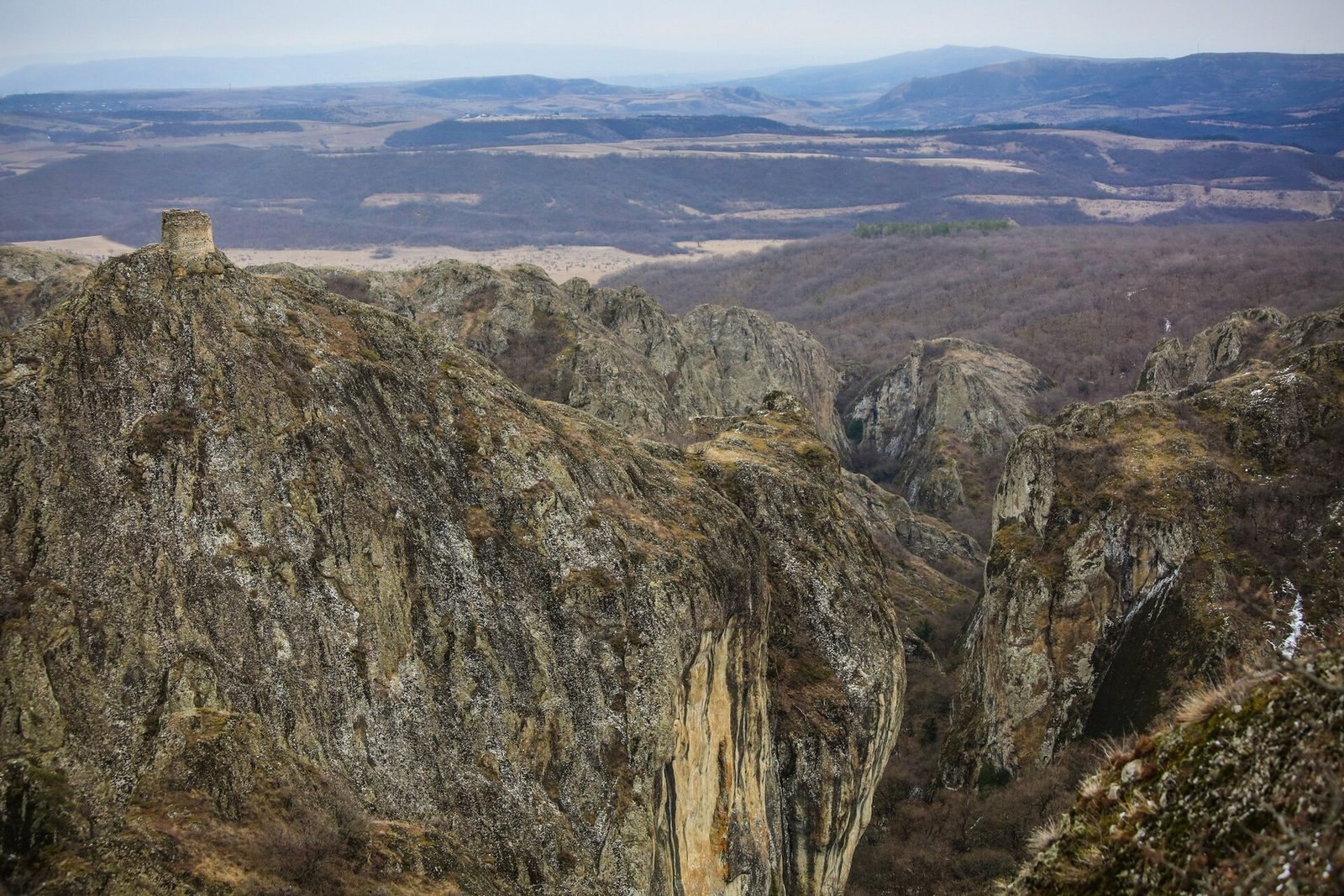
The ruined complex covers about one square kilometer on a naturally defensible rocky massif in the Algeti Valley, near Tbisi and Partskhisi in Kvemo Kartli. High mountains, steep cliffs, sharp peaks, and narrow passages protect the site. Some pointed rock formations descend so deeply that their bases are barely visible from above. The massif consists chiefly of porphyrite, a volcanic rock, and tuff breccia, made from cemented angular volcanic fragments; these rocks date to the Eocene geological epoch.
Entrance and fortress buildings
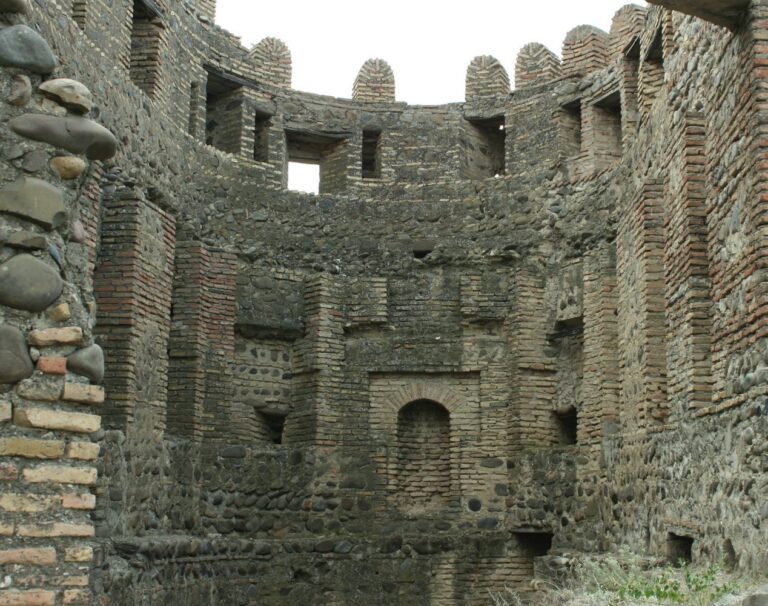
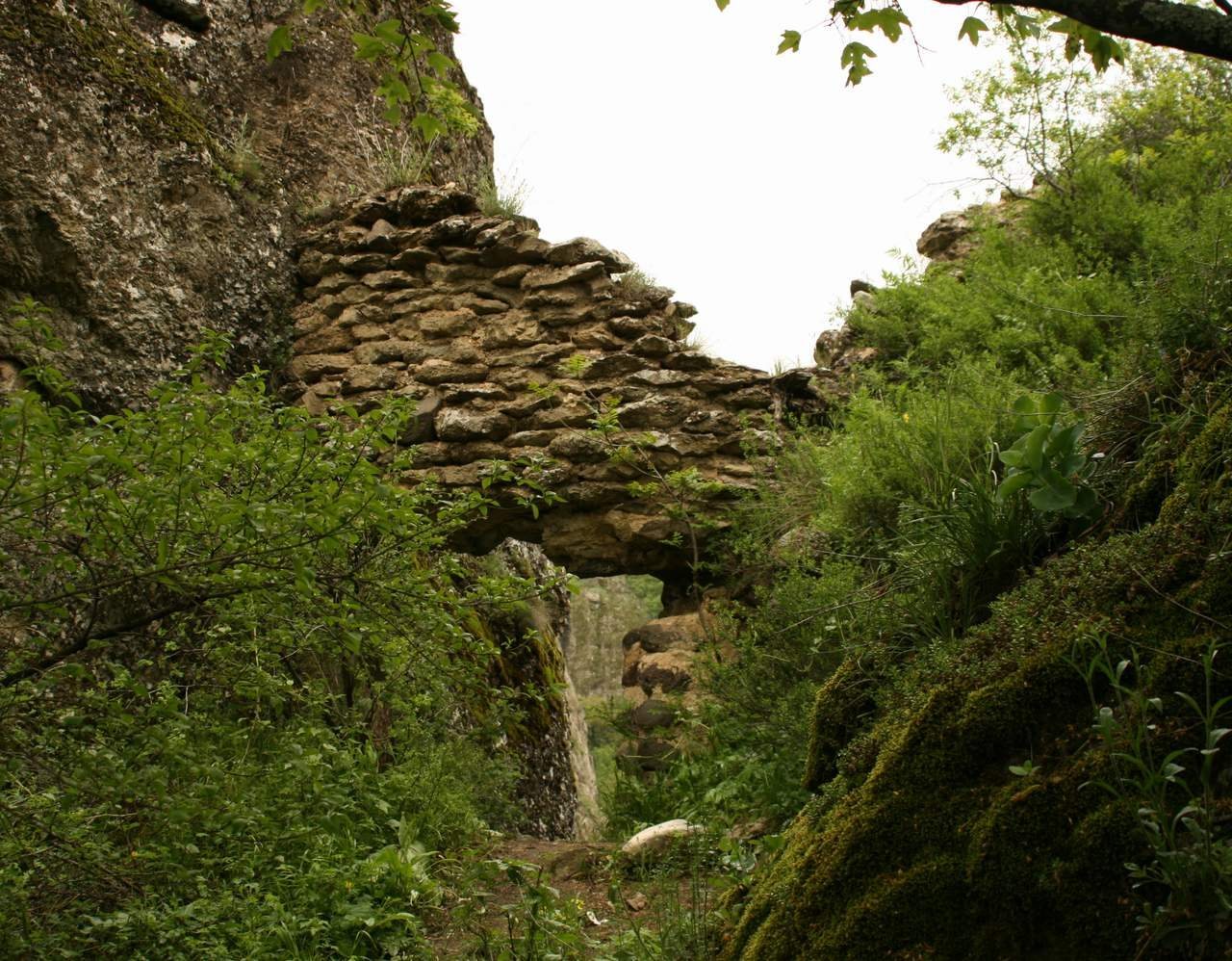
A narrow gate opens into a small courtyard cut into levelled rock. Walls, towers, and additional gates were built to block passages and other vulnerable approaches to the interior. The surviving complex includes defensive, residential, and utility buildings, as well as a water reservoir, an aqueduct, and rock-cut steps.
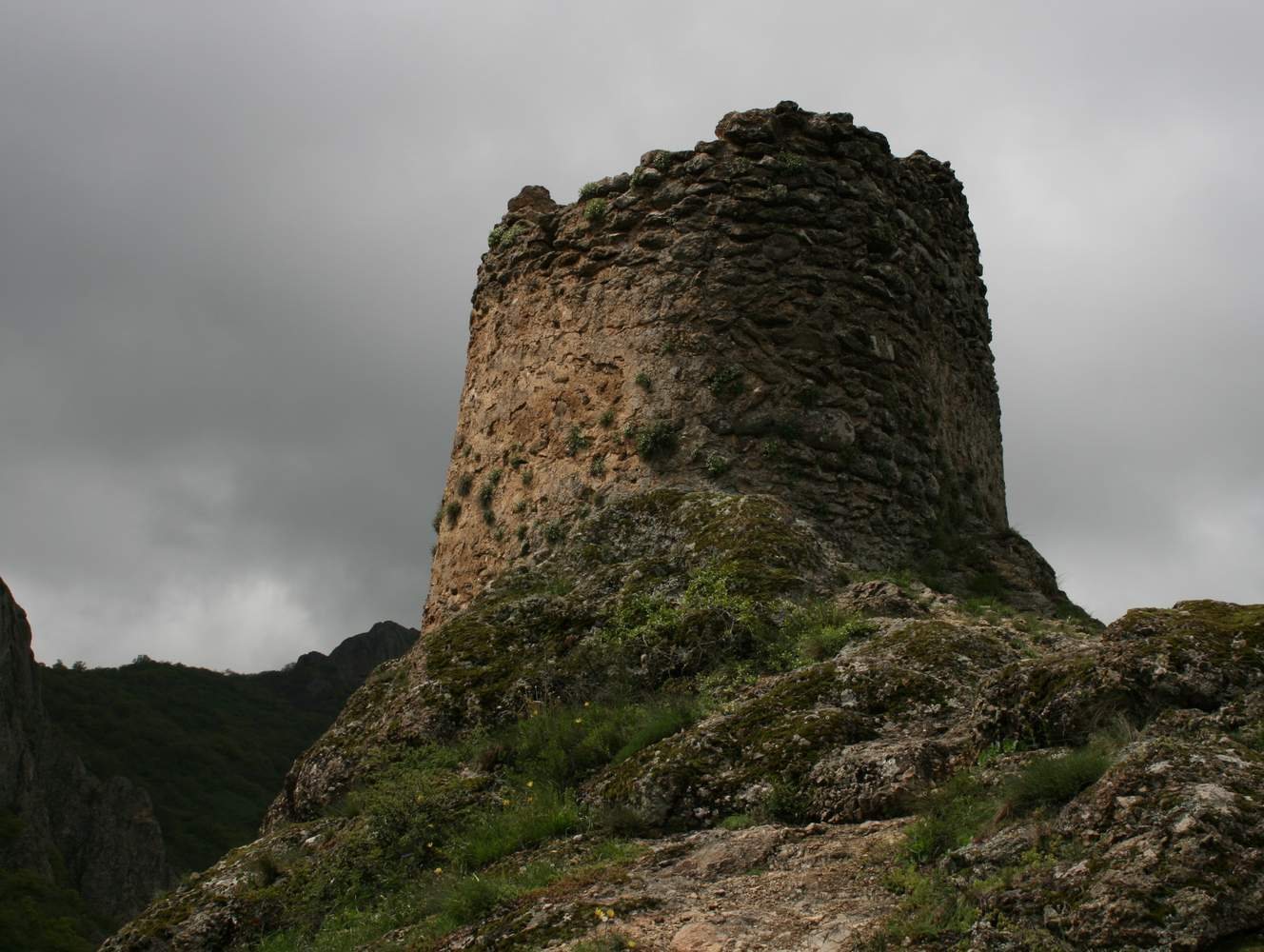
Sheupovari Tower
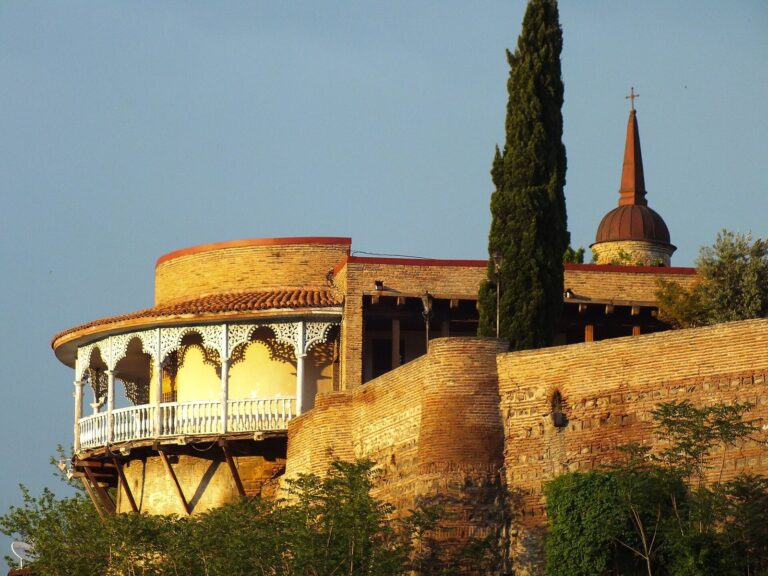
The fortress’s most prominent tower, Sheupovari, meaning “Dauntless,” stands on elevated rock. It is cylindrical and has gunports, openings in the walls for firing weapons. The tower appears to be a later addition, while much earlier construction layers survive elsewhere in the fortress.