Byzantine Sites in Tunisia: Explore Baptisteries, Basilica Churches and Fortified Towns
Byzantine sites in Tunisia include Christian basilicas with baptismal basins, fortified houses and Roman public spaces enclosed by later defensive walls. At Sufetula, churches and protected domestic buildings occupy different parts of the ancient town. Bulla Regia preserves adjoining basilicas with mosaic decoration, while Dougga’s forum and Capitol became part of a Byzantine fort.
The Christian buildings began developing before the sixth-century Byzantine reconquest and continued to change afterwards. The collection therefore includes both inherited late antique churches and construction carried out under Byzantine rule, alongside the older Roman buildings they reused.
Primary Function: All
Type: All
Popularity: All
Rating: All
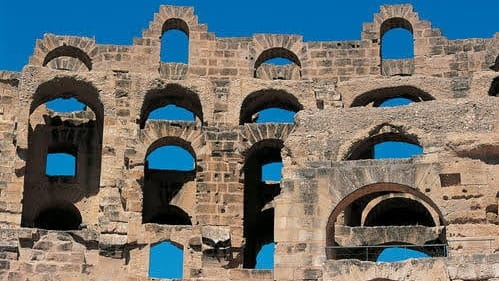
The Roman amphitheater of El Jem was built at ancient Thysdrus in the 3rd century AD, reflecting the city’s prosperity and its place in Roman Africa.…
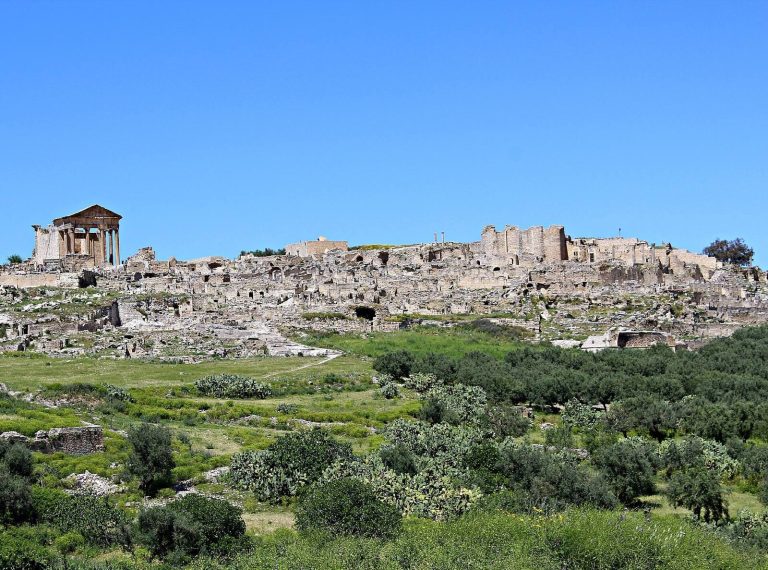
Dougga preserves the remains of a Libyco-Punic, Numidian, and Roman city whose inscriptions and monuments illuminate North African urban life across…
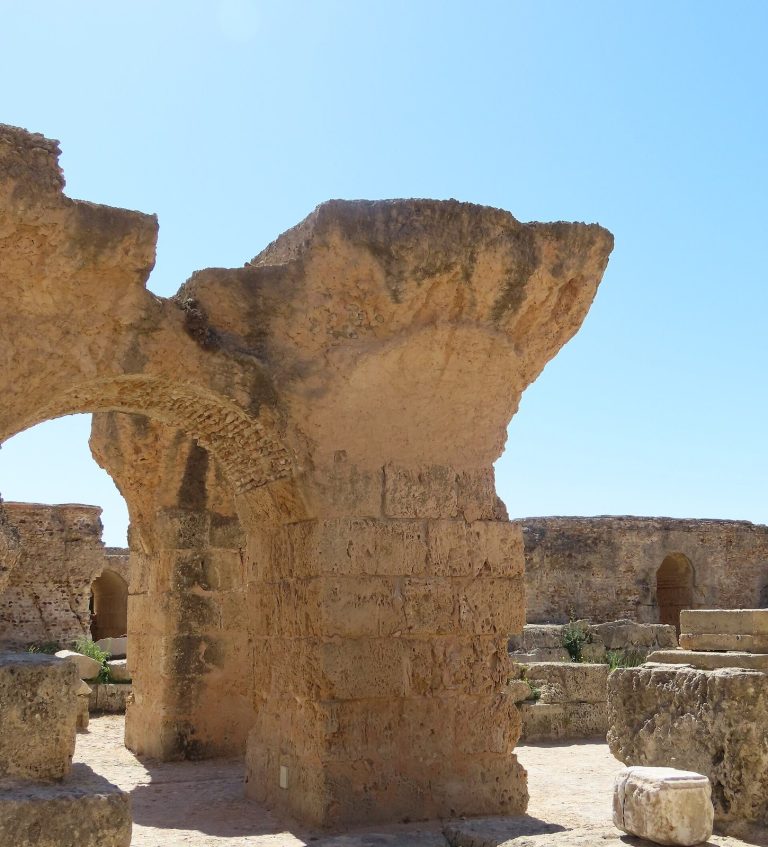
The Ruins of Ancient Carthage preserve evidence of a Phoenician commercial empire, a Roman colonial capital, a major center of Latin Christianity,…

Fort Kelibia occupies a strategic promontory overlooking the Mediterranean and preserves Punic, Byzantine, Zirid, Hafsid, and Ottoman phases of…
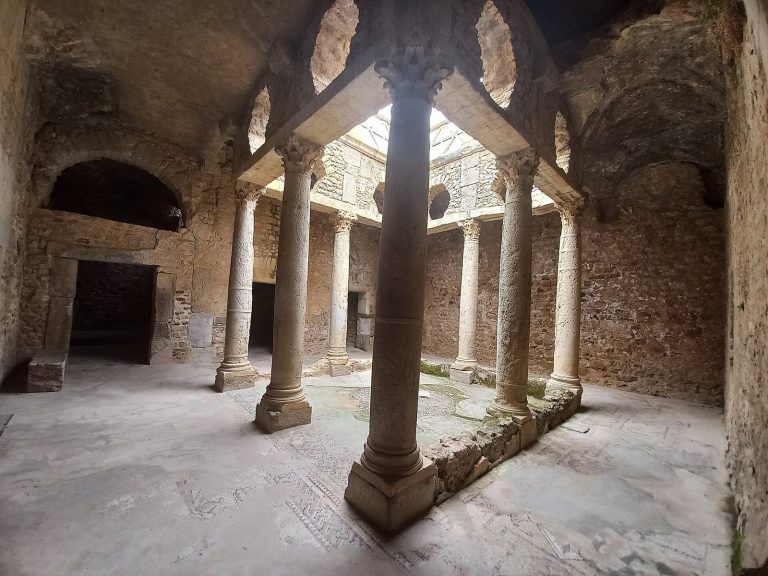
Bulla Regia preserves evidence of Berber, Punic, Numidian, Roman, Christian, Byzantine, and early Islamic occupation, including subterranean houses,…
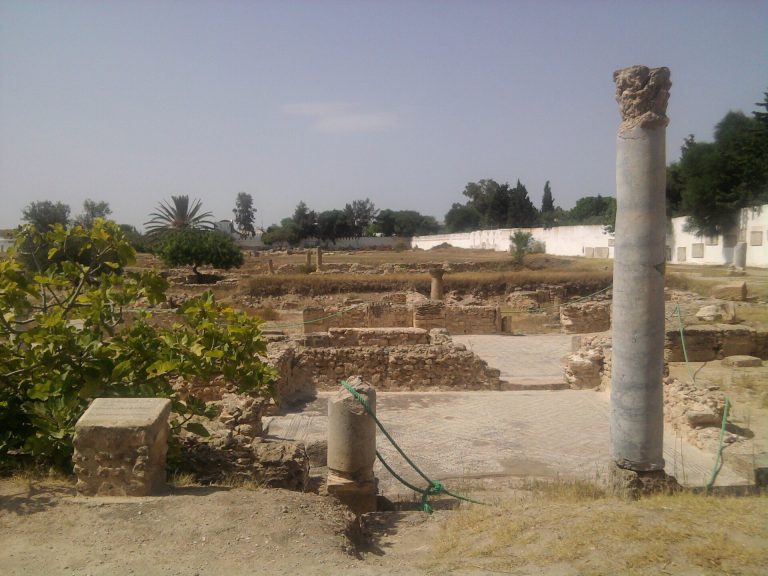
Pupput was a Roman settlement near modern Hammamet that developed from a first-century BC community into a municipium and later honorary colonia,…
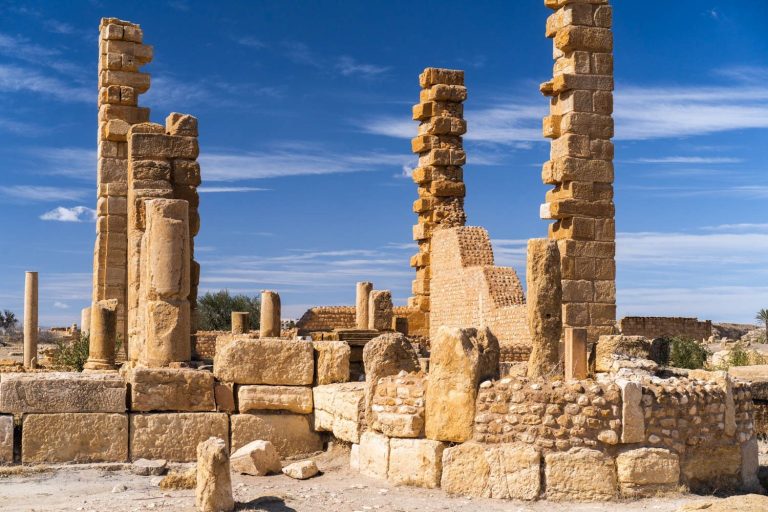
Sufetula preserves the remains of a Roman town that developed into a Christian and Byzantine center in central Tunisia, with civic monuments, baths,…
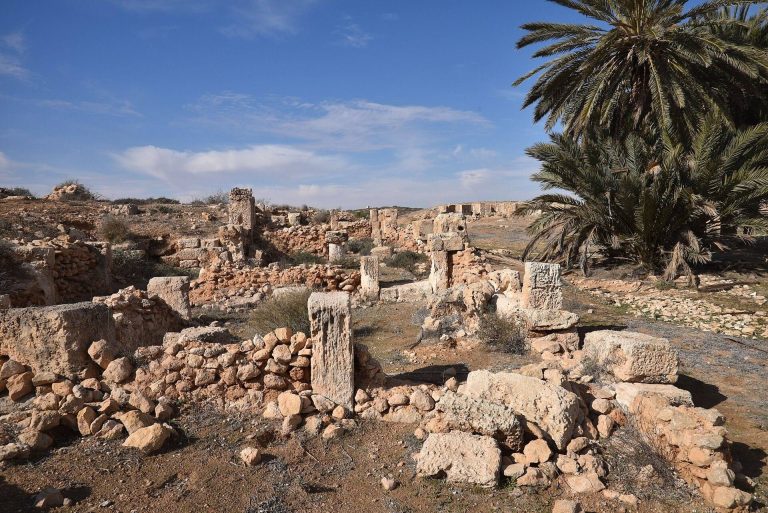
Gigthis was a Phoenician and Carthaginian trading settlement that became a prosperous Roman municipium on the Gulf of Boughrara. Its ruins preserve a…
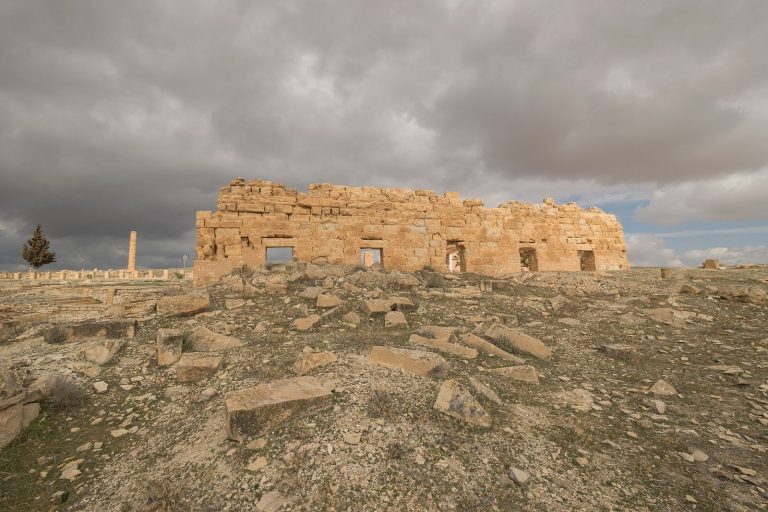
Ammaedara at modern Haïdra preserves Roman, Christian, Vandal, and Byzantine remains, including a triumphal arch, basilicas, necropolises, a theatre,…
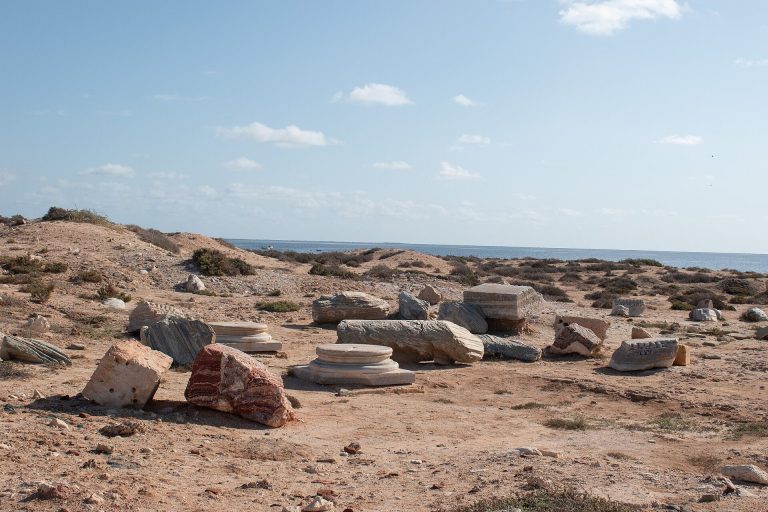
Meninx was a Phoenician-founded trading settlement on Djerba’s southeastern coast that developed into the island’s Roman administrative centre before…
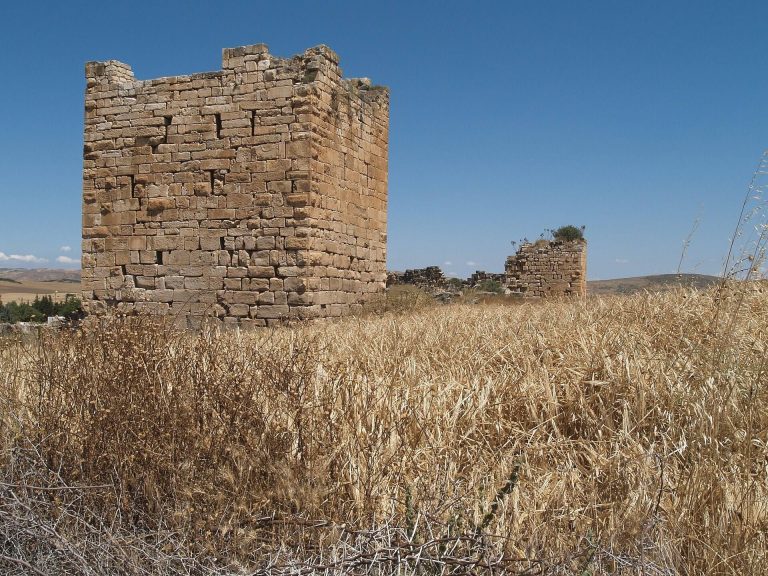
Aïn Tounga preserves the remains of ancient Thignica, a Numidian and Roman settlement in northern Tunisia that later became a bishopric and received…
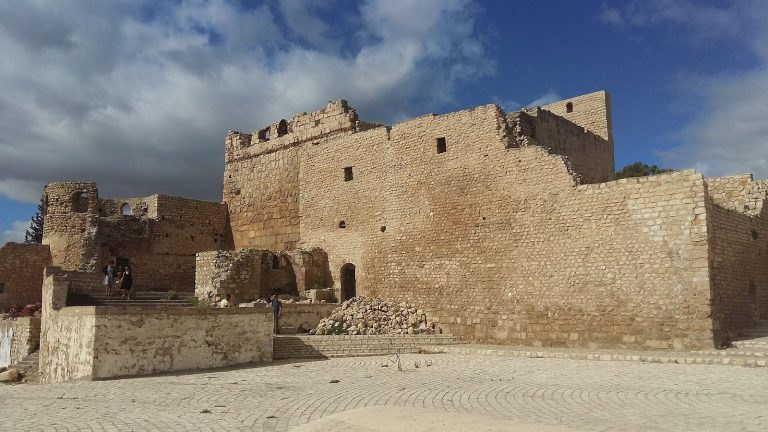
The Kasbah of Béja is a long-used citadel whose history extends from Carthaginian and Roman rule through Byzantine, Muslim, Hafsid, Ottoman, and…
For details on how to use the maps, which sites are included, how popularity and ratings are determined, and how sites are classified, see the help page.
On this page5 sections
Sufetula: churches and baptismal basins
At Sufetula, modern Sbeitla, the basilicas of Bellator and Vitalis formed an adjoining church complex. Bellator had three aisles, while the larger Vitalis basilica had five. Their arrangements preserve the divisions between congregational space, sanctuary and associated rooms.
The baptisteries contain more distinctive details. The basin associated with the Chapel of Jucundus has an unusual oval shape and two sets of steps. It was later converted into a commemorative chapel after another baptismal installation was provided. The baptistery of Vitalis contains a mosaic cross, plant ornament and an inscription recording an offering by Vitalis and Cardela.
Elsewhere in the town, the Church of the Priest Servus occupied the courtyard of an older pagan building. Its surviving square sanctuary chamber was reused as a baptistery. These arrangements show several ways of providing baptismal space: adjoining a basilica, changing the function of an existing installation, or adapting a former temple room.
Fortified houses in Sufetula’s northern quarter
The northern part of Sufetula contains buildings strengthened during the Byzantine period. Lower openings were blocked, walls reinforced and upper storeys added to earlier structures. Wells and other water installations supplied enclosed groups of rooms, while stairs connected different levels.
Oil presses, baths and Christian buildings occupied the same wider district. Olive processing continued through the late antique and Byzantine occupation, so these defended buildings stood within a working neighbourhood. Their compact strengthened walls differ from the larger enclosure created around the Roman forum, where an established public space was converted into a fort.
Bulla Regia’s adjoining mosaic basilicas
The Christian complex at Bulla Regia consists of two adjoining three-aisled basilicas. The larger church has an attached baptistery and surviving areas of mosaic paving in the nave. Openings connected it with the smaller neighbouring church, which had a more limited extent of mosaic decoration.
The larger basilica remained in use into the early Islamic period. A hoard of Umayyad coins buried in a tomb provides evidence for this later activity. Christian use of the building therefore continued beyond the end of Byzantine government.
These churches occupy a different part of Bulla Regia’s history from the famous underground houses. The aisles, baptismal room and decorated floors preserve a religious complex within a town whose earlier residential and public buildings also remained in use or underwent alteration.
Dougga: a Roman forum enclosed as a fort
At Dougga, Byzantine builders enclosed the forum and incorporated the Capitol into a defensive complex. The temple’s tall columned front and sanctuary belong to the Roman period, but their later inclusion in the fort helped parts of the building survive.
Construction of the defences also dismantled other parts of the civic centre. The market was largely demolished, and older buildings supplied stone for the new works. The resulting enclosure changed the relationship between the Capitol, the forum and the surrounding streets. Substantial Roman architecture survives here within the remains of a later effort to defend a smaller area of the town.
Explore the collection
Explore sites on the map or in the grid. Map icons reflect each site’s primary function, helping you identify different kinds of places at a glance. Narrow the results by primary function, site type or era, with additional filters for popularity and rating. Select a map marker to view the site’s details and open its article, or open the article from its grid entry.