Aïn Tounga: The Roman City of Thignica and Its Byzantine Fortress
Site at a Glance
- Rating
- 4.1
- Popularity
- Very Low
- Country
- Tunisia
- Primary era
- Medieval
- Eras represented
- Classical, Medieval
- Civilizations
- Byzantine, Numidian, Roman
- Site type
- City
On this page5 sections
History
Aïn Tounga is an archaeological site in the Testour area of Tunisia, preserving the remains of the Roman city of Thignica. The settlement began as a Numidian residential center and may also have been influenced by Punic culture, the tradition associated with ancient Carthage and its Phoenician heritage. In the Roman period, Thignica formed part of Africa Proconsularis, a province covering much of modern Tunisia and nearby regions.
Roman Civic Development
Between AD 198 and 204, Thignica became a municipium, a Roman town whose inhabitants held civic rights within the Roman municipal system. Its formal name was Municipium Septimium Aurelium Antoninianum Herculeum Frugiferum Thignica. This change placed the settlement within the administrative and civic framework of the Roman Empire while preserving the name Thignica.
Late Antique and Byzantine Phases
During Late Antiquity, the period when the Roman world developed into the early medieval world, Thignica became a bishopric, or Christian district governed by a bishop. Its historic ecclesiastical community is commemorated by the Roman Catholic Church through the titular bishopric of Thignica, an ecclesiastical title retained after the original diocese disappeared.
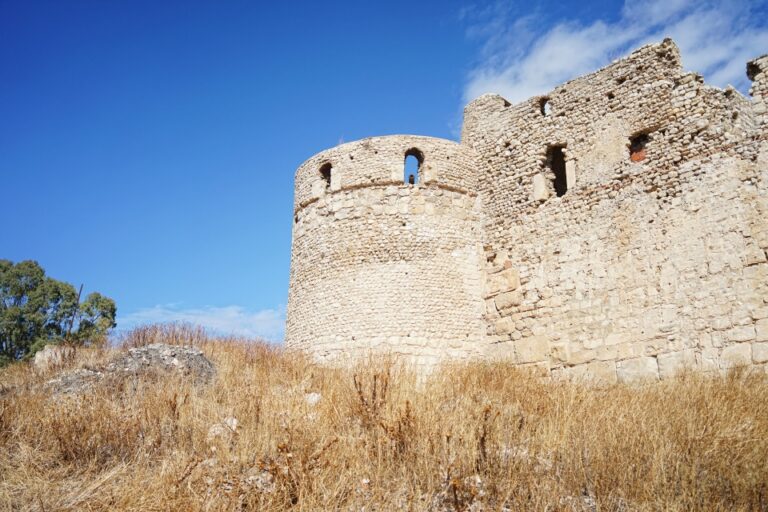
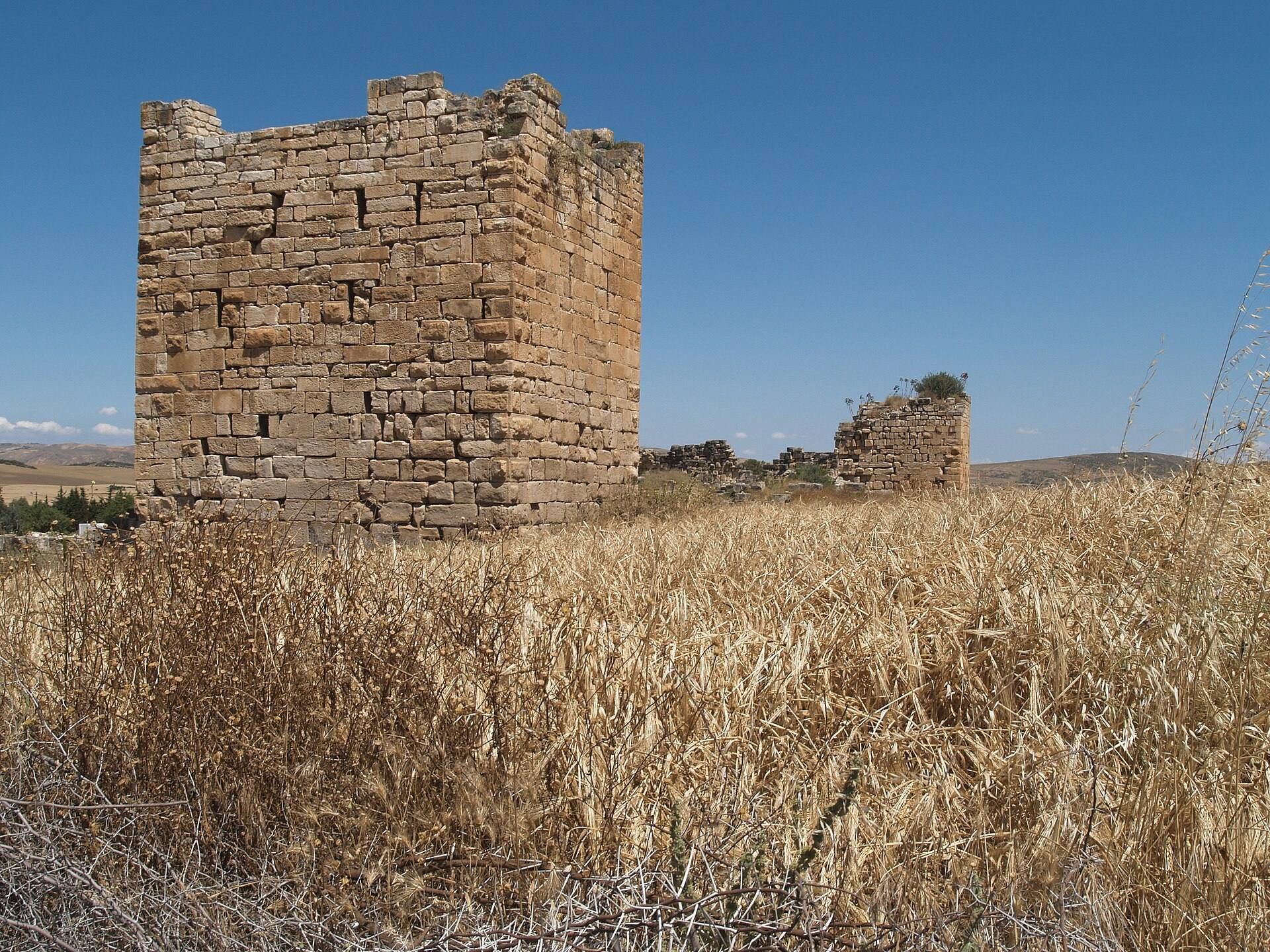
During the Byzantine reconquest of North Africa, Emperor Justinian I ordered the construction of a fortress at Thignica. Justinian ruled from AD 527 to 565, and his government recovered parts of the former Western Roman territories, including much of North Africa. Aïn Tounga now lies approximately a dozen kilometres from Testour and near the ancient site of Dougga. Seven archaeological monuments at the site are registered by Tunisia’s National Heritage Institute.
Remains
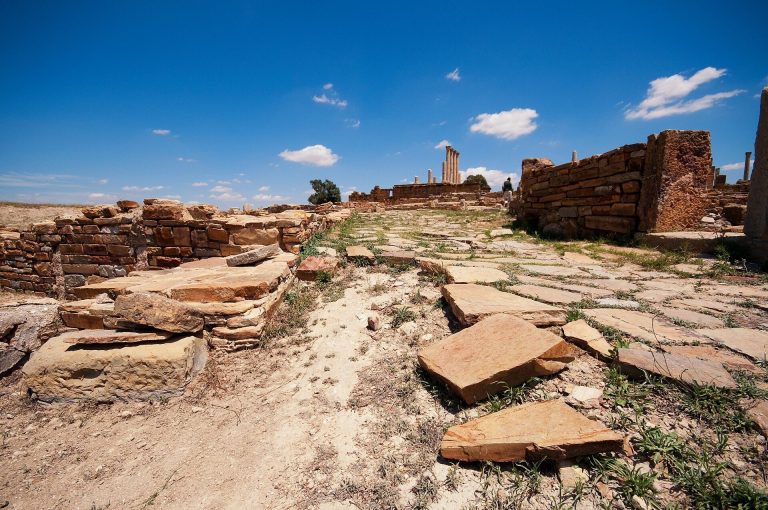
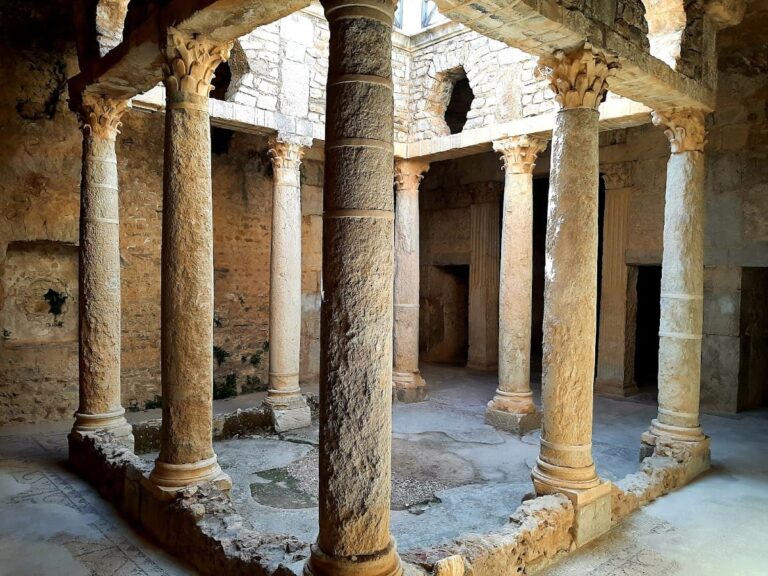
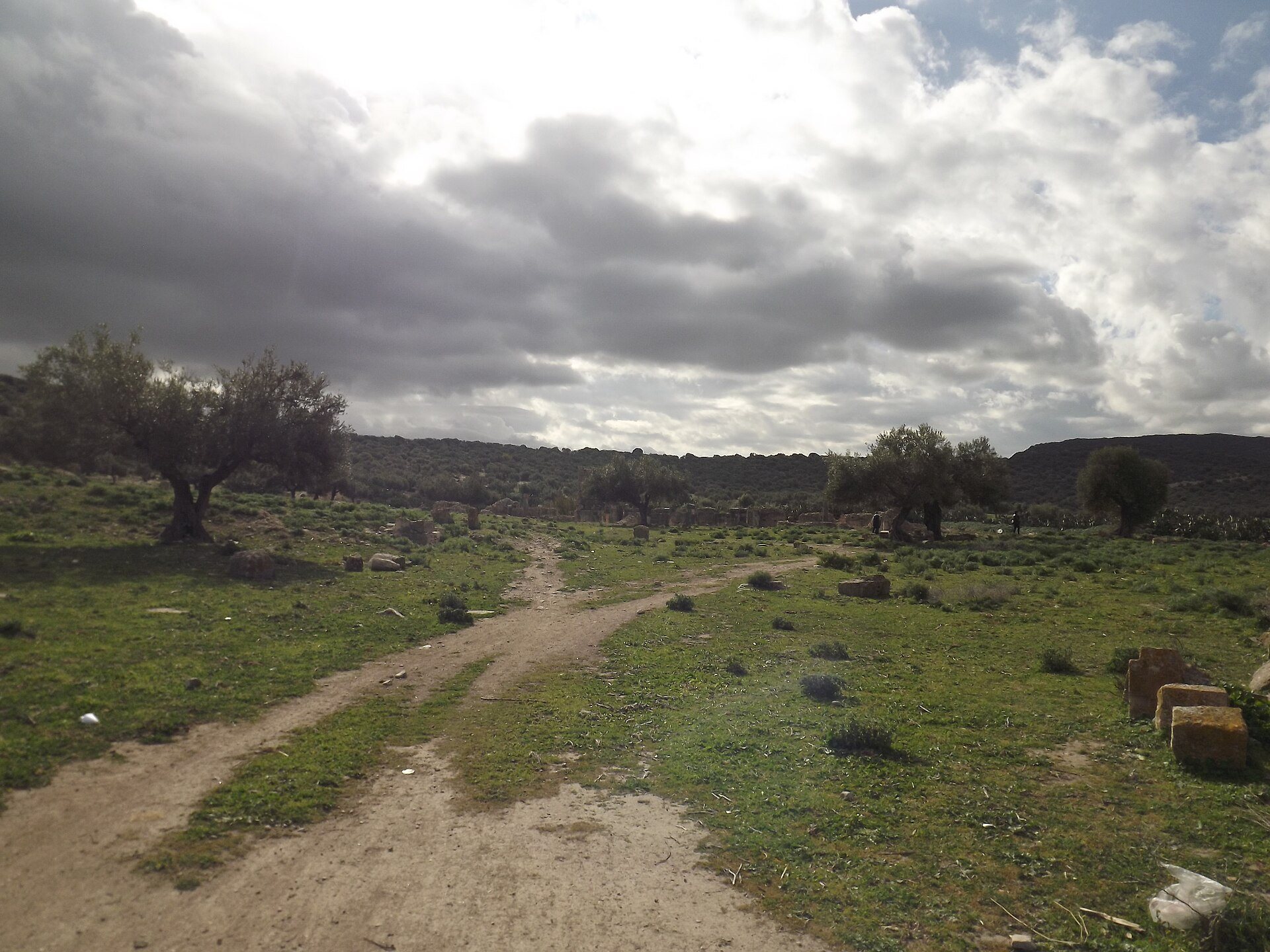
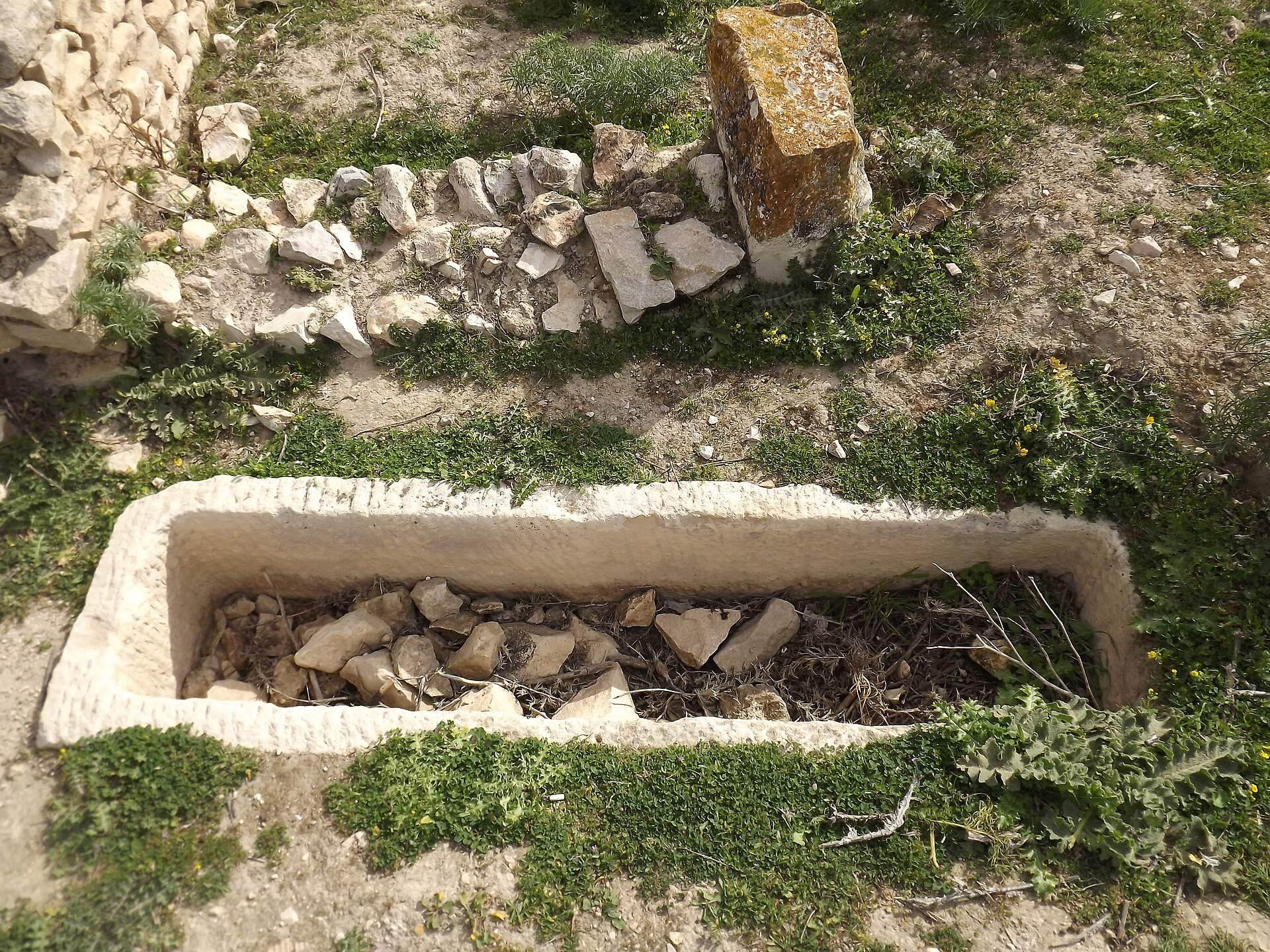
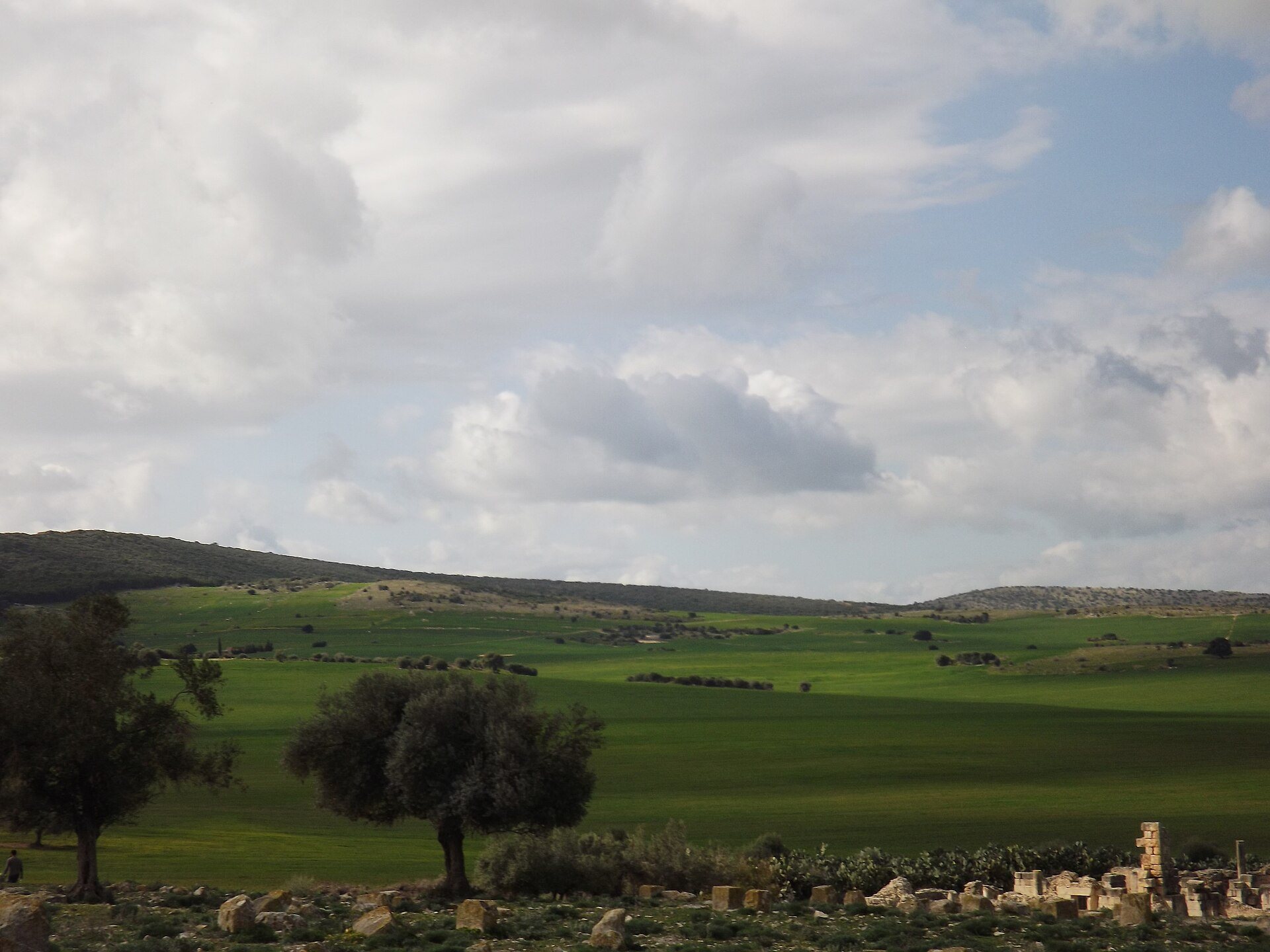
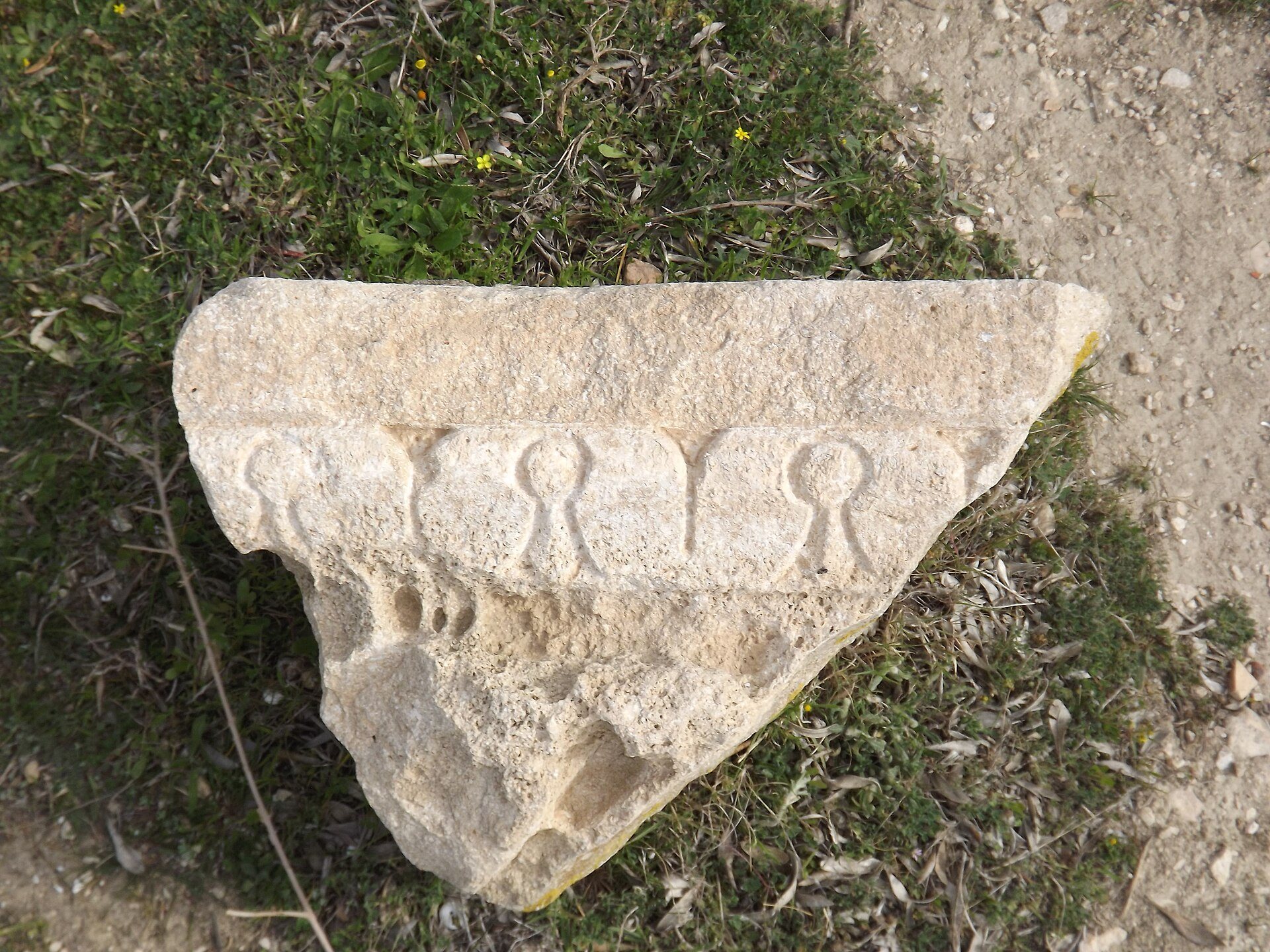
The remains of ancient Thignica extend across the surrounding plains, where the archaeological site preserves scattered traces of the former city. The name Aïn Tounga is locally associated with a spring and a mountain, linking the modern place-name to features of its landscape.
Byzantine Fortress
The most conspicuous surviving structure is the Byzantine fortress. It belongs to the defensive phase created during Justinian I’s reconquest of North Africa and forms the clearest visible element among the remains of Aïn Tounga. Other archaeological remains of the ancient city are distributed across the plains around it.