Historic Sites in Azerbaijan: Explore Fortresses, Mausoleums and Caravanserais
Explore historic sites in Azerbaijan, including stone fortifications, medieval mosques, decorated tomb towers and caravanserais. Mosques, mausoleums and defensive buildings form substantial groups in the collection. The examples below range from Baku’s walled city and the towers of the Absheron Peninsula to a cliffside shrine, Nakhchivan’s brick architecture and the trading courtyards of Shaki.
Primary Function: All
Type: All
Civilization: All
Popularity: All
Rating: All
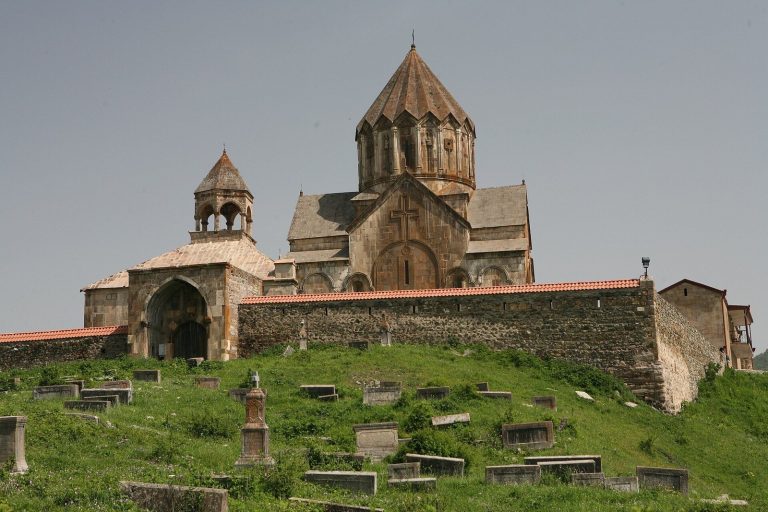
First mentioned in the 10th century, Gandzasar became the seat of the Catholicosate of Aghvank and a center of Armenian religious, educational, and…
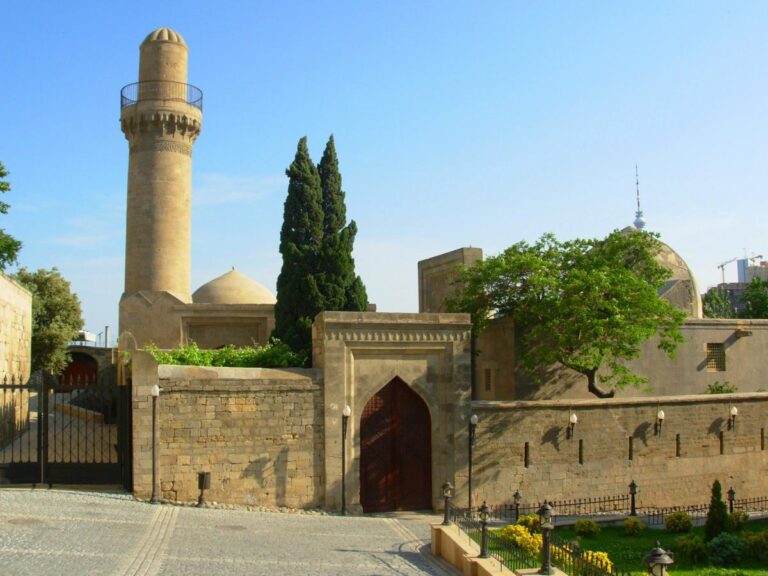
Shirvanshah's Palace Mausoleum in Baku was built in 1435–1436 for members of the Shirvanshah family and forms part of the Palace of the Shirvanshahs…
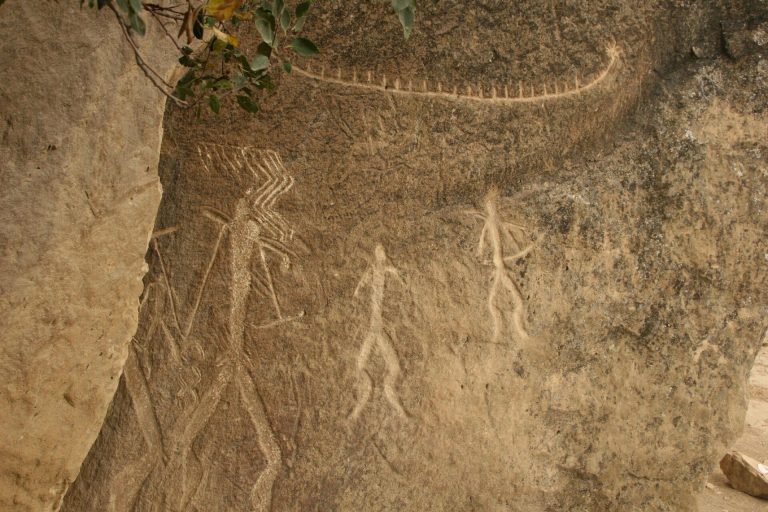
Gobustan Rock Art preserves carvings, settlements, burial sites, and other evidence spanning roughly 40,000 years of human activity in Azerbaijan,…
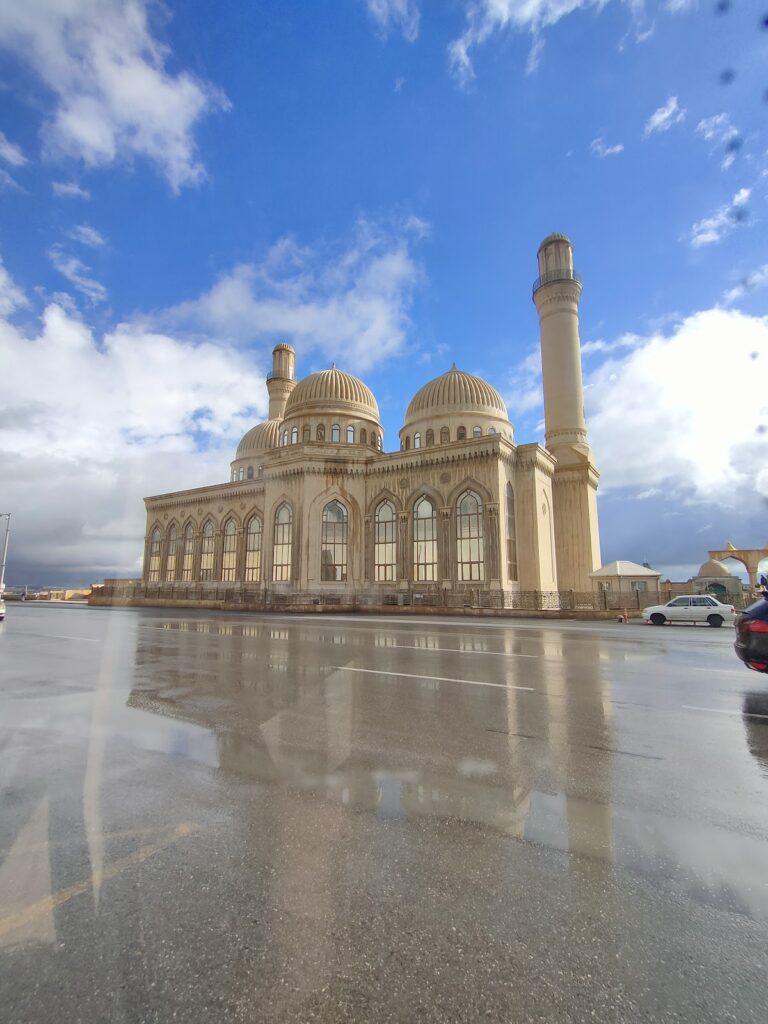
Bibi-Heybat Mosque in Baku grew around the tomb of Ukeyma Khanum, became a major Shiite pilgrimage center, was demolished under Soviet rule, and was…
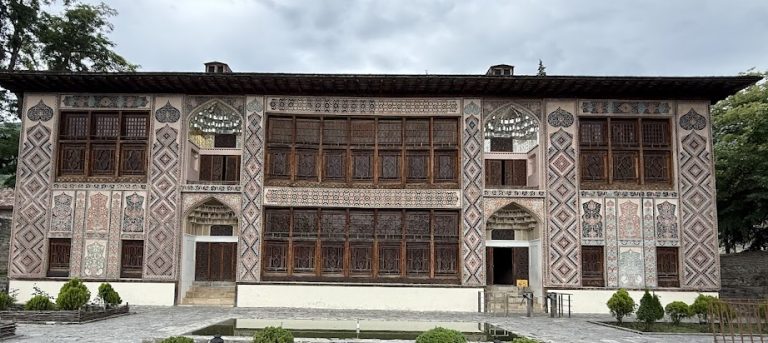
Shaki Fortress in Azerbaijan served as the citadel and administrative center of the Shaki khans before becoming part of the Russian imperial system.…
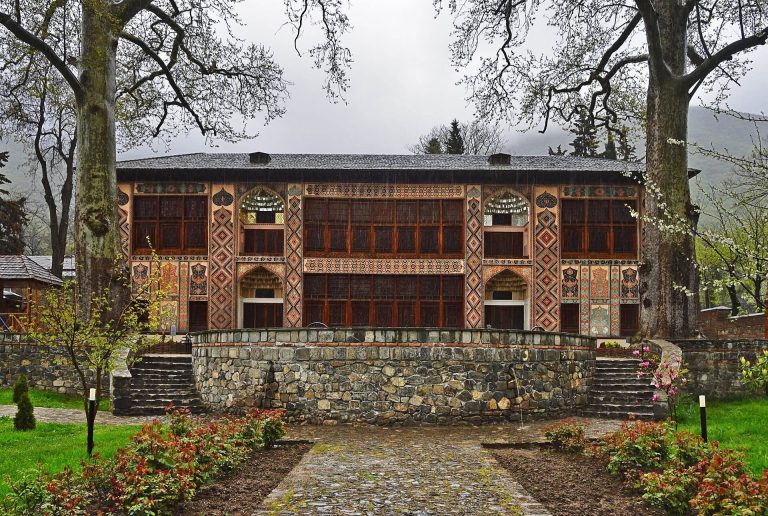
The Palace of Shaki Khans in Sheki, Azerbaijan, was a summer residence and court building of the Shaki khans. Its surviving architecture combines…
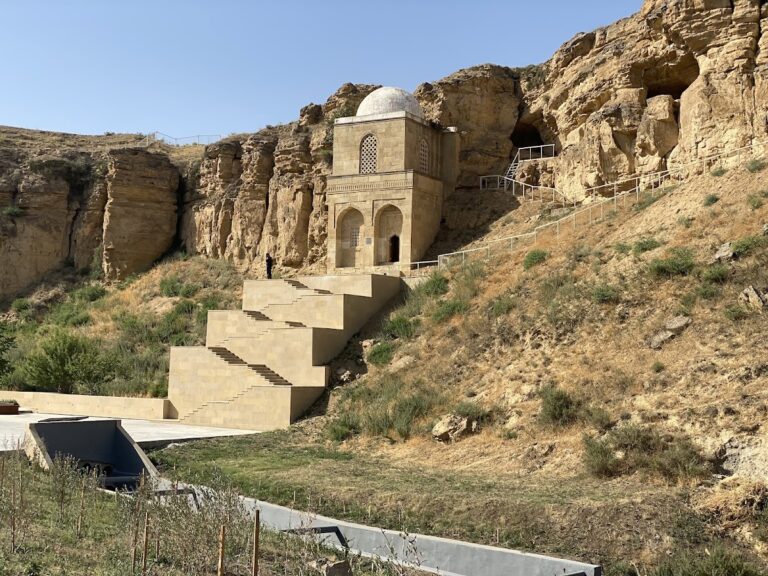
Diri Baba Mausoleum in Qobustan is a 1402–1403 Shirvanshah-era shrine built into a steep cliff and associated with the veneration of Sheikh Diri Baba.
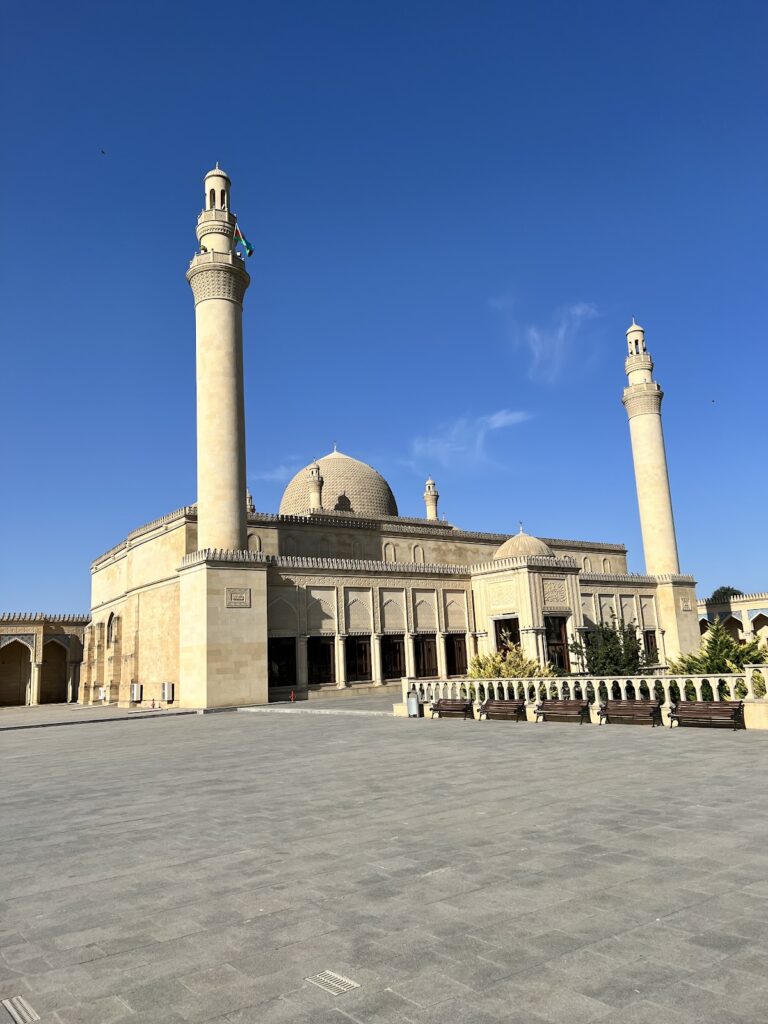
The Friday Mosque of Shamakhi is an early Islamic monument whose history spans the Arab period, medieval Shirvan, Safavid rebuilding, earthquakes,…
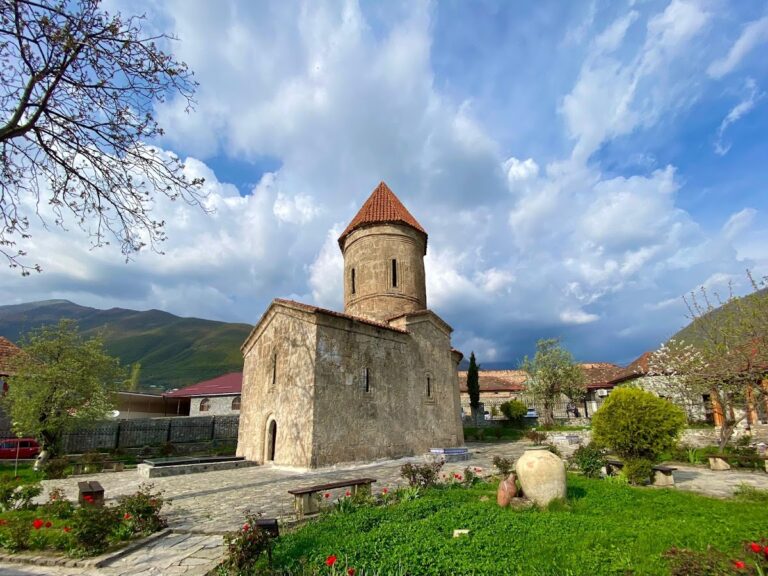
The Church of Kish near Shaki preserves evidence of prehistoric ritual activity, early Christian building phases, changing ecclesiastical…
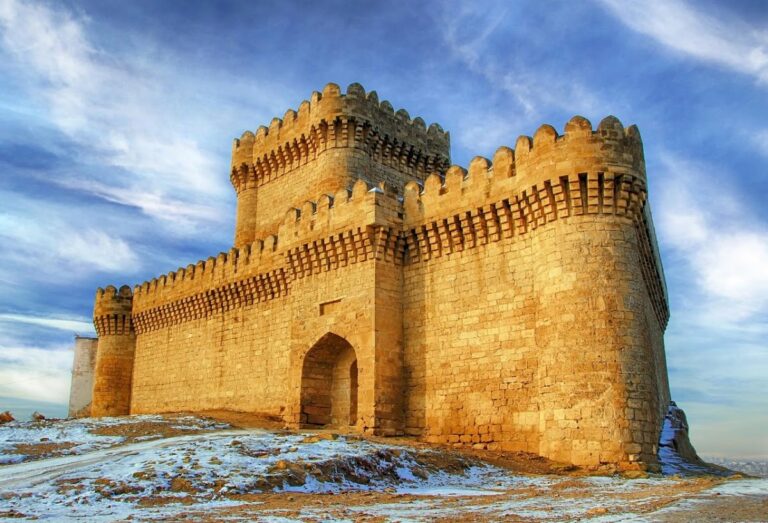
Ramana Tower is a medieval fortress in Baku’s Ramana village, associated with the Shirvanshahs and the defensive network of the Absheron Peninsula.…
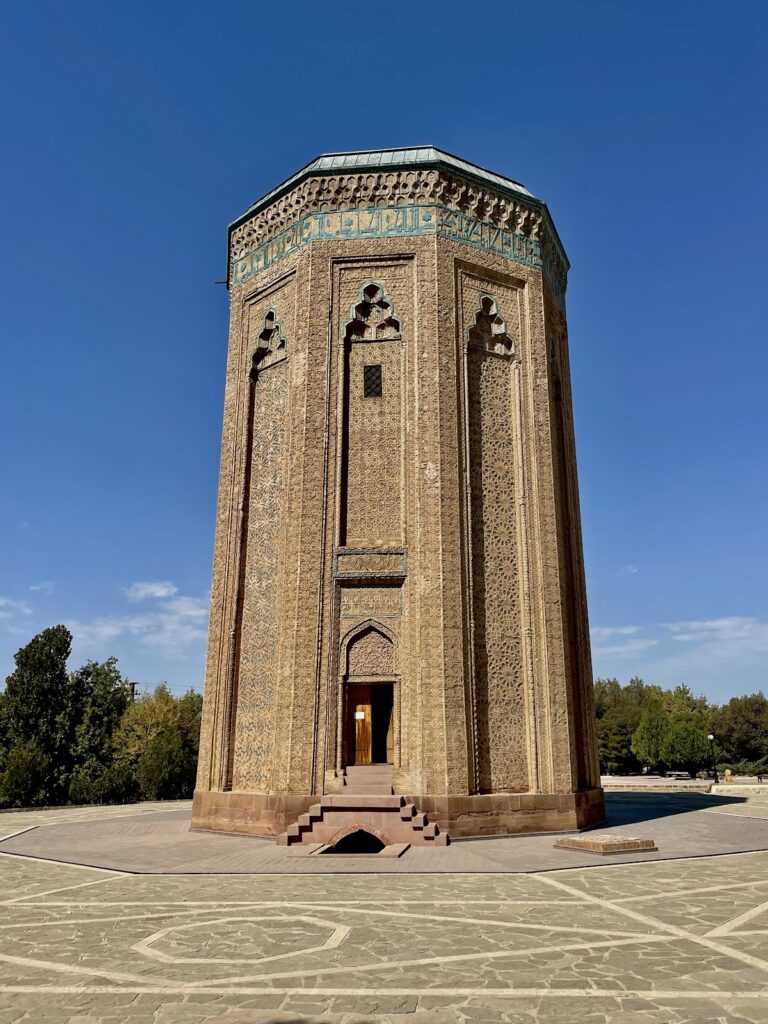
Momine Khatun Mausoleum in Nakhchivan is a 12th-century funerary monument commissioned by the Eldiguzid ruler Jahan Pahlavan. Its decagonal brick…
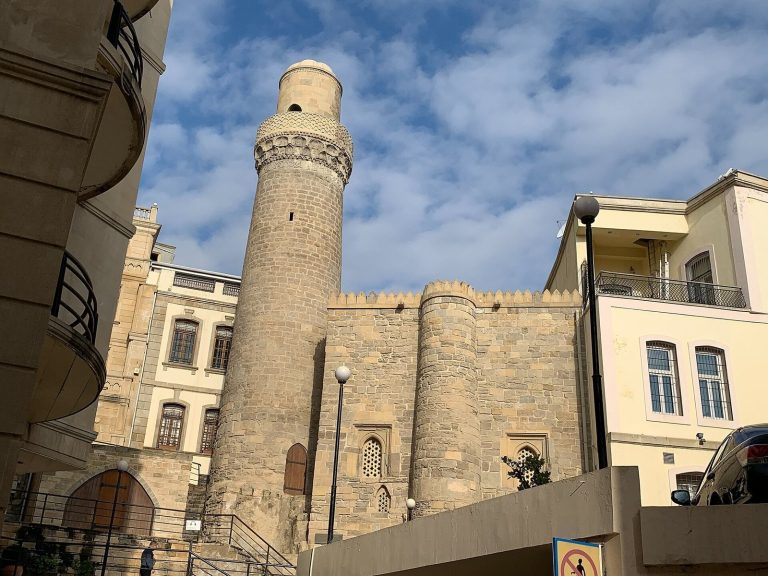
Muhammad Mosque, also known as Siniggala Mosque, is an eleventh-century stone mosque in Baku’s Old City. Its dated inscription, damaged minaret, and…
For details on how to use the maps, which sites are included, how popularity and ratings are determined, and how sites are classified, see the help page.
On this page6 sections
City walls and fortified towers
Baku Fortress encloses the medieval Old City with high stone walls, projecting towers and gateways. An inscription associates a major building phase with the twelfth-century Shirvanshahs, while later rulers repaired and expanded the defences. Parts of a second outer wall survive as foundations.
The walls once extended towards the Caspian shoreline. Their present inland setting reflects changes to the coast and the development of the seafront. Loopholes, wall walks and projecting defensive features remain within the altered enclosure, which protected an entire urban district.
Ramana Tower concentrates its defences around a square stone keep. An elongated courtyard and surrounding walls occupy the rocky site, with a narrow approach between the keep and the enclosure. The tower rises through four levels, using stone vaults in some storeys and timber-supported floors in others. Its restored masonry preserves the compact arrangement of a fortified strongpoint rather than a city wall circuit.
Muhammad Mosque and its stone minaret
The Muhammad Mosque stands inside Baku’s Old City. An inscription dates its construction to 1078–1079. The adjoining minaret has a solid, slightly tapering limestone shaft, with a projecting balcony supported by tiers of carved stone beneath it.
Differences in the masonry record later repairs, including work to the upper part of the tower. The building’s compact scale makes the minaret’s construction especially clear: carefully dressed stone carries the shaft, while the balcony and crowning elements concentrate the ornament above the surrounding roofs.
Palace tombs and cliffside burial chambers
The Shirvanshah’s Palace Mausoleum was commissioned in the fifteenth century for members of Baku’s ruling family. A carved entrance portal leads through a corridor into a cruciform hall beneath a stone dome. Smaller vaulted rooms occupy the arms of the plan, with stairs inside the thick walls connecting some upper spaces.
At the Diri Baba Mausoleum, the rock face shapes the building itself. The two-storey shrine occupies a platform cut into a cliff near Qobustan. A narrow stair partly carved into the rock connects the lower entrance spaces with the upper burial hall. Its dome has been restored after collapse, while the fitted relationship between masonry and cliff remains central to the monument’s form.
Momine Khatun’s decorated tomb tower
The Momine Khatun Mausoleum in Nakhchivan was completed in 1186. A ten-sided brick tower rises above an underground burial chamber, its exterior divided into tall panels framed by narrow supports and pointed arches. The original upper covering no longer survives.
Geometric patterns vary from panel to panel. Brick ribs form stars and interlaced polygons, with blue and turquoise tiles set against the reddish masonry. Bands of inscriptions run around the exterior and above the panels. The decoration follows the tower’s vertical divisions, giving each face a separate composition within the repeated overall form.
Shaki’s courtyard caravanserai
The Shaki Caravanserai is the Upper Caravanserai, a large trading and lodging complex associated with the town’s eighteenth-century commercial expansion. Its builders adapted a courtyard arrangement to sloping ground beside the river, producing different apparent heights on the street and courtyard sides.
Arched openings, vaulted rooms and covered galleries organise accommodation and storage around the enclosed court. The repeated rooms contrast with the more elaborate entrance, which announced the complex to people arriving from the street. The building preserves the scale of an establishment designed to receive merchants and their goods within one enclosed group of spaces.
Explore the collection
Explore sites through the map and grid, narrowing the results by primary function, site type, civilization or era, with additional popularity and rating filters. Map icons show each site’s primary function. Select a marker to open details and access its article, or follow the article link from the grid.