Bradača Monastery: A Serbian Orthodox Monastery in Braničevo
Site at a Glance
- Rating
- 4.8
- Popularity
- Low
- Country
- Serbia
- Primary era
- Medieval
- Eras represented
- Medieval
- Civilizations
- Serbian
- Site type
- Religious
- Remains
- Monastery
On this page7 sections
History
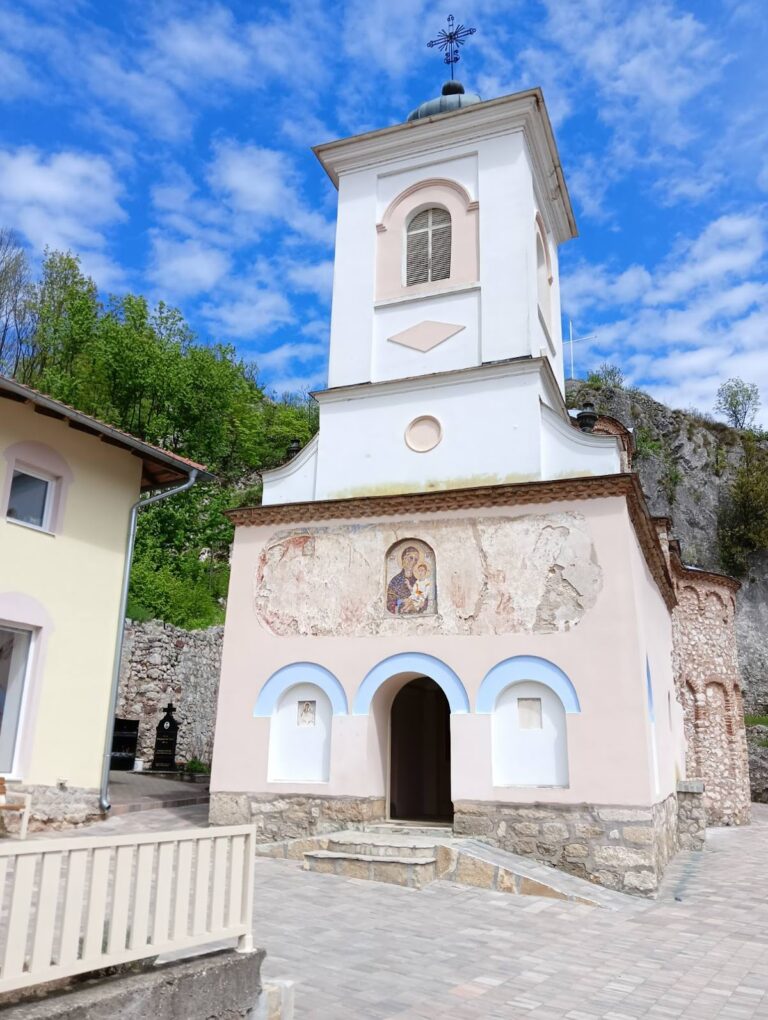
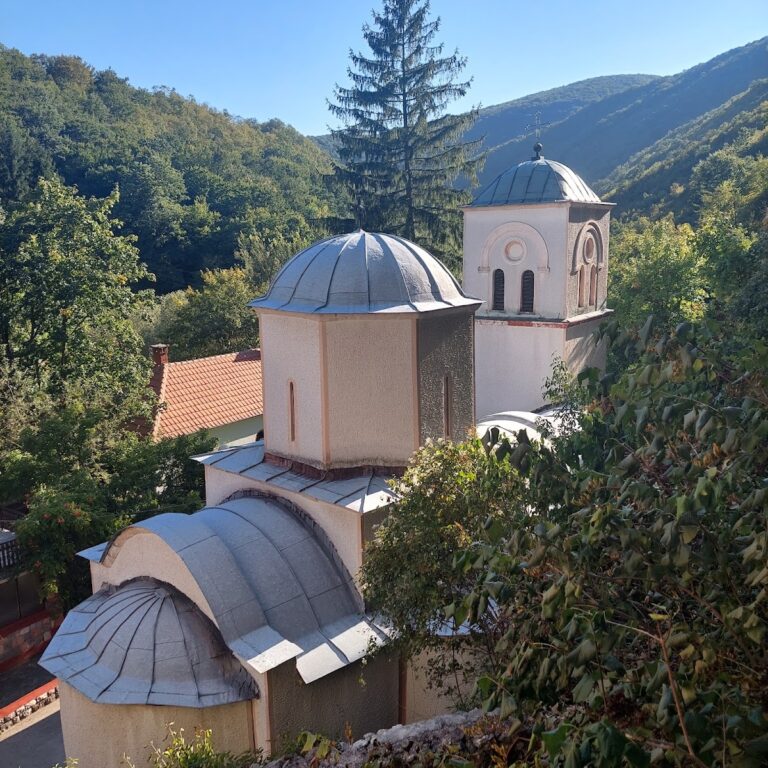
Bradača Monastery is a Serbian Orthodox monastery in Serbia, in the Braničevo area. The monastery church is associated with a thirteenth-century date in one description, while archaeological research places its construction at the end of the fourteenth century. Other assessments place the building between the late fourteenth and early fifteenth centuries, so its precise construction chronology remains uncertain. The church is dedicated to the Entry of the Most Holy Theotokos into the Temple, the Christian feast commemorating Mary’s presentation at the Temple in Jerusalem. Bradača is under the jurisdiction of the Diocese of Braničevo, the regional administrative district of the Serbian Orthodox Church, and is described as the oldest sacred building in the diocese.
Medieval monastery and written references
The monastery itself is generally dated to the fourteenth century. Bradača first appears in Serbian written records in the middle of the fifteenth century, when it was described as a lively and active religious institution. An entry from 1467 in the Braničevo register mentions a monastery called Ravan near Kula. This may have referred to Bradača. The name Bradača appears explicitly in the Smederevo register of 1476.
During the sixteenth century, the abbot Pancratije commissioned a prologue, a liturgical manuscript containing readings and related material for Orthodox worship. The monastery’s principal feast is the Annunciation, which commemorates the angel Gabriel’s announcement to Mary that she would bear Jesus.
Destruction, abandonment, and revival
By the end of the seventeenth century, Patriarch Arsenije of Peć described Bradača as abandoned. Peć was the historic seat of the Serbian patriarchate, and a patriarch is the senior bishop of an Orthodox church or patriarchate. The monastery is described as remaining in ruins for more than two and a half centuries, with no further records noted until the beginning of the nineteenth century.
Local tradition attributes the destruction to an Ottoman attack during the annual gathering held on the Feast of the Transfiguration. According to the tradition, visitors were killed and the monastery was destroyed and burned. Pilgrims were said to have come to the gathering from the Stig, Pek, Mlava, and Morava regions.
A separate legend connects the monastery’s origin with the Serbian folk song God Remains Indebted to No One and the unjustly accused Jelica. In this account, monasteries arose at the places where her eyes, hands, beard, and body fell after she was torn apart by horses. The legend forms part of Bradača’s traditional religious identity.
Restoration began in 1990, followed by reconstruction in 1992. Bradača then became operational again and is now active, with monks caring for the monastery.
Remains
Wooded setting and monastery grounds
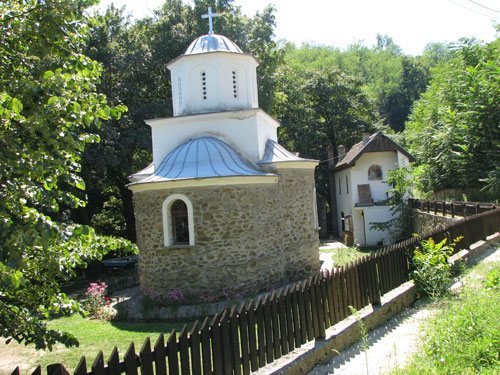
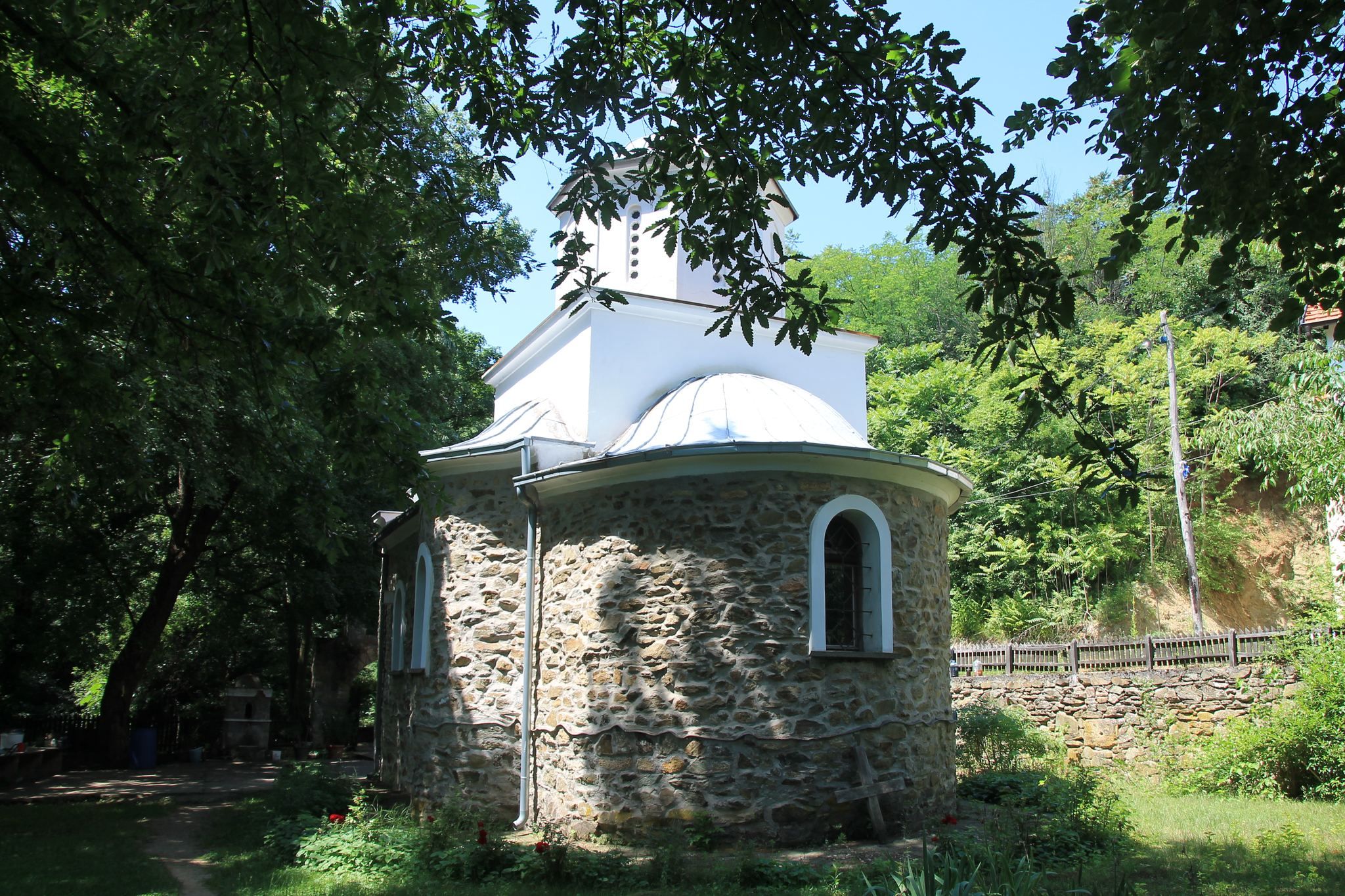
Bradača lies in a wooded clearing near Kula and Crljenac, below Mount Kožuh on Veliki Bubanj hill. The monastery grounds include an eight-are courtyard and 5.8 hectares of forest. The wooded setting forms the physical environment of the active monastic complex and surrounds its principal sacred building.
Monastery church
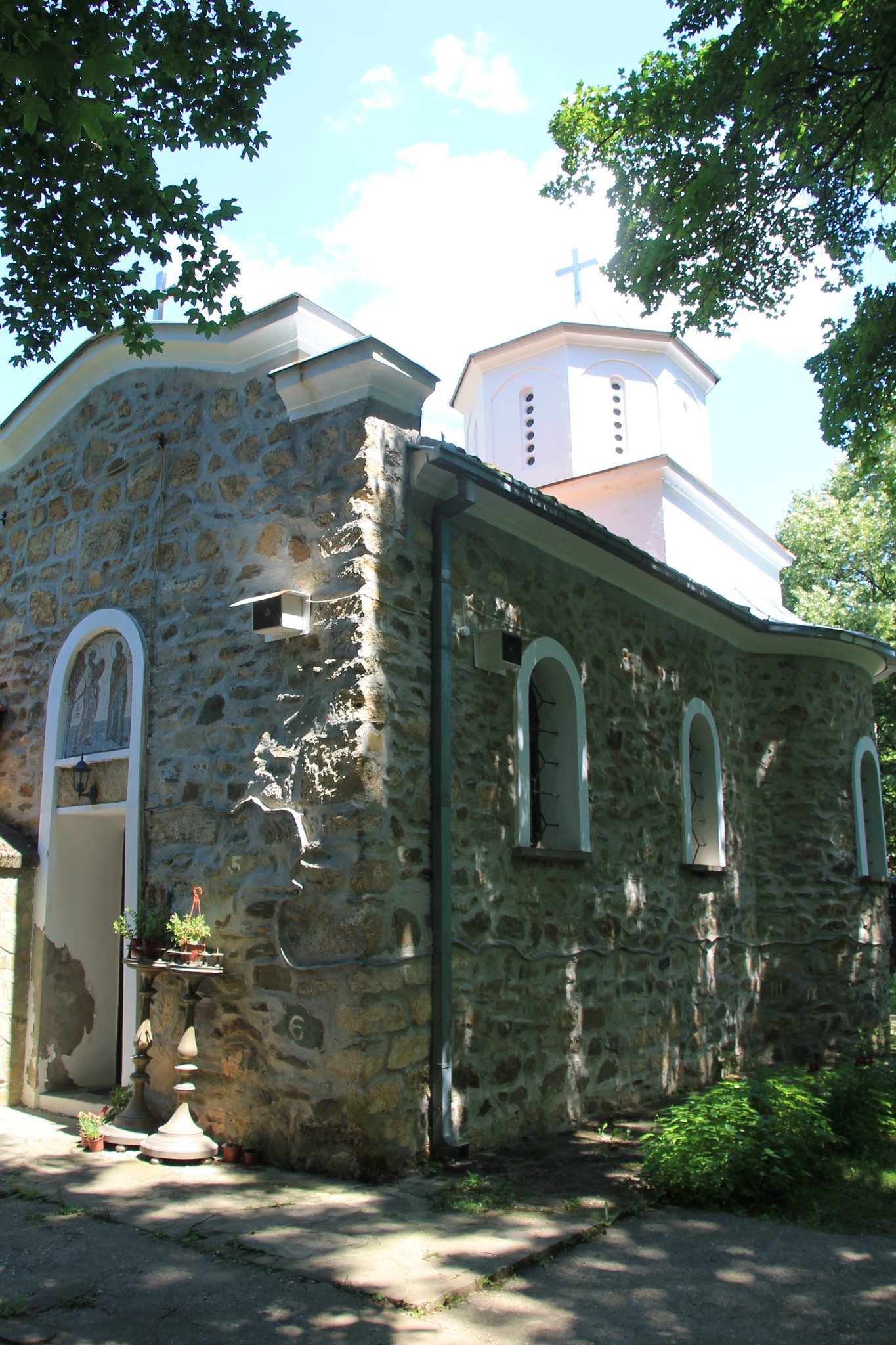
The monastery church is the principal sacred structure at Bradača. Its construction has been assigned to the thirteenth century in the site description, while systematic archaeological research carried out in 1985 and 1986 placed the building at the end of the fourteenth century. Another assessment dates it between the late fourteenth and early fifteenth centuries. The church’s precise chronology therefore remains unsettled. It is dedicated to the Entry of the Most Holy Theotokos into the Temple and forms the central architectural and religious feature of the monastery.
Monastery Well
A spring within the grounds is known as the Monastery Well and is also called Svetinjica. Local belief regards its water as medicinal. Bradača is associated with holy and healing waters and springs, which are traditionally visited especially on church holidays.