Wooden Church of Hirișeni: An Orthodox Church in Moldova
Site at a Glance
- Popularity
- Medium
- Country
- Moldova
- Primary era
- Early Modern
- Eras represented
- Early Modern
- Civilizations
- Ottoman, Principality of Moldavia
- Site type
- Religious
- Remains
- Church
On this page4 sections
History
Foundation and relocation to Hirișeni
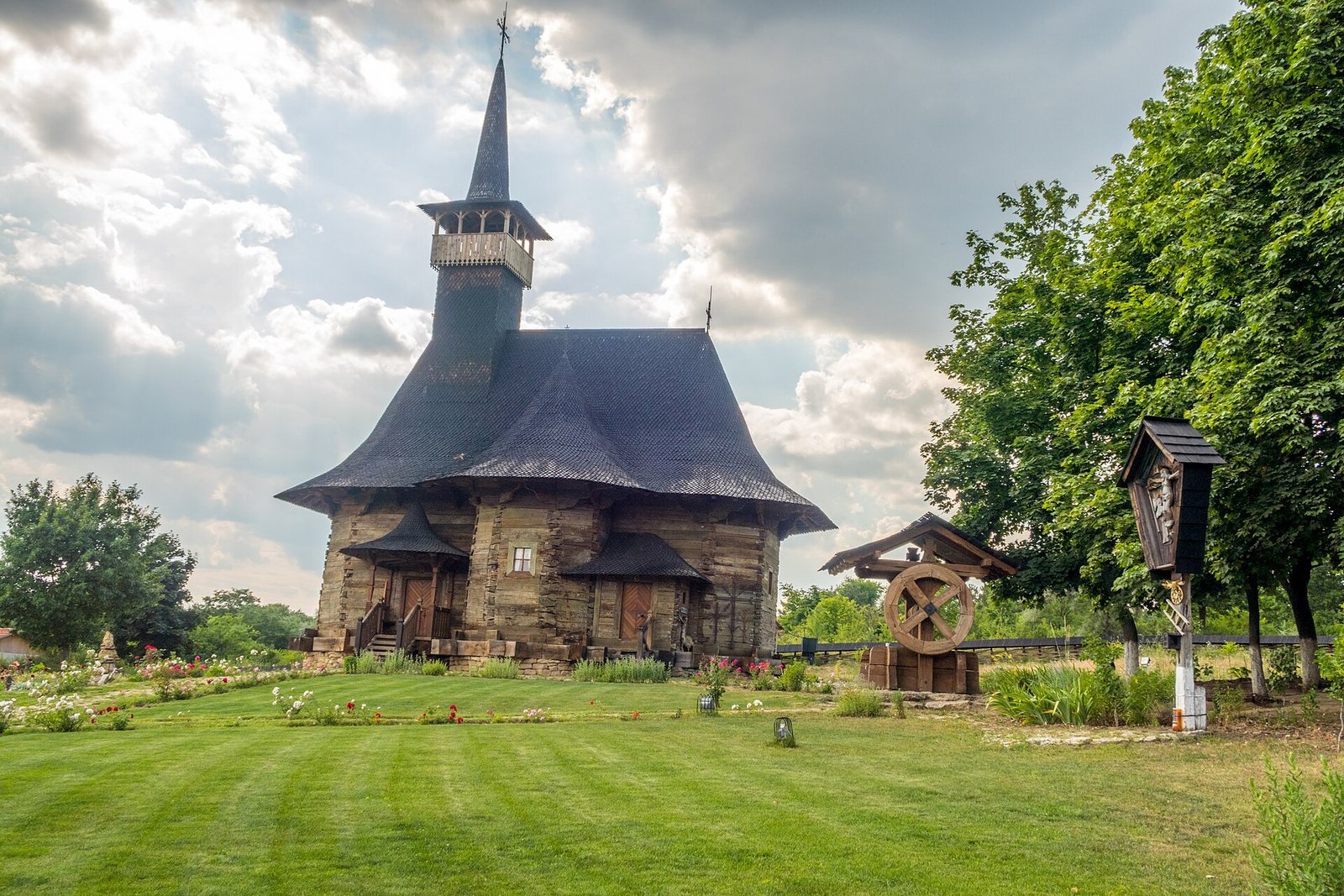
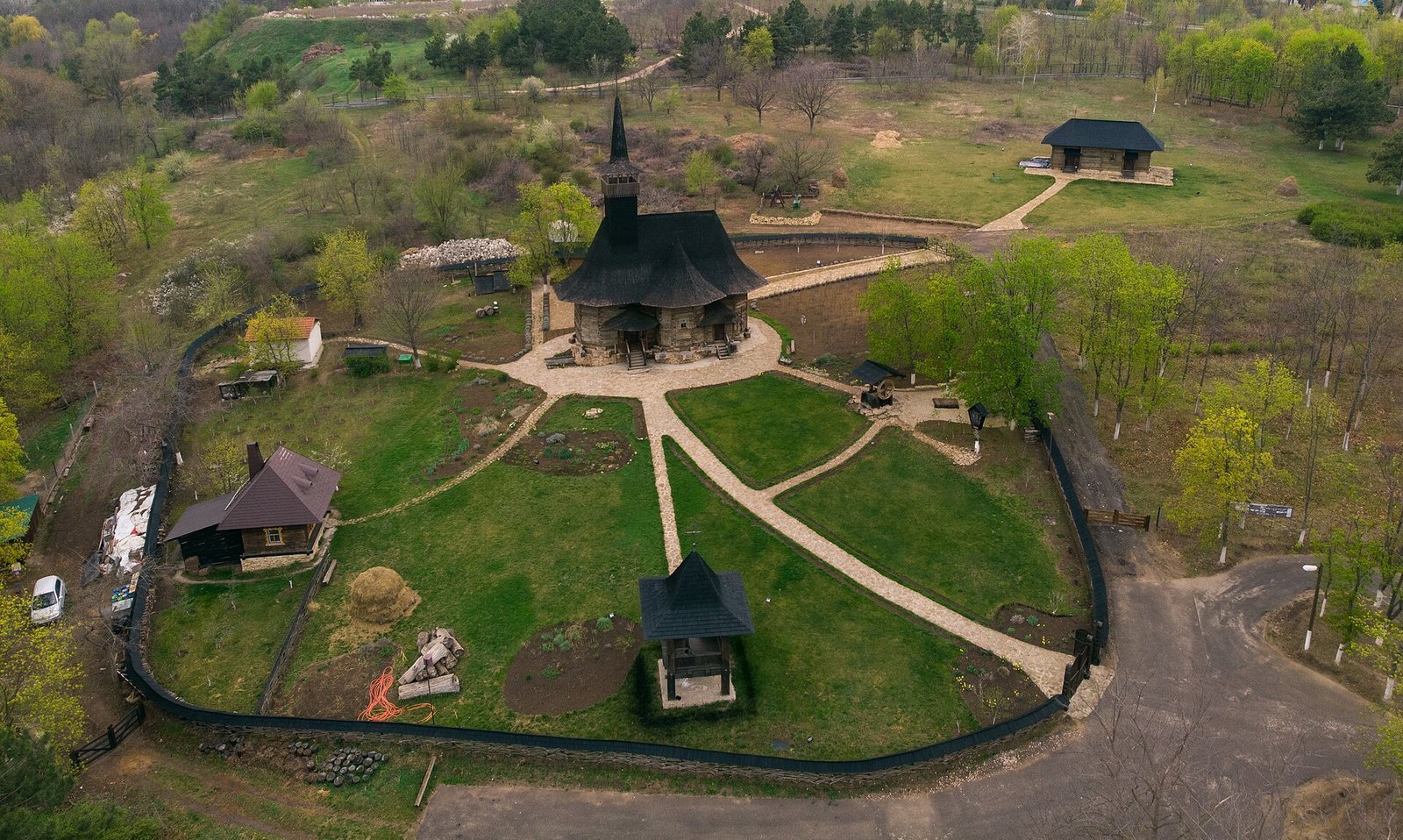
The Wooden Church of Hirișeni is an Orthodox church preserved at the Village Museum, an ethnographic museum in Chișinău, Moldova. Hirișeni freeholders, independent peasants with landholding rights, erected it in 1642 at Hîrjauca Monastery, a religious community of monks. They dedicated the church to the Dormition of the Mother of God, an Orthodox feast commemorating the Virgin Mary’s death and assumption into heaven.
In 1821, after the monastery moved elsewhere, the church was dismantled and transferred to Hirișeni, now in Telenești District. It served the local community until a stone church was built in 1928, then continued in use as a cemetery chapel.
Transfer and preservation
By the beginning of the twenty-first century, the church was in very poor condition. It had lost its roof, and rain and snow had damaged the wooden walls. The National Museum of Ethnography and Natural History negotiated with Hirișeni residents to move the building to Chișinău. After they agreed, it was dismantled and transferred in mid-2009, and restoration began immediately. It was consecrated at its new location in autumn 2011, retaining its dedication.
In 2011, Varvara Buzilă, the museum’s scientific secretary, described it as the only church of its type in the Republic of Moldova. A similar church in Telenești District had been demolished in the 1980s.
Remains
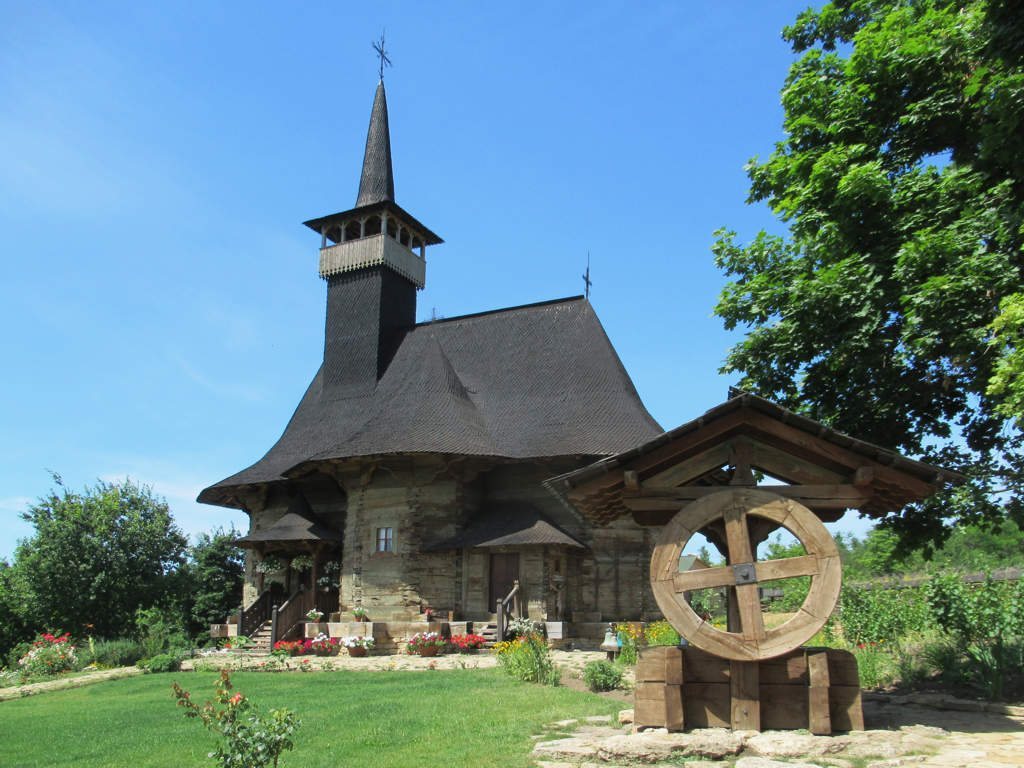
The church is a timber building 27 metres high. Its northern Moldavian style is compared with the church-building tradition of Bukovina, a historical region in the northern Carpathians now divided between Romania and Ukraine.
Restoration retained 75 percent of the original structure. The original timbers were treated with materials to improve their durability, while the roof was replaced entirely. The church is preserved as an exhibit at the Village Museum in Chișinău.