Warizuka Kofun: A Late Kofun-Period Burial Mound in Nara, Japan
Site at a Glance
- Rating
- 3.8
- Popularity
- Low
- Country
- Japan
- Primary era
- Medieval
- Eras represented
- Medieval, Modern
- Civilizations
- Yamato
- Site type
- Burial
- Remains
- Burial Mound
On this page6 sections
History
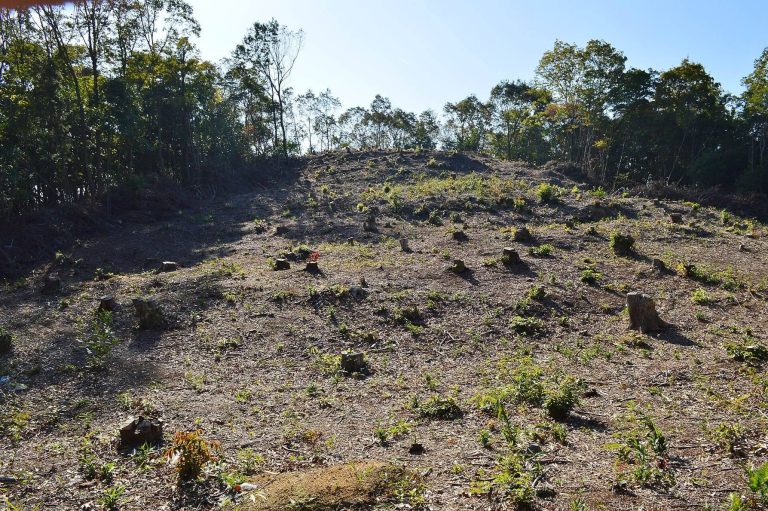
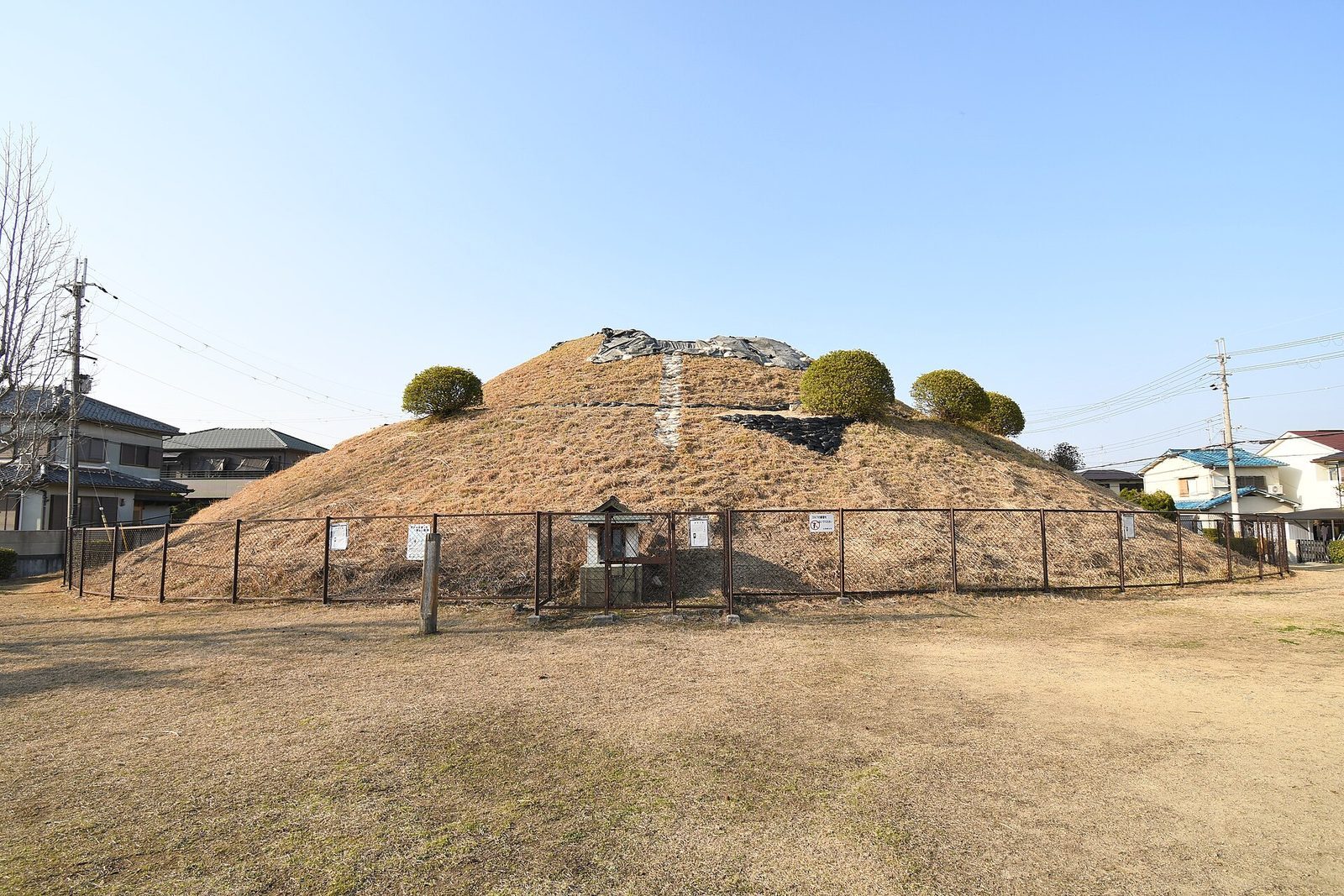
Warizuka Kofun is a Japanese burial mound in Sen’nichi-cho, Yamatokoriyama, Nara Prefecture, probably dating from the first half to the middle of the sixth century. It was built during the late Kofun period, the era when burial mounds were constructed in Japan, broadly from the third to the seventh centuries.
Residential development led to an excavation in 1968 by the Nara Prefectural Kashihara Archaeological Research Institute, followed by a preliminary report in 1969. The mound was later reshaped and the site landscaped as a park within the residential area. Yamatokoriyama City resumed investigations in fiscal 2020, surveying the site that year, excavating the mound in fiscal 2021–2022, and examining the burial chamber again in fiscal 2023–2025.
Remains
The mound stands at the western edge of the Nara Basin, on the eastern foot of the Yata Hills at the tip of a plateau. Its burial complex includes a south-facing entrance passage leading to a stone chamber, with another passage extending behind the chamber’s rear wall.
Mound and burial complex
Mound
The circular mound measures 49 meters in diameter and 4.5 meters high. The name Warizuka comes from a deep groove that ran north to south through the mound’s center.
Stone chamber
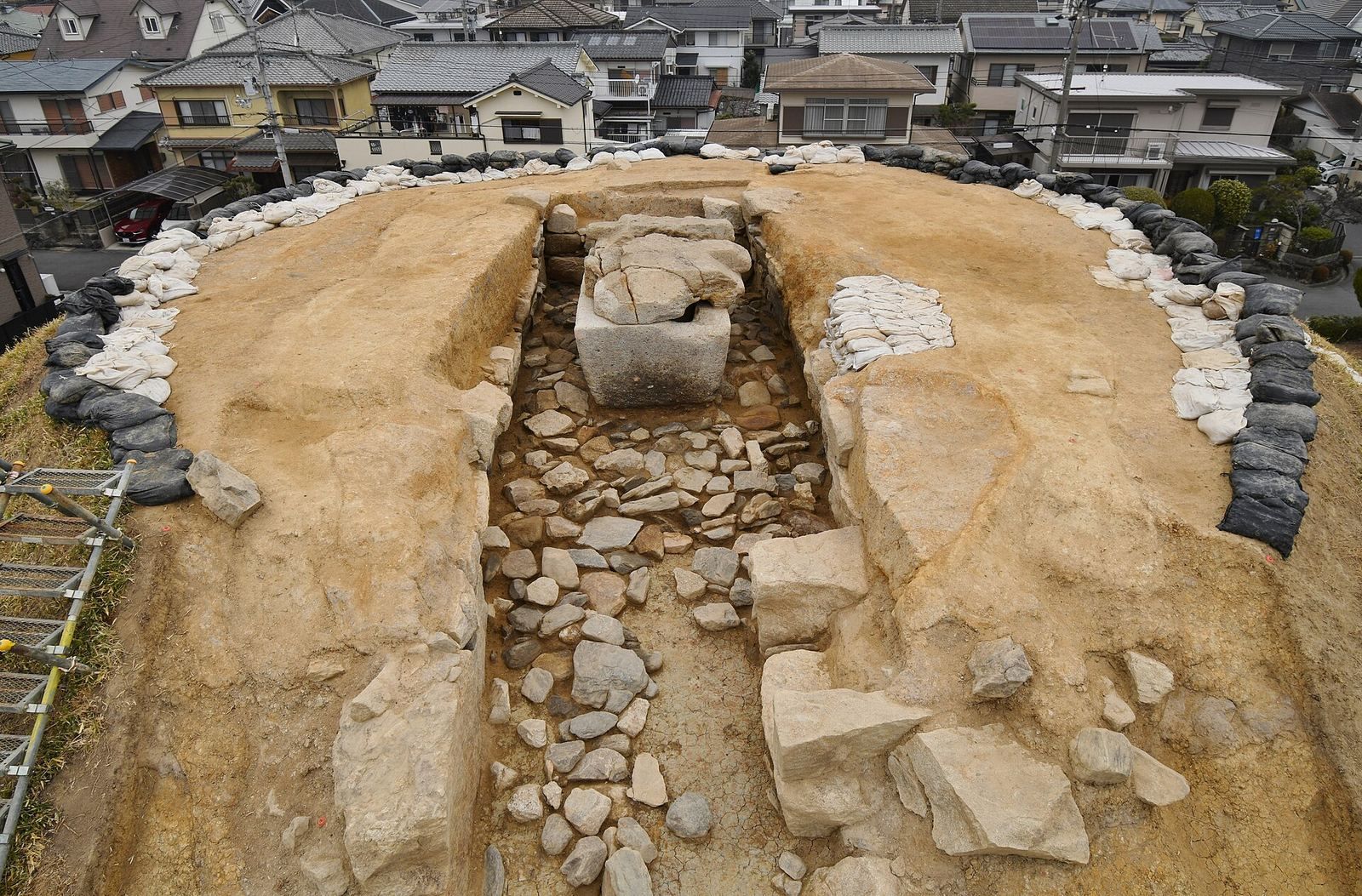
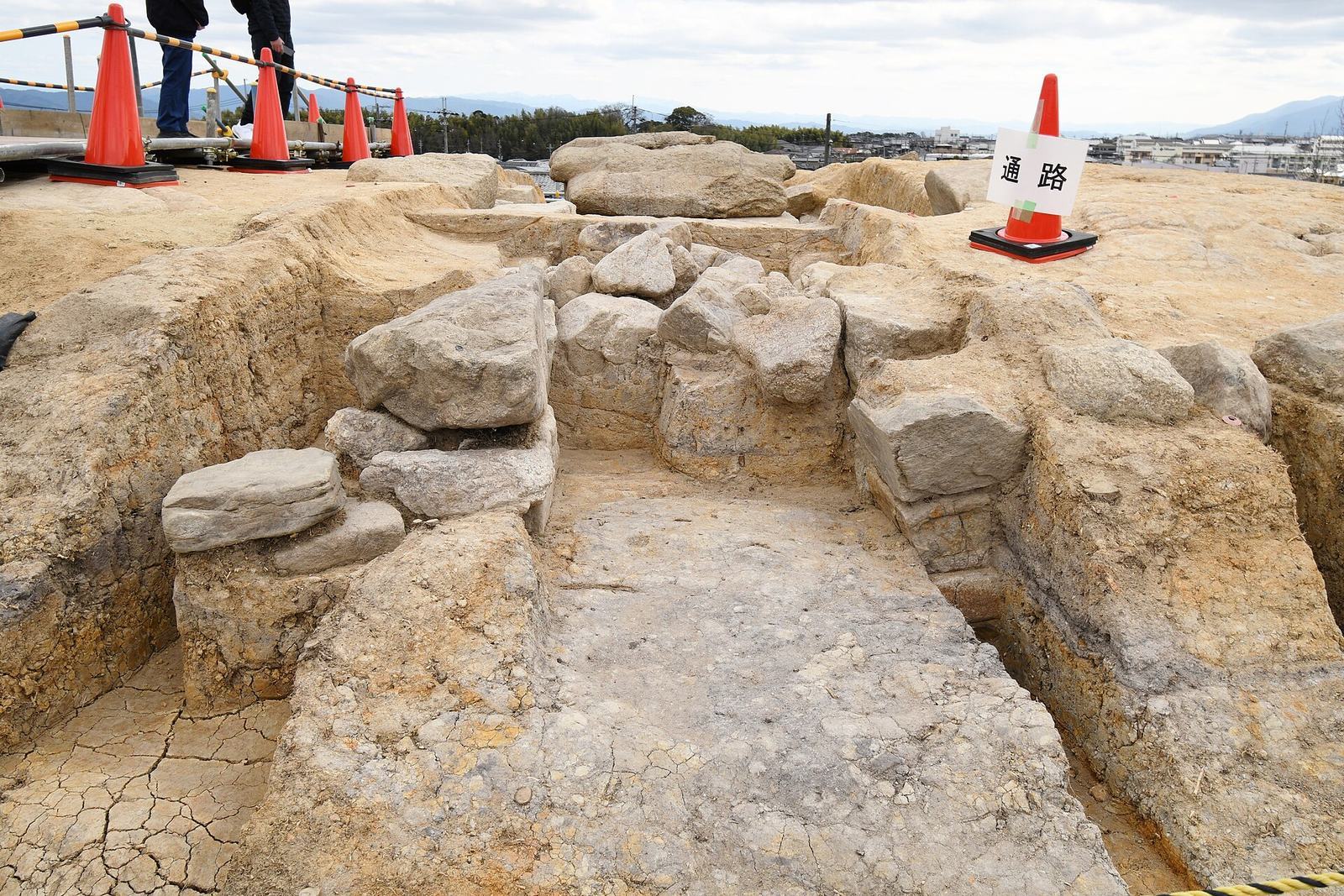
The burial chamber is a horizontal stone chamber, entered through a passage, of the one-sided type, meaning that the main chamber extends beyond one side of the entrance passage. The whole chamber measures 13.6 meters. Its main chamber is 6.6 meters long and 3 meters wide; the entrance passage is 7 meters long and 1.5 meters wide. Behind the main chamber’s rear wall, a further passage survives for 3.5 meters and is 1 meter wide. Stones measuring 0.2 to 0.5 meters blocked this rear passage before the main chamber’s rear wall was built. Similar arrangements occur in other burial mounds in Takatori and Asuka. The chamber floor was paved with stone, and a drain runs down the middle of the entrance passage. Only the lower stonework remains, and the chamber has been backfilled.
Stone coffin and grave goods
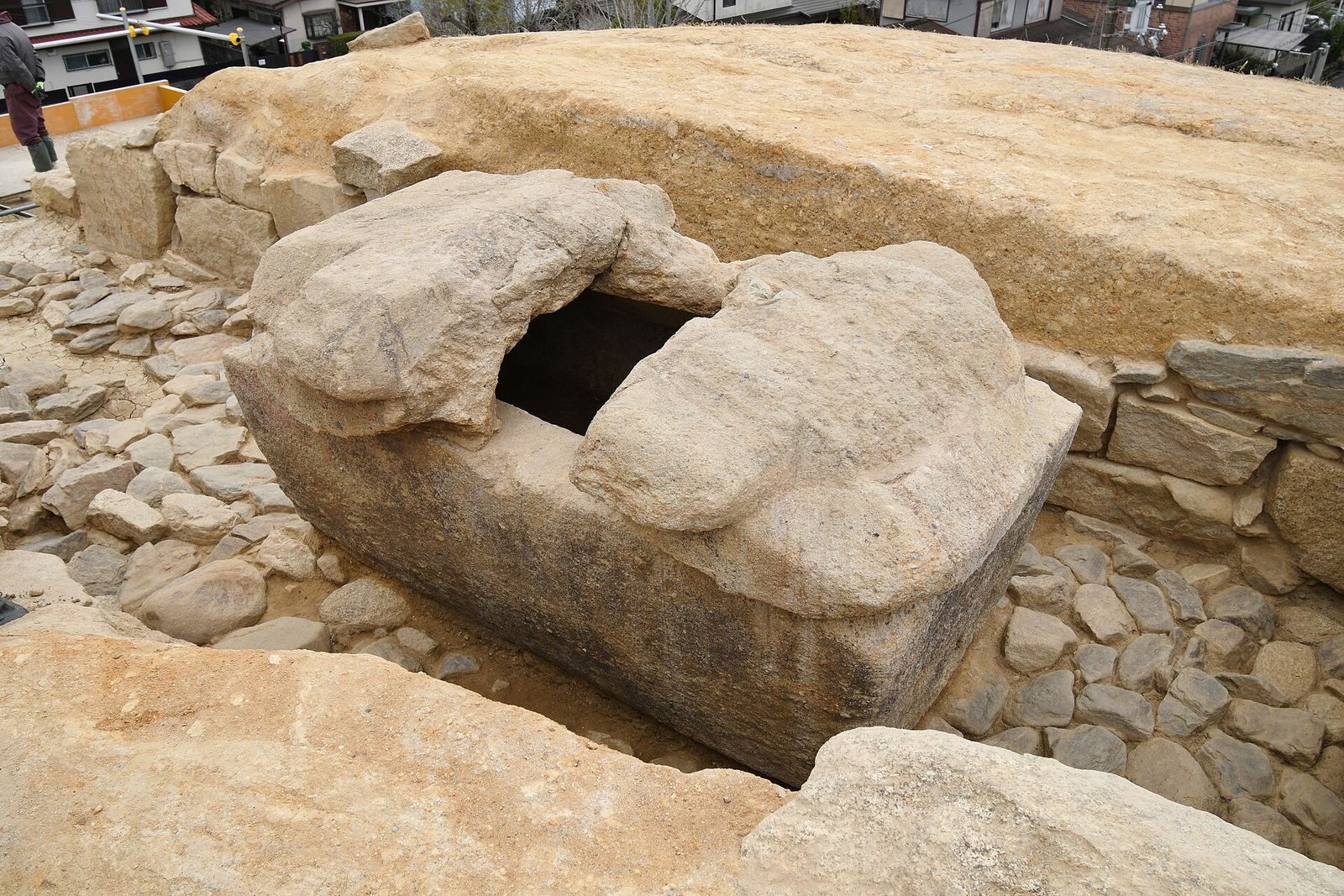
A house-shaped coffin, carved from a single block of tuff, a type of volcanic rock, stood slightly north of the chamber’s center. It measures 2.7 meters long, 1.4 meters wide, and 1.4 meters high, and has a drainage hole at the end facing the rear wall. Finds from inside the coffin include a copper mirror of the beast-head deity-and-beast type, decorated with animal and deity imagery; two pairs of pendant earrings; 35 faceted rock-crystal beads; 11 jasper tube beads; five beads made from buried wood, including jujube-shaped and faceted examples; and 10 glass beads. Objects found around the coffin include horse trappings, lamellar armor made from linked small plates, iron arrowheads, and Sue ware, a hard, high-fired stoneware. The finds are displayed at the museum affiliated with the Nara Prefectural Kashihara Archaeological Research Institute in Kashihara.