Tomio-Maruyama Kofun: Japan’s Largest Known Circular Burial Mound
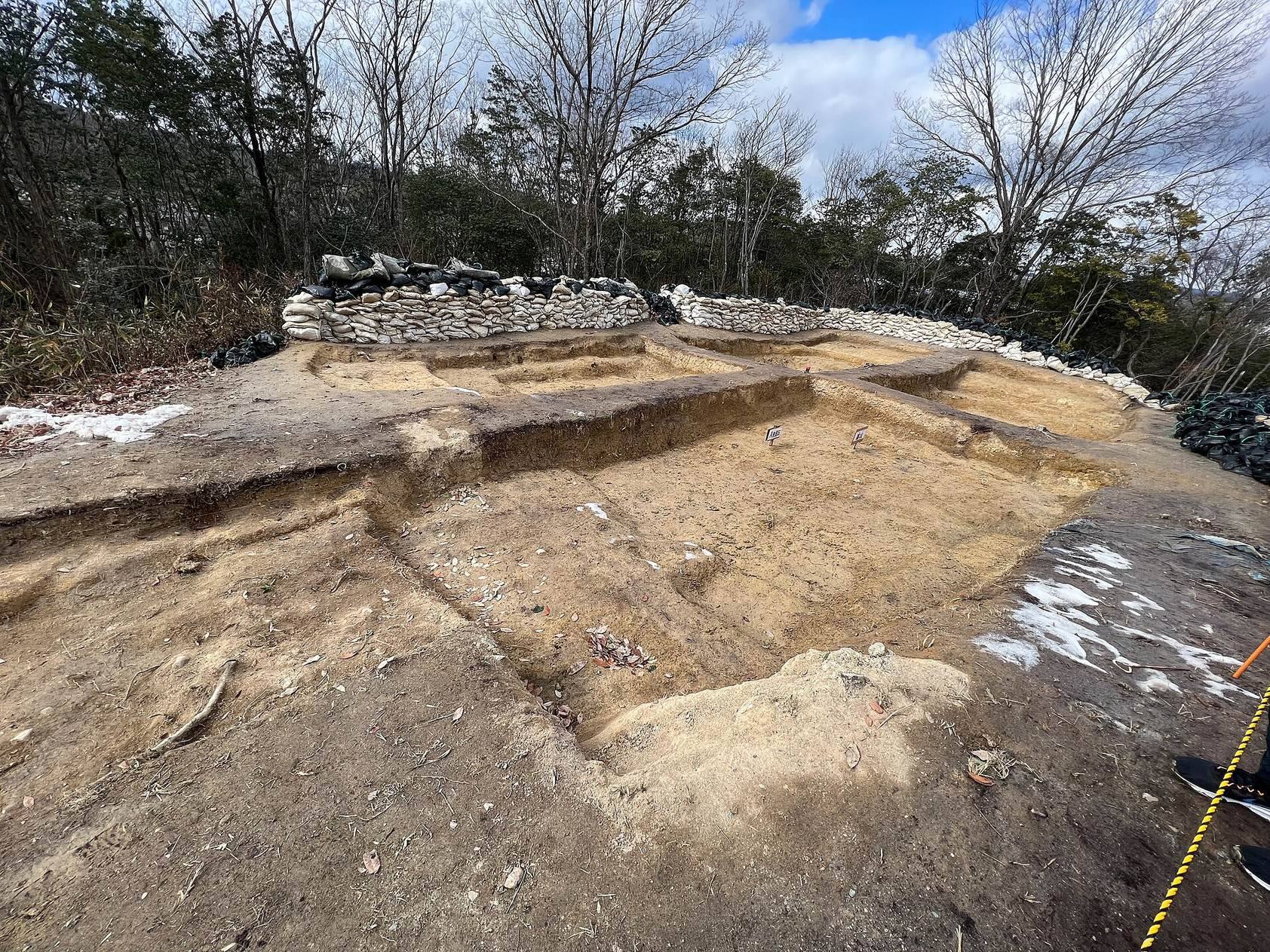
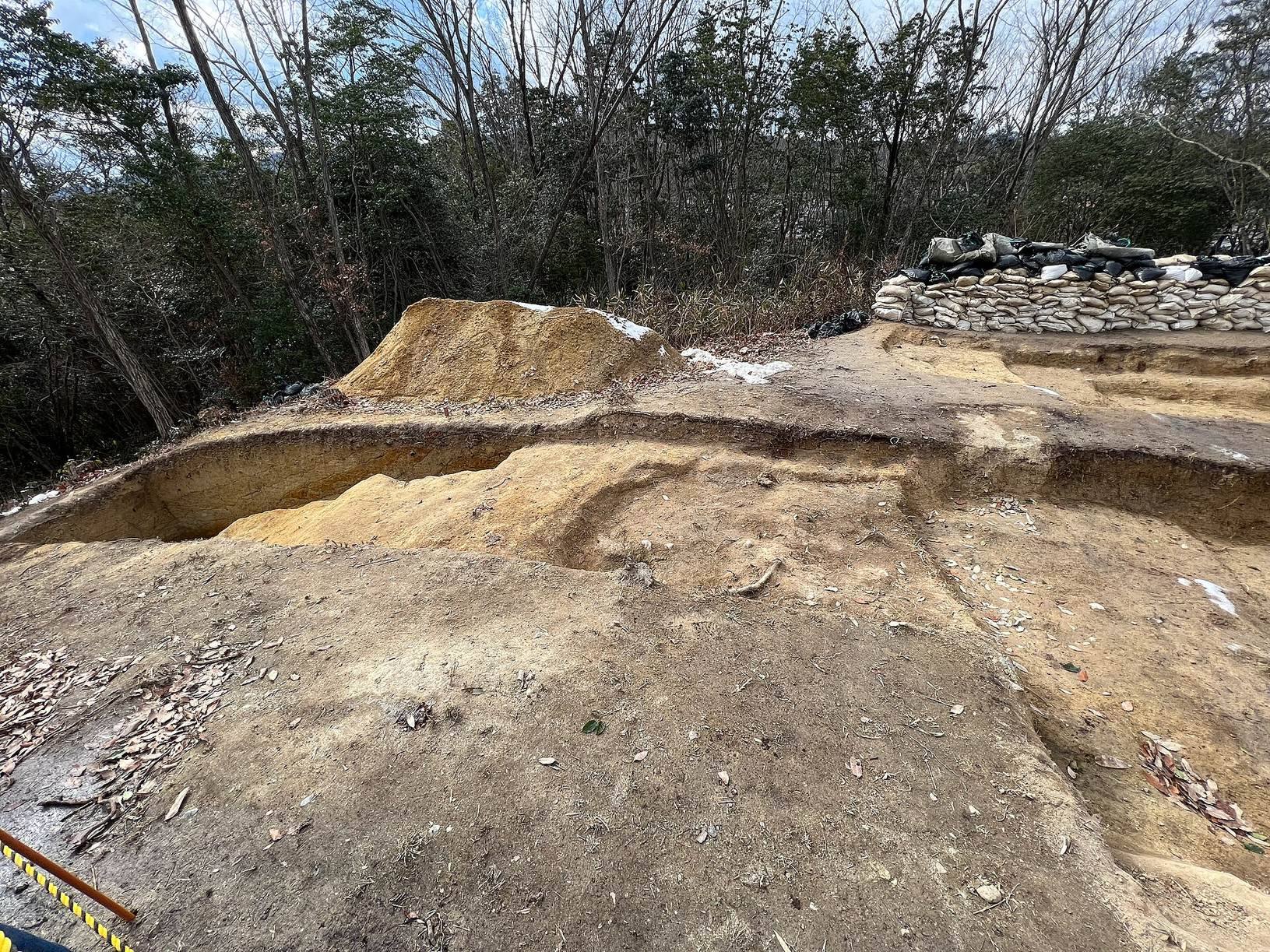
Site at a Glance
- Rating
- 4
- Popularity
- Low
- Country
- Japan
- Primary era
- Classical
- External website
- Open
- Eras represented
- Classical
- Civilizations
- Yamato
- Site type
- Burial
- Remains
- Burial Mound
On this page11 sections
History
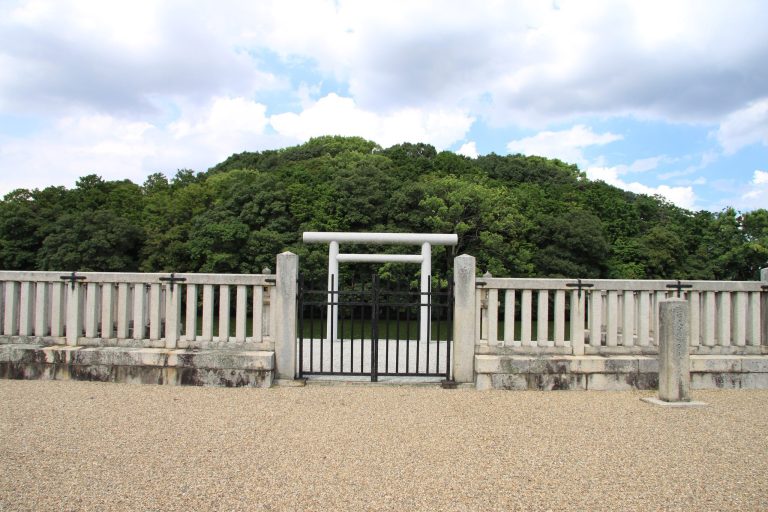
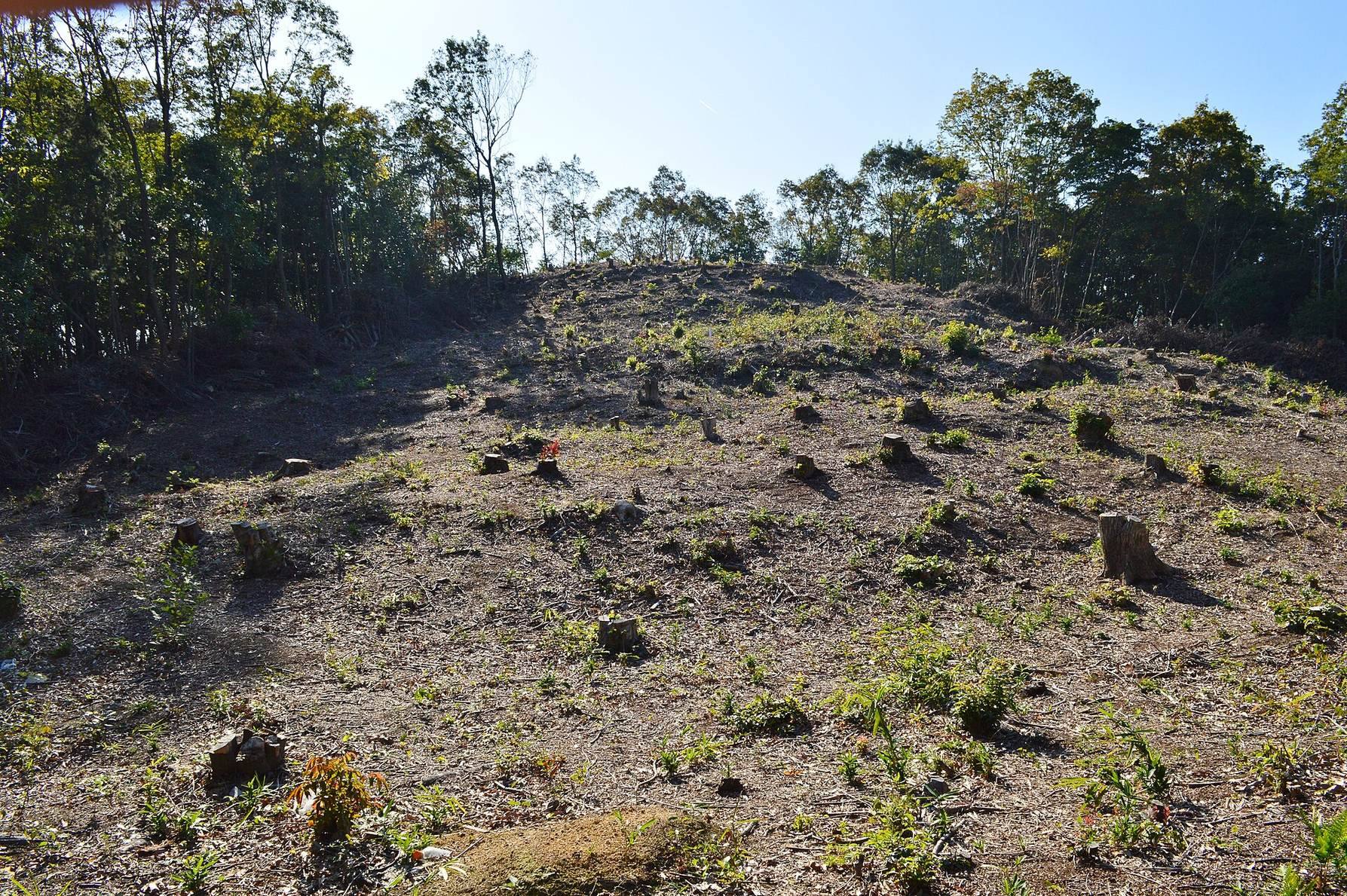
Tomio-Maruyama Kofun is a large burial mound in Japan, located at Maruyama in Nara and probably built during the latter half of the fourth century, in the later part of the Early Kofun period. The Kofun period was an era from approximately the third to the sixth centuries, marked by large elite burial mounds and the consolidation of regional political power. Tomio-Maruyama Kofun is now recognised as the largest known circular burial mound in Japan.
Early investigations
The mound was looted during the Meiji period, and numerous burial goods were recovered. The Nara Prefectural Archaeological Institute of Kashihara carried out a measurement survey and excavated the burial facility at the summit in 1972. Further investigation of part of the mound followed in 1982.
Recent discoveries
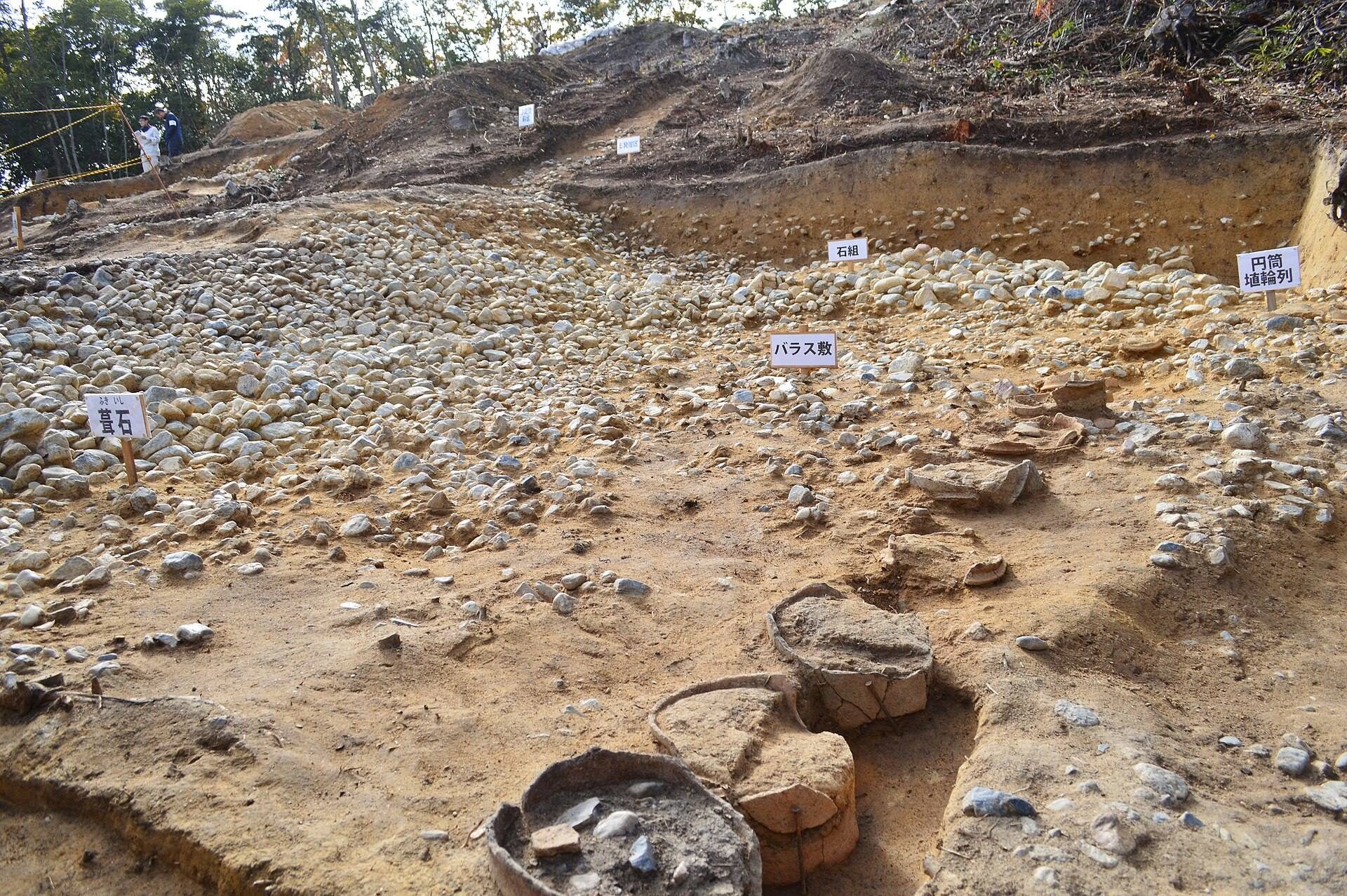
An aerial three-dimensional survey took place in fiscal 2017. From fiscal 2018 onward, the Nara City Board of Education conducted excavations as part of investigations intended to support designation as a national historic site, a Japanese legal status recognising a place of national historical importance.
In October 2022, excavation uncovered a second clay-lined burial facility in the projecting feature on the mound’s northeastern side. The discovery, together with a 2.37-metre serpentine sword and an unprecedented shield-shaped bronze mirror, was announced publicly in January 2023 and was regarded as a major discovery. The sword and mirror have also been characterised as evidence of exceptional Kofun-period craftsmanship.
Associated mounds and cultural-property records
The smaller Maruyama No. 2 and Maruyama No. 3 kofun were identified northeast of the main mound and have been preserved with Tomio-Maruyama Kofun. In January 2026, scientific analysis confirmed that three triangular-rimmed mirrors formerly treated only as purported finds from the mound were grave goods from Tomio-Maruyama Kofun. The mirrors had been bought by the Tenri Sankokan Museum from an antiquities dealer in 1955 and are thought to have entered the antiquities market after being looted before the Meiji period.
Objects traditionally attributed to the mound and held by the Kyoto National Museum were designated National Important Cultural Properties in 1957. The three mirrors at the Tenri Sankokan Museum are designated Important Works of Art. A theory that another triangular-rimmed mirror, inherited by Mirokuji Temple, came from Tomio-Maruyama Kofun has become less accepted because its date clearly differs from those of the confirmed mirrors.
Remains
Tomio-Maruyama Kofun is a circular, three-tier mound measuring 109 metres in diameter. It stands on the right bank of the Tomio River in the northern Nara Basin. Stone facing and fragments of haniwa survive on the outer surface. Haniwa are ceramic funerary objects placed on or around burial mounds, sometimes shaped as cylinders, figures, or objects. A projecting feature extends from the mound’s northeastern side and contains a separate burial facility.
Mound and burial facilities
Central burial facility
The central burial facility is lined with specially prepared clay, which enclosed or supported the coffin. It contained what is thought to have been a split-bamboo-shaped wooden coffin measuring just under 6.9 metres in length. This type of coffin was long and wooden, with a form resembling a lengthwise section of bamboo.
Northeastern burial facility
The northeastern projecting feature has the same three-tier construction as the main mound. Within it is a second clay-lined burial facility approximately 6.4 metres long and 1.2 metres wide, with a wooden coffin identified inside. A 2.37-metre serpentine sword was found in the clay layer covering the coffin. A serpentine sword has a deliberately curving or undulating blade rather than a straight one. Beneath the sword lay a shield-shaped bronze mirror whose elaborate design has no known parallel and has been characterised as a major achievement of Kofun-period craftsmanship.
Burial goods and associated objects
Weapons, ornaments, and haniwa
Finds from the mound include weapons, other iron objects, a tomoe-shaped bronze object, and representational haniwa. Objects traditionally attributed to Tomio-Maruyama Kofun and held by the Kyoto National Museum include stone objects, hoe-shaped stone ornaments, a lidded container, tubular beads, and bronze objects. Fragments of an excavated hoe-shaped stone ornament match a hoe-shaped stone ornament in that museum’s collection.
Triangular-rimmed bronze mirrors
Three triangular-rimmed bronze mirrors associated with the mound are held by the Tenri Sankokan Museum. This mirror type has a triangular-section rim and decoration featuring divine and animal imagery. One is a five-deity and four-beast mirror with a decorative pictorial band. Another is a four-deity and four-beast mirror bearing a maker’s inscription, while the third is a pictorial-band mirror with a coiled-dragon design.