Věžka Castle: A Historic Medieval Fortress in the Czech Republic
Visitor Information
Google Rating: 4.6
Popularity: Low
Country: Czechia
Civilization: Medieval European
Site type: Military
Remains: Castle
History
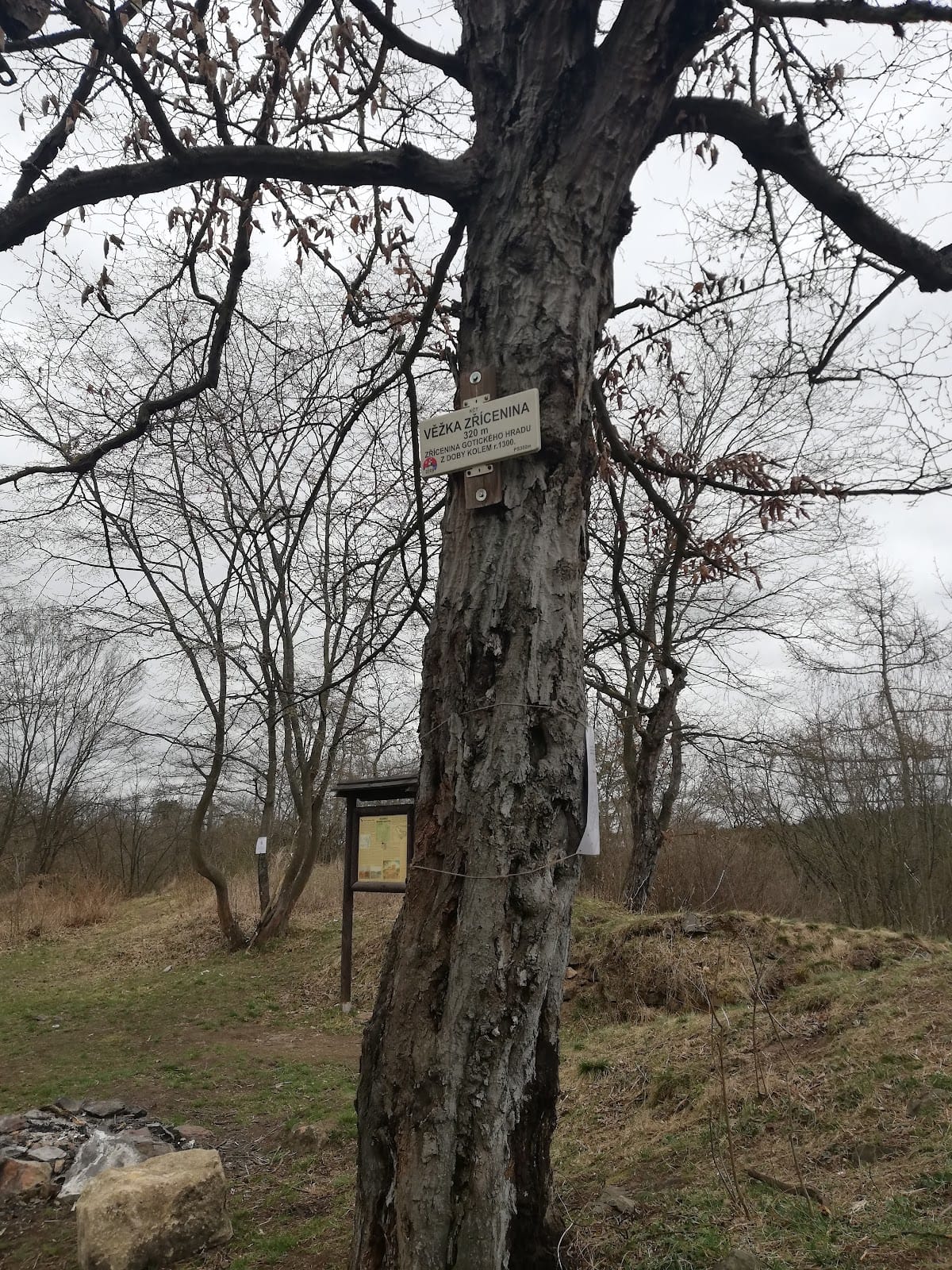
Věžka castle stands near the village of Druztová in the modern Czech Republic. Its location on a rocky outcrop was settled in prehistoric times, as shown by ceramic fragments from both the Eneolithic period associated with the Cham culture and the Late Bronze Age, uncovered during excavations in the 1960s.
The earliest written mention of Věžka dates back to 1351, identifying Racek of Švamberk as its builder and occupant. Racek ruled the estate, which included Druztová and Dolany villages, until his death in 1377. In memory of his first wife, Marie, he established the Church of St. Mary Magdalene nearby, developing a manor and parish there.
Following Racek’s death, ownership passed to Otík of Chrást, who became known for opposing King Wenceslaus IV. During his tenure, the castle endured a prolonged siege lasting about six months from 1405 to 1406, ultimately surrendering in the spring of 1406. Otík later regained control, and before 1410, his son Petr inherited the estate, expanding it to include the villages of Třemošná and later Nynice.
Petr aligned himself with the Hussite movement, which brought royal disfavor. In 1422, King Sigismund confiscated Věžka and granted it to the city of Plzeň. Nevertheless, Petr managed to reclaim the castle by 1434 and eventually transferred ownership to Přibík of Klenová. However, the castle’s active use came to an end in 1478 when it was destroyed by the forces of Matthias Corvinus.
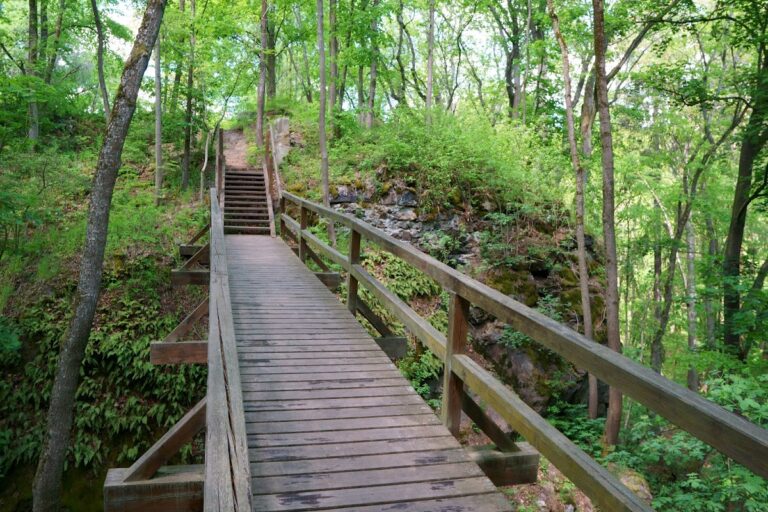
In the 20th century, the site attracted renewed interest. From 1962 to 1972, Václav Uchytil and a youth group worked to clear collapsed walls and build an access path. Artifacts recovered during this period, including pottery fragments and intact vessels, are preserved in the Plzeň museum’s collection. Since 2015, the Plzeň Center for Philosophy and Art has overseen ongoing site maintenance and condition assessments with official permission from heritage authorities and local officials.
Remains
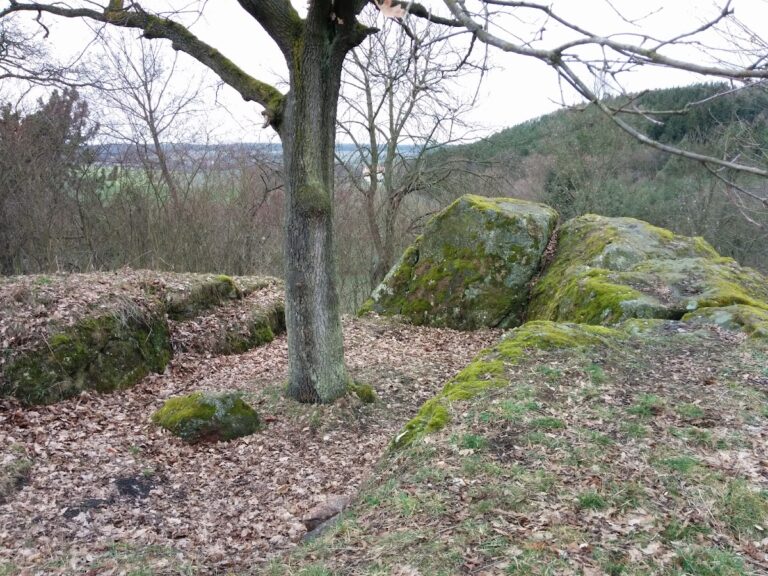
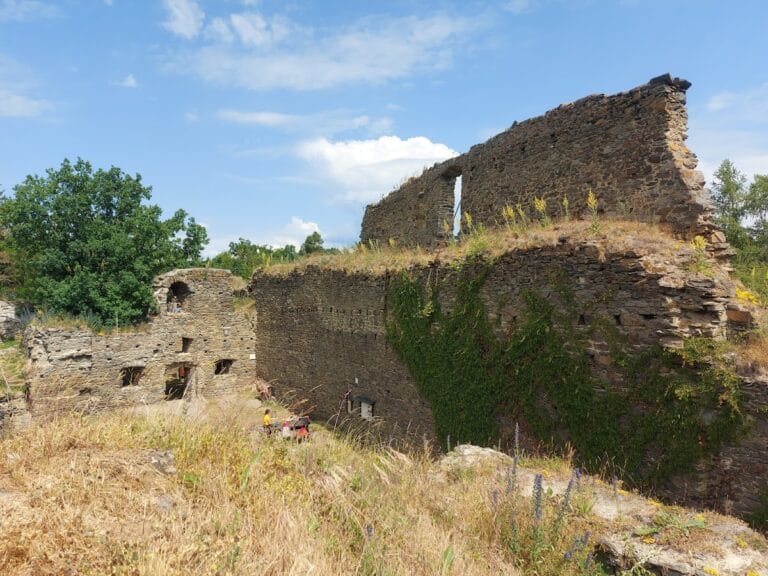
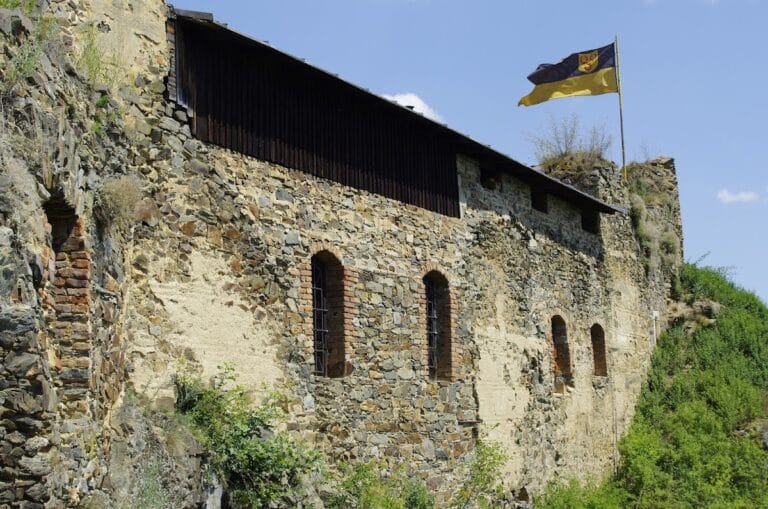
The castle occupied an elongated oval-shaped promontory oriented north-south, with buildings arranged on both sides of a central courtyard. The entrance was located in the southern section of the western building and was fortified by an outer gatehouse. The core of the castle lay in the southern area and likely featured a vaulted palace on the western side, which opened onto a narrow courtyard to the east.
Approximately 100 meters to the north of the main castle remains, there is a fortified promontory surrounded by a rampart. This earthwork is thought to be a forward bastion, rather than a siege fortification, due to its considerable size and strategic position.
Scholars have debated the castle’s structural design. One classification identifies Věžka as a castle enclosed by a curtain wall—a defensive stone wall surrounding the complex—while another expert suggests it functioned primarily as a palace without a tower, serving both residential and defensive purposes.
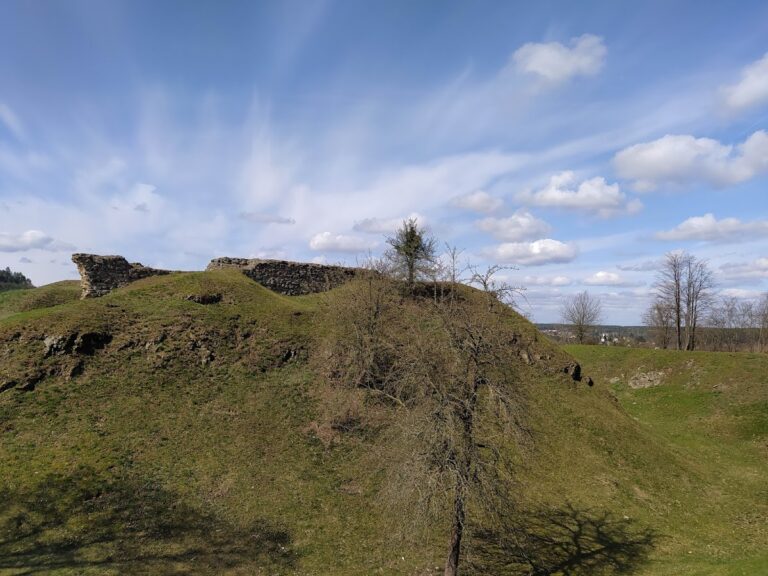
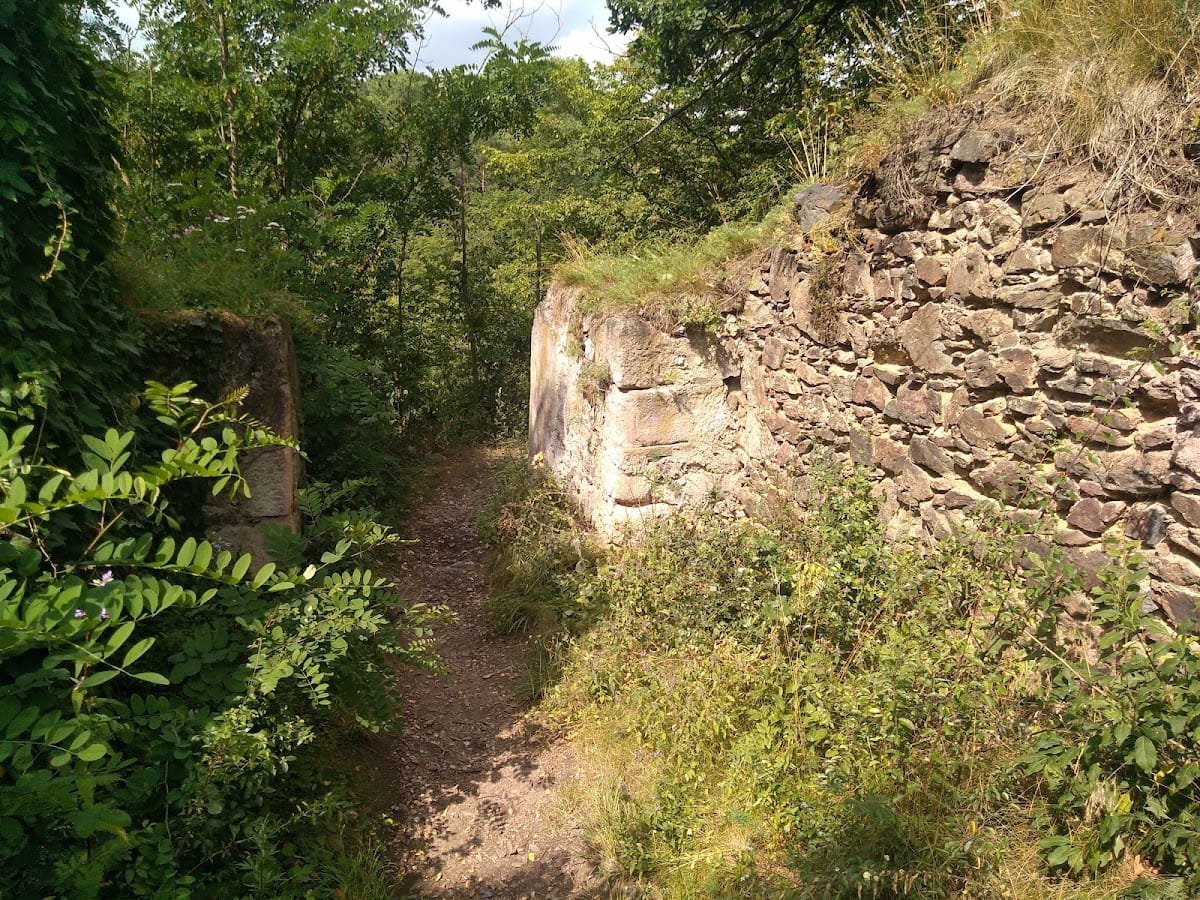
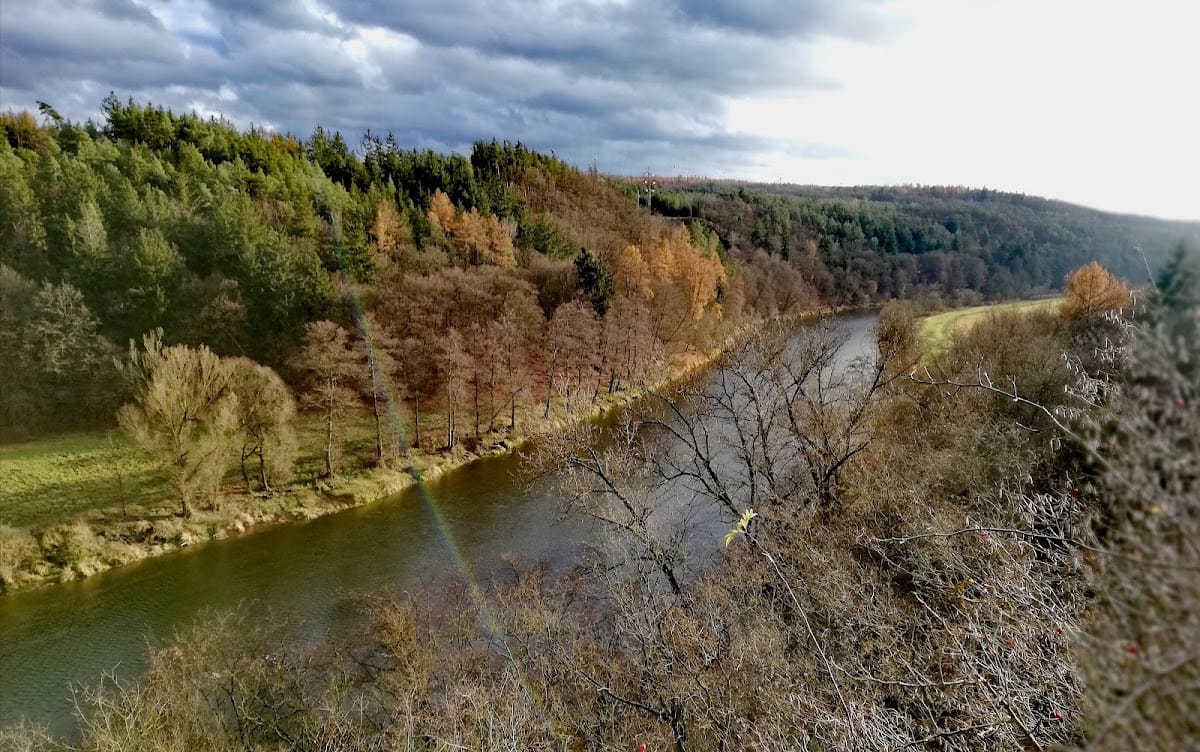
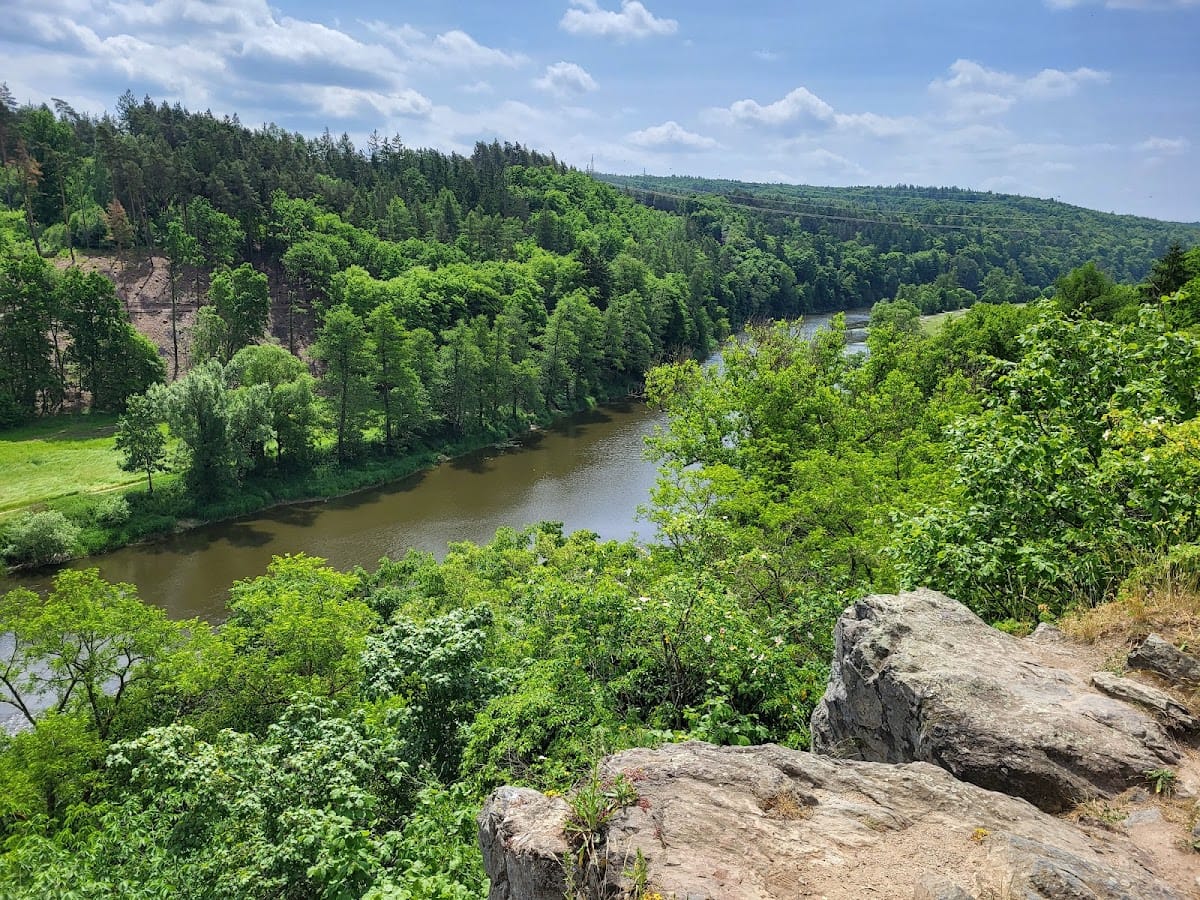
The masonry uncovered during the 1960s and 1970s remains largely unrestored and has suffered deterioration over time. Excavations revealed numerous ceramic fragments and vessels, providing insight into the daily activities of its former inhabitants. The castle ruins are embedded within the natural rocky terrain above the left bank of the Berounka River, integrating construction with the landscape’s contours. The site has been legally protected as a cultural monument since 1958.
Nearby sites