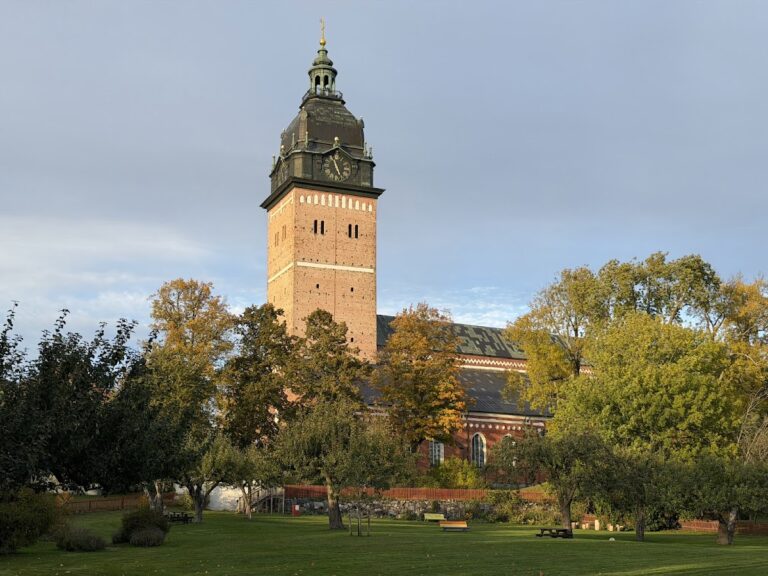
Torshälla Church: A Medieval Parish Church in Sweden
Site at a Glance
- Rating
- 4.3
- Popularity
- Very Low
- Country
- Sweden
- Primary era
- Medieval
- External website
- Open
- Eras represented
- Medieval, Early Modern, Modern
- Civilizations
- Swedish
- Site type
- Religious
- Remains
- Church
On this page6 sections
History
Torshälla Church is a medieval church in Sweden, originally erected and consecrated in the 12th century in the Romanesque style. It serves as the Lutheran town parish church of Torshälla parish within the Church of Sweden, Sweden’s national Lutheran church, in the Diocese of Strängnäs. The church was built at Torsharg, a pre-Christian Scandinavian sacrificial or sacred site.
Foundation and medieval enlargement
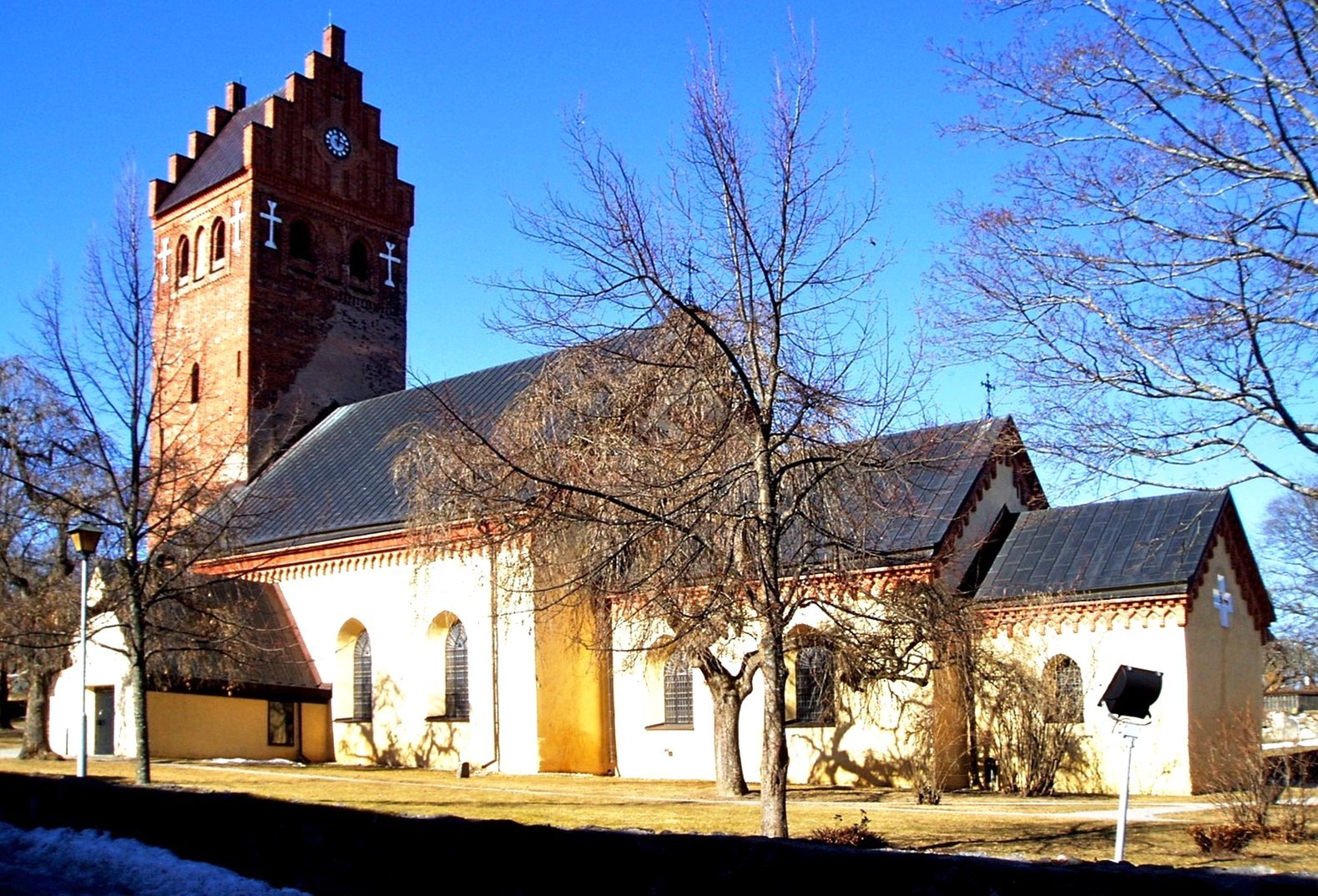
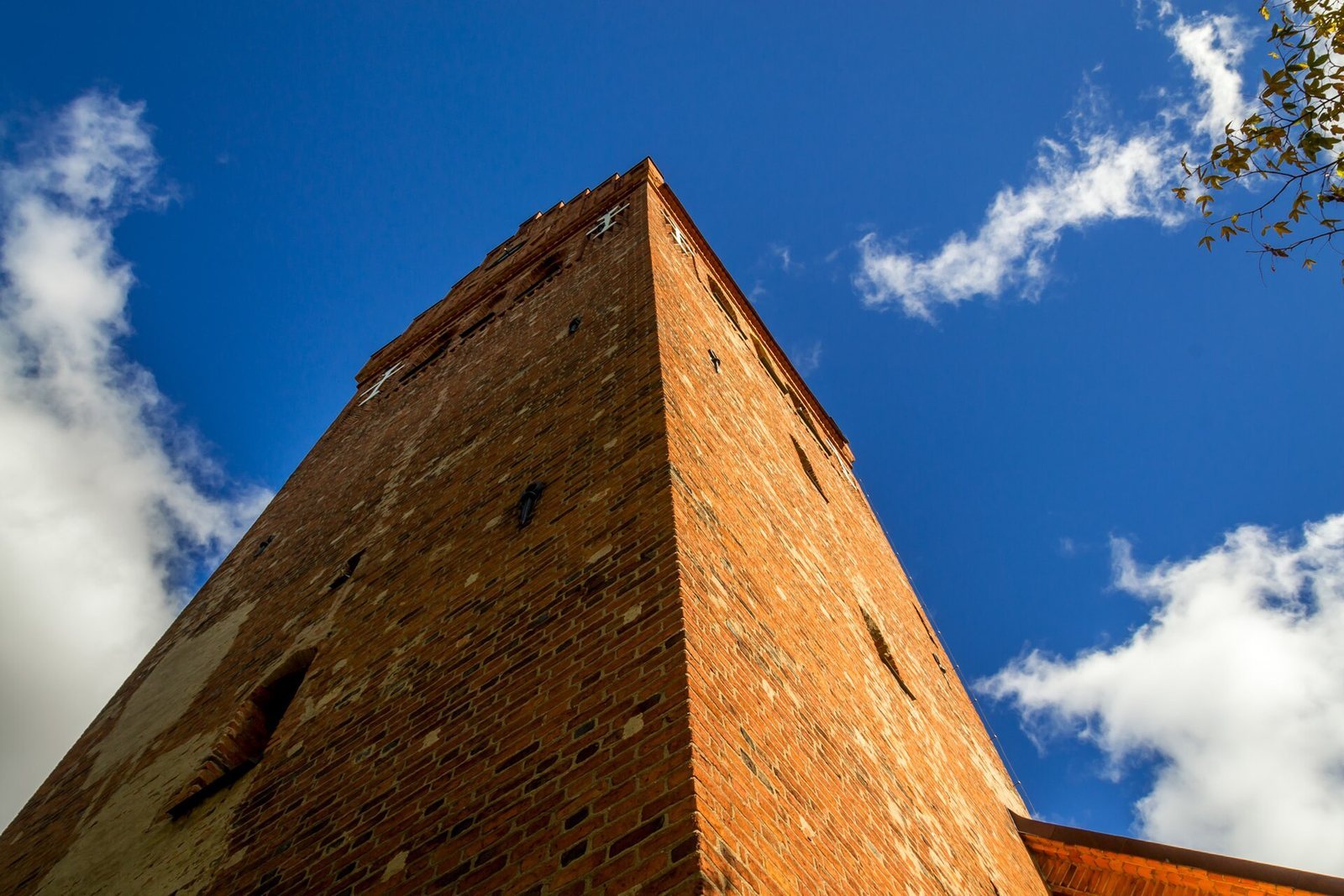
After Torshälla received city rights in 1317, the original church became too small for the growing population. A new nave was therefore added to the west, while the earlier nave was converted into a choir. During the 15th century, the church acquired its tower, church porch, and vaulted ceiling, completing the main medieval expansion of the building.
Later alterations and parish history
The tower spire was rebuilt in 1614 and reached a height of 92 metres. It served as a navigational landmark on nearby Lake Mälaren and made the church one of Sweden’s tallest buildings at that time. Lightning struck the church in 1873, causing a fire that destroyed the spire and roof. Both were replaced, and the church received the lower brick gabled roof that survives today. A burial vault was built along the south wall during the 17th century for the family of Reinhold Rademacher, an early industrialist who founded Eskilstuna’s iron-working industry.
Remains
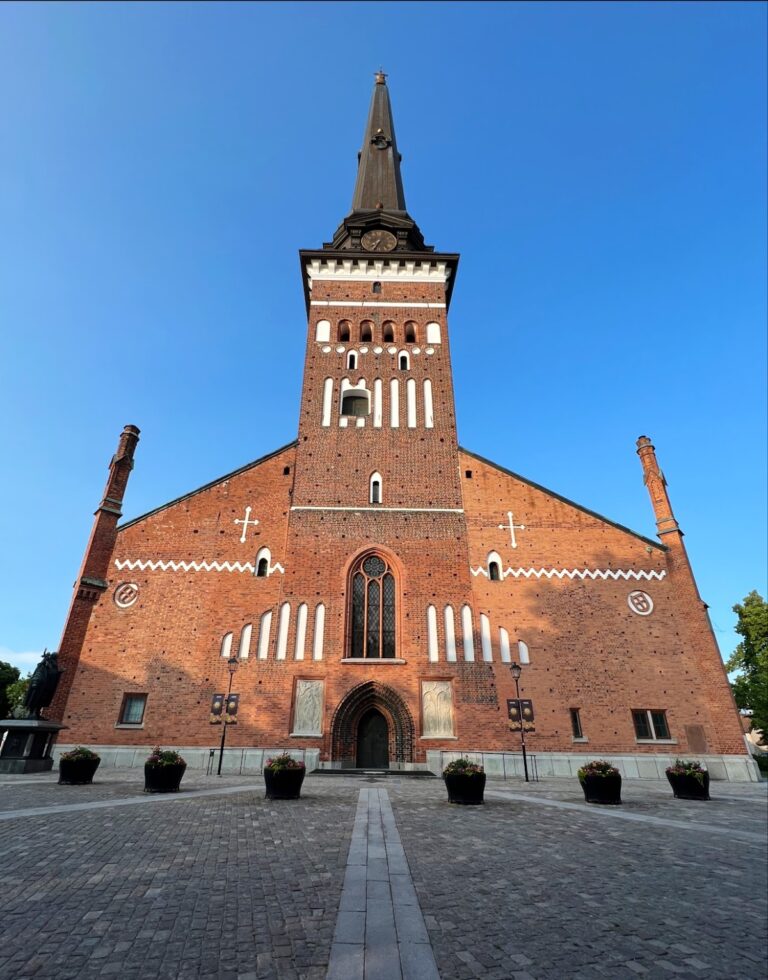
Torshälla Church stands at Rådhustorget market square. Its surviving form combines a 12th-century Romanesque core with the western nave added after the town received city rights. The earlier nave now functions as the choir. The Romanesque style is characterized by massive walls, rounded arches, and relatively small openings. The tower, church porch, and vaulted ceiling belong to the 15th-century additions, while the present roof is the lower brick gabled structure installed after the 1873 fire.
Medieval paintings and sculptures
Inside the church are wooden sculptures of Saint Bridget of Sweden, Saint Catherine of Vadstena, Saint Gertrude, and Saint George. Saint Bridget was a 14th-century Swedish religious visionary and founder of the Bridgettine Order, while Saint Catherine was her daughter and a leader of that order. Preserved 15th-century ceiling paintings are attributed to Albertus Pictor, a late-medieval Swedish painter known for biblical and religious scenes. Among the paintings is Abraham reading while wearing eyeglasses, described as Sweden’s oldest known depiction of glasses.
Burial features
The 17th-century Rademacher burial vault remains along the church’s south wall. The churchyard also contains the burial of Adolf Zethelius, an industrialist and founder of Nyby bruk, an ironworks.