Saint Nicholas Church: A Gothic Parish Church in Slovakia
Site at a Glance
- Rating
- 4.6
- Popularity
- Very Low
- Country
- Slovakia
- Primary era
- Medieval
- External website
- Open
- Eras represented
- Medieval, Early Modern
- Civilizations
- Hungarian
- Site type
- Religious
- Remains
- Church
On this page9 sections
History
Saint Nicholas Church is a Roman Catholic church in Bánovce nad Bebravou, Slovakia, whose present Gothic building is generally dated to the first third of the fifteenth century. It belongs to the Diocese of Nitra and the Western Province, and is associated with the local parish and deanery. The church is dedicated to Saint Nicholas, a fourth-century Christian bishop traditionally associated with charity and the protection of children, sailors, and travelers.
Medieval origins
Local tradition places the beginning of construction in 1149, on the initiative of Mikuláš, bishop of Nitra. According to the same tradition, Bishop Eduard completed the work with the assistance of Archbishop Jób. These ecclesiastical figures probably did not build the church that survives today. Its present construction is instead generally placed in the first third of the fifteenth century.
The later church may have replaced an earlier Romanesque sacred building. A proposed date as early as 1198 was not supported by sufficient evidence, but a record from 1232 offers an indication that Christian worship already had an established place in Bánovce. It states that the parish priest Ján paid a fee of 14 groš, the highest amount among the surrounding parishes, suggesting that a church existed in the settlement before that date.
Reformation and return to Catholic use
From the middle of the sixteenth century into the second half of the seventeenth century, the Reformation, the movement that divided Western Christianity and established Protestant churches, brought a change in the church’s use. Protestants worshipped there during this period. In the unrest connected with the Rákóczi movements in Hungary, the church was taken from the Catholics. It was returned to them in 1709.
Repairs and protection
After a lengthy period of neglect, the church underwent extensive repairs. In 1989, on the initiative of the local dean, Monsignor ThDr. Kapusta, the wooden shingles covering the church and tower roofs were replaced. The tower’s wooden framework and rafters were also conserved, and the altar was restored the following year. In the early 1990s, the Nitra artist Juraj Novák added artistically designed wrought-iron grilles to the windows and entrance area.
Saint Nicholas Church was designated a Slovak national cultural monument and entered in the heritage register on 28 May 1963. This status recognizes the building as part of Slovakia’s protected cultural heritage.
Remains
Church layout and exterior
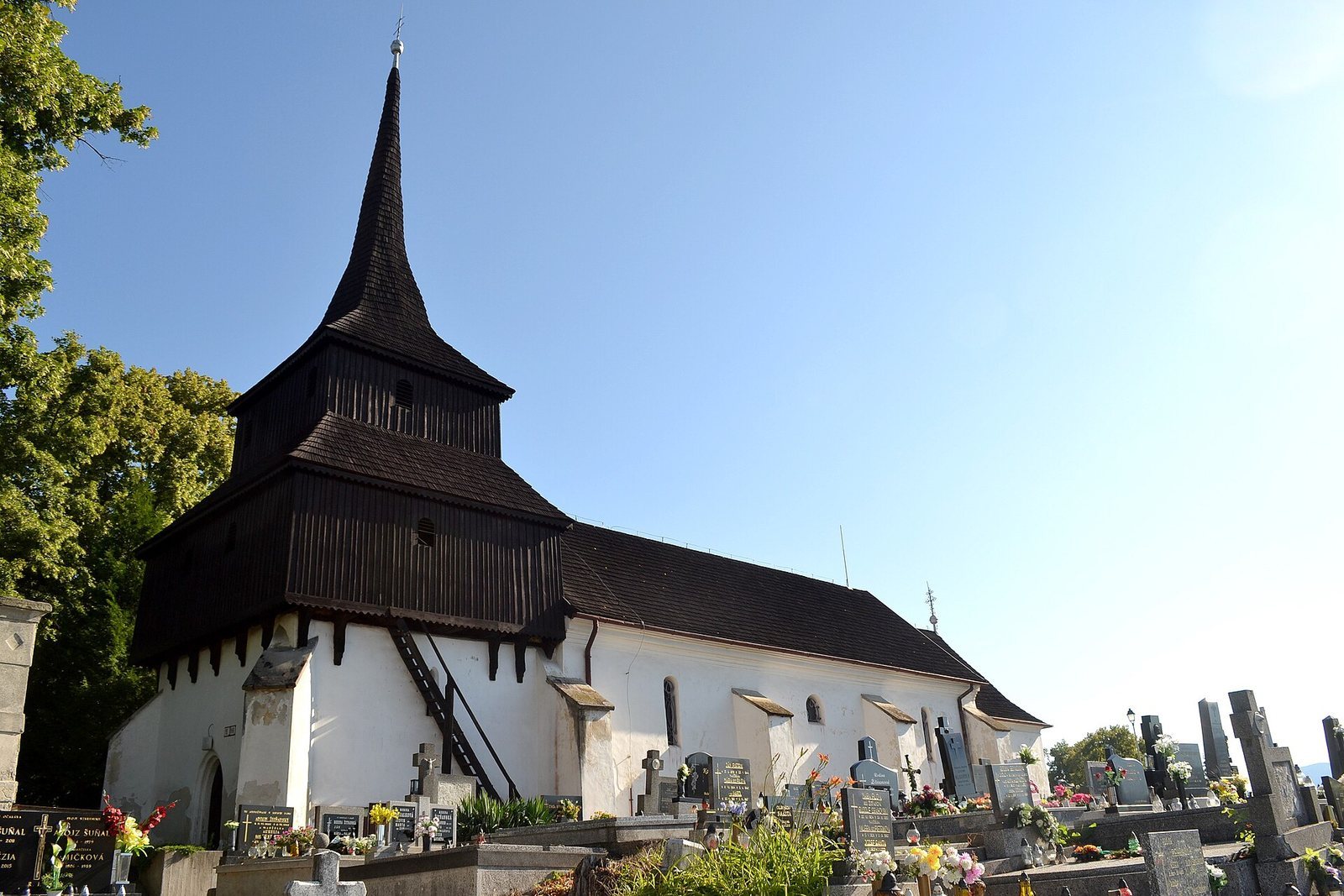
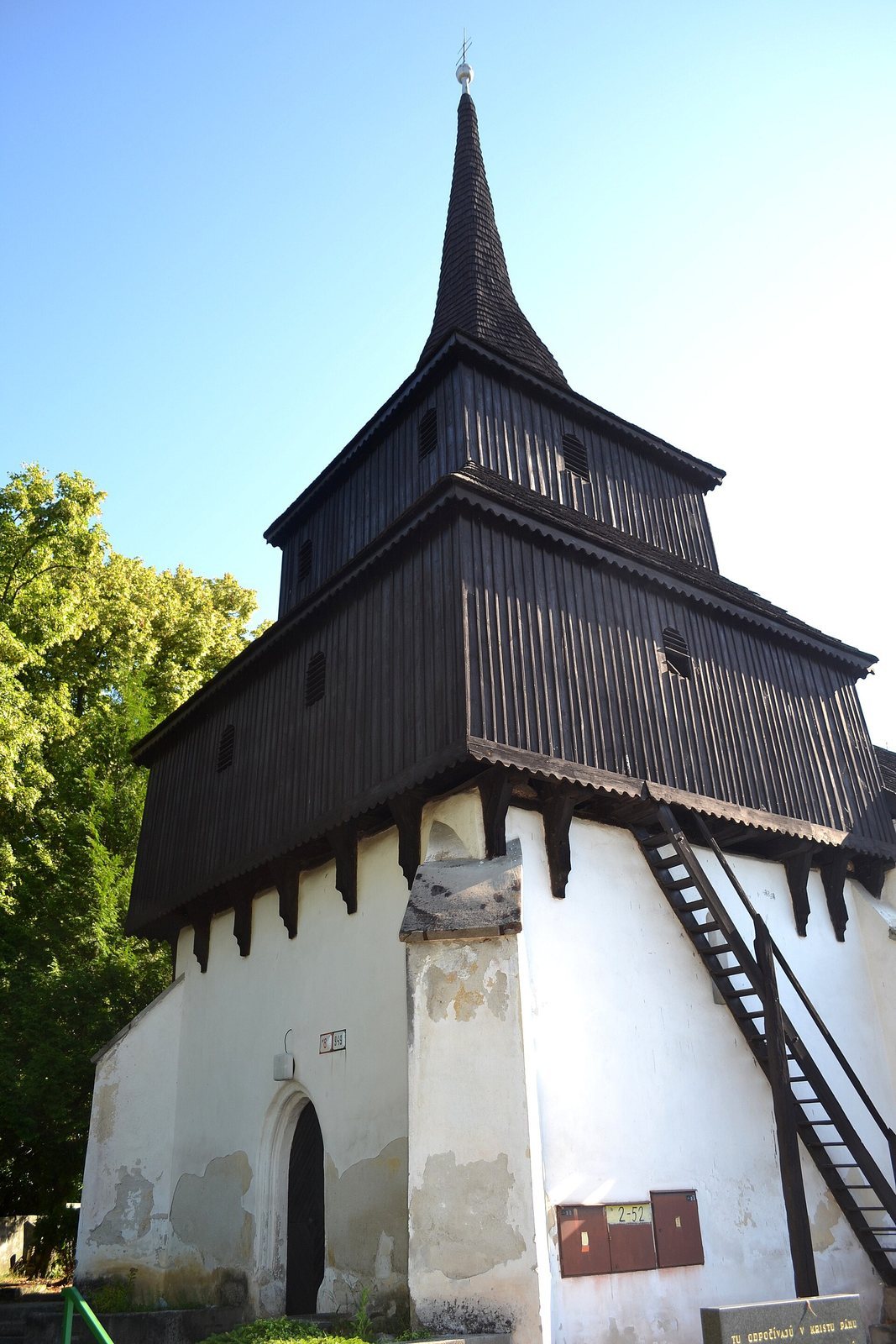
The church stands on a hill in the northeastern part of Bánovce nad Bebravou, within a cemetery. Built of stone, it follows a Gothic arrangement centered on the main nave, the principal space for the congregation, together with a sanctuary, the area around the main altar. The rebuilt tower, entrance portal, built-in sanctuary seats known as sedilia, and related elements preserve the building’s medieval character. The nave is lit by six windows, while the sanctuary has a vaulted ceiling. In 1808, the nave received a new outer cladding.
Interior furnishings
The interior brings together furnishings from several periods. A masonry pulpit from the end of the seventeenth century represents the Renaissance, a style that revived forms associated with classical antiquity. The sacristy, a room for clergy vestments and liturgical objects, was extended in the Baroque period. A notable Classicist altar dedicated to Saint Nicholas dates from the end of the eighteenth century. Classicism favored restrained designs based on classical models. The church also contains an eighteenth-century Baroque wooden sculpture of the Crucified Christ, painted in several colors, and a small four-register organ in the choir, the area associated with singers or an organ.
Crypts and burial traditions
Period crypts occupy the basement of the church. One is traditionally said to contain the remains of Tobiáš Baticius, who died in 1527 and was the first rector of the local evangelical grammar school.
Another local tradition concerns Ján Crispich, the parish priest of Pravotice. He is said to have been killed and buried in front of the church doors in 1663 while trying to flee from Ottoman forces moving through the Bánovce basin toward the Považie region.
Cemetery enclosure and bells
Part of the churchyard is enclosed by an older stone wall. Later cemetery monuments include sandstone folk gravestones from the eighteenth and nineteenth centuries, probably produced by stonemasons from the locality.
Three bells made in 1920 hang in the church tower. The largest is named Andrej-Benedikt, the middle bell is Cyril-Metod, and the smallest is Saint Joseph. The Saint Joseph bell is traditionally known as the death bell.