Theban Tomb 39: A New Kingdom Tomb for Puyemre and His Family
Site at a Glance
- Rating
- 3
- Popularity
- Very Low
- Country
- Egypt
- Primary era
- Bronze Age
- Eras represented
- Bronze Age
- Civilizations
- Egyptian
- Site type
- Burial
- Remains
- Tomb
On this page17 sections
History
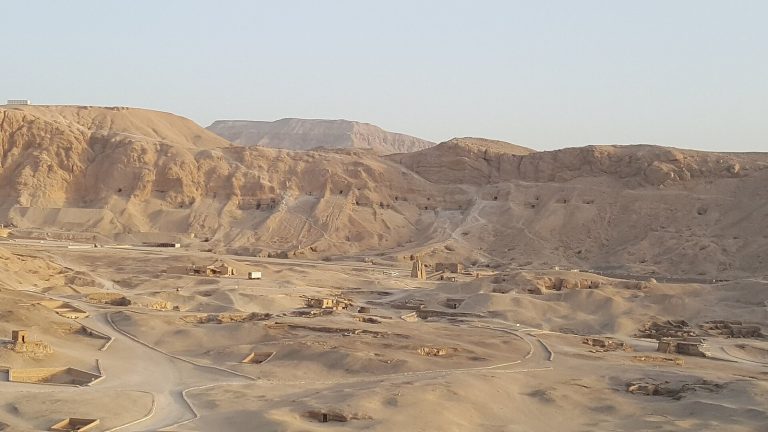
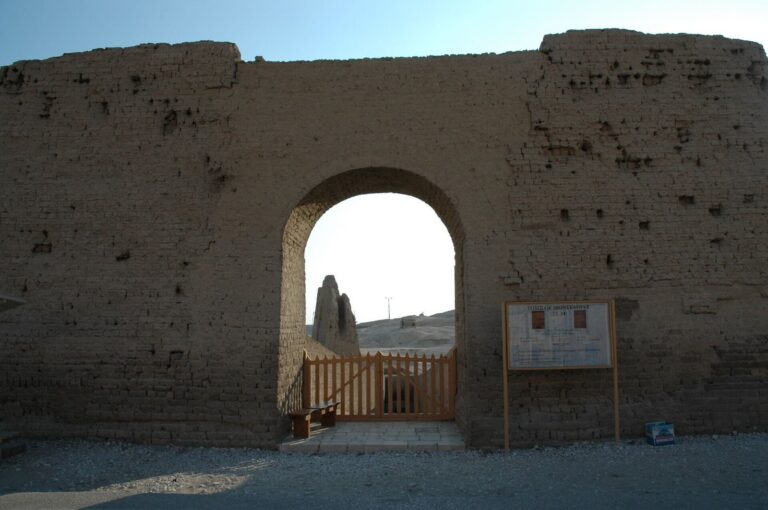
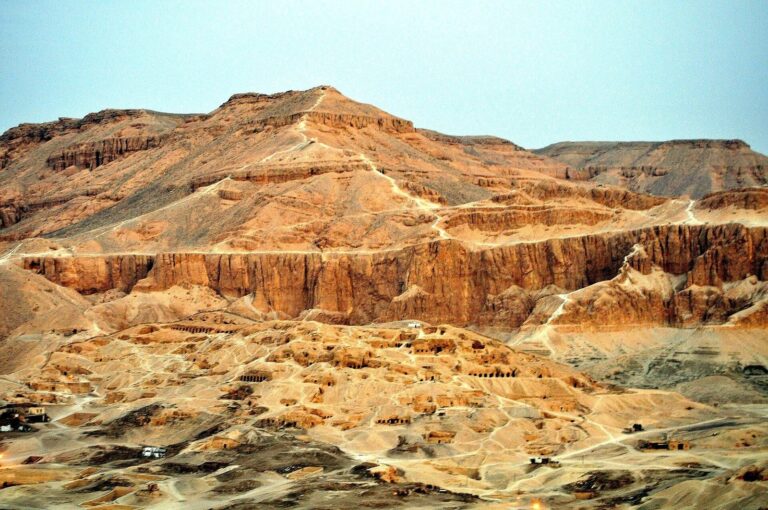
Theban Tomb 39 is a private rock-cut tomb in the El-Khokha area of the Theban Necropolis, on the west bank of the Nile opposite Luxor in Egypt, near Hatshepsut’s temple at Deir el-Bahari. It dates to the Eighteenth Dynasty of the New Kingdom, a major period of ancient Egyptian history, during the reign of Thutmose III. The tomb was made for the official Puyemre and was also intended for his family, including his wives Tanefert and Senseneb.
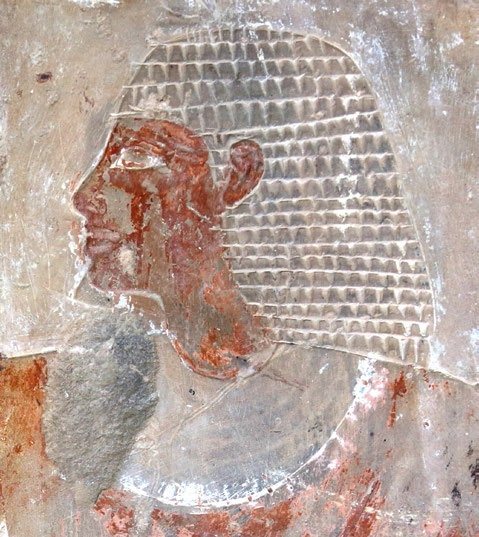
Puyemre, the son of Puia and Neferioh, served as Second Prophet of Amun, a senior priestly office in the cult of the major Egyptian deity, under the high priest Hapuseneb. Earlier, during Hatshepsut’s reign, he supervised external works at her temple at Deir el-Bahari. That responsibility suggests he may have had architectural expertise; B. Engelmann von Carnap characterized him as the temple’s builder. Senseneb held a senior priestly position in Amun’s temple. The two women were each represented separately with Puyemre in the tomb’s painted scenes.
Remains
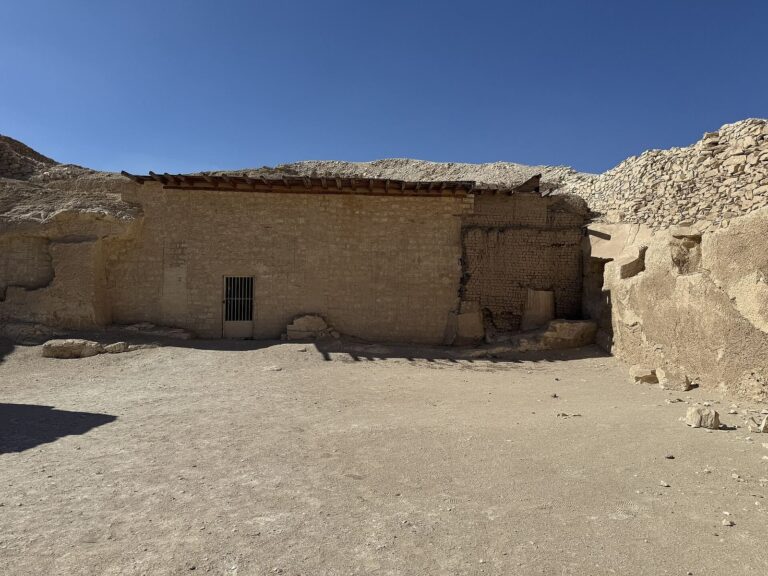
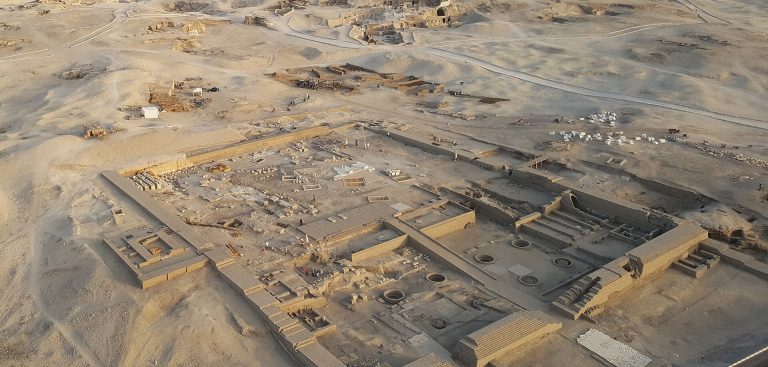
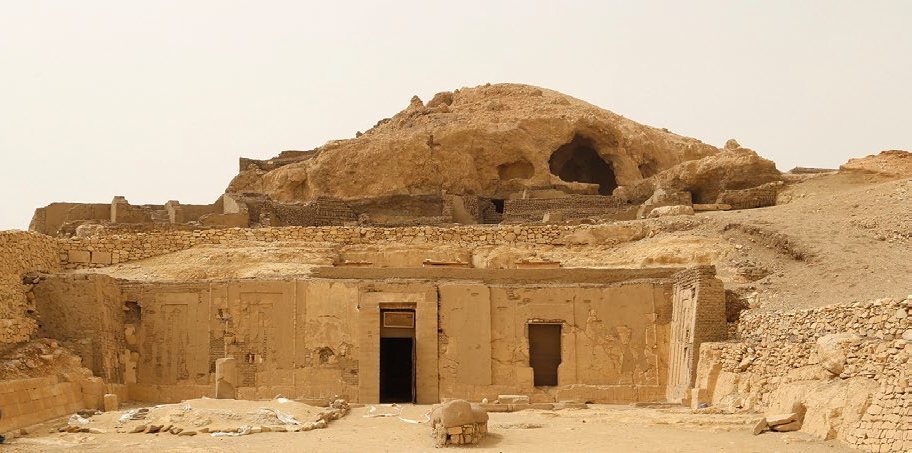
The tomb’s rock-cut plan consists of a columned portico, a crosswise hall, and three chapels, arranged on the northwest side of the hall. Two short corridors connect the portico with the hall. This layout differs from the more usual Eighteenth-Dynasty T-shaped tomb, in which a passage and a crosswise hall form a T-like plan.
Façade, portico, and courtyard
Façade and planned space
The façade had false doors, symbolic door-shaped features rather than usable entrances, set at intervals alongside rounded tablets. Its surface sloped backward and carried incised, monochrome inscriptions. A concealed space was planned 4.5 metres above the level of the false doors, but the rock there proved too hard to cut. Flat stones 12 to 15 centimetres thick were considered as an alternative support.
Portico and courtyard
Columns support the portico roof and bear texts dedicated to Puyemre. The portico was reconstructed because of its age and fragility. Eight stelae, upright inscribed or decorated stone slabs, stood in the courtyard. Six, identified as A, B, C, E, F, and G, carry autobiographical texts; the other two, D and H, survive in fragments. Remnants of painted scenes between the columns include a banquet and two priests attending Puyemre.
Transverse hall
Garden, workshops, and labor
One of the two short corridors leading to the hall bears an image of Puyemre. Within the hall, a scene shows him with colleagues beside surviving text, while others depict a garden and bearers carrying produce and livestock. Six bands of imagery show workers connected with Amun’s temple, including bow- and chariot-makers, goldsmiths, carpenters, jewellers, potters, and agricultural laborers ploughing.
Banquets and treasury records
Other hall scenes show a funeral banquet, with women playing lyres, and the recording of southern produce for Amun’s treasury. The goods include livestock, gold, ivory, baboons from Nubia, and linen from southern Egypt. On a short wall, religious and autobiographical texts accompany two priests and what may be offering lists.
Scenes of exchange and family life
Weighing, gifts, and foreign visitors
At one chapel entrance, an associate presents Puyemre with a cartouche-shaped vessel, shaped like the oval enclosure around a royal name in Egyptian writing. Puyemre weighs gold and incense intended for the temple and checks them against a list. A separate scene shows him receiving official gifts from tributaries and foreign visitors, including obelisks, flower-decorated vessels, and chests. Another image places four foreign leaders at the weighing and presentation of gold that the king dedicated to Amun for two obelisks. It does not establish that the leaders brought the gold; they may instead be attending as representatives. Their presence has been interpreted as evidence of friendly, rather than tributary, relations between Egypt and Aegean peoples during the Late Bronze Age, the second millennium BCE. The identification of one figure as Aegean and the second from the right as Keftiu, a name commonly associated with Crete or the Aegean, remains interpretive.
Regional goods and payments
A scene arranged in several bands shows goods arriving from Retenu, an Egyptian term for lands in the Levant; the Road of Horus, a route across Sinai linking Egypt and the Levant; the oases; and Punt, a region known to Egyptians through trade and expeditions. Other images show Nubians bringing products of their land, principally for Amun’s temple at Karnak. Payments are also represented from the oases, the Syrian-Palestinian region, and Sinai.
Family, estate, and landscape
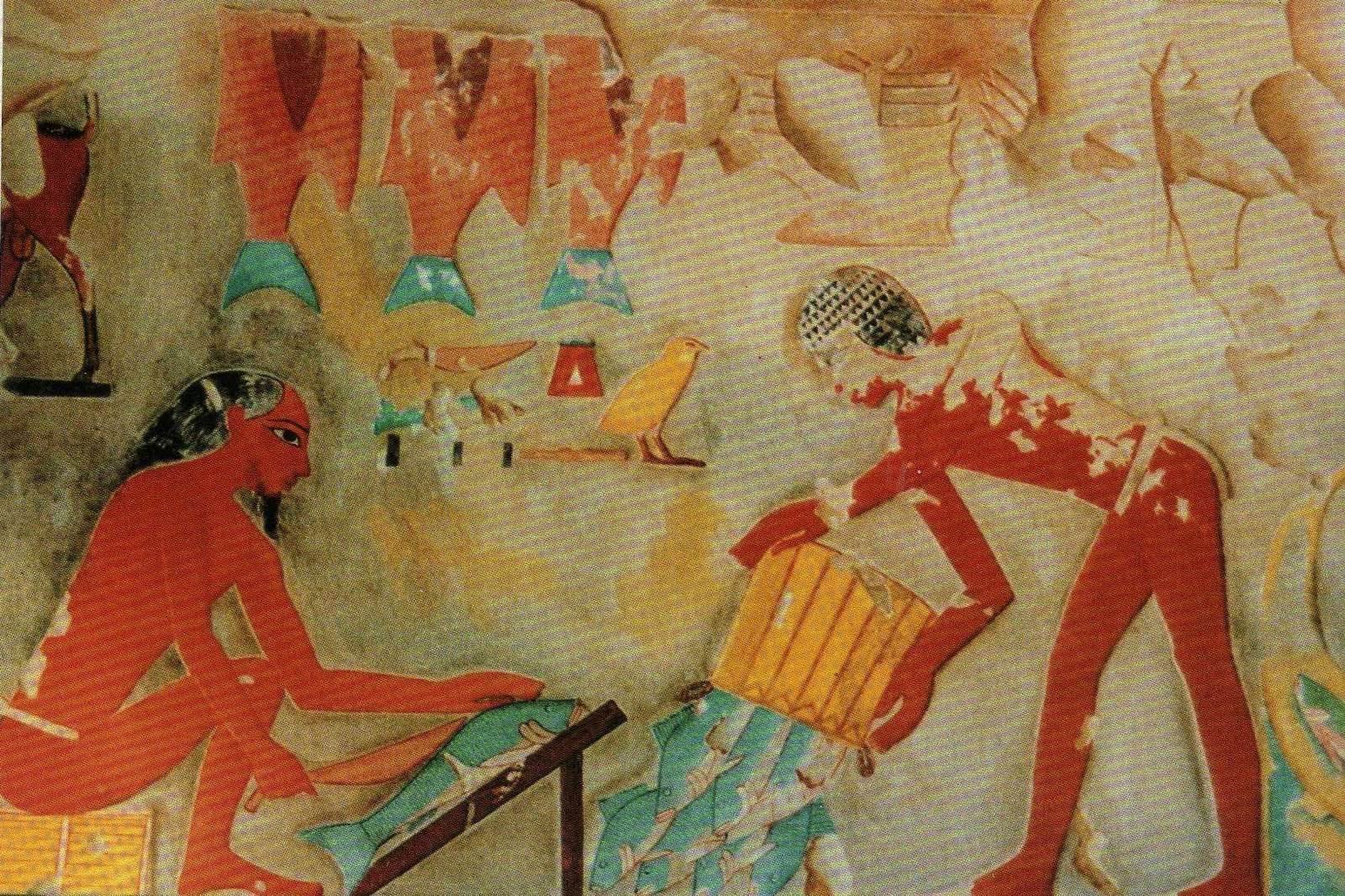
Painted scenes show a man offering to Puyemre’s parents, Puyemre with Senseneb, and Puyemre hunting on foot in the desert. Elsewhere he inspects Delta produce with Tanefert, hunts a hippopotamus, and hunts and fishes with his family. Senseneb inspects offerings that include geese, ducks, cranes, other birds, fish, and cattle. Other scenes depict grape harvesting and pressing, and a son presenting flowers to Puyemre and Senseneb as Puyemre addresses the living.
Three chapels
South chapel
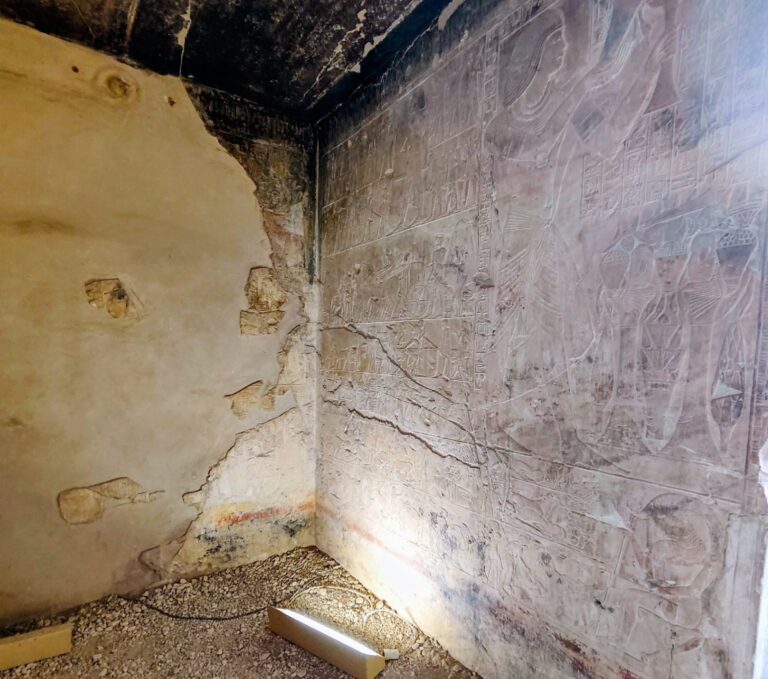
Texts remain in the corridor of the south chapel. Its walls show sons and daughters bringing New Year gifts for Puyemre and his wives, with Senseneb on one wall and Tanefert opposite. At the back, a niche framed with text contains paintings of Puyemre and both women seated together.
Central chapel
The approach to the central chapel includes a corridor scene of a son carrying flowers, alongside musicians and singers. On the chapel walls, a priestess of Hathor and Puyemre burn fragrant oils before a priest. Another priestess offers him a sistrum, a ritual rattle; a sem priest, who performed specific rites including funerary ceremonies, offers nine sacred oils, while a lector priest recites ritual texts. A short passage with surviving offering-bearers leads to a small shrine. Its walls carry offering lists and ritual scenes of Puyemre and his wives, as well as Puyemre kneeling before the Goddess of the West, identified as Hathor-Mertseger, a protective deity associated with the Theban Necropolis.
North chapel
Offering-bearers, a funeral procession, and a pilgrimage to Abydos, an important Egyptian religious and burial centre, extend from the entrance corridor onto the north chapel’s inner walls. The opposite wall has offering lists and ritual scenes. At the rear, two jackal-shaped figures of Anubis, the god associated with embalming and funerary rites, stand above remains of a stela showing funerary equipment being carried; ritual texts also survive. The procession has parallels in TT81, TT71, and TT100, and was a popular Eighteenth-Dynasty motif. Its bearers are titled “overseers of the mr(w)t-people,” an Egyptian category whose precise meaning is uncertain. In the Chapel of Hatshepsut, seven of fifteen men have the related title “scribes of an overseer of the mr(w)t-people.” Incense, linen, animals, and figures of Iunmutef, a ritual figure in funerary ceremonies, and Thoth, the god of writing and wisdom, have been interpreted as a departure from earlier Old and Middle Kingdom offering scenes. Such processions also had symbolic and magical significance.
Objects associated with the tomb
Several objects have been linked to TT39 with differing degrees of certainty. The lower part of a statue, probably from the central chapel shrine, is at the Metropolitan Museum of Art. The Egyptian Museum in Florence holds the lower part of a seated statue of Puyemre, probably from the tomb, while a statuette believed to be an ushabti, a funerary figurine intended to serve the deceased in the afterlife, is in Berlin’s Egyptian Museum and Papyrus Collection. The Egyptian Museum in Cairo holds a sandstone block with hieratic text, a cursive form of ancient Egyptian writing, that mentions Thutmose III, as well as a separate low-relief fragment, in which the carving projects slightly from its background, showing a palm.