Tomb of Khaemhat (TT57): An Eighteenth-Dynasty Tomb and Cult Chapel
Site at a Glance
- Rating
- 4
- Popularity
- Very Low
- Country
- Egypt
- Primary era
- Bronze Age
- Eras represented
- Bronze Age
- Civilizations
- Egyptian
- Site type
- Religious
- Remains
- Tomb
On this page18 sections
History
Khaemhat and Amenhotep III
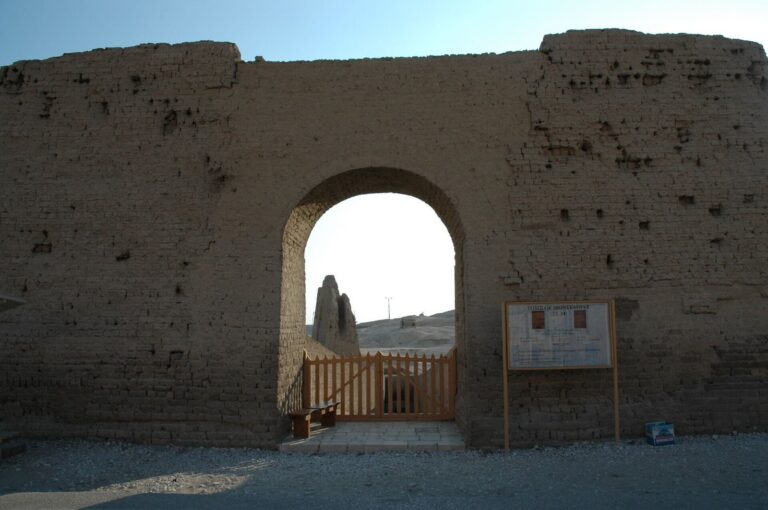
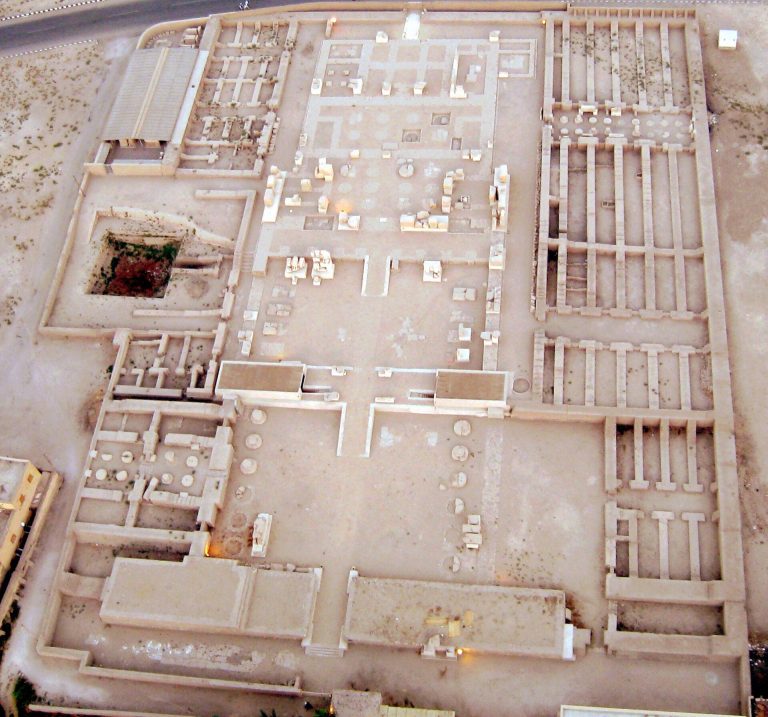
The Tomb of Khaemhat (TT57) is an Eighteenth-Dynasty Egyptian tomb at Sheikh Abd el-Qurna, within the Theban Necropolis on the west bank of the Nile opposite Luxor, Egypt. It was made during the reign of Amenhotep III, a king of Egypt’s New Kingdom, and served as the burial place of Khaemhat, also known as Mahu.
Khaemhat held two administrative offices: he was a royal scribe, who recorded official matters, and an overseer of the double granary, responsible for supervising grain stores. His wife was Tiyi. His father, the royal scribe Imhotep, was buried in neighboring TT102 and also appears in TT57. TT102 may have been built around the same time as Khaemhat’s tomb. Nearby TT126 belonged to Hormose and may date to the much later Saite period, the era of Egypt’s Twenty-sixth Dynasty.
Relief-decorated tombs became common toward the end of Amenhotep III’s reign. The carved scenes in TT57 are regarded as among the finest examples of New Kingdom art. A stela in the shared courtyard commemorates Suemmerenhor, described as a custodian, and probably dates to the Nineteenth Dynasty.
The Theban Necropolis and the tomb’s later history
The wider Theban Necropolis received burials from the Old Kingdom, an earlier period of Egyptian history, through the Saite and Ptolemaic periods. These dates describe the long history of the burial ground, not the period of use of TT57 itself.
The tomb appears to have remained open and known since antiquity. In the nineteenth century, artist Nestor L’Hôte and the expedition led by Egyptologist Karl Richard Lepsius drew and copied its scenes for publication; other visitors made impressions, or squeezes, of the carved surfaces.
Remains
Courtyard and cult-chapel facade
Shared courtyard
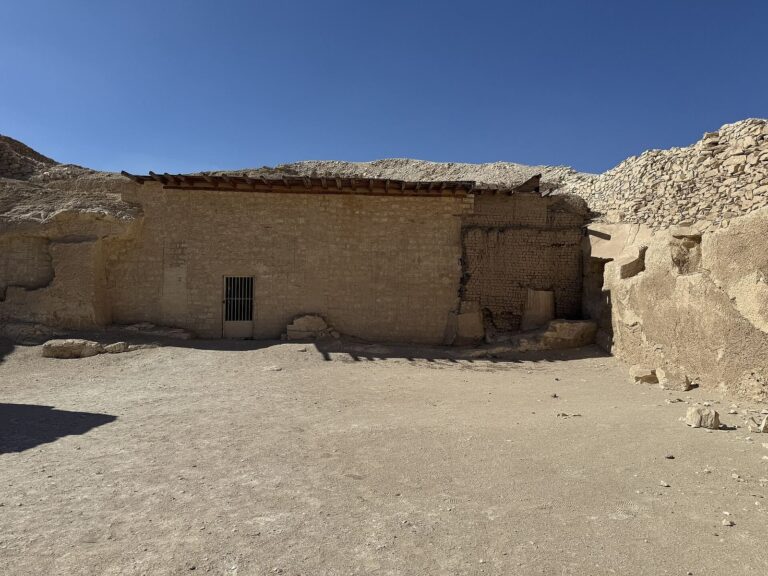
A stairway leads from outside to a courtyard shared by TT57, TT102 and TT126. Entrances to the three tombs open from this space. Khaemhat’s rock-cut cult chapel, a place for offerings and worship associated with the deceased, lies on the courtyard’s west side.
Khaemhat’s facade
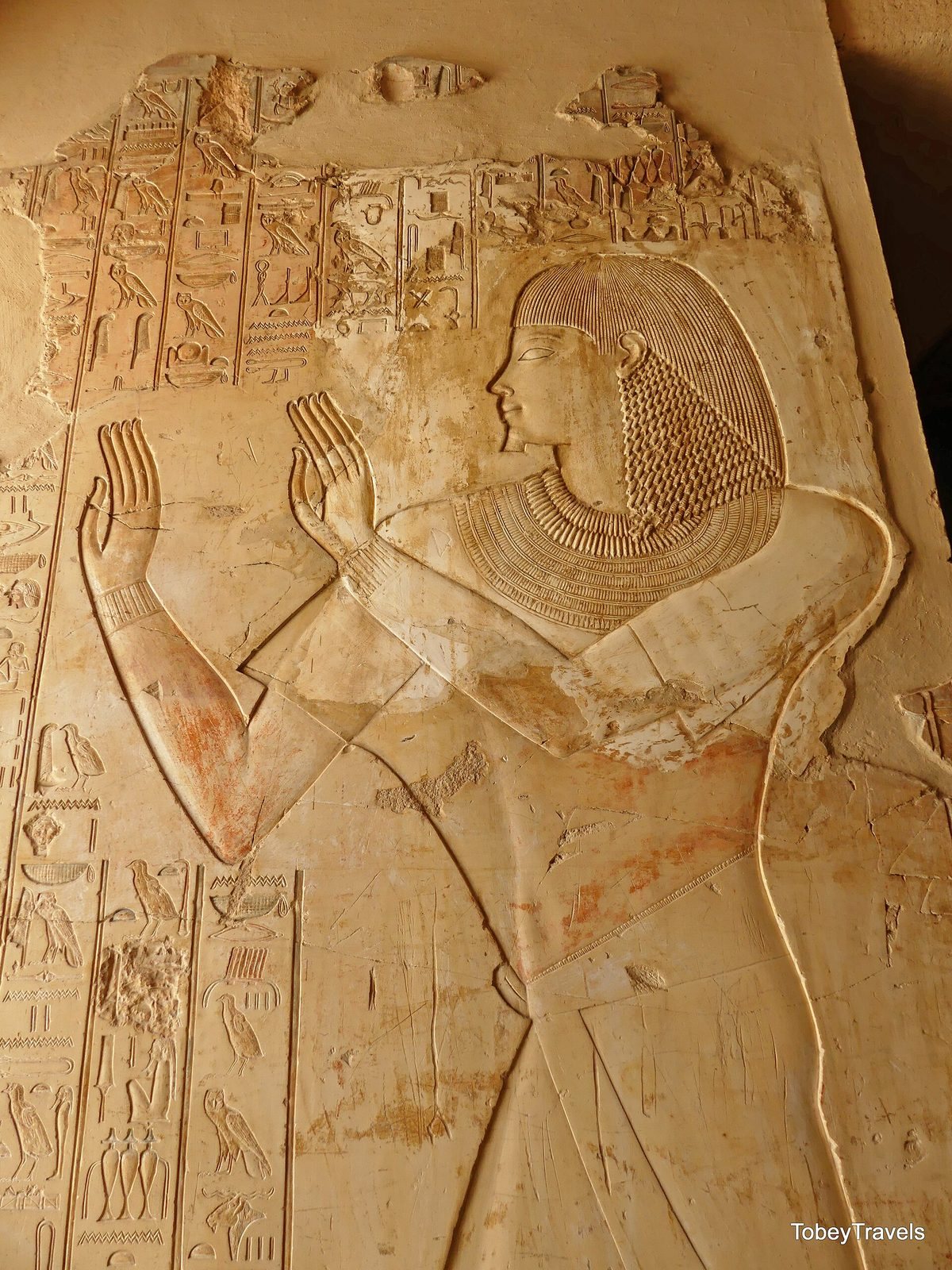
The chapel entrance is framed by a facade decorated with upright stone slabs bearing carved scenes and inscriptions. On either side of the doorway, Khaemhat is shown standing with his back toward it, although only the lower portions of the figures survive. Long columns of text accompany the images. A nearby purification scene includes three figures; their upper bodies and identifying inscriptions have been lost.
One well-preserved facade slab shows Khaemhat pouring water over a shrine. Inside the shrine are the four human-headed sons of Horus, protective deities associated with the organs removed during mummification, alongside the goddesses Isis, Nephthys, Selket and Neith. Four canopic jars, which held those organs, appear below. Implements for the Opening of the Mouth, a funerary rite intended to restore a deceased person’s capacities, are also carved beneath the figures.
Suemmerenhor’s stela
A separate courtyard stela shows Suemmerenhor making a libation offering to Osiris, the god associated with the dead and the underworld.
The broad hall
Entrance and ceiling
A passage on the south side leads into the broad hall and bears a hymn to Ra, the sun god. Reliefs cover much of the hall’s decoration. Its ceiling is plain apart from painted patterns and inscriptions.
Agricultural scenes on the east wall
The east wall presents agricultural work from ploughing through harvest. Among the small details, a boy rests while playing a flute, workers wear sandals, and a man helps close a large grain basket. These scenes place everyday work alongside the tomb’s depictions of ceremony and religious life.
Offerings, ships and agricultural work beside the entrance
On the south side of the entrance, Khaemhat presents an offering to Amun-Re-Harakhte, a composite deity combining Amun-Re with the solar god Harakhte. Nearby, two rows of cargo ships accompany a market scene in which Nubians sell goods. Three groups of traders occupy horizontal bands, or registers, to the ships’ right; the central group is largely destroyed. The large vessels may represent ships from the royal palace on a journey to Nubia, stopping so their sailors could buy food from local Nubians.
On the north side, Khaemhat makes an offering to Renenutet, a goddess associated with harvest and nourishment. Nearby, he holds a staff while lower-ranking officials appear in two registers with measuring cords and scribal equipment. A chariot is shown in the lowest band. Another scene, arranged in four registers, combines ploughing and harvest work. Khaemhat sits beside a tree, his figure spanning two registers, while a chariot appears above.
The king in the west-wall scenes
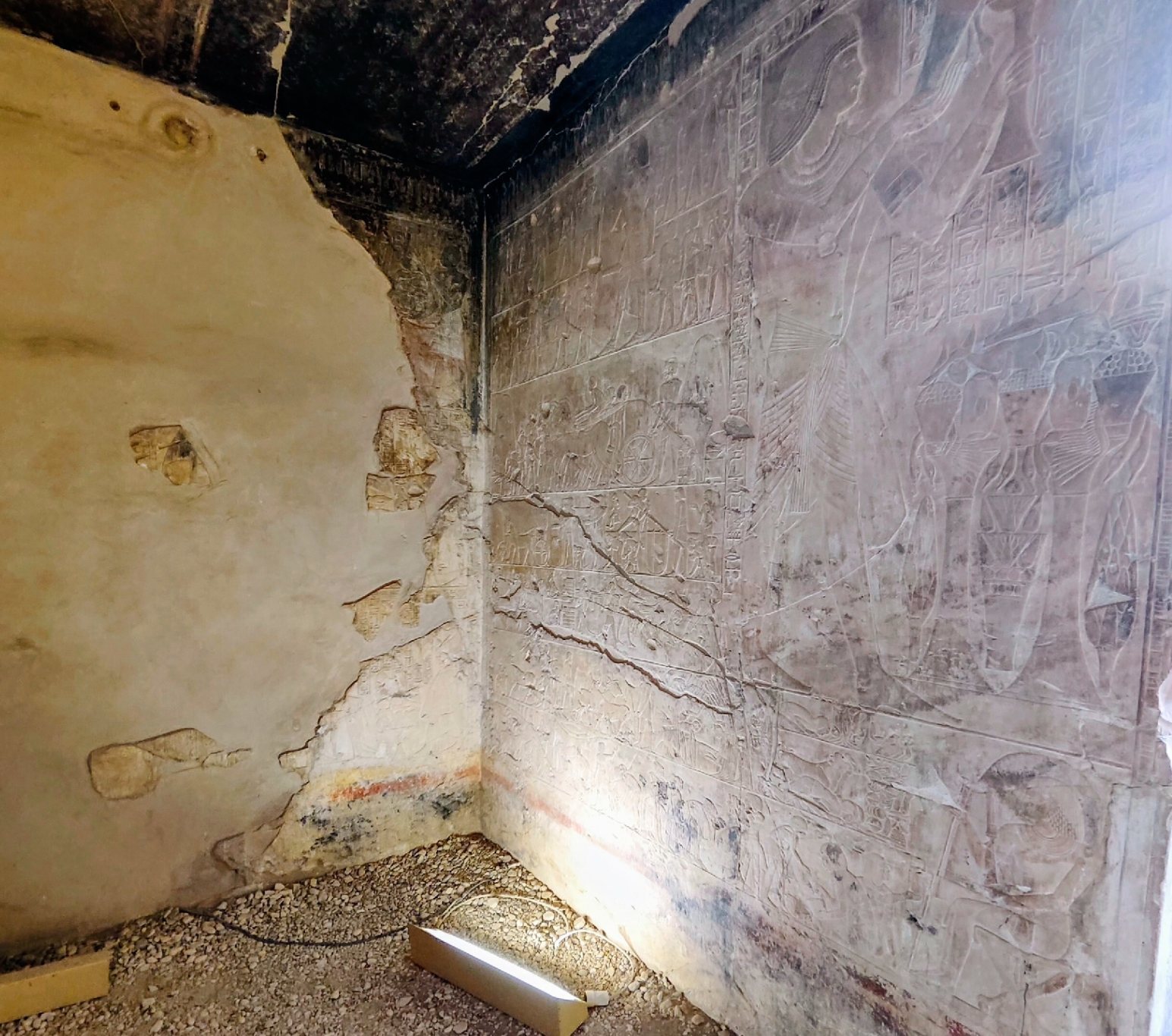
Two large scenes on the west wall show Khaemhat before the king. In the northern scene, the king sits in a kiosk, an open royal pavilion, during his Sed festival, a jubilee intended to renew a king’s authority. Khaemhat is depicted larger than the officials behind him, who bow in two rows. Two officials in an upper register receive awards. The king wears a short wig and a diadem bearing a uraeus, the cobra emblem of royalty, and holds a flail and a crook-shaped scepter. His throne depicts him as a griffin trampling enemies; enemies also appear below the seat and in a row of nine at the kiosk’s base. The accompanying text describes the king appearing on the great throne to reward leaders of Upper and Lower Egypt. The caption says the festival followed a thirty-year reign and was then celebrated every three years.
In the southern scene, Khaemhat presents a document to the king, who wears the blue crown and holds a flail, crook-shaped scepter and an ankh, a sign associated with life. Lotus- and papyrus-shaped columns support the kiosk; two rows of cobras run along it, and the upper part of a bull appears above the roof. The throne again shows the king as a griffin trampling a foreigner, with bound foreigners below the seat and nine figures at the base. The text names Amenhotep III as “Lord of the Sed festival,” and the caption refers to receiving a document of the summer of Upper and Lower Egypt. The scene is badly damaged, with its upper half missing.
End walls and statue niche
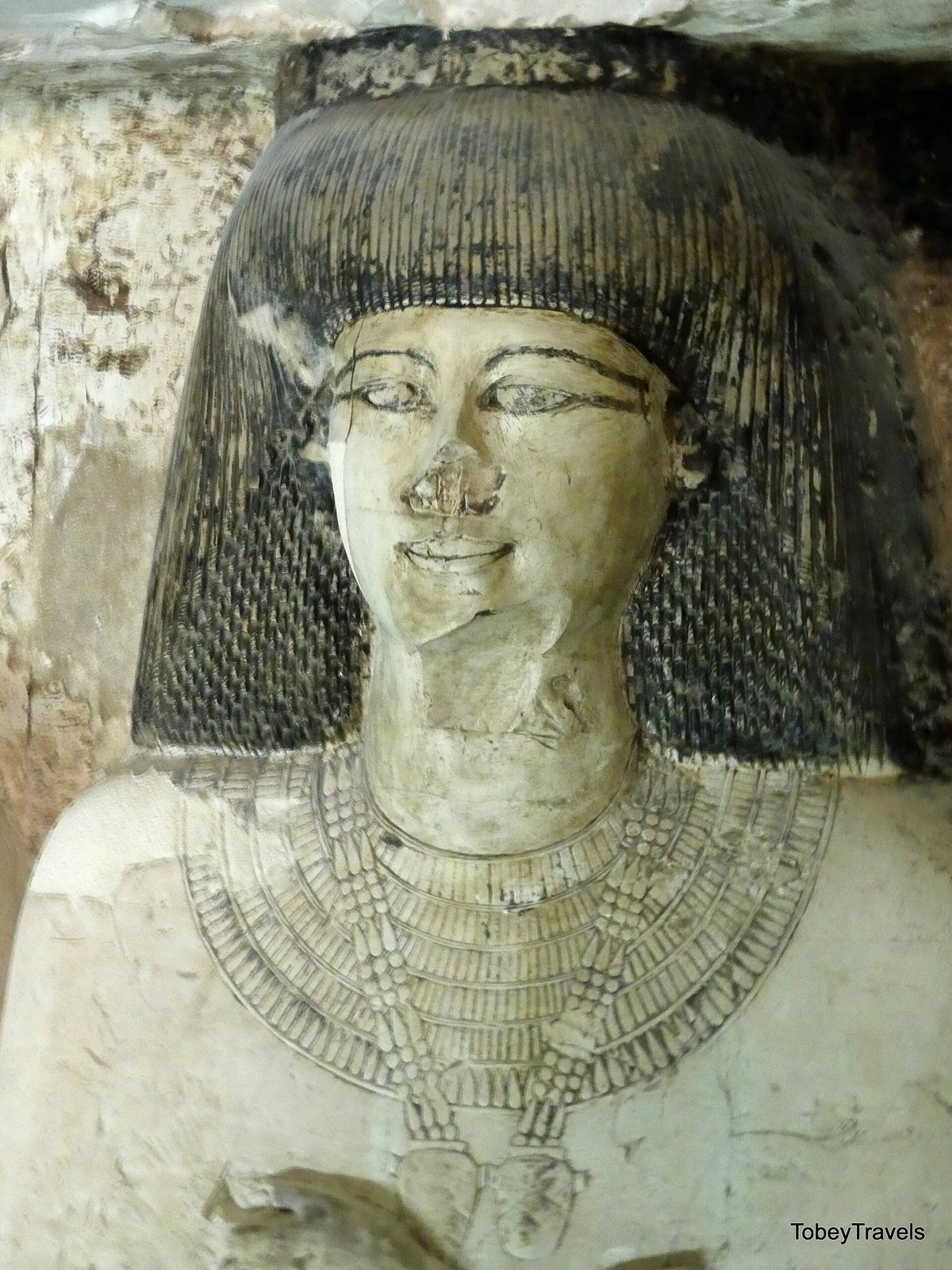
The short north end of the broad hall is badly damaged, but three registers of offerings to the deceased remain visible. At the south end, a rock-cut niche contains statues of Khaemhat and Imhotep, with Tiyi represented between them. The niche walls are decorated and carry a long offering list.
Long hall and inner chambers
Passage and long hall
A passage leading from the broad hall depicts Khaemhat before Osiris and Isis, and in a separate scene before Osiris and Nephthys. The entrance to the long hall is midway along its west wall. Its decoration centers on funerary and underworld subjects. Three registers on the south wall show a funeral procession, boats, Osiris and the Western goddess, identified with Hathor and associated with the dead. On the north wall, the deceased appears in the fields of Iaru, the blessed fields of the Egyptian afterlife, and in a pilgrimage to Abydos, an important center associated with Osiris. Some scenes, including apparent rites of purification performed by priests, are badly damaged.
Passages and inner chambers
A further passage shows Khaemhat kneeling beside texts from the Book of the Dead, a collection of Egyptian funerary spells. The passage into the inner hall carries complete versions of spells 110, 112 and 113, rather than the shortened forms found in some tombs from approximately the same reign.
The inner chamber has statue niches on its north, west and south sides. Their figures include Khaemhat with his wife, Khaemhat with Imhotep, and Khaemhat with a woman. The inner transverse chamber has three more niches: one depicts Khaemhat with a woman, another shows Khaemhat, also called Mahu, with his wife, and the third shows Khaemhat and Imhotep with Tiyi between them. Liturgical texts and offering lists also decorate this inner area.
Sculptural fragments and the king’s face
A diorite head fragment and a limestone relief depicting Khaemhat were found in the tomb and are now in Berlin museums. In a broad-hall scene, the king’s face was cut out and taken to the Egyptian Museum in Berlin; a cast now fills its place.