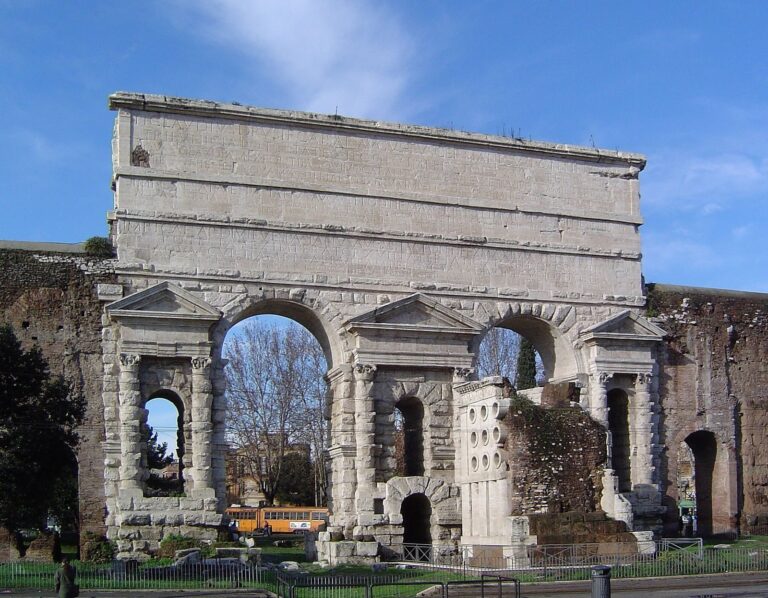
Catacomb of San Lorenzo: An Early Christian Cemetery in Rome
Site at a Glance
- Rating
- 3.5
- Popularity
- Very Low
- Country
- Italy
- Primary era
- Classical
- Eras represented
- Classical
- Civilizations
- Roman
- Site type
- Burial
- Remains
- Catacomb
On this page12 sections
History
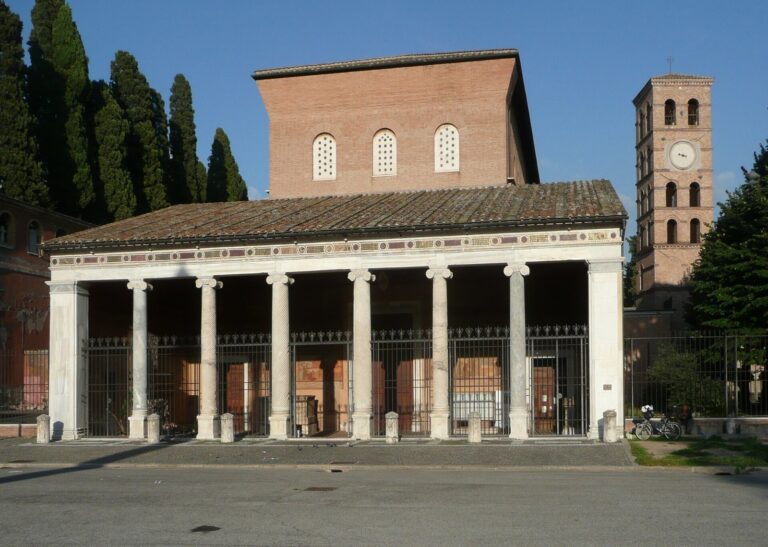
The Catacomb of San Lorenzo is an underground cemetery beneath the Basilica of San Lorenzo fuori le Mura, a large church on the Via Tiburtina in Rome, Italy. It is associated with Laurence, an early Christian martyr killed in 258, whose burial place became the focus of successive church building and pilgrimage.
Laurence and the cemetery
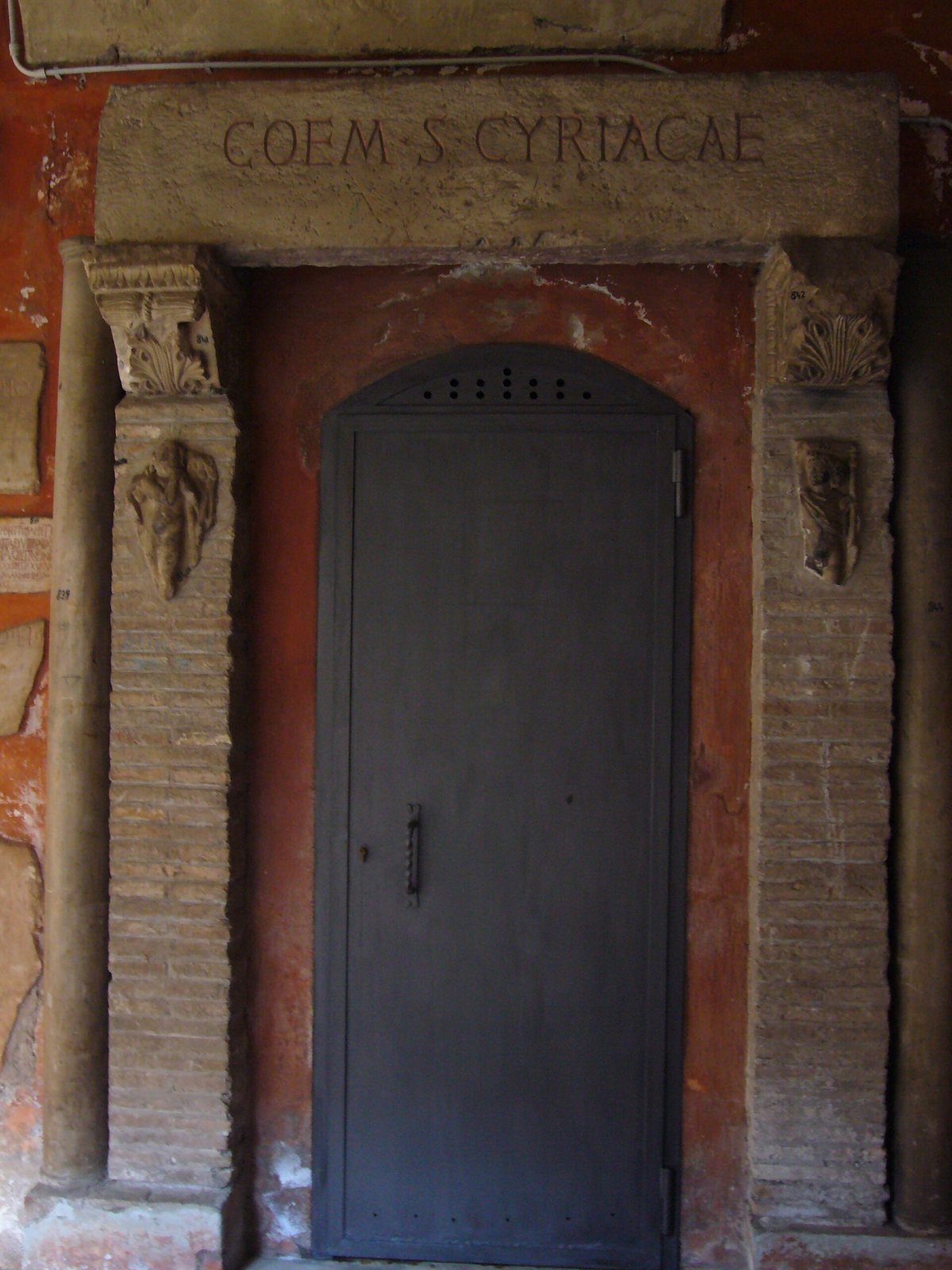
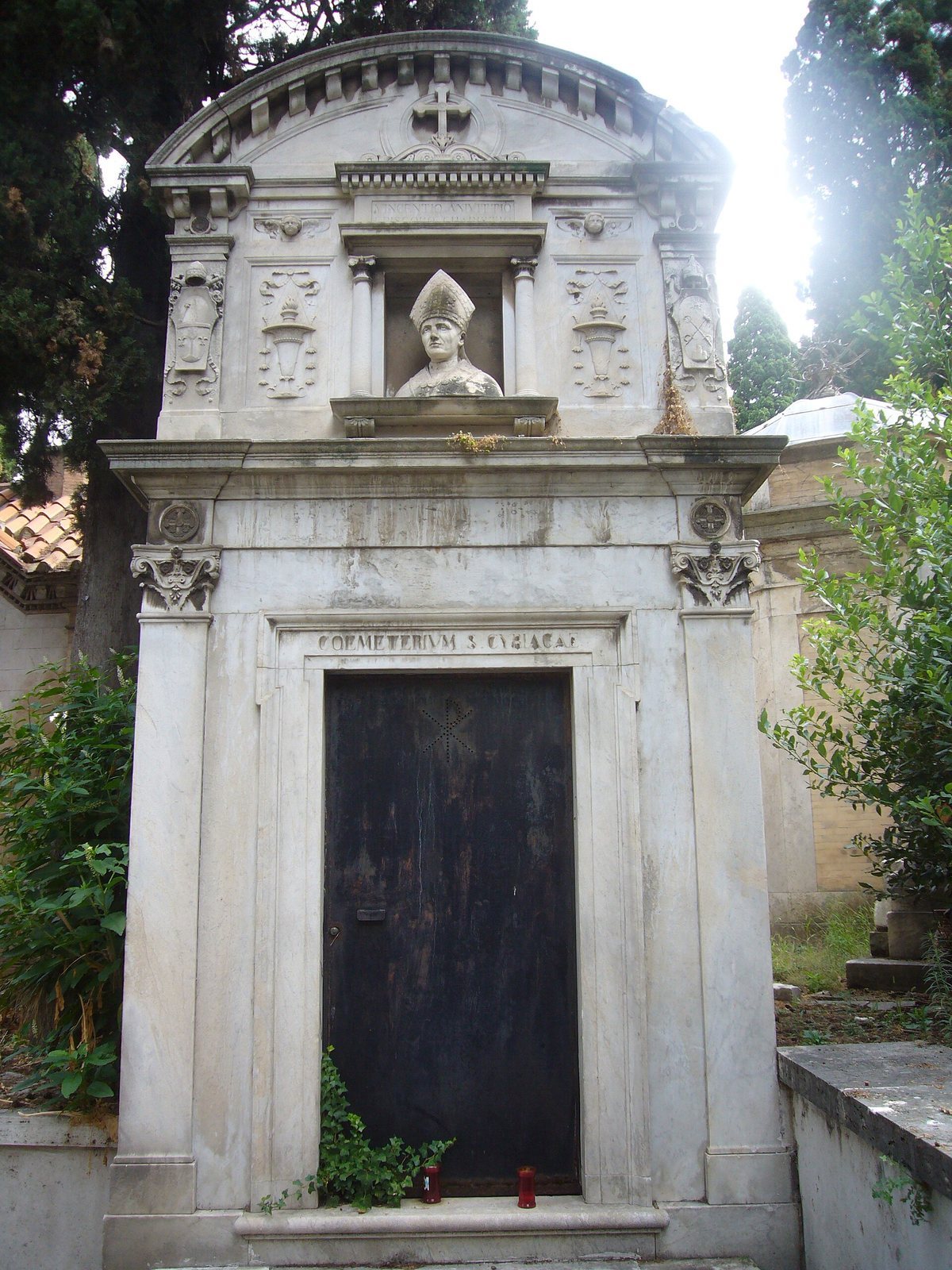
The cemetery was also known as the Catacomb of Cyriaca. The mid-fourth-century Depositio Martyrum, an early Christian record of martyrs and their commemorations, places Laurence’s burial on August 10 at Tiburtina but does not name the cemetery. The entry has been taken to suggest that the burial ground was already linked to him.
The Liber Pontificalis, a history of the popes, and a sixth-century account of Laurence’s martyrdom associate his burial place with land belonging to Cyriaca, a widow, on the Via Tiburtina in the Verano area. By the eighth century, Cyriaca was remembered as blessed.
Constantine and the expanding sanctuary
Decades after Laurence’s death, Constantine I, the Roman emperor, ordered a small chapel, oratory, above the tomb and rearranged the cemetery to make the route for pilgrims easier. He also commissioned a large basilica nearby, later known as the “greater church.”
The bishops of Rome, including Popes Zosimus, Sixtus III, and Hilarius, chose burial places near Laurence’s burial chamber. Hilarius also commissioned a monastery, baths for pilgrims, a library, and a residence for the bishop. Pope Simplicius built a church dedicated to Saint Stephen, known as the first martyr, while Pope Felix III built another dedicated to Saint Agapitus, regarded as Laurence’s companion.
Between 579 and 590, Pope Pelagius II replaced Constantine’s chapel with a new basilica directly above Laurence’s tomb. It became known as the “lesser church,” distinguishing it from Constantine’s “greater church.”
Fortification and medieval rebuilding
Invasions of Italy led to the cemetery complex being converted into a fortified stronghold with walls and towers. Pope Hadrian I restored Constantine’s basilica, which was thereafter dedicated to the Mother of God, a title for Mary, and also restored the churches of Saint Stephen and Saint Agapitus.
In the early thirteenth century, Pope Honorius III commissioned a new basilica as an extension of Pelagius II’s building. The earlier church became part of the new structure.
Pilgrimage, damage, and archaeological study
The Catacomb of San Lorenzo was among the few Roman catacombs whose location remained known. Pilgrims continued to visit, while relic seekers pursued relics for trade. This activity, bombings during the Second World War, and the construction of Verano Cemetery contributed to the catacomb’s poor state of preservation.
Antonio Bosio described parts of the catacomb in 1593. Marcantonio Boldetti and Giovanni Marangoni made further discoveries in the eighteenth century, and the first scientific studies began in the nineteenth century, when Giovanni Battista de Rossi focused on Laurence’s burial chamber. Excavations in 1947 and 1949 renewed archaeological work at the site.
Remains
The cemetery and church complex
The underground cemetery
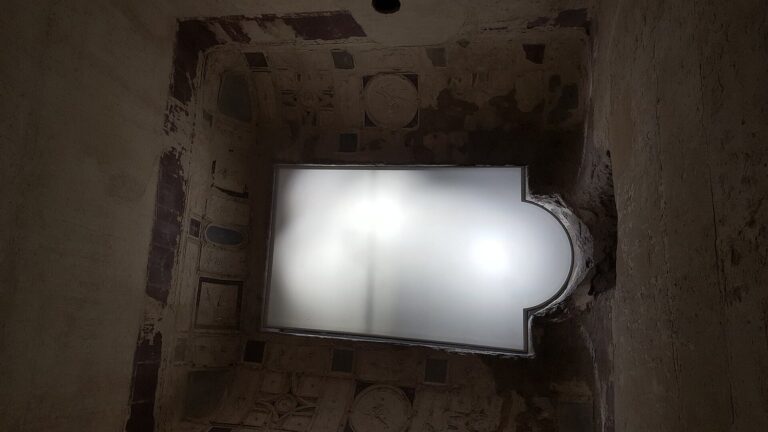
The catacomb lies beneath the basilica and extends across five levels, with three entrances within the church. Its surviving fabric is fragmentary.
The basilicas
Pelagius II’s basilica was partly set into the Verano hill, giving it a semi-subterranean form. When the building was later extended, the earlier basilica served as the altar area of the new church, traditionally reserved for clergy.
Burial places and shrines
Laurence’s tomb
The underground tomb received a monumental setting in Constantine’s time. Its features included an apse, a curved recess, precious marble, and gates and grilles intended to seal the burial chamber.
Shrine of Abbondius and Erennius
Excavations brought to light shrines associated with the martyrs Abbondius and Erennius. Richard Krautheimer identified their underground martyr shrine, which remained in use into the Middle Ages.