Sundsby: A Swedish Manor Estate
Site at a Glance
- Popularity
- Medium
- Country
- Sweden
- Primary era
- Early Modern
- Eras represented
- Early Modern, Modern
- Civilizations
- Swedish
- Site type
- Domestic
- Remains
- Manor House
On this page5 sections
History
Medieval record and the Green family
Sundsby is a historic manor estate on the island of Mjörn in Tjörn Municipality, Sweden. It is first mentioned in Bishop Eystein’s Land Book, a register of landholdings compiled in 1388 under the direction of Eysteinn Erlendsson, archbishop of Nidaros, the medieval name for Trondheim. The register is an important record of medieval landholding in Eastern Norway.
In the second half of the 16th century, Sundsby came under the control of Laurits Olofsson Green. His son Anders Lauritsson Green inherited the estate and enlarged it substantially. Anders served as Norwegian Chancellor, a senior government official.
The Huitfeldt estate
After Anders died without children, his great-niece Margareta Huitfeldt inherited Sundsby in 1625. She married the Danish nobleman Thomas Iverssön Dyre in 1635, and together they expanded the estate by buying adjacent land. Huitfeldt also developed a wider estate complex around the fjords of central Bohuslän.
In her will, Huitfeldt left Sundsby and its associated farms to the Royal and Huitfeldt Scholarship Institution after her death in 1683. The institution was intended to support gifted young people in Bohuslän who lacked financial means.
Rebuilding and modern ownership
A fire destroyed the older buildings in 1720, and replacement buildings were erected around 1763. The institution sold most of Sundsby to Jesper Rudbäck in 1983. Tjörn Municipality acquired the estate in 2003. Sundsby is a protected area and a Special Area of Conservation under the European Union framework for safeguarding important habitats and species.
Remains
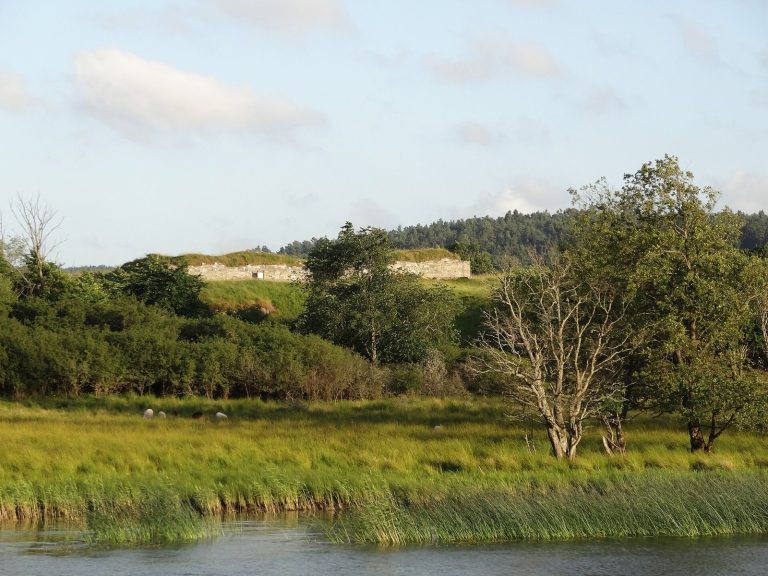
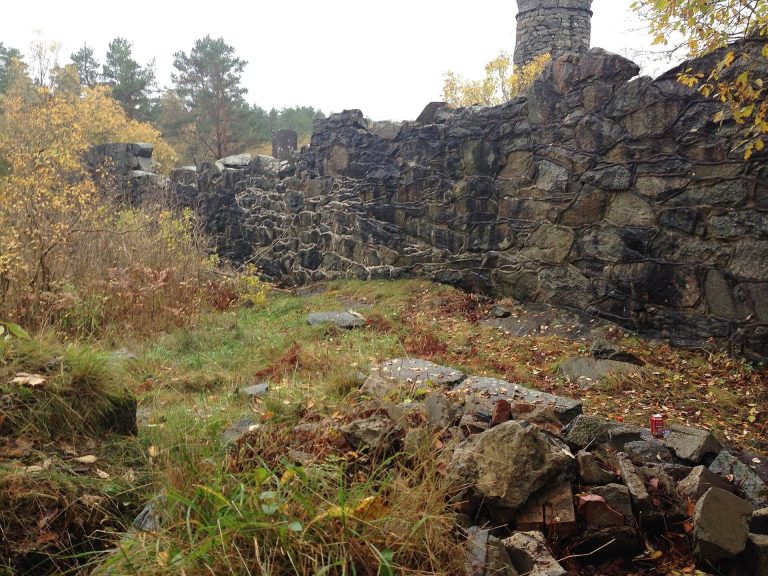
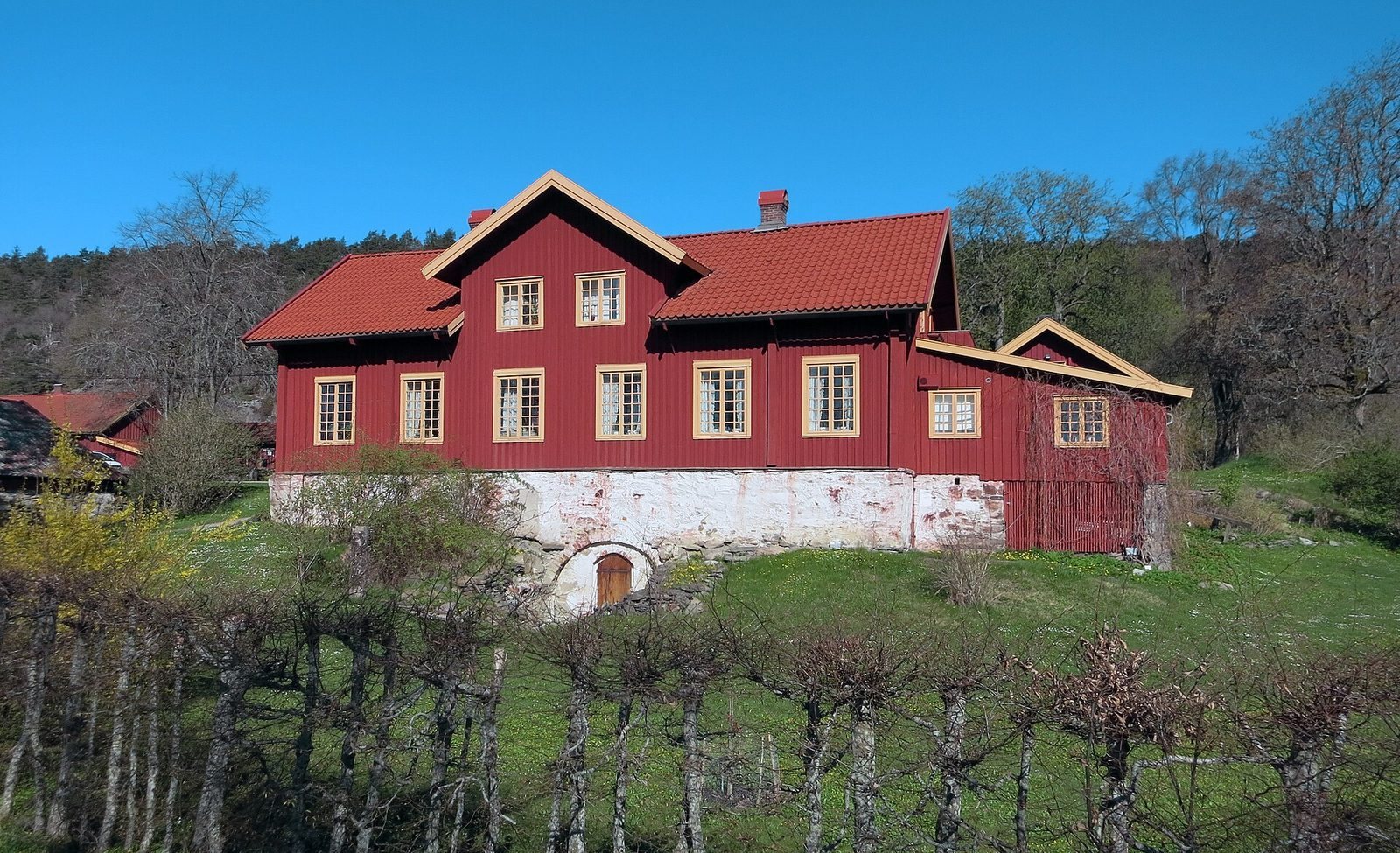
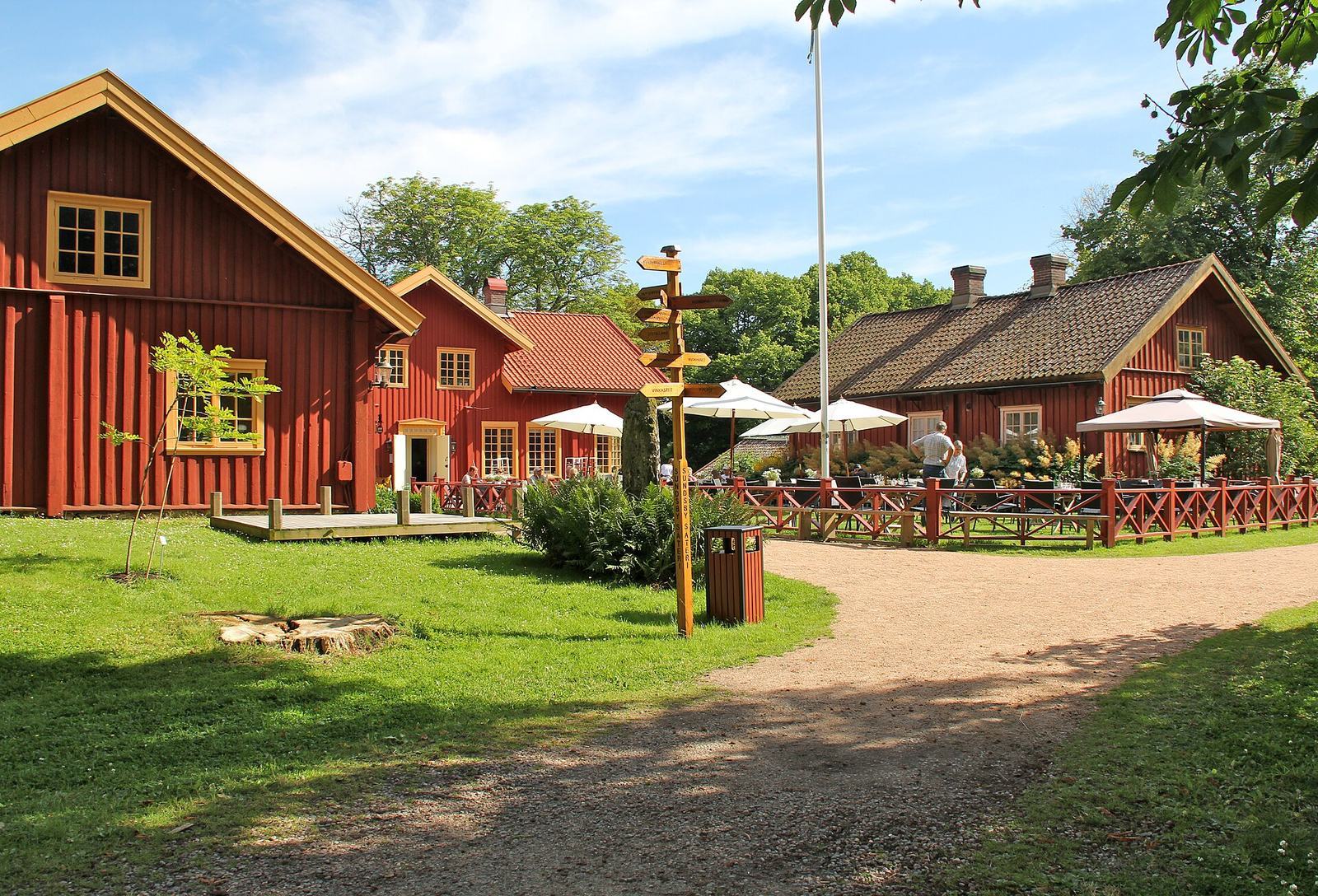
Sundsby Manor comprises a main building, a barn and a garden in hilly, wooded terrain edged by bays. The estate was extensively remodeled in the 1890s; the barn was refurbished in the 1930s, and the interior of the main building was rebuilt in the 1940s.