St Mary the Virgin, Iffley: A Romanesque Parish Church in Oxford
Site at a Glance
- Rating
- 4.8
- Popularity
- Very Low
- Country
- United Kingdom
- Primary era
- Medieval
- External website
- Open
- Eras represented
- Medieval, Modern
- Civilizations
- English
- Site type
- Religious
- Remains
- Church
On this page10 sections
History
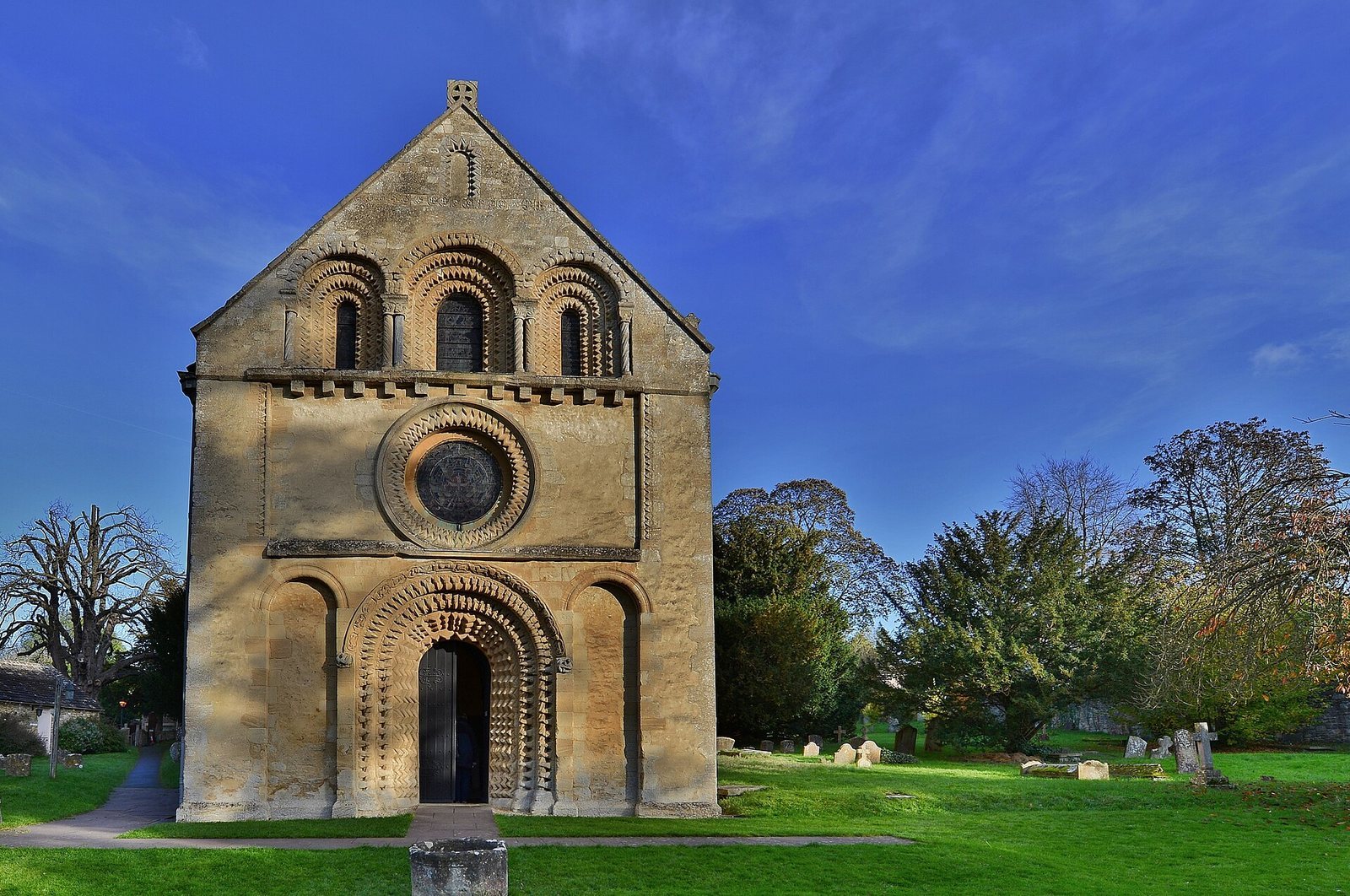
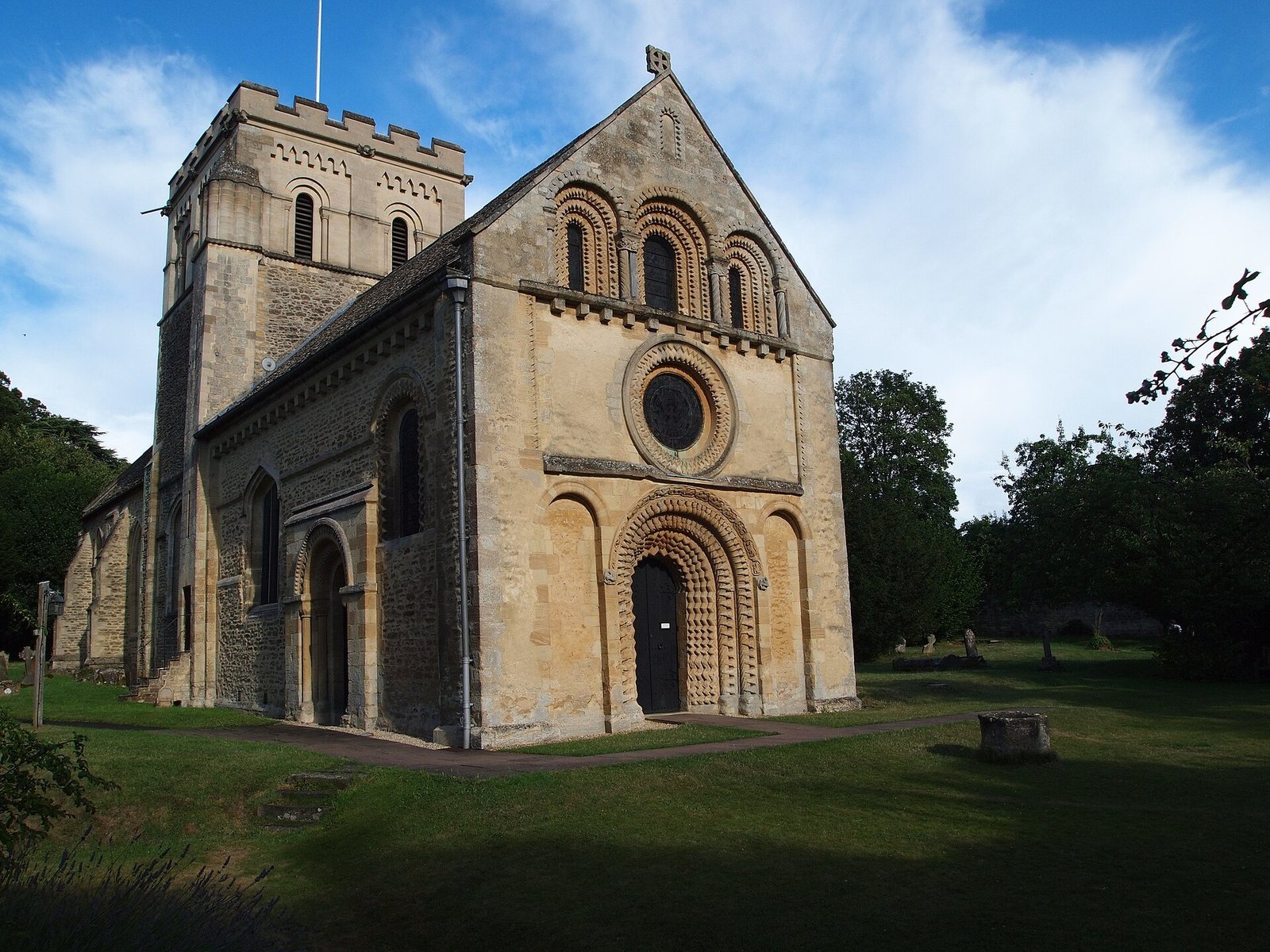
St Mary the Virgin is a Romanesque Church of England parish church in Iffley, England, now a suburb of Oxford, United Kingdom. Built around 1160 by the St Remy family, probably with funds from the de Clintons of Kenilworth Castle, it preserves the heavy masonry and round arches associated with Romanesque architecture, a medieval style characterized by solid construction and rounded openings.
The Romanesque church
The church was established as a parish building during the twelfth century. Its principal fabric belongs to the Romanesque period, and relatively little alteration over the centuries has left its medieval character clearly expressed in the building.
The Early Gothic extension
Around 1230, the east end was extended in the Early Gothic style, which developed after Romanesque architecture and favored more vertical forms and pointed arches. At the same time, a cell was built on the south side for Annora, an anchoress, or religious woman who withdrew from ordinary society to live beside a church in prayer and contemplation.
St Mary the Virgin remains an active parish church within the Diocese of Oxford, the Church of England’s diocesan administration in the area. It belongs to the Province of Canterbury and is administered through the Archdeaconry of Oxford and the Cowley Deanery. The building is Grade I listed, the highest category of statutory designation in England for buildings of exceptional architectural or historic interest.
Remains
The church retains a largely Romanesque structure, with round-arched windows and doorways forming the main architectural character. The Early Gothic eastward extension and the south-side cell create later elements within the medieval building, while the church’s limited alteration has preserved the relationship between these phases.
Medieval fabric
Romanesque church
The principal building is formed in the Romanesque manner, with substantial masonry, round arches, and relatively small, deeply recessed openings. Its surviving windows and doorways retain the rounded forms associated with the original twelfth-century design.
Anchoress’s cell
The small cell constructed beside the south side of the church around 1230 was made for Annora. Its position attached to the church reflects the purpose of an anchoress’s enclosure, allowing a life devoted to prayer and contemplation alongside the parish building.
Stained glass
John Piper’s Tree of Life window
A stained-glass window in the south wall of the nave was designed by John Piper and made by the glassmaker David Wasley in 1982 for an exhibition in Bristol. Piper’s widow, Myfanwy, donated it to the church, where it was installed in 1995. The design adapts Piper’s Tree of Life motif to the Birth of Christ. Five animals occupy or appear before the branches: a cock announces “Christus natus est,” meaning “Christ is born”; a goose asks “Quando? Quando?”, or “When? When?”; a crow declares “In hac nocte,” or “On this night”; an owl asks “Ubi? Ubi?”, or “Where? Where?”; and a lamb proclaims “Bethlehem! Bethlehem!” The lower panel carries the quotation, “Let man and beast appear before Him and magnify His name together….”
Flowering Tree window
Opposite Piper’s window is the Flowering Tree window, designed by Roger Wagner and executed in glass by Patrick Costeloe of Thomas Denny’s studio in 2012. Together, the two windows form a modern stained-glass complement to the church’s medieval fabric.