Church of St Peter: A Historic Parish Church in Hope, England
Site at a Glance
- Rating
- 4.5
- Popularity
- Very Low
- Country
- United Kingdom
- Primary era
- Medieval
- Eras represented
- Medieval, Early Modern, Modern
- Civilizations
- Anglo-Saxon, British, English
- Site type
- Religious
- Remains
- Church
On this page6 sections
History
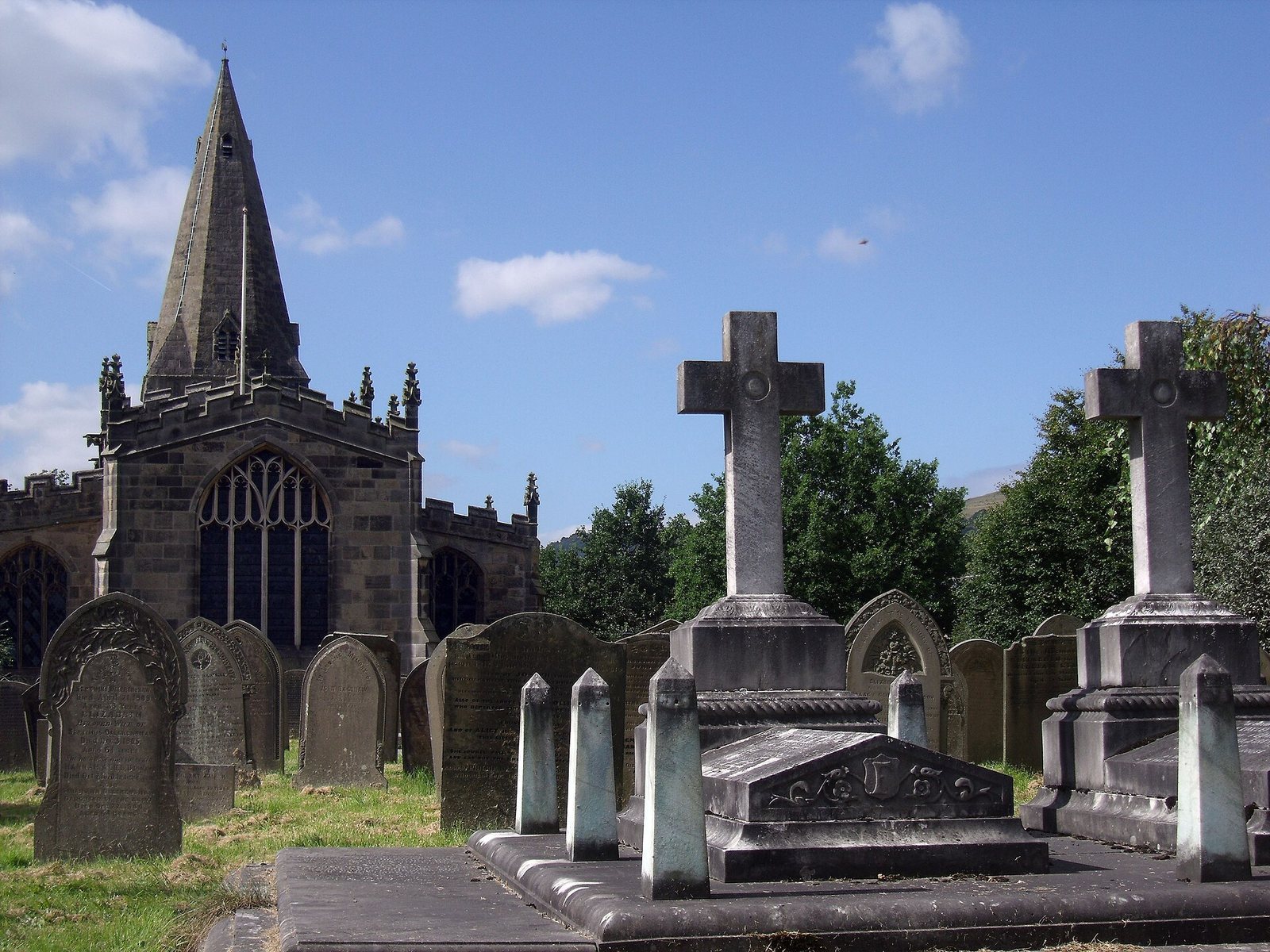
Church of St Peter is a medieval Church of England parish church in Hope, United Kingdom, originating in the early 14th century and developed during the 14th and 15th centuries. Dedicated to St Peter, it belongs to the Diocese of Derby, within the Archdeaconry of Chesterfield and the Bakewell and Eyam deanery. Hope already had a church when the Domesday Book, the survey of English landholding and resources completed in 1086, was compiled.
Medieval origins and later restoration
The present church emerged during the early 14th century and was shaped by further work over the following two centuries. Its later history includes substantial restoration in 1728–1730, when the tower was rebuilt. Alterations to the chancel, the eastern part of a church traditionally reserved for the clergy and principal altar, followed in 1882.
Alfred Hill of Litton directed another restoration in 1887. This work introduced new windows, relaid the floor, and added a clock with chimes to the tower. Charles Hadfield of Sheffield restored the chancel in 1908, when five stained-glass windows were inserted. Stained glass uses coloured glass assembled into pictorial or decorative windows.
Parish church and listed status
Church of St Peter remains a parish church within the Church of England. It became a Grade I listed building on 21 April 1967. Between 2 and 28 July 2011, the church was broken into and about 15 objects were stolen, including two silver chalices and a pewter plate. Some of the stolen items dated from as early as 1662.
Remains
The church grounds contain two ancient crosses, while the building preserves a pipe organ made in the 19th century. Together, these features reflect the long religious history of the site and its later use as a parish church.
Ancient crosses
An Anglo-Saxon sandstone cross shaft stands in the grounds at approximately 7 feet high. The Anglo-Saxon period broadly covers the centuries of English history before the Norman Conquest of 1066. The shaft is carved on all four faces and may originally have stood within the church grounds. A possible base associated with it now supports a sundial.
The graveyard also contains the stump of the Eccles Cross, which originally stood near Eccles House south of Hope. The shaft was hidden in the village school from the English Civil War until 1858, before returning to the church grounds.
Pipe organ
Inside the church is a pipe organ built by Brindley & Foster in 1883. It was opened on 23 November that year and remains part of the church’s surviving interior furnishings.