Soegawa Shrine: A Shinto Shrine and Claimant to an Ancient Engishiki Shrine


Site at a Glance
- Rating
- 4.8
- Popularity
- Very Low
- Country
- Japan
- Primary era
- Early Modern
- External website
- Open
- Eras represented
- Early Modern
- Civilizations
- Tokugawa
- Site type
- Religious
- Remains
- Sanctuary
On this page11 sections
History
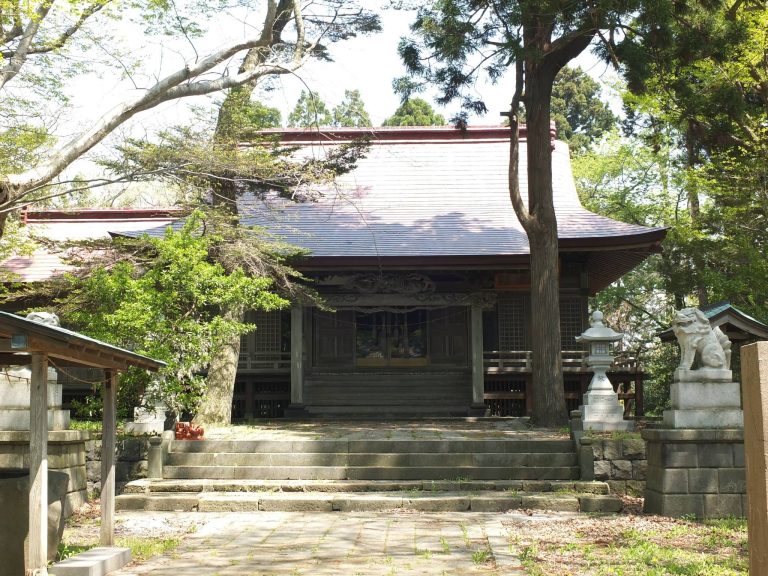
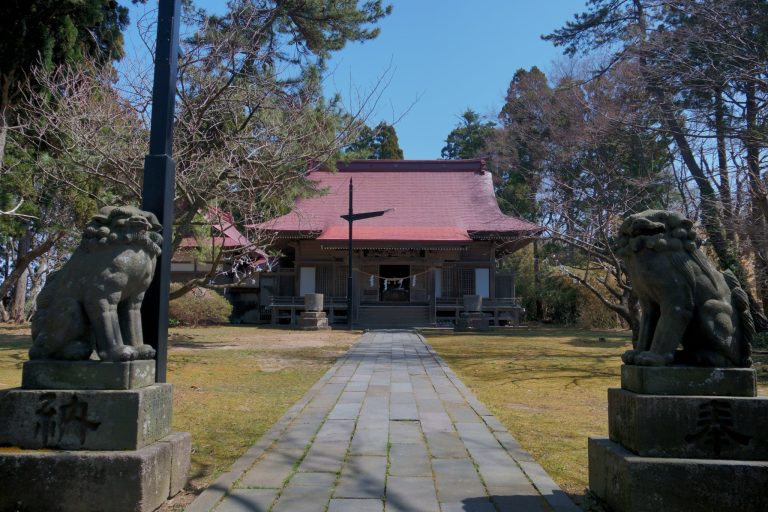
Soegawa Shrine is a Shinto shrine in Japan, near the summit of Mount Takadake in Hachirogata, Akita Prefecture. Its foundation is traditionally placed around the sixth century, while another tradition dates its establishment to around AD 701 after a petition by Fujiwara no Fuhito and others. Fujiwara no Fuhito was an early eighth-century court statesman of the Fujiwara clan. The shrine is historically important because it is a claimant to an ancient shrine listed in the Engishiki, a tenth-century legal and ritual compilation whose registers name officially recognized shrines.
Early status and mountain worship
In AD 871, Soegawa Shrine received the rank of Junior Fifth Rank, Lower Grade. It is identified as a possible location of the ancient shrine described in the Engishiki as the “one small shrine of Yamamoto District,” although the original location of that shrine remains disputed.
During the medieval period, Mount Takadake was reportedly a sacred center of Shugendo, a mountain religious tradition combining ascetic practice, pilgrimage, and elements of Buddhism and Shinto. Gozu Tenno was worshipped there as part of medieval religious traditions that brought Buddhist and kami-related beliefs together. A pre-existing mountain shrine dedicated to Susanoo was also situated on Mount Takadake. Susanoo is a major Shinto kami associated with storms, the sea, and heroic myths.
Relocation and Edo-period recognition
In 1714, during a restoration of ancient shrines carried out under Satake Yoshichika, lord of the Akita Domain, Soegawa Shrine was traditionally said to have been relocated to and revived at its present site. Another account describes a related process. When the Kyoto Yoshida house asked the Kubota Domain about the shrine’s existence, the domain’s shrine magistrate treated Mount Takadake as sacred and established Soegawa Shrine by combining it with the earlier Susanoo shrine. The Kyoto Yoshida house was a hereditary Shinto lineage that exercised religious authority over shrine affairs in premodern Japan.
Soegawa Shrine was one of the Akita Domain’s three specially recognized shrines during the Edo period. It held a land income of 30 koku, a historical measure of agricultural yield used to express the income of domains and shrine estates, throughout that period.
Modern status and the ancient-shrine debate
The historical identity of Yamamoto District remains contested. One interpretation equates the former district with present-day Semboku District. Another holds that an area once called Hiyama District was renamed Yamamoto District in order to support identifying Soegawa Shrine with the ancient shrine listed under that name.
In 1872, Soegawa Shrine became a township shrine, a prewar category in Japan’s state shrine-ranking system. It incorporated Urataicho Shinmei Shrine in 1910 and a Kodatate Inari Shrine in 1911.
Soegawa Shrine is described as Japan’s northernmost claimant, or ronsha, to an ancient shrine listed in the Engishiki. The claim is not universally accepted. A shrine tradition, supported by many local historians and scholars at Kogakkan University, identifies the ancient site with Dake Rokusho Shrine. Kogakkan University is known for scholarship on Shinto and the study of Japan’s classical texts and traditions. Under that interpretation, Shigariwake Shrine in Iwate Prefecture is the northernmost original site. Hachiman Shrine, the lower shrine of Dake Rokusho Shrine, and Soekawa Shinmei Shrine in present-day Akita City are also proposed claimants.
Remains
Mountain sanctuary
Soegawa Shrine’s inner sanctuary occupies a secluded position near the summit of Mount Takadake. An inner sanctuary is a more restricted shrine precinct, often placed farther up a sacred mountain than the main shrine. The mountain setting preserves the connection between the shrine and the long tradition of religious activity associated with Takadake.
Torii and mountain beacon
Middle Torii lantern
Beside the mountain’s third torii, commonly called the Middle Torii, stands a stone lantern approximately 2.5 metres high. It served as a permanent night lamp and formerly functioned as a navigational beacon for boats crossing Hachiro Lagoon. Its position links the mountain sanctuary with the waters below and gives the surviving structure a practical role as well as a religious one.
Lagoon mirror
Heian-period eight-lobed mirror
In 1899 or 1900, a local resident found an eight-lobed mirror from the Heian period while scraping mud from the bottom of Hachiro Lagoon. The mirror carries a design of auspicious flowers and paired phoenixes. It is preserved at Soegawa Shrine and provides a material connection between the shrine’s historical tradition and the surrounding lagoon landscape.
Enshrined deities
The principal deities of Soegawa Shrine are Amaterasu, Toyouke, and Susanoo. Amaterasu is the principal sun kami of Shinto and a central deity in Japanese imperial mythology. Toyouke is associated especially with food and sustenance, while Susanoo is linked with storms, the sea, and heroic myths.